Moroccan Sahara: Africa's new investment frontier
- Dakhla: the new frontier for African investment
- The Moroccan Sahara: an engine of growth for Africa
- Atlantic Sahara: energy transit between Africa and Europe
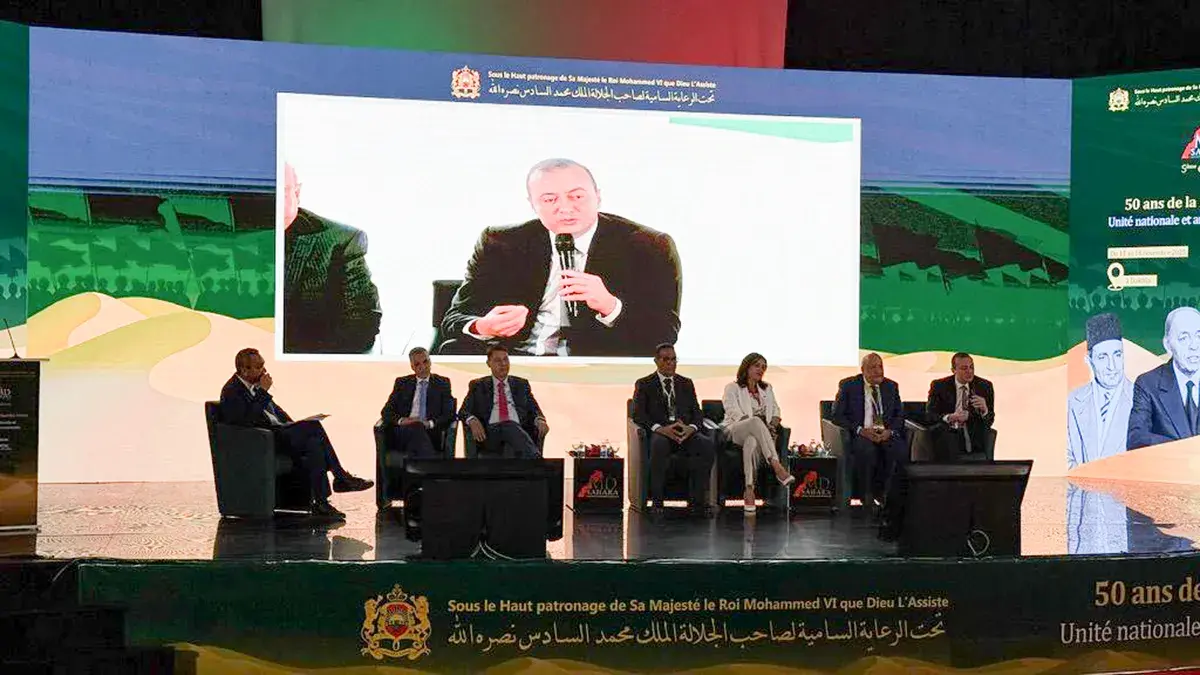
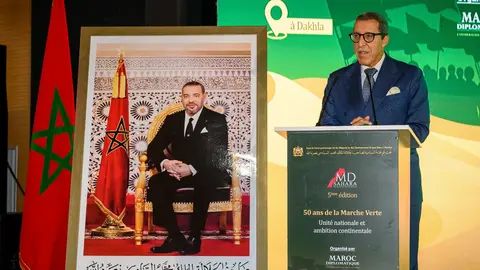
Participants at the MD Sahara 2025 Forum, held in Dajla, reaffirmed that the Moroccan Sahara is much more than just a territory with a future. It is a platform of opportunities and an engine of growth for the entire African continent.
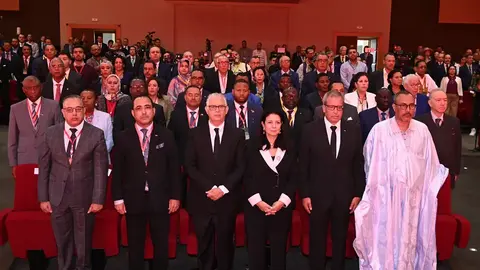
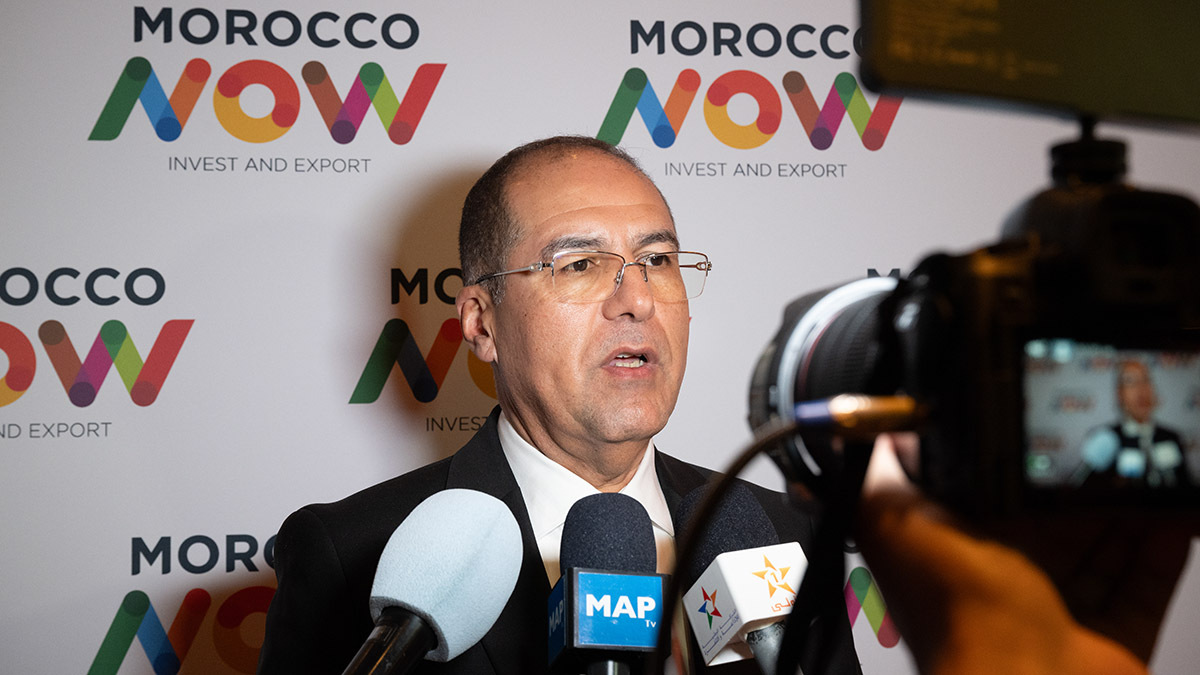
Its geographical position, open to the Atlantic and the Sahel, connected to the Mediterranean and West Africa, will make it a hub for essential trade, investment and innovation, according to the director general of the Moroccan Agency for Investment and Export Development (AMDIE), Ali Seddiki.
With multiple potential including renewable energy, digital technology, logistics, agriculture and tourism, the southern provinces are strengthening their appeal to national and international investors.
Dakhla: the new frontier for African investment
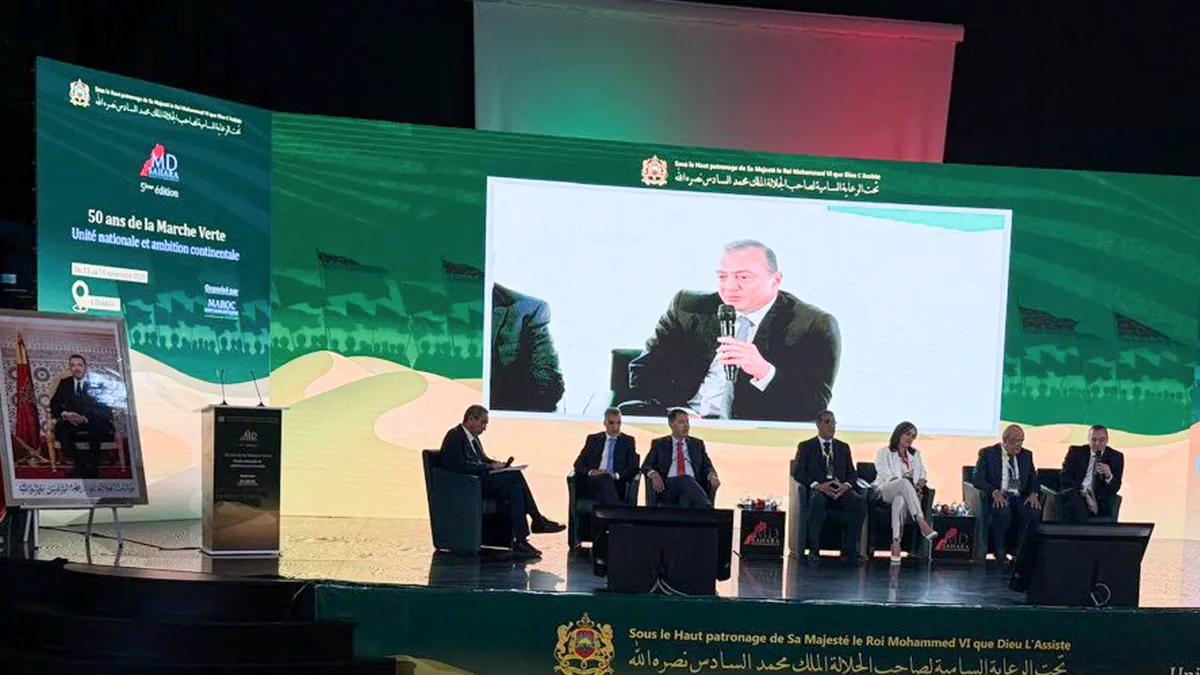
Speaking at the MD Sahara Forum 2025, Ali Seddiki, Director General of AMDIE, stated that ‘the city of Dakhla represents a new frontier for African and global investment, located in the southern provinces of Morocco, which in turn constitute the heart of the new economy of the Moroccan kingdom and the African continent’.
The first seeds of the new economy of the Moroccan kingdom are sprouting in the three southern regions of the North African country. It is a decarbonised, environmentally friendly economy with infrastructure that connects it to the rest of the world.
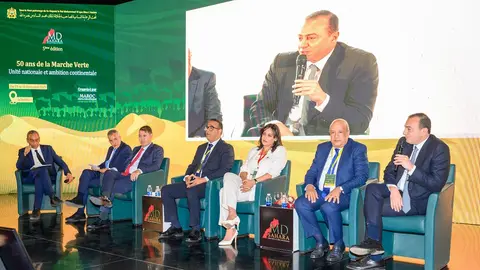
Thanks to decarbonisation and the contributions of the New Investment Charter of Morocco, several sectors have developed in the southern provinces, namely: agribusiness, renewable energies and construction materials.
‘In response to national and continental challenges across all dimensions of tomorrow's economy, a clear vision with applied governance allows this area to take full advantage of the opportunities available to it for a bright future,’ emphasised Ali Seddiki.

The Director General of AMDIE highlighted that ‘we are facing a complete ecosystem that is positioning itself on the basis of a high-quality renewable strategic resource,’ mentioning that ‘with an infrastructure of nearly 1,600 hectares of industrial zone behind us, we have put in place the means for connectivity and modernity in the Sahara.’
In this regard, Ali Seddiki highlighted the importance of factors favourable to the development of the southern provinces through:
- The valorisation of the potential offered by the consolidation of the blue economy.
- The good management of resources, with a commitment to sustainability and decarbonisation.
- The promotion of investment opportunities that the port of Dajla will offer in 2028.
- Taking into account human capital as a comparative advantage of the Moroccan kingdom.
- Keeping in mind the winning equation of competitive energy that the world demands.
The Moroccan Sahara: an engine of growth for Africa
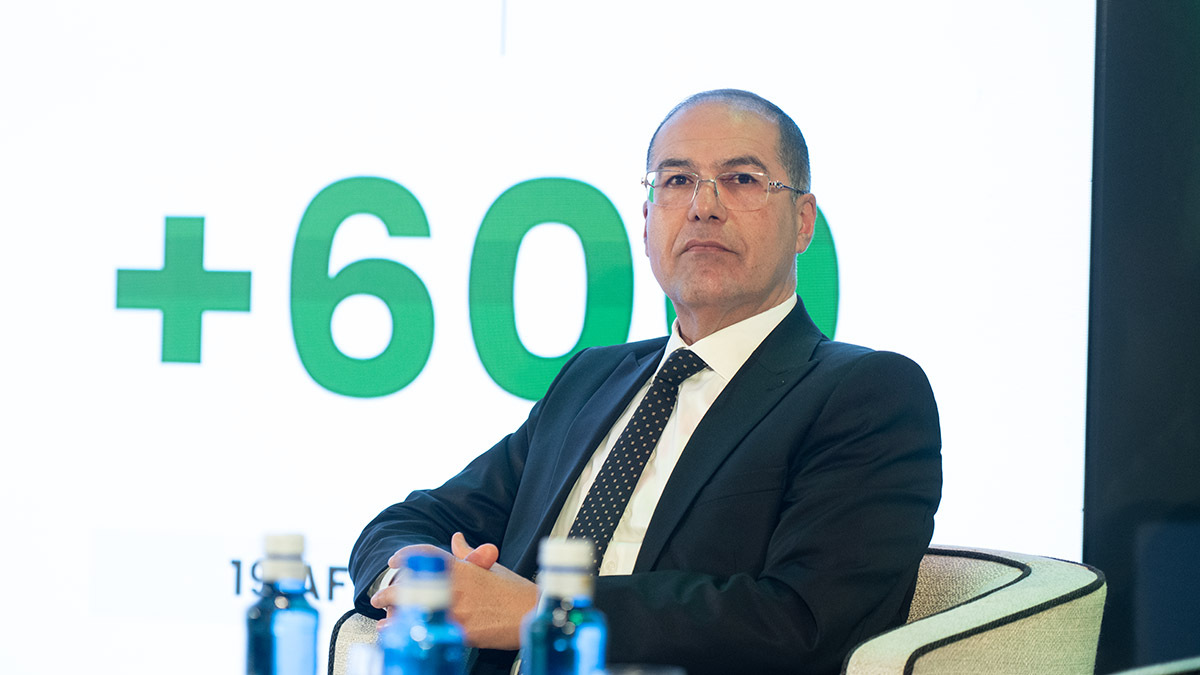
Khalid Safir, Director General of the Caisse de Dépôt et de Gestion (CDG), emphasised, within the framework of the MD Sahara Forum organised in Dajla, the importance of investing in transformation in order to achieve balanced territorial development, not only in the Moroccan Sahara, but throughout the African continent.
According to Safir, the CDG is participating in the national effort to open up the southern territories, as a project of strategic importance led by the port of Dakhla, which will be an industrial, logistical and commercial centre, open to the Atlantic and Africa, strengthening the connectivity of our provinces.
‘With more than 80 billion dirhams and more than 700 projects, the development model for the southern provinces has greatly strengthened the connectivity, attractiveness and inclusion of these Moroccan territories,’ said the director general.
‘Within the framework of a clear vision, integrated, sustainable development that creates opportunities in the service of national cohesion and the Kingdom's openness to Africa, this historic dynamic and this confidence find a natural echo in the mission of the CDG as a public actor in the service of development,’ he added.
Created in 1959, the fundamental role of the CDG is to secure national savings and transform them for the country's development, in a mission of financial but also institutional security, ensuring a lasting impact on the national economy by directing resources towards structural projects that combine economic, social and territorial impact.
‘Our investments promote the creation of value, the generation of employment and the reduction of territorial disparities, while meeting the requirement of responsible profitability driven by patient capital mobilised to increase the attractiveness and improve living conditions in our southern provinces,’ concluded Khalid Safir.
Atlantic Sahara: energy transit between Africa and Europe
Leila Benali, Minister of Energy Transition and Sustainable Development, stated in her participation in the MD Sahara Forum in Dakhla that, thanks to the major visionary energy projects launched under the impetus of King Mohamed VI, ‘the time has come for the Atlantic Sahara to become a strategic corridor of connectivity and openness between the two continents: Africa and Europe.’
According to the minister, the southern provinces have significant energy potential, reaching 1.5 GW of installed capacity in renewable energies, with an investment of more than 20 billion dirhams. In fact, the current plan envisages an additional 1.5 GW by 2030, which will require, in less than five years, capacities greater than those installed over the last twenty years.

In this way, the Moroccan Sahara will reaffirm its vocation as a crossroads of connectivity and exchange between north and south, from Tangier to Port Harcourt, in the service of shared and sustainable development.
"Morocco is on the eve of the effective launch of its sovereign gas infrastructure, which includes the Nador West Med gas import terminal, as well as gas pipelines designed to connect the north and centre of the country (Tangier, Kenitra, Mohammedia) with the major industrial and electrical hubs," said Leila Benali, noting that this infrastructure will be connected to the first phase of the Africa-Atlantic gas pipeline, renamed last December by joint decision of the relevant African ministers.
This dynamic is in addition to the reinforcement of the Morocco-Spain, Morocco-Portugal and Morocco-France interconnections and the future HVDC North-South high-voltage direct current lines, consolidating the Kingdom of Morocco's position as a true energy corridor between Africa and Europe on the one hand, and an instrument of economic and social integration between North and West Africa on the other.