Moroccan youth mobilise in demand for freedom and dignity
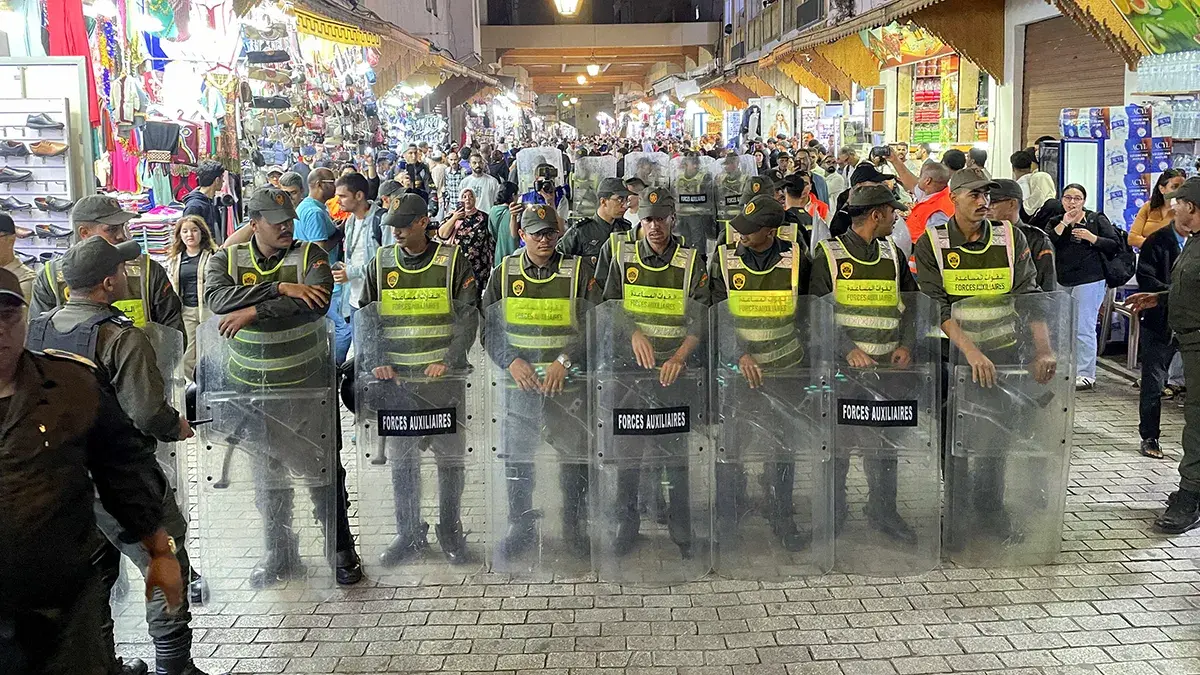
On 27 and 28 September 2025, several cities in Morocco were the scene of demonstrations led by young people from Generation Z. These peaceful demonstrations, initiated by the ‘GENZ 212’ collective, took place in Rabat, Agadir, Casablanca and Marrakesh to highlight the importance of guaranteeing fundamental rights and strengthening development opportunities for Moroccan youth.
This mobilisation brought together hundreds of young people to demand a thorough reform of the education system and the improvement of public health services as two key points of their demands.
Coordinated through youth communication platforms and social networks, the demonstrations have translated into a growing commitment by Moroccan youth to the culture of human rights, defending equity, inclusion and social justice.
However, the intervention of the security forces led to the arrest of dozens of demonstrators, who were gradually released, raising questions about the effectiveness of the state's response.

Today's demands: tomorrow's future
The demonstrations that have taken place on two consecutive days in several Moroccan cities reflect the desire of Moroccan youth to participate in social life and strengthen the community fabric by demanding fundamental rights and real opportunities for development.
Many Moroccan activists committed to youth issues see the demands expressed by ‘Generation Z 212’ as part of a peaceful and legitimate movement that aims to raise its voice to express the aspirations of a strategic segment of society that feels excluded and marginalised in Moroccan society.
According to these activists, this movement seeks to create a genuine space for dialogue between young people and decision-makers, far from traditional political quarrels, in order to put an end to territorial, social and opportunity inequalities, emphasising that today's demands are tomorrow's future for a Morocco with not only national but also continental and global ambitions.

In their list of demands, the protesters prioritise the two major areas of education and public health, stressing that it is time to modernise development approaches that have kept Moroccan youth on the sidelines of political decision-making, especially in remote areas where services remain inadequate.
Activists interviewed by the Moroccan digital newspaper Hespress insist that these demands reflect the needs of a new generation seeking equal opportunities, especially in terms of learning, employment and decent living conditions.
In this regard, participants have emphasised, on the one hand, the need for access to quality education and vocational training programmes that respond to the demands of the labour market. On the other hand, they have highlighted the importance of promoting employment opportunities and supporting entrepreneurship to ensure the development of skills in line with the specificities of their respective communities.

At the same time, health and well-being are among the priority demands expressed by the protesters, who are calling for accessible, quality health services for the entire population.
In a context marked by social stress that is likely to increase pressure, Generation Z has called for the creation of effective channels for citizen participation that allow young people to actively contribute to the construction of their communities and to decision-making that affects their future.
Therefore, in order to avoid a real social time bomb with serious consequences, according to statements made by Moroccan activists to the Moroccan press, priority must be given to a policy of communication and a real understanding of their problems, in order to resolve the issue of the lack of investment and employment opportunities for young people who feel excluded from the country's major projects.
Amidst the protests, he highlights the importance of addressing the social and educational difficulties faced by young people, guaranteeing equal opportunities and a fair environment that reinforces their ambitions. The university housing crisis is one of the obstacles that pushes many of them to give up their dreams.

What is Generation Z in Morocco?
After the so-called millennials or Generation Y (1981-1996), young people born in Morocco, as in other parts of the world, between the late 1990s and early 2010s, who are now between 15 and 30 years old, gave rise to Generation Z.
Generation Z has gone from being a mere sociological definition describing the first digital natives to becoming strong voices on social media, which is also their main source of information. It is a social and political reality that has gone beyond social media to reach the streets, passing through schools and universities, in order to make a difference in the Moroccan public debate.
Although these young people are distinguished by a language different from that of their parents and grandparents, they maintain their fundamental aspirations to live a dignified life in a Morocco of freedom and social justice. In the era of screens that marks their relationship with technology, digital networks and freedom of expression without filters, Generation Z's struggle is now being expressed on the ground through mobilisations reminiscent of the struggles of past generations.
As a generation that is neither idealised nor demonised, these young people take to the streets to demand an accessible healthcare system, employment, a decent life, justice, dignity and democracy; to say that the future of young people and the country cannot be gambled away. They therefore need to be heard, respected and supported in order to ensure the realisation of the vision of a welfare state that protects the rights of citizens and guarantees them a dignified life.
Response from the state
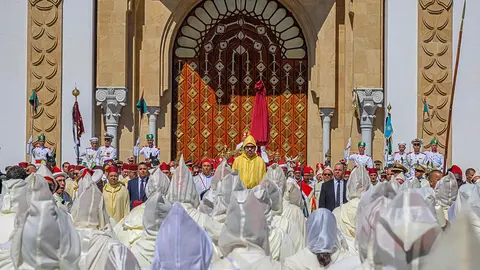
In response to these demonstrations, the Moroccan state has opted for a security approach, confronting the mobilisations with the forces of law and order, which has been criticised by Moroccan activists participating in this social movement, who have denounced the arrests of some demonstrators during the days of protest.
Dozens of young people have been detained, and groups of young people have been prevented from gathering at various locations in the centre of Rabat. The president of the Rabat branch of the Moroccan Association for Human Rights (AMDH) reported on Sunday that there had been more than 100 arrests in Rabat and dozens more in Casablanca, Marrakesh, Agadir and Souk Sebt.
These arrests have been condemned not only by the AMDH, but also by other Moroccan human rights organisations and two opposition parties: the Justice Party and the Federation of the Democratic Left.
According to Moroccan analysts, responsibility is reflected in two missions: on the one hand, listening to and integrating these demands into a dynamic of serious and realistic reforms; on the other hand, protecting society from radical discourses that seek to pit the state against its citizens.
Neither repression nor denial and neglect are solutions. The remedy is to adopt an approach based on trust, active listening and concrete action capable of transforming this youthful anger into constructive energy for the Morocco of tomorrow.
The organisers reaffirm that only ‘courageous action, capable of responding to the expectations of young people, can ensure a better future and restore confidence in the future of Morocco’. In this regard, the choice lies with the state, but also with society as a whole, giving priority to investing in this youth before losing it, as it is the human capital and the true treasure of the nation.