Morocco chosen as host for Interpol's 93rd General Assembly

Morocco's commitment to defence and cross-border security initiatives has been key to the International Criminal Police Organisation (Interpol) choosing the city of Marrakesh as the venue for its 93rd General Assembly on 24-27 November.
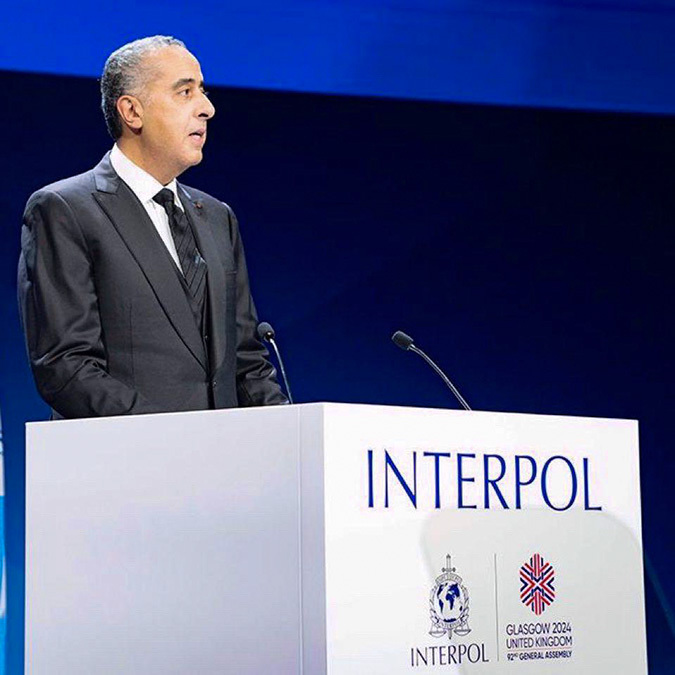
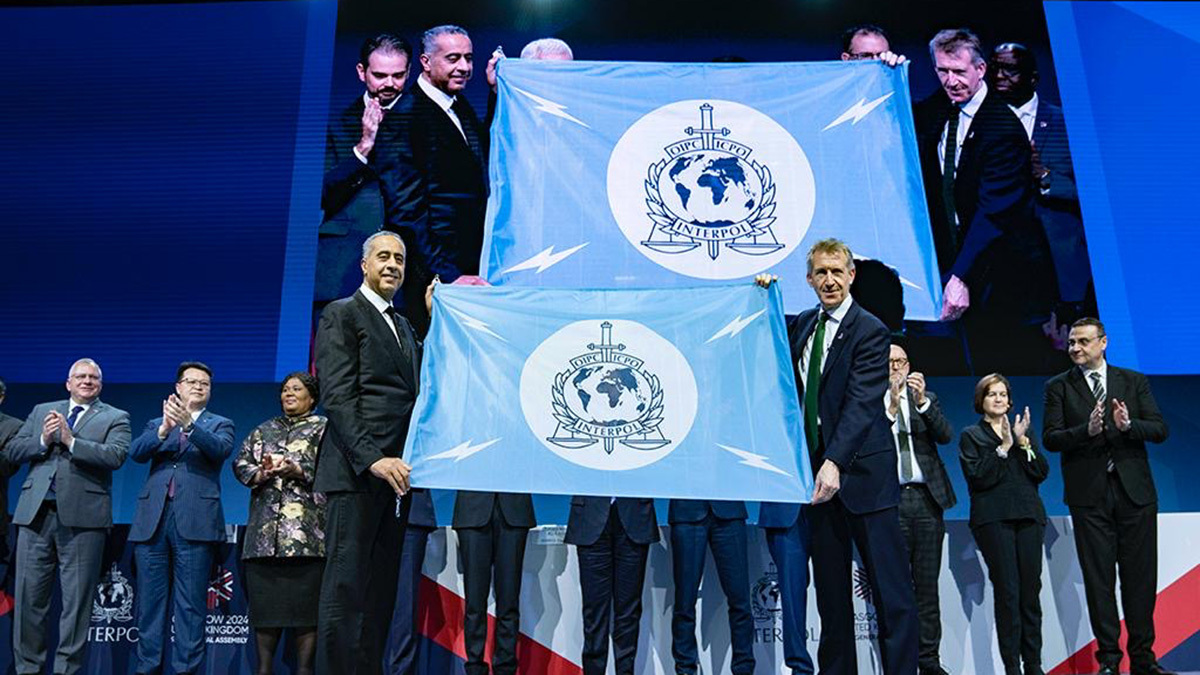
In a video broadcast during the last session in Glasgow, Scotland, Interpol highlighted the choice of Marrakech due to its historic track record in the fight against organised crime. During the four days of the session, Interpol will present an evaluation report on the new tool dedicated exclusively to the detection and tracking of assets stolen by criminals: silver rulings.
A highly anticipated device
Since the presentation of the first pilot report on 10 January, Interpol has been working, at the request of Italian national security, to improve investigative work on the seizure of assets from organised crime organisations specialising in financial crime.
The organisation points out that ‘the fight against financial crime has been one of Interpol's official priorities since the mid-2000s’. However, it was not until 2015 that the influx of financial crimes began to grow exponentially.
Despite this, it was not until the 91st session held in Vienna (Austria) in 2022 that Interpol decided to take action on the matter by approving the ‘silver rulings’ project, for which a two-year deadline was set.
Promoting and encouraging international cooperation
The entry into force of the silver rulings will make it easier for Interpol to prevent financial crimes and seize assets extracted by various criminal organisations.
The organisation emphasised that the main functions will be to locate, identify, collect and track assets stolen by the numerous organisations operating around the world.
In its early stages, the project will not have the capacity to act, but will serve to support international cooperation between the various intelligence centres.
The final blow to asset confiscation
Analysts present at the Vienna and Glasgow Assembly have determined that the main support for these new rulings submitted to Interpol will be the streamlining of processes. As an argument, the analysts presented the case of the more than $500 million owned by Nigerian dictator Sani Abacha, which had to wait more than six years to be returned to Nigeria from the British Riggs Bank.
To avoid similar situations, the silver rulings will be given the power to be sent to all 196 Interpol member countries. Previously, such rulings were sent to each country individually.
In this context, the General Assembly to be held in Marrakesh from 24 to 27 November hopes to enshrine the application of silver rulings in order to simplify and speed up this new instrument.