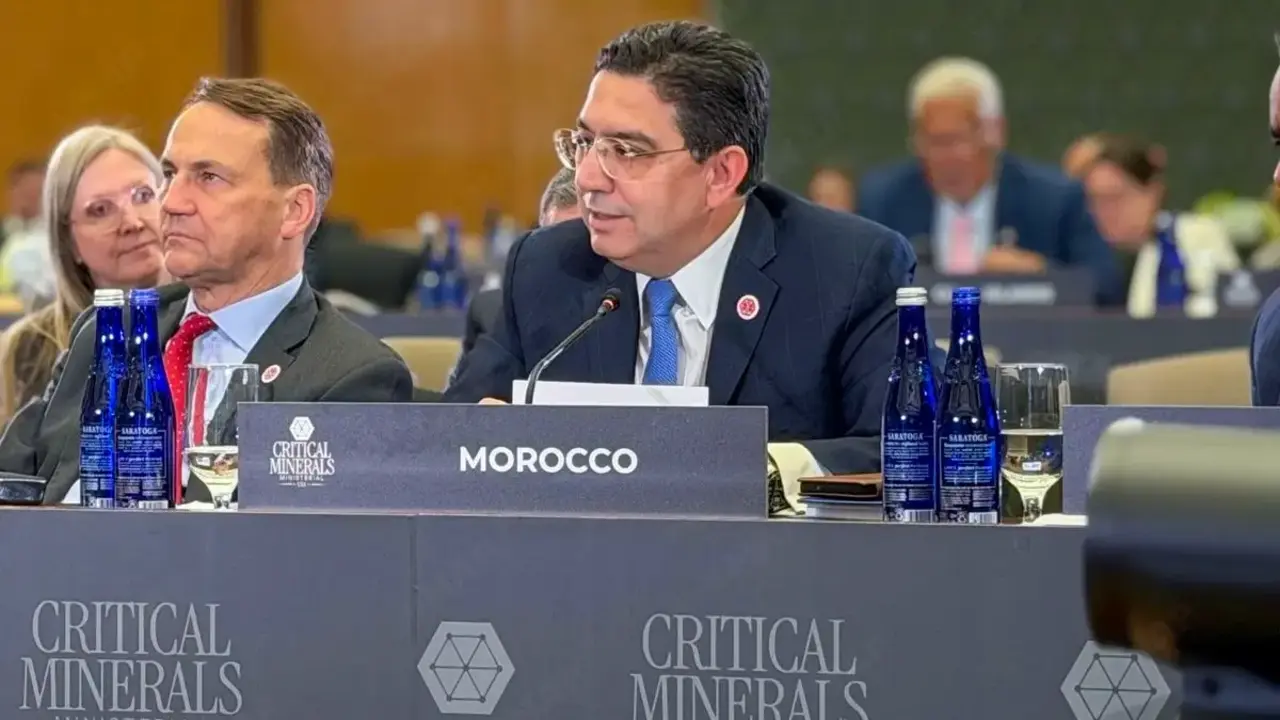
Morocco joins dialogue on the delimitation of its maritime borders with Spain
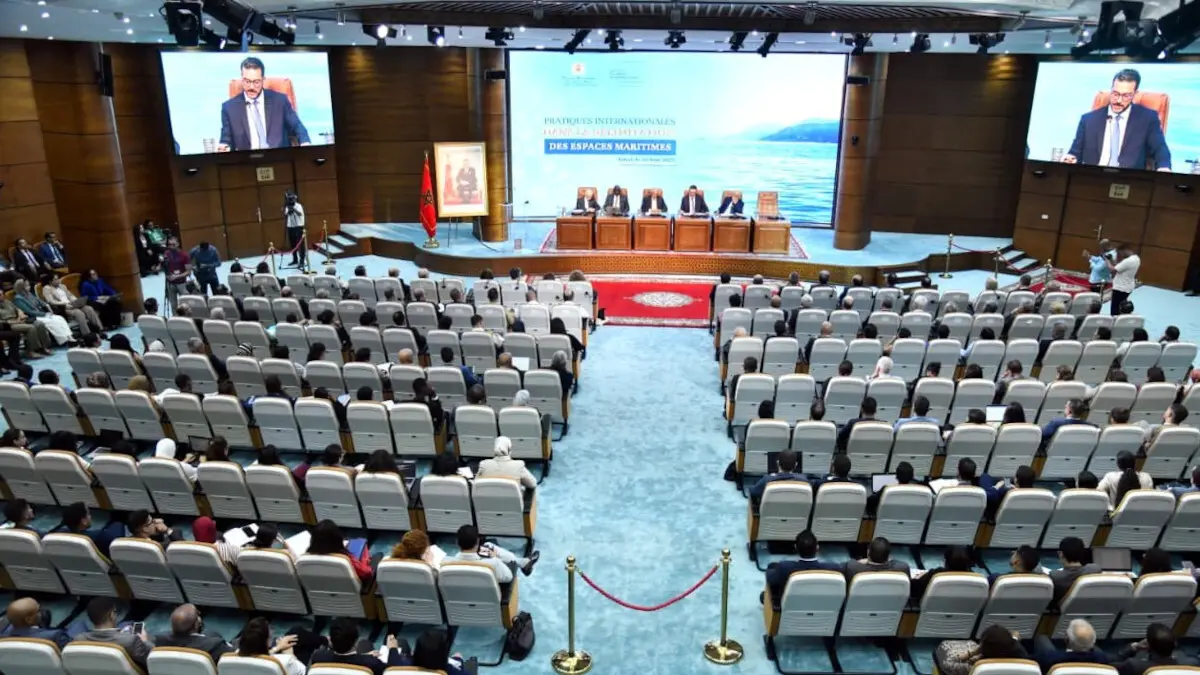
At a conference on international maritime law held on 26 August in Rabat, the Minister of Foreign Affairs, African Cooperation and Moroccans Abroad, Nasser Bourita, explained Morocco's maritime vision and its adherence to international law, including the 1982 United Nations Convention on the Law of the Sea.
With the maritime borders between Spain and Morocco still to be established, the North African country has opted for dialogue to demarcate maritime borders. In 2022, the two countries adopted a roadmap that addresses the issue of maritime borders among other aspects of bilateral cooperation.
Spain and Morocco agreed to reactivate the working group on the delimitation of Atlantic maritime areas, expressing their firm commitment to achieving progress in this area without losing sight of the common interests of both parties.
Maritime cooperation
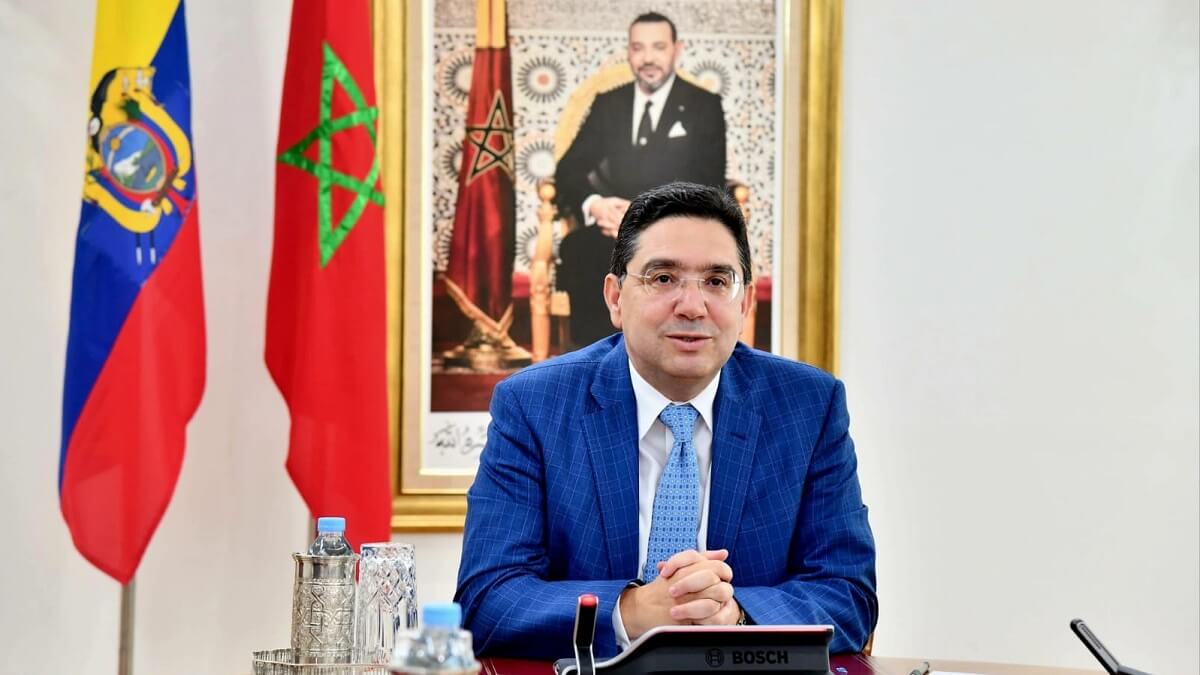
Foreign Minister Nasser Bourita reiterated Morocco's commitment to territorial unity, legal legitimacy and the rejection of unilateralism in the delimitation of maritime borders.
Bourita stated that ‘maritime cooperation reflects the maturity of the strategic partnership between the two countries and Morocco always adheres to dialogue’, citing as an example the delimitation with Spain in both the Mediterranean and the Atlantic. This is an issue that is being negotiated in a spirit of good neighbourliness, transparency and mutual interest, according to the minister.
In this regard, Bourita recalled Morocco's maritime vision expressed in King Mohammed VI's speech on the 48th anniversary of the Green March in 2023, which presented a maritime cooperation strategy as a fundamental pillar for the country's development and continental projection.
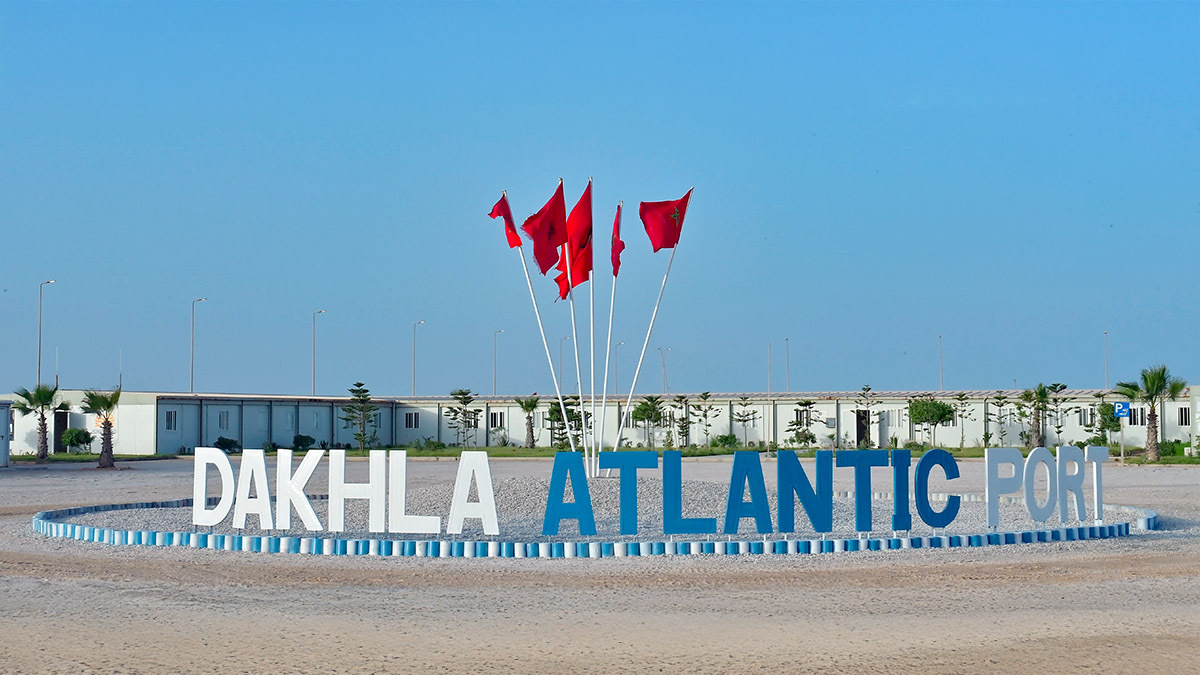
The royal vision for maritime borders seeks to enhance the value of the maritime space as a hub for integration, especially with Africa. Internally, this vision translates into the promotion of the blue economy, the development of ports such as Tangier Med and the future Dakhla Atlantic port, as well as the reconstitution of a national maritime transport fleet.
At the same time, this roadmap is manifested at the international level in initiatives such as the Africa-Atlantic gas pipeline project as an example of Morocco's vision of regional cooperation, the Rabat Process on Atlantic African States (PEAA), which brings together African countries on the Atlantic coast, and the Royal Atlantic Facade Initiative to facilitate access to the Atlantic for Sahel countries.
In the speech read by his chief of staff, Sami Marrakshi, Bourita listed the stages in the evolution of Morocco's maritime policy since its independence, highlighting milestones such as the creation of the Royal Navy in 1960, the declaration of its territorial waters in 1973, and the adoption of laws on the exclusive economic zone and the continental shelf.
Nasser Bourita called for a reform of ocean governance to adapt it to technological advances, environmental needs and new uses of the sea, reaffirming Morocco's maritime vision as a space for connection and integration managed within the framework of international cooperation and partnership.
Commitment to dialogue
The representatives of Spain and Morocco underlined their countries' commitment to the law of the sea and their rejection of any unilateral measures. Bourita clarified, in this context, that Morocco rejects the imposition of the will of others and refrains from imposing its own will on others.
The Foreign Minister also stressed that Morocco is committed to respecting the principle of dialogue as the basis on which both parties will work to find the appropriate mechanisms to resolve any overlap of their maritime zones.
Taking into account the law of the sea, which advocates negotiations as the appropriate way to manage relations between the two neighbouring countries, both Spain and Morocco are committed to dialogue as a mechanism for demarcating their maritime borders.
Bourita pointed out that the establishment of Moroccan jurisdiction over its entire maritime territory is a sovereign right guaranteed by international law and legislation, recalling that Spain took the same measures in 2010, including for the Canary Islands region, without asking Morocco's permission, just as Morocco has not asked for permission now.
Thus, Spain, having supported since March 2022 the Autonomy Plan for the Sahara proposed by Morocco as the most realistic basis for resolving the Sahara conflict, will negotiate the delimitation of borders with Morocco.
Methods for border delimitation
Within the framework of the maritime border demarcation process, Spain and Morocco defend their respective positions on delimitation methods and criteria, far from any unilateral initiative that could harm the good cooperative relations that both governments have maintained since March 2022.
For its part, Spain has affirmed its willingness to negotiate an equitable solution based on international law and equidistance. According to Article 7 of UNCLOS, this method of equidistance is the procedure for establishing a median line between two adjacent or opposite coasts. It is a line whose points are equidistant from the points closest to the baselines.
Spain's position on equidistance is clearly reflected in the legal texts relating to its maritime areas. In fact, Spain has always opted for equidistance as the method for drawing the boundaries of territorial waters in 1977, the fisheries protection zone and the EEZ in 1997.
In the case of Morocco, the median line is a method of delimitation with neighbouring countries whose coasts face or border on the Moroccan coast, either in territorial waters (12 miles) or the exclusive fishing zone (70 miles).
In addition to the equidistance method, Morocco has also opted for the principle of equity, reiterating the position it expressed at the third conference on the law of the sea within the group of countries that defend equity (group of 29 Schengen countries), but without doing so at the expense of the median line.
Pending the delimitation of maritime borders, Spain and Morocco are called upon to collaborate and establish mechanisms for the exploitation and control of Atlantic maritime spaces. The aim of this cooperation is to defend the geostrategic and economic interests of the two neighbours.