Morocco to invest nearly €5.5 billion in improving its water infrastructure
The Moroccan Ministry of Equipment and Water presents its investment plan for 2026, which highlights the priority of guaranteeing water supply to the regions

- 2026 investment plan
- Priority: the Water Programme
- The Eastern region, the main beneficiary
- Other regions
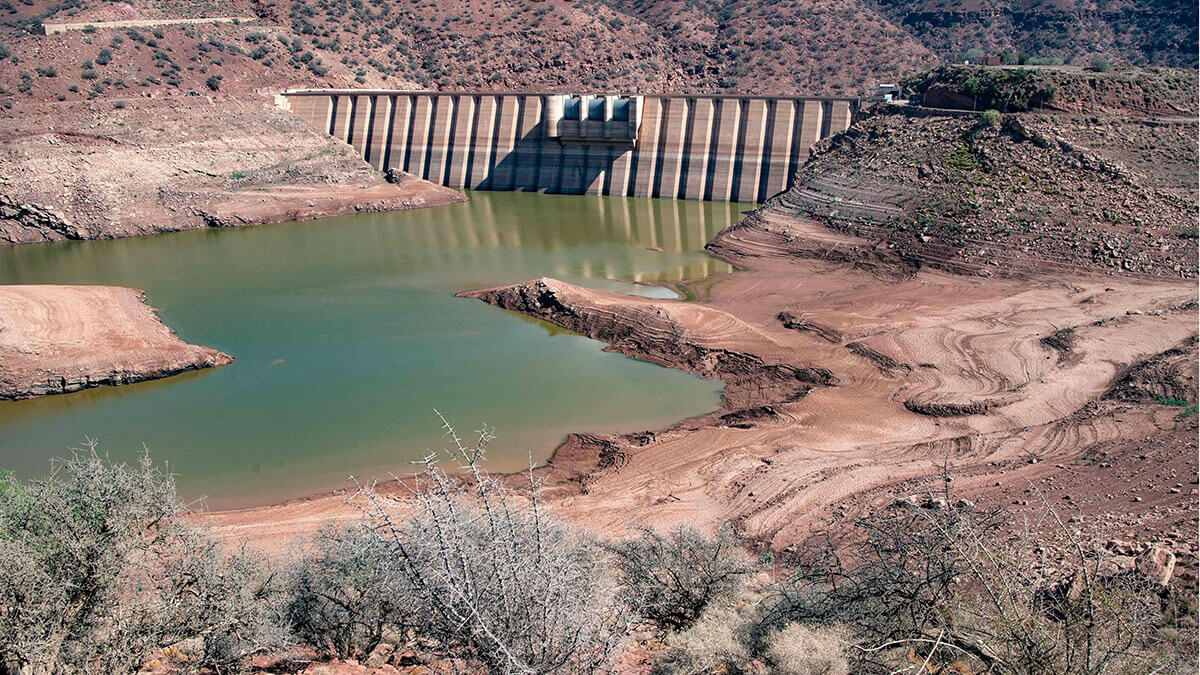
The supply of water to both citizens and the agricultural sector has been one of Morocco's strategic priorities in recent years, as persistent droughts have exacerbated the situation in several regions of the country.
In this regard, King Mohammed VI himself has stressed the need to guarantee the supply of drinking water to all corners of the country, placing this issue among the strategic priorities.
2026 investment plan
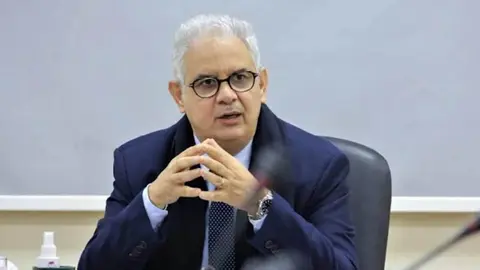
It is therefore not surprising that the Ministry of Equipment and Water, headed by Nizar Baraka, has presented an ambitious investment plan for 2026 to the House of Representatives' Committee on Infrastructure, Energy, Mines and the Environment.
The planned investment amounts to 58.7 billion dirhams (almost 5.5 billion euros), which will be used to modernise strategic infrastructure to ensure water security.
This amount includes 40.45 billion dirhams in commitment appropriations (one-off financing or investment agreements) and nearly 18.32 billion in payment appropriations (periodic monetary payments established by law or contract).
According to information provided by the Ministry of Equipment and Water, of the 58.7 billion dirhams, almost 49.55 billion will be allocated in full to the 12 regions that make up the country. Added to this is the 9.22 billion dirhams allocated by the central services, which completes the total investment.
Priority: the Water Programme
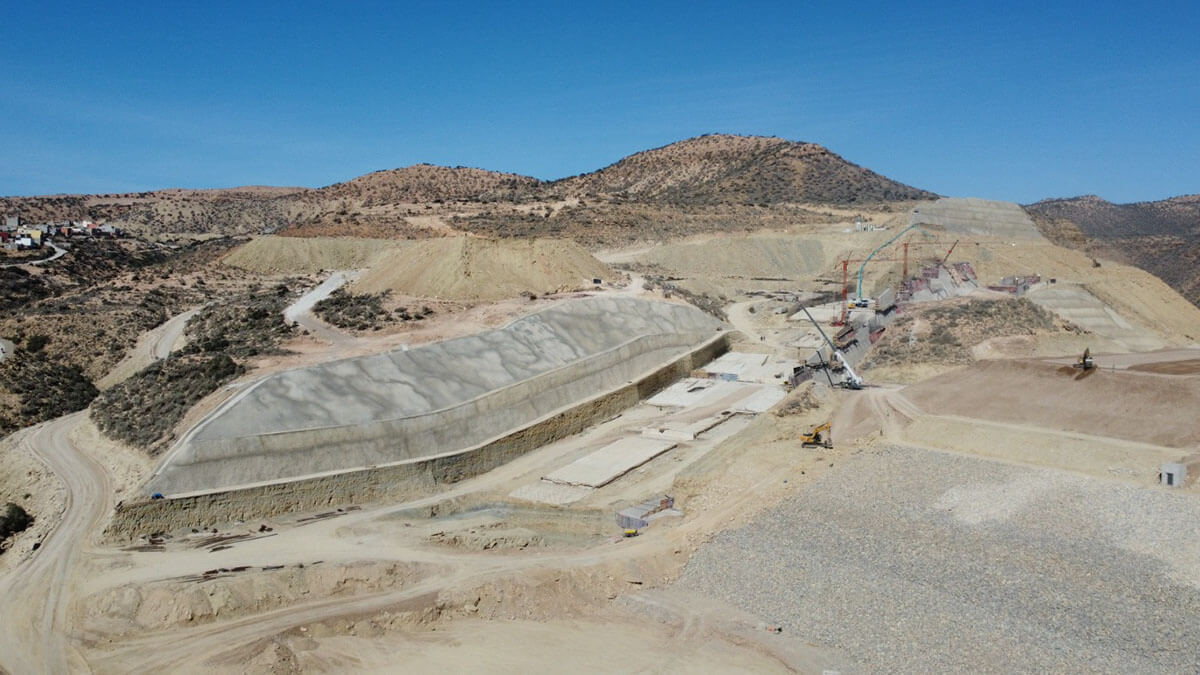
The priority of the budget approved by the House of Representatives is to guarantee the water supply, which is why the programme dedicated to this objective, the Water Programme, accounts for the largest share of the investment: 11.079 billion dirhams, plus an additional 17.15 billion in spending commitments.
Behind this are other programmes such as the Roads Programme, with a budget of 3.981 billion dirhams, plus 16.208 billion in future expenditure commitments, which will be used to expand the road network and continue with infrastructure projects.
For its part, the Ports Programme has an allocation of 6.975 billion dirhams, plus 2.891 billion in spending commitments, to support ambitious projects underway on both the Atlantic and Mediterranean coasts.
Finally, 63 million dirhams will be allocated to the Meteorology Programme, plus an additional 51 million in expenditure commitments, which will be used to modernise forecasting and warning systems.
The Eastern region, the main beneficiary
In terms of the regional distribution of investments, the plan presented by the Ministry of Equipment and Water will focus most of its efforts on the Eastern region of Morocco, followed by Tangier-Tetouan-Al Hoceima and Dakhla.
The investment in the Eastern region will exceed 11 billion dirhams, which will be used to undertake major infrastructure projects, such as the 104-kilometre motorway between Guercif and Nador, which completes the road access to the new Mediterranean port of Nador.
Water-related projects in the Eastern region will receive a total of 1.75 billion dirhams in investments, aimed at strengthening the water supply by raising the Mohamed V dam in Taourirt, one of the oldest in the country, which supplies water to the city of Nador.
Water-related projects are another important component, with allocations of 1.35 billion dirhams in commitment appropriations and 1.4 billion dirhams in payment appropriations. This significant financial effort aims to strengthen the water supply, mainly by raising the Mohammed V dam (Taourirt); completing the Beni Azimane dam, southwest of Driouch; commissioning several smaller dams in the region; and consolidating various flood protection projects.
The second region that will receive the most investment from the Ministry of Equipment and Water in 2026 is Tangier-Tetouan-Al Hoceima, with around 9.34 billion dirhams, mainly dedicated to water infrastructure.
The northern region of Morocco, one of the most economically vibrant in the country, needs to supplement its current infrastructure with several dams to ensure water supply to a growing population.
Added to this will be some 1.565 billion dirhams to be invested in new road infrastructure to meet the logistical needs of a region that is home to an increasing number of industries and companies from various sectors.
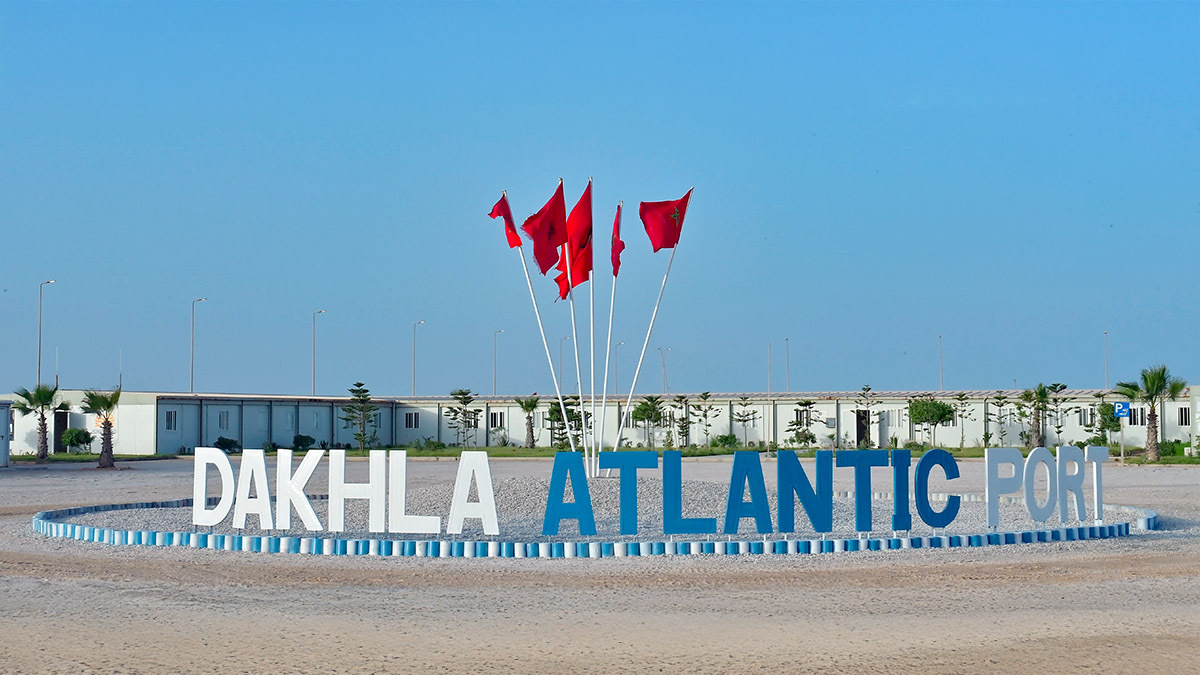
Third in terms of investment is the southern region of Dakhla-Oued Eddahab, which will receive around 8.75 billion dirhams. In this case, most of the investment will go towards the region's flagship infrastructure project, which will be the catalyst for its economic revitalisation: the Atlantic Port of Dakhla.
A total of 8.62 billion dirhams, almost the entire budget, will be allocated to this project. The Atlantic Port of Dakhla, which is approximately halfway through construction, will play a key role in the economy of the southern provinces, replicating the successful model that Morocco implemented in the northern region with the Port of Tangier Med, which has become the leading port in the Mediterranean and on the African continent.
Other regions
Behind it is the Fez-Meknes region, with more than 6 billion dirhams, of which water-related programmes will receive 3.88 billion, with the rest going to roads.
The Souss-Massa region will receive investments worth 2.553 billion dirhams to accelerate ongoing water projects.
The Béni Mellal-Khénifra region will receive investments of 3.5 billion dirhams, also focused mainly on the water sector.
The regions of Casablanca-Settat (2.8 billion dirhams), Marrakech-Safi (2.15 billion) and Rabat-Salé-Kénitra (1.72 billion) share significant investments dedicated to water and road infrastructure.
On the other hand, the regions of Laâyoune-Sakia El Hamra (166 million dirhams), Draâ-Tafilalet (618.82 million) and Guelmim-Oued Noun (613.97 million) receive the least investment, which is aimed at facilitating and improving access to drinking water in these arid areas.