Al-Sharaa highlights Saudi Arabia's strategic role in rebuilding Syria
- Saudi Arabia's role in rebuilding Syria
- Ahmed al-Sharaa's speech at the Future Investment Initiative
- Investment hopes in Riyadh
- Investment pledges from Saudi Arabia
- Syria's diplomatic visits and international relations
- Ahmed al-Sharaa's political transformation
- Seeking international investment for Syria
- Energy agreement and reconstruction costs
- Syria as a strategic trade corridor
- International sanctions and refugee return
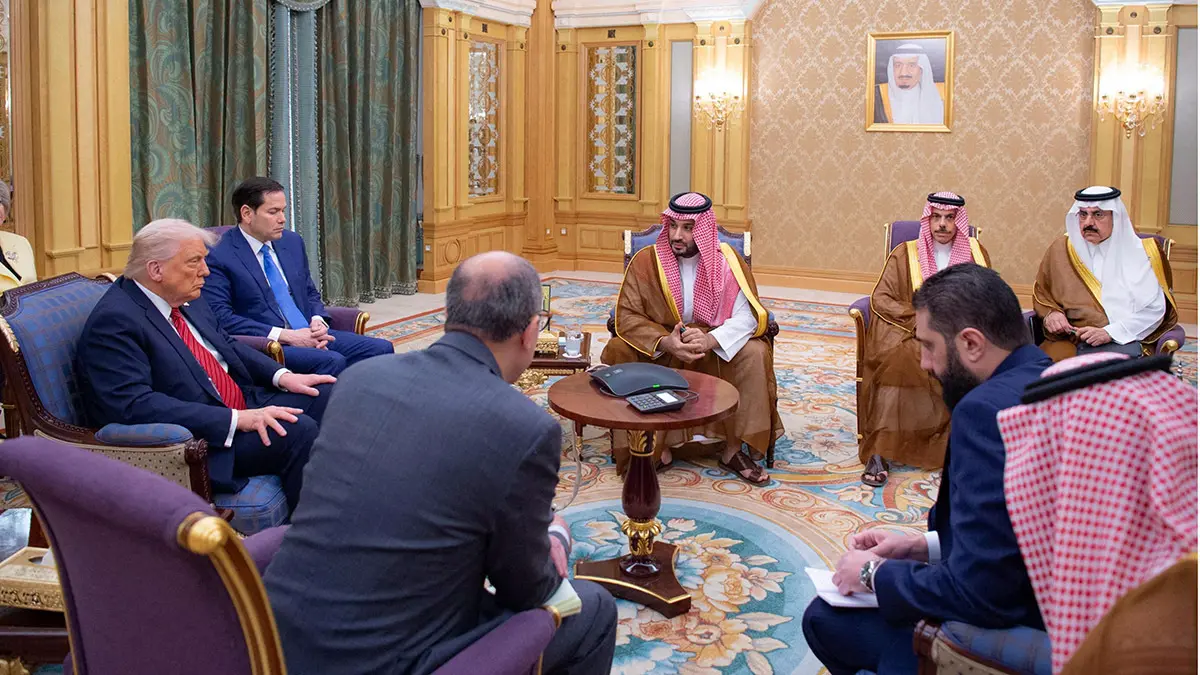
Saudi Arabia's role in rebuilding Syria
Saudi Arabia may play a key role in Syria's reconstruction and future.
Speaking at the Future Investment Initiative event in Riyadh, Syrian President Ahmed al-Sharaa highlighted the ‘key role’ that Saudi Arabia could play in rebuilding Syria after the civil war, while presenting his country's potential to global investors.
Ahmed al-Sharaa's speech at the Future Investment Initiative
Syria's interim president struck a neoliberal tone in his speech to attendees at Saudi Arabia's premier financial event, promoting his country as a trade corridor that is poised to receive even more than the $28 billion in foreign investment that he said it had attracted this year.
‘We chose the path of reconstruction through investment; we did not choose the path of rebuilding Syria through aid and assistance,’ Ahmed al-Sharaa said at the Future Investment Initiative in Riyadh.
‘We do not want Syria to be a burden on anyone. We want to build Syria ourselves.’
‘The opportunity in Syria is huge and there is room for everyone,’ he added in an attempt to reassure potential investors at the conference.

Investment hopes in Riyadh
But Al-Sharaa left no doubt that, in coming to Riyadh, he was placing most of his hopes in Saudi Arabia's goodwill to help revive his country's battered economy.
On stage, he pointed to the conference theme, ‘the key to prosperity,’ and said Saudi Arabia was ‘the key’ to investment in the country, prompting applause from the crowd and a broad smile from Saudi Crown Prince Mohammed bin Salman, who was sitting in the front row.
Investment pledges from Saudi Arabia
In July, Saudi Arabia pledged more than 6 billion dollars in investments for Syria, including 2.93 billion dollars for real estate and infrastructure projects and about 1.07 billion dollars for the telecommunications and information technology sector.
A Syrian delegation, comprising its ministers of economy, finance and telecommunications, visited Riyadh.
Riyadh has emerged as one of the main sponsors of Al-Sharaa, who was born in Saudi Arabia and whose action to overthrow Bashar al-Assad on 8 December cut off Iran's long-standing Shiite presence in Syria.
Syria's diplomatic visits and international relations
Since assuming the interim presidency of Syria, Al-Sharaa has made a series of trips abroad as his transitional government seeks to re-establish Syria's ties with the world powers that turned their backs on Damascus during Al-Assad's rule.
In May, Riyadh hosted a historic meeting between the Saudi crown prince and US President Donald Trump, who praised Al-Sharaa and said Washington would lift all sanctions against Syria to help give the country a chance to rebuild.

Ahmed al-Sharaa's political transformation
Al-Sharaa's transformation seemed complete with his attendance at the Riyadh event. Just a few years ago, an appearance on stage by this radical Syrian Islamist figure before world leaders in finance, banking and energy would have been unthinkable.
Before Bashar al-Assad was overthrown in 2024, Al-Sharaa was at one point the commander of Al-Qaeda in Syria during its civil war.
Now, the new Syrian president is meeting with international figures in Riyadh, including FIFA President Gianni Infantino, and took selfies with admirers as he walked through the conference hall on Tuesday and Wednesday.
Seeking international investment for Syria
With the new regime widely accepted by the international community, Damascus is seeking even greater investment than that already promised by the powerful Gulf countries, Qatar and Saudi Arabia. Al-Sharaa said his government is in talks with countries such as Kuwait, Bahrain, Jordan and Turkey about new investments.
In May, Syria signed a £7 billion energy deal with a consortium of Qatari, Turkish and American companies in an attempt to revive its paralysed electricity sector.
Energy agreement and reconstruction costs
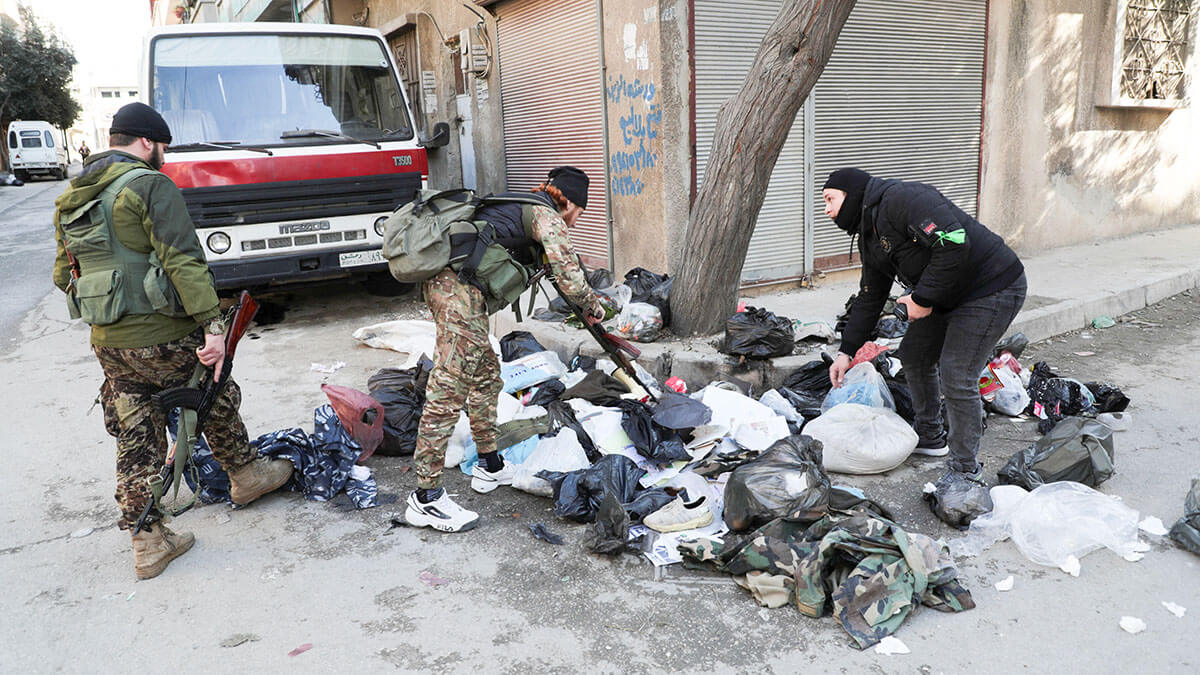
A World Bank report predicted that the cost of rebuilding Syria would amount to 216 billion dollars, clarifying that the figure was a ‘conservative estimate’.
Syria as a strategic trade corridor
'Syria will become a vital trade corridor for the transport of goods. The world is currently facing insecurity in supply chains between East and West, and also in gas supply chains to Europe,' Al-Sharaa said.
He assured potential investors that Syria's laws had been amended so that they could repatriate most of their capital and profits.
International sanctions and refugee return
Despite Trump's promise and the numerous exemptions now granted to Syria, the toughest sanctions, known as Caesar sanctions, require repeal by the US Congress.
US lawmakers have been divided on the issue, but are expected to make a decision before the end of the year.
While Syria has already attracted international interest in major development projects, a full repeal is expected to generate greater appetite for investment.
Meanwhile, more than one million Syrian refugees have already returned from abroad and almost twice that number have returned to their places of origin after being displaced within the country, according to UN figures.