Spain strengthens its commitment to cooperation with Morocco in the face of the changing terrorist threat
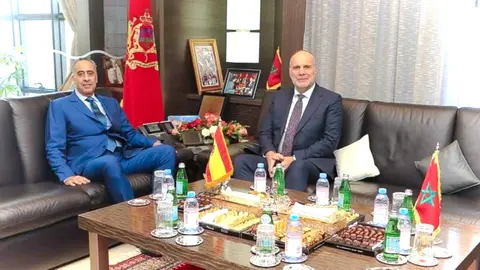
Collaboration with Morocco was presented as a key element in this comprehensive approach
- Extremism and radicalisation in the digital environment
- Trust and operational cooperation between Spain and Morocco
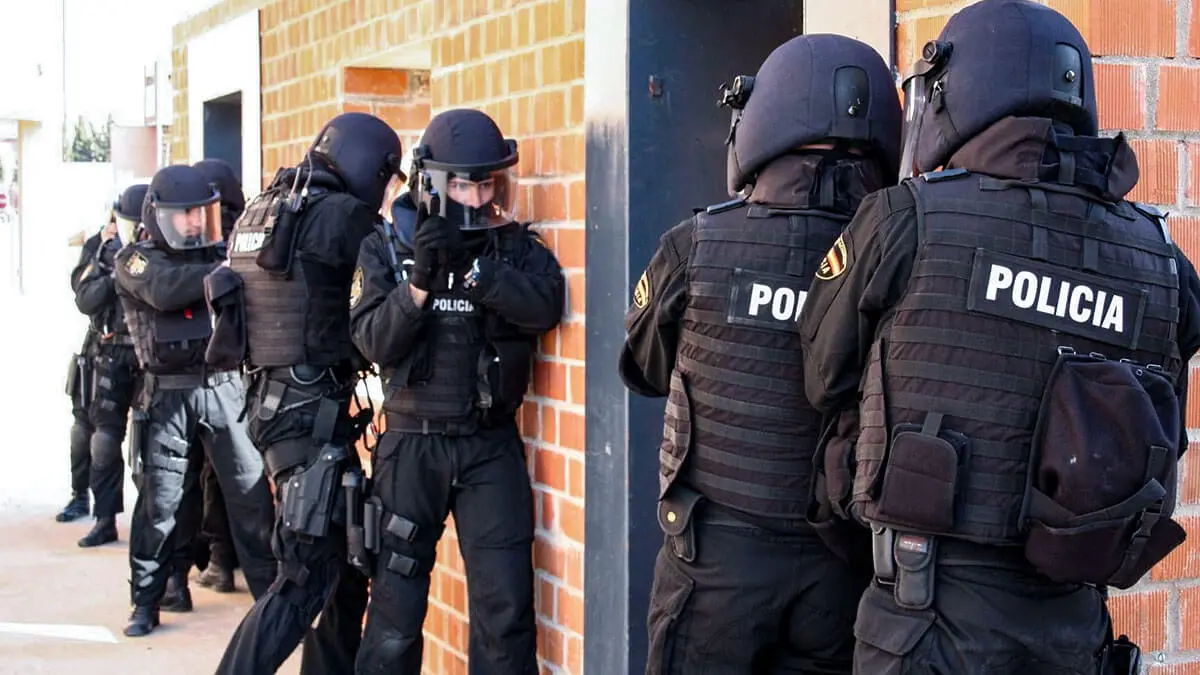
The relationship between Spain and Morocco in terms of security is essential for both countries to face today's challenges. In these times, where threats, especially terrorism, are changing rapidly, geographical proximity and shared history are the basis for stability in the region.
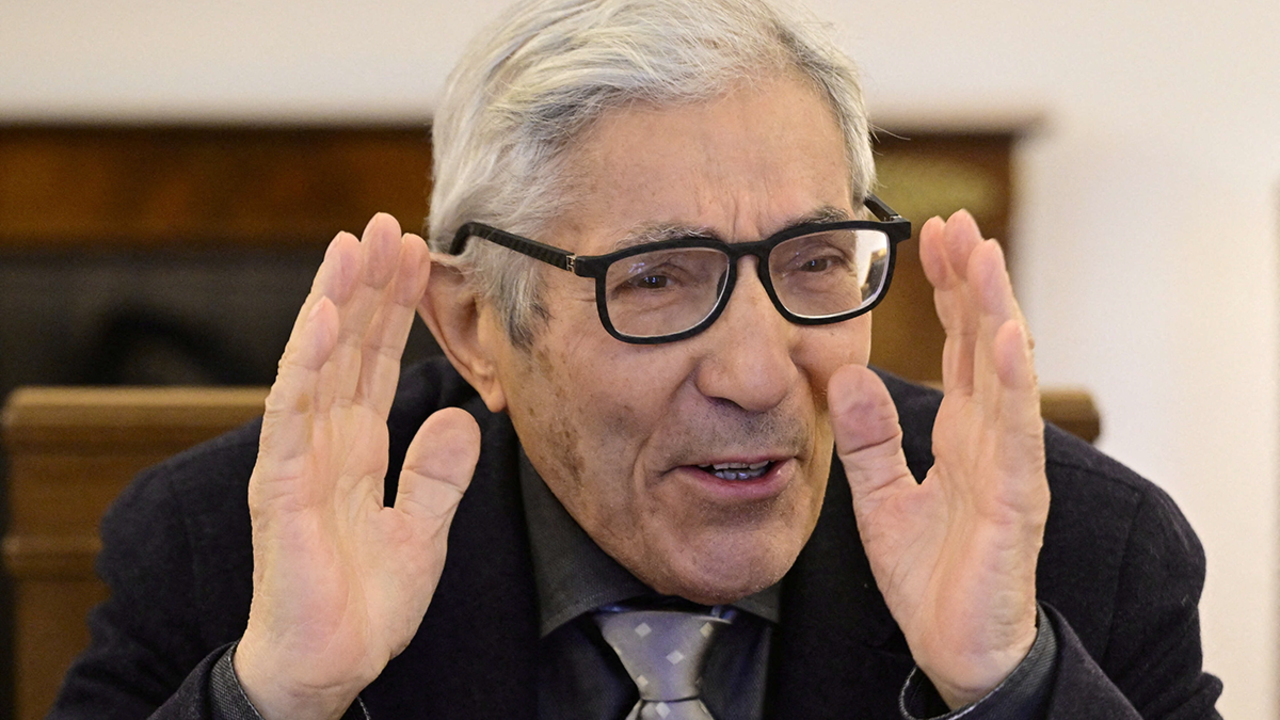
Terrorism, particularly jihadist terrorism, has changed significantly, becoming increasingly sophisticated. It now feeds on online messages and the radicalisation of people who, in most cases, have never been involved in a war. Javier Marín, from the Spanish Ministry of the Interior and director of the Centre for the Fight against Terrorism and Organised Crime, has said that the threat is constantly changing.
‘We are no longer dealing with organisations with fixed structures working in the shadows; we are now facing dispersed groups, people who become radicalised on their own and who soak up extremist ideas on the internet, or even individuals acting on their own, influenced by propaganda circulating around the world,’ he said.
Extremism and radicalisation in the digital environment
New recruitment spaces and mixed response
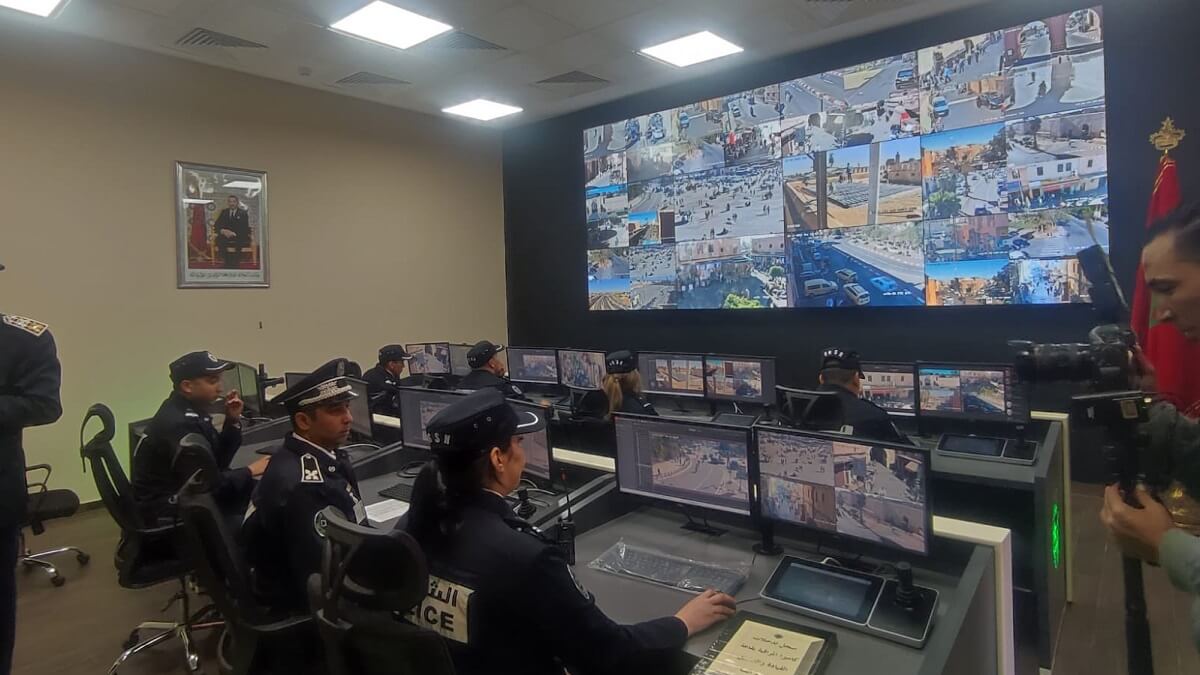
The seriousness with which radicalisation in the digital world has been taken is a growing concern, especially with the growth of social media. Previously, certain meeting places were the key sites for indoctrination, but now online forums, video games, social media and virtual communities have become the new spaces where people are recruited.
This ‘extremism via the internet’ calls for a response that combines traditional intelligence with the ability to be attentive to what is happening in the digital world. In other words, a balanced mix of methods is needed.
The amount of extremist material that is removed each year only confirms the seriousness of the problem. It is not just a matter of numbers; it is a reflection of the fact that the threat is real and constant.
Trust and operational cooperation between Spain and Morocco
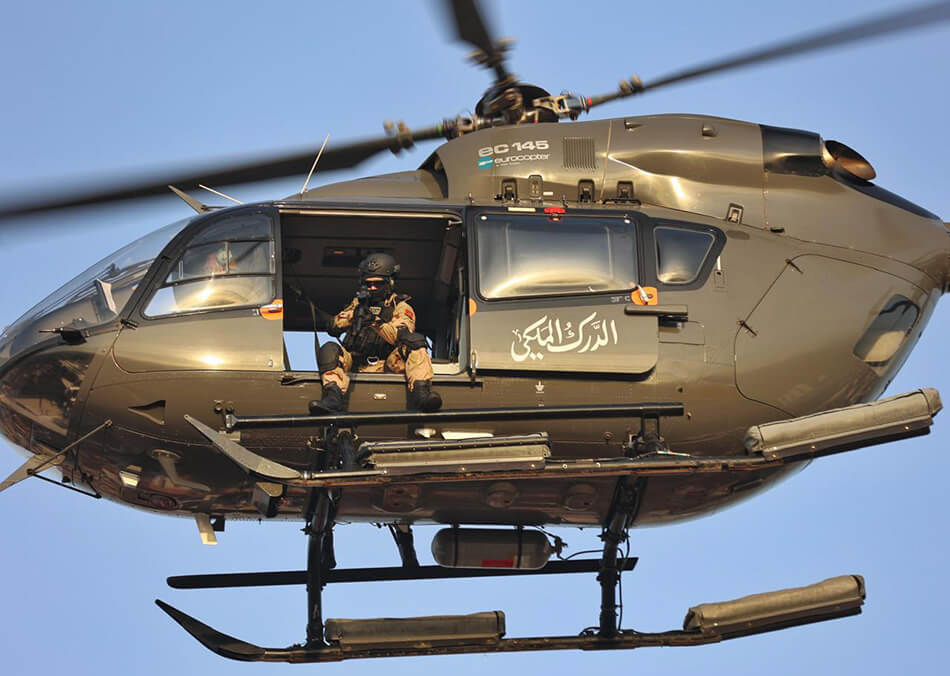
Trust is a cornerstone here. The trust that has grown between the two countries has made it possible to stop those who seek to sow terror not only in the Mediterranean, but throughout Europe. It is silent work, often invisible, but of tremendous importance. The fact that attacks have been prevented is a clear sign that this collaboration works and is effective.
From Madrid's perspective, the work of the Moroccan security services, their knowledge of the terrain and their presence in such a complex area is extremely valuable. We must consider how delicate the geopolitics of North Africa are; any slight imbalance there can have repercussions in southern Europe.
And if we add to this the number of conflicts that are latent there, the constant migratory flows and the increase in armed groups in the Sahel region, collaboration between Spain and Morocco becomes even more crucial. That is why prevention is not an option, it is an obligation.