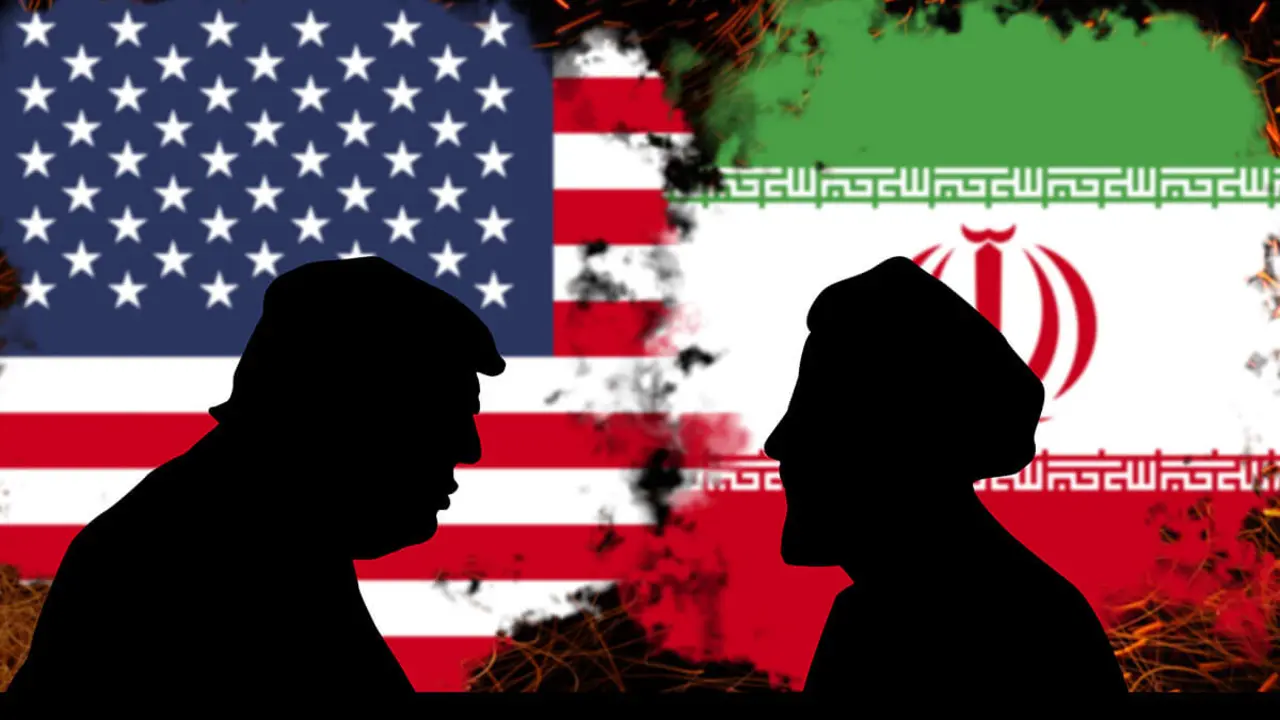
The UN endorses Morocco's Autonomy Plan, marking a historic turning point in the Sahara conflict
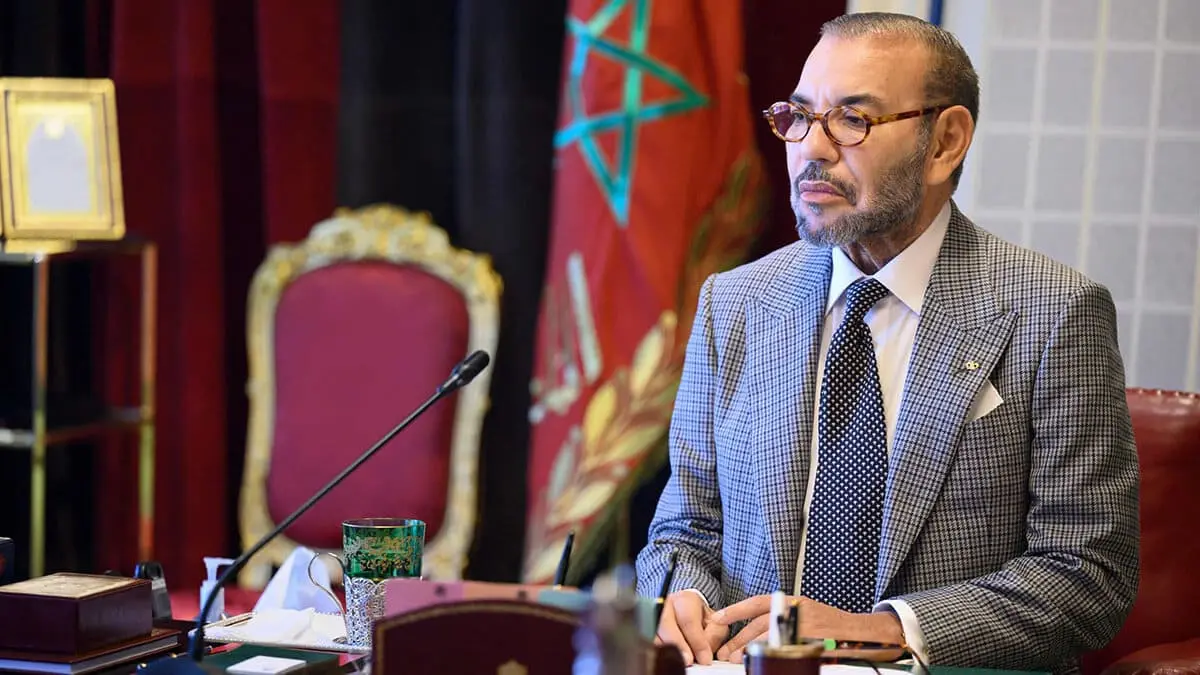
- The resolution reinforces sovereignty and consolidates Moroccan autonomy
- The UN resolution and its significance
- Mohamed VI: from diplomacy to territorial vision
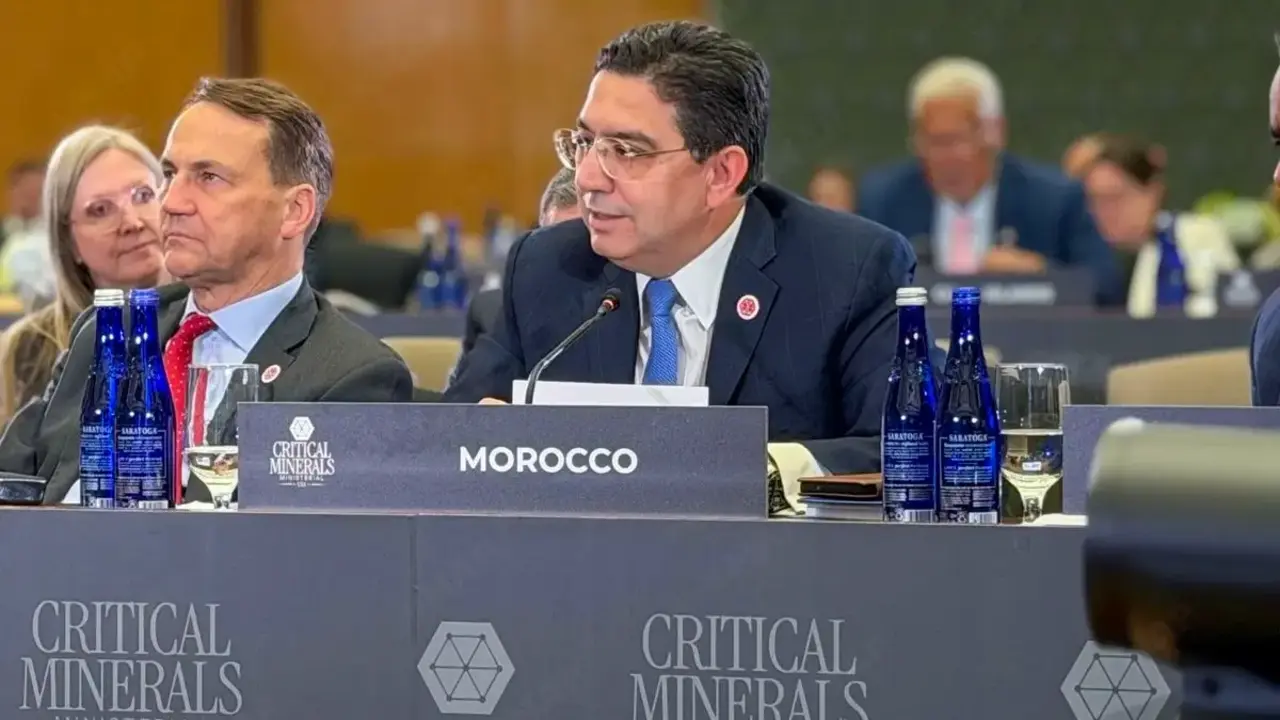
- Nasser Bourita: the consolidation of a state project
- Current data and trends in Moroccan politics
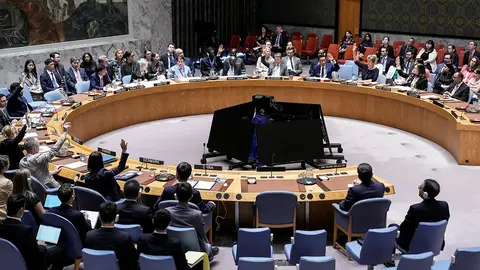
The United Nations Security Council stated on Friday that genuine autonomy for Western Sahara under Moroccan control ‘could be the most effective option’ for resolving the conflict that has persisted for 50 years.
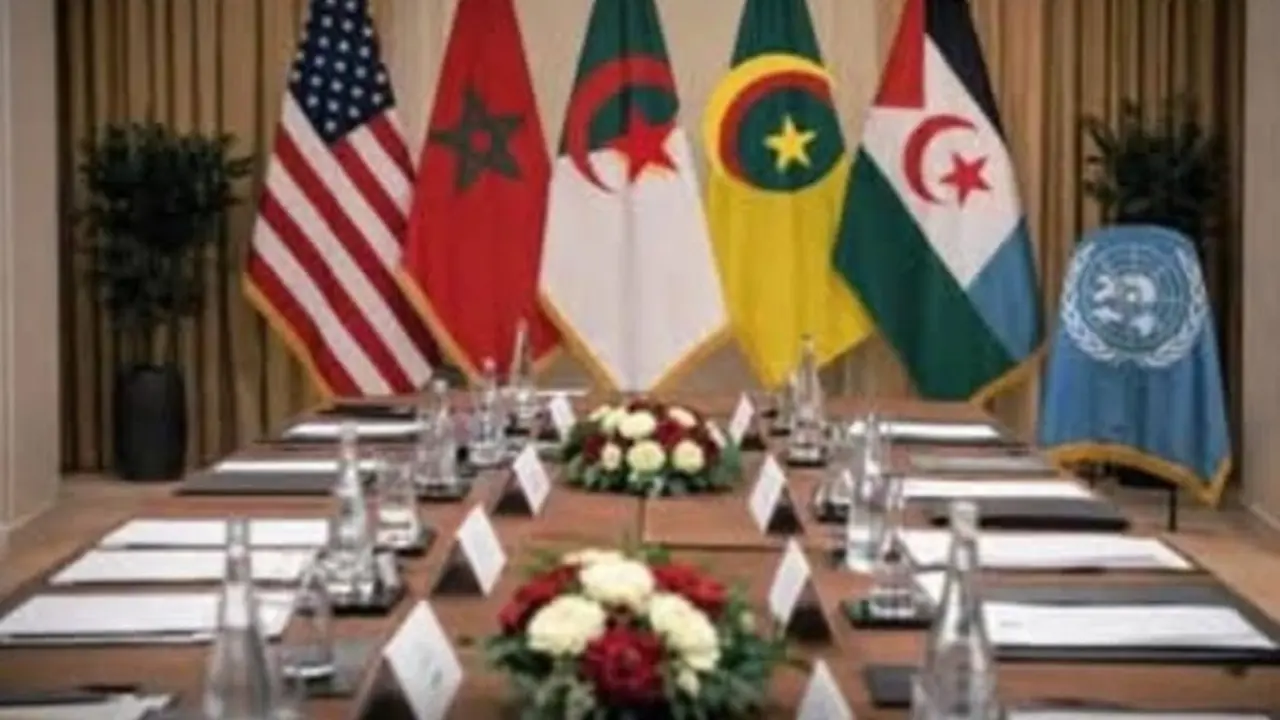
The UN Security Council has called on the parties involved to begin negotiations based on an autonomy plan that Morocco first presented to the UN in 2007. Morocco considers the territory to be its own and is in conflict with the Polisario Front, which is supported by Algeria and seeks to establish an independent state.
Russia, China and Pakistan abstained, while Algeria did not vote.The other 11 members of the Council supported the resolution, which has also extended the mandate of the UN peacekeeping mission in Western Sahara, known as MINURSO, for one year.

This success is seen as the culmination of the efforts for peace and stability promoted by Mohammed VI, who for years has led a diplomatic, political and social strategy to ensure the integration of the Sahrawi provinces and peace in the region.
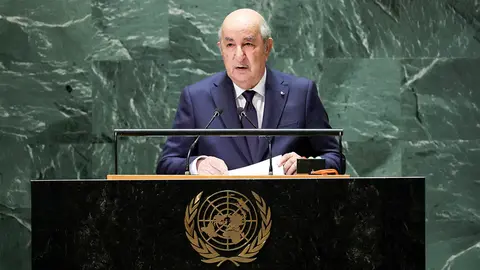
International support, led by the United States and backed by France, the United Kingdom and other non-permanent members, places Morocco in a leadership role at the global level. This support recognises autonomy within Moroccan sovereignty as the most practical and appropriate option for resolving a conflict that has lasted for more than fifty years.
The resolution reinforces sovereignty and consolidates Moroccan autonomy
Despite attempts by Algeria to amend the text, the UN resolution was passed virtually unchanged. The changes made were purely cosmetic, leaving the substance untouched: the plan for autonomy under Moroccan sovereignty is recognised as the main solution and the only viable one for resolving the dispute in Western Sahara.
This approval marks a historic turning point. For the first time, the UN Security Council explicitly recognises Morocco's sovereignty over Western Sahara as the legitimate framework for achieving a lasting solution. The preamble to the resolution highlights the support of numerous States for the Moroccan autonomy proposal presented in 2007, considering it the basis for a fair and acceptable solution for all parties.
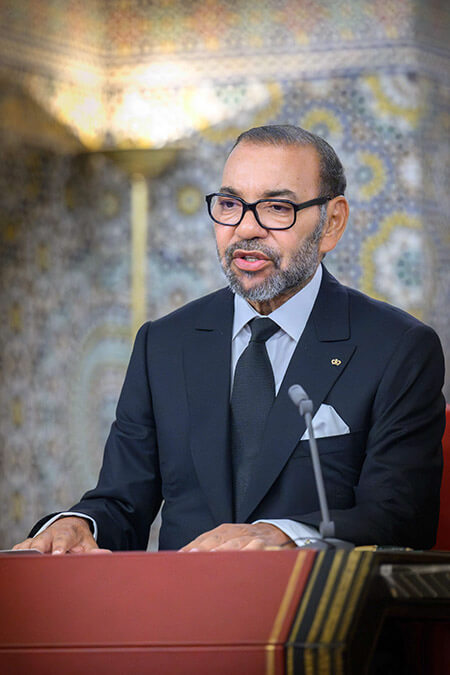
Furthermore, the Council urges the UN Secretary-General and his Personal Envoy to conduct negotiations in accordance with this proposal, setting aside the option of a referendum on self-determination. In other words, any future proposal must fit within the framework of Moroccan sovereignty in order to be considered viable.
This triumph is, in many ways, the result of years of effort by Mohamed VI, who has worked patiently and strategically to ensure the integration of the Sahrawi provinces and maintain peace in the region.
The fact that Algeria chose not to participate in the vote reinforces the perception that international consensus clearly favours Morocco. The abstention of Russia, China and Pakistan, with no votes against, consolidates this trend: the Moroccan autonomy proposal is emerging as the only globally recognised path forward.
Ultimately, this historic resolution reflects the culmination of Moroccan diplomacy and international cooperation: a coordinated effort combining political vision, intelligent negotiation and state consolidation, led by Mohamed VI and executed with precision by Foreign Minister Nasser Bourita.
🇲🇦🇺🇳#FLASH| Adoption du draft final en résolution
— Morocco Intel (@MoroccoIntel) October 31, 2025
11 Vote pour ✅
Etats-Unis 🇺🇸
France 🇫🇷
Royaume-Uni 🇬🇧
Corée du Sud 🇰🇷
Danemark 🇩🇰
Slovénie 🇸🇮
Grèce 🇬🇷
Guyana 🇬🇾
Sierra Leone 🇸🇱
Somalie 🇸🇴
Panama 🇵🇦
0 vote Contre ❌
3 vote abstention
Russie 🇷🇺
Pakistan 🇵🇰… https://t.co/1TjaUhWe8A pic.twitter.com/noAwkU2qcV
The UN resolution and its significance
The Security Council's decision endorses Morocco's autonomy as the most effective option for resolving the conflict, while extending the mandate of MINURSO. Although it continues to urge dialogue between the parties involved, its approach favours the Moroccan proposal, which represents a notable diplomatic success. This international support transforms the Autonomy Plan into the basis for a political and administrative process that guarantees stability in the region and reinforces national sovereignty.
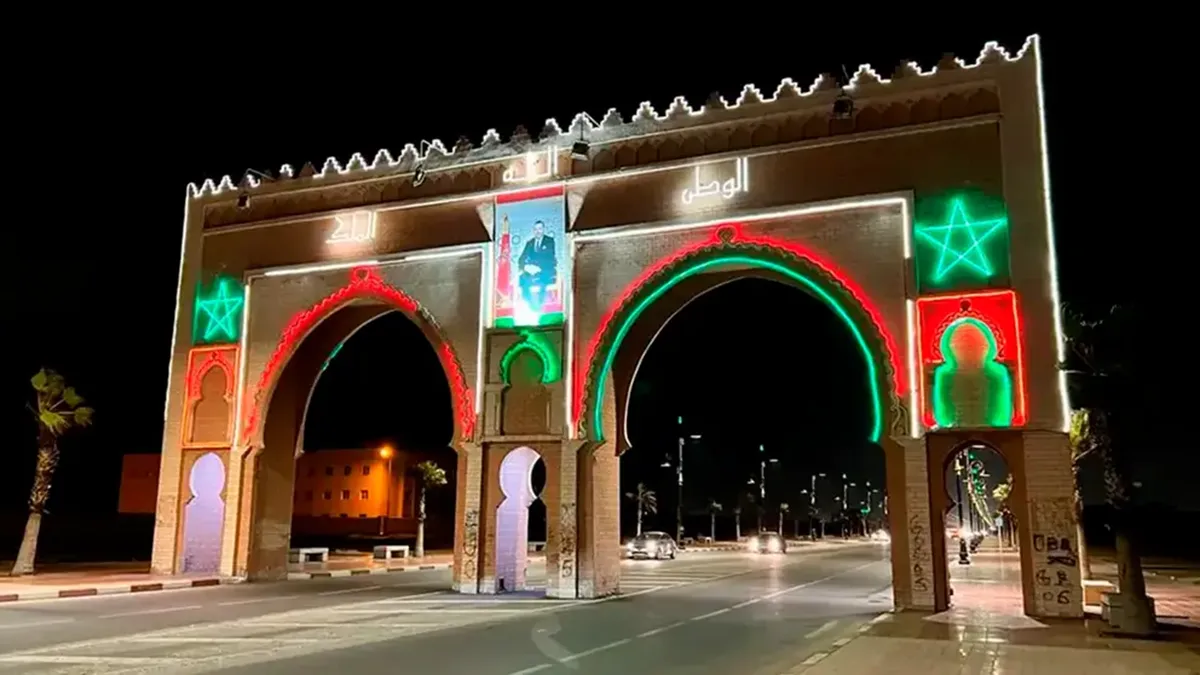
Beyond its legal relevance, the resolution implies a clear recognition of the perspective of Mohamed VI, who has designed a strategy that combines diplomacy, development and territorial reconciliation. The inclusion of the provinces of the Sahara in this model of autonomy is presented as an example of stability that not only strengthens internal peace, but also promotes security and collaboration in the region.
The effect of this policy is that, in the report on the UN vote, it also translates into an impact of ‘reinforcing inclusion and development’ that gives the Moroccan state maximum legitimacy. Morocco is, the narrative teaches, a country that includes and also provides development opportunities for its citizens.
The historic vote at the UN represents the culmination of a process that began with the vision of King Mohammed VI and was consolidated by the intelligent diplomacy of Nasser Bourita, the action of the state and the confidence of the private sector.
Mohamed VI: from diplomacy to territorial vision
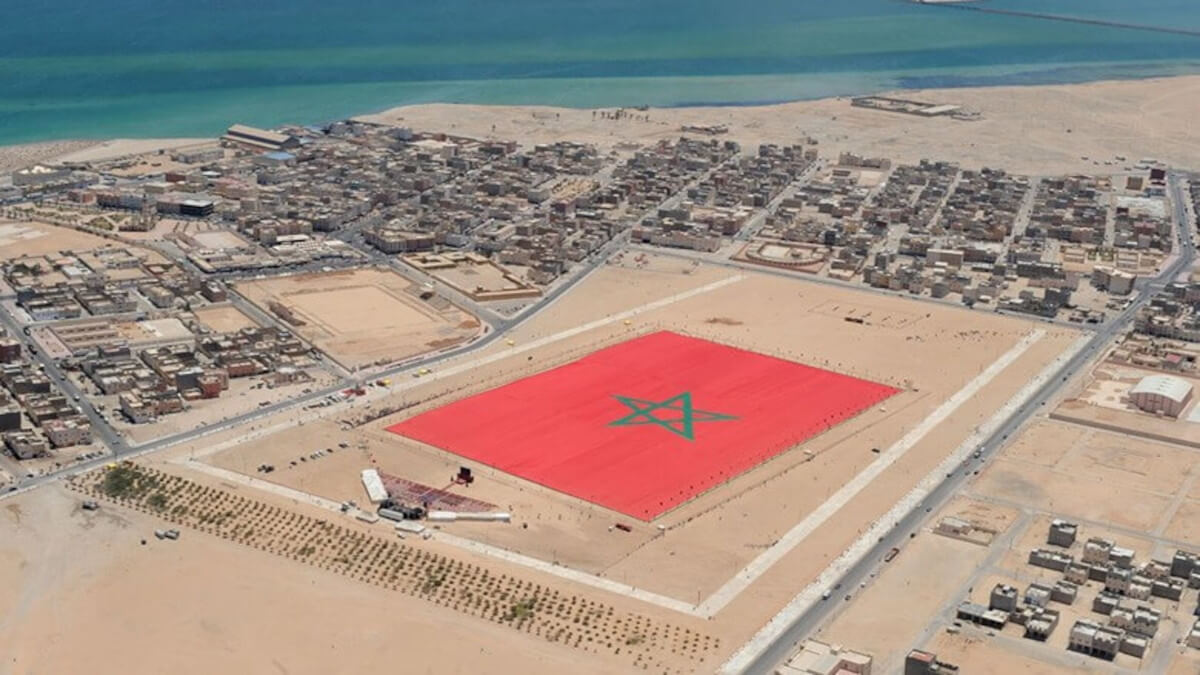
Since his accession to the throne, King Mohamed VI has conceived of the Sahara not only as a territorial issue, but as a pillar of national unity and a driver of continental development.
This achievement is the result of a strategy spanning nearly two decades, articulated by the monarch around firm diplomacy, a modern economy and a clear geostrategic vision to fully integrate the Southern Provinces into the national and African dynamic.
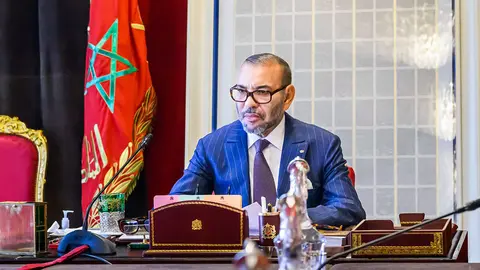
The UN vote is international confirmation of this vision: sovereignty based on stability, development and inclusion.
For Morocco, the global support for the Autonomy Plan is not only a political recognition, but also the legitimisation of a management model that the monarch has promoted with patience, diplomacy and realism.
Nasser Bourita: the consolidation of a state project
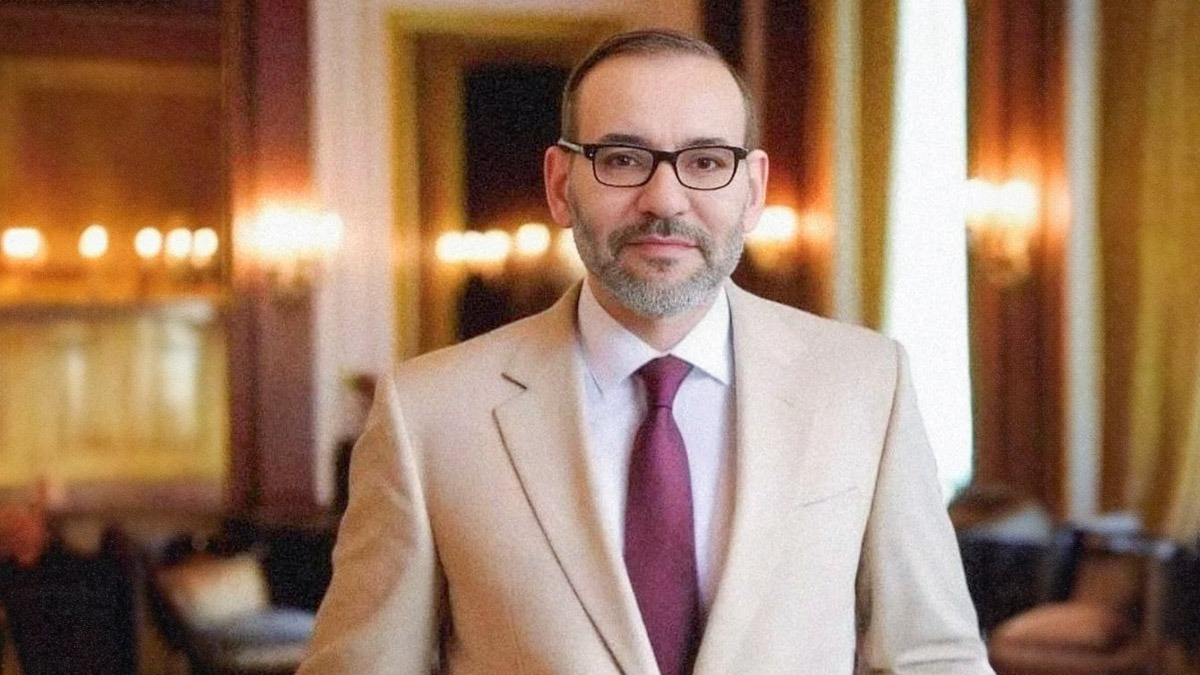
Minister Nasser Bourita has played a key role in consolidating a state project that combines diplomacy and internal development. His strategic approach has enabled Morocco to successfully position itself on the international stage, gaining solid support for its plan in the southern provinces. This synergy between foreign policy and regional growth has opened up new possibilities for stability and progress in a historically complex area.
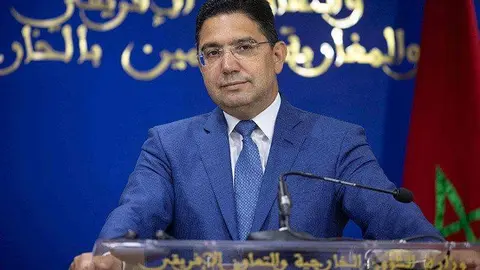
This active and discreet diplomatic strategy, led by Bourita, has forged solid alliances with global powers such as the United States, France and the United Kingdom, as well as with key countries in Africa, Latin America and the Arab world.
These international relations are based on a project that goes beyond confrontation and focuses on practical and lasting solutions, supported both within and outside Moroccan territory. Bourita has become the key figure in strengthening the country's image, both bilaterally and multilaterally.

Current data and trends in Moroccan politics
In recent years, Morocco has made significant progress in implementing a state project that combines regional development with efficient diplomacy. Investments in the Southern Provinces have materialised in infrastructure, improvements in education, health and job creation, which contributes to reducing internal tensions.
At the international level, active diplomacy has secured key support in multilateral organisations and countries with influence in the region. This confirms a consolidated trend in which recognition of the Moroccan plan is based on concrete facts and a well-coordinated diplomatic strategy.
- Investments in the Southern Provinces: increase in infrastructure and service projects.
- Diplomatic recognition: expansion of support from the United States, Europe and African countries.
- Pragmatic approach: preference for practical solutions over political confrontation.
- Integrated vision: close links between domestic and foreign policy to strengthen the state project.
This dynamic, consolidated under the leadership of Nasser Bourita, exemplifies how diplomacy can act as an effective instrument to accompany and strengthen regional development processes, achieving a positive impact on the stability and international projection of Morocco.