The EU redoubles its efforts to successfully face a possible war with Russia in 2030

- An anti-drone wall, monitoring the eastern flank and two shields in the skies
- The transformation of the European defence industry is underway
The European Union has just come through an intense week, in which it has sounded the bugle, stepped up its pace and set to work to ensure that the 27 member states are in a position to deal with possible military action or aggression by Russia on any of its borders before 2030.
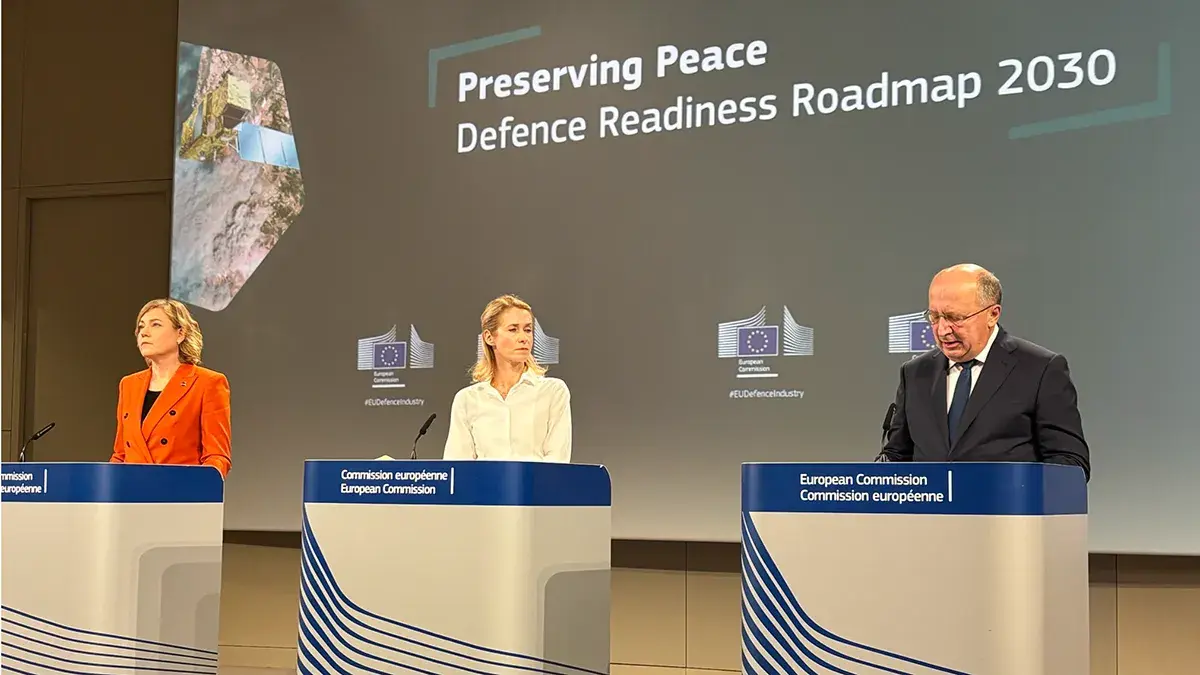
This is essentially what is contained in the so-called "Roadmap for Peace Preservation - Defence Preparedness 2030‘, a plan described as ’comprehensive" to strengthen European defence capabilities, which the High Representative of the Union for Foreign Affairs and Security Policy, Estonia's Kaja Kallas, officially and jointly submitted on 16 October to the European Parliament and the Council, which Denmark will chair until 31 December.
Of course, the document is also addressed to the European Council, the EU institution comprising the 27 heads of state or government of the member states, who are responsible for endorsing the main proposals contained in the roadmap and, in particular, for providing the political guidance necessary to move towards readiness for 2030 through the proposed milestones.

For the President of the European Commission, Germany's Ursula von der Leyen, recent threats ‘have shown that Europe is in danger’, so we must ‘protect every citizen and every square centimetre of our territory and respond with unity, solidarity and determination’.
Estonian Kaja Kallas, also Executive Vice-President for Technological Sovereignty, Security and Democracy, Finnish Henna Virkkunen, and European Commissioner for Defence and Space, Lithuanian Andrius Kubilius, are determined to act jointly and effectively. The chosen path is to ‘move from plans to action’, with a roadmap that sets ‘clear objectives for 2030, identifies areas where rapid and sustained action is required, and establishes tangible collective milestones’, the document states.
An anti-drone wall, monitoring the eastern flank and two shields in the skies
The roadmap raises the need to advance in all areas of defence capabilities, but stresses that ‘there is an urgent need for massive and coordinated investment in pan-European projects that protect Europe as a whole against a range of pressing threats’.
The first four initiatives, which the roadmap groups under the name of Flagship European Preparedness Initiatives, have been selected on the basis that they ‘reinforce each other’ and are ‘focused on benefiting the security of the whole of Europe’. Their purpose is to address identified military capability shortfalls, accelerate defence investment in all countries and, in particular, ‘serve as a guide to full defence readiness by 2030’.
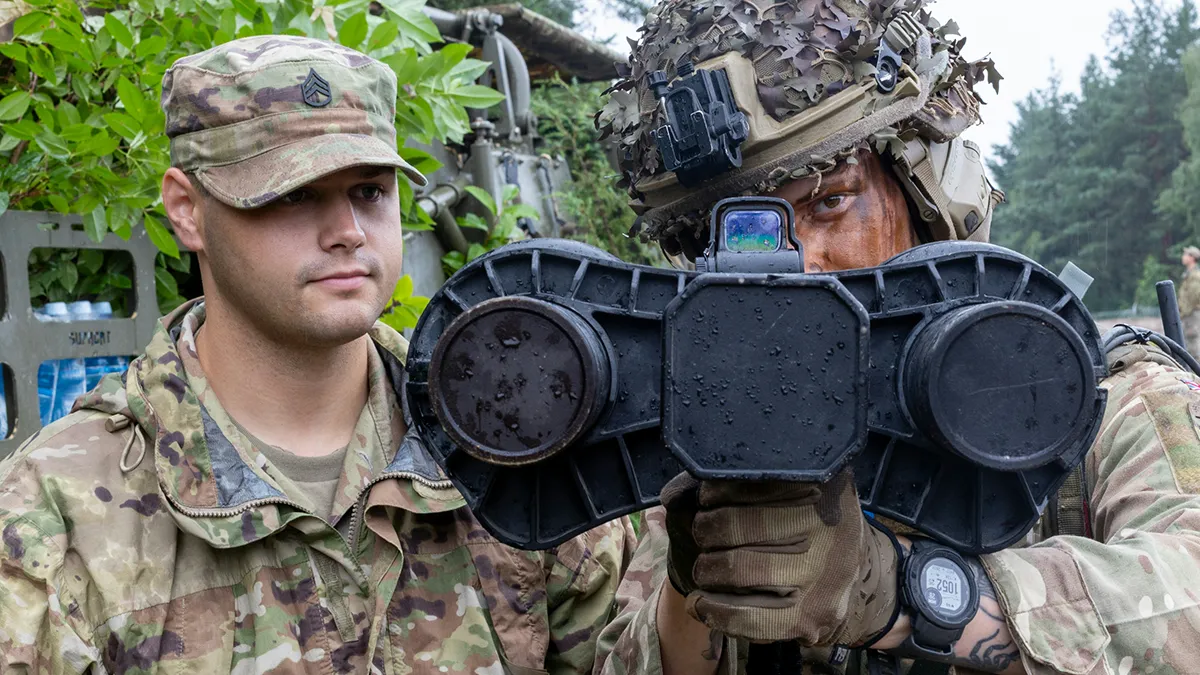
The initial batch of four urgent actions classified as ‘flagship’ initiatives, which set out clear and measurable objectives and milestones to strengthen European defence and, at the same time, support Ukraine, are: the European Defence Initiative against Drones, ‘a wall or network of anti-drone systems to protect the whole of Europe’, as Kubilius emphasised; Eastern Flank Surveillance, which will integrate land, air, sea and anti-drone defence systems. The other two are the European Air Shield and the European Space Shield.
Each of these aims to enhance a specific aspect of military capabilities, while achieving full defence readiness, so that the armed forces of the 27 Member States can anticipate, prepare for and respond to any crisis, including high-intensity conflicts. In other words, to have real deterrence and defence capabilities on land, at sea, in the air, in cyberspace and in space, thereby contributing directly to the capability goals already set by NATO.
The four initiatives also aim to ‘strengthen our defence industries, accelerate production and maintain continued support for Ukraine,’ says Commissioner Andrius Kubilius, who urges states and their industries to "complete the formation of capability coalitions in the nine key areas where critical shortfalls have been identified: air defence and anti-missile; strategic enablers; military mobility; artillery systems; cybersecurity, artificial intelligence and electronic warfare; missiles and ammunition; drones and counter-drones; land combat assets; and the naval domain in its surface and submarine aspects.
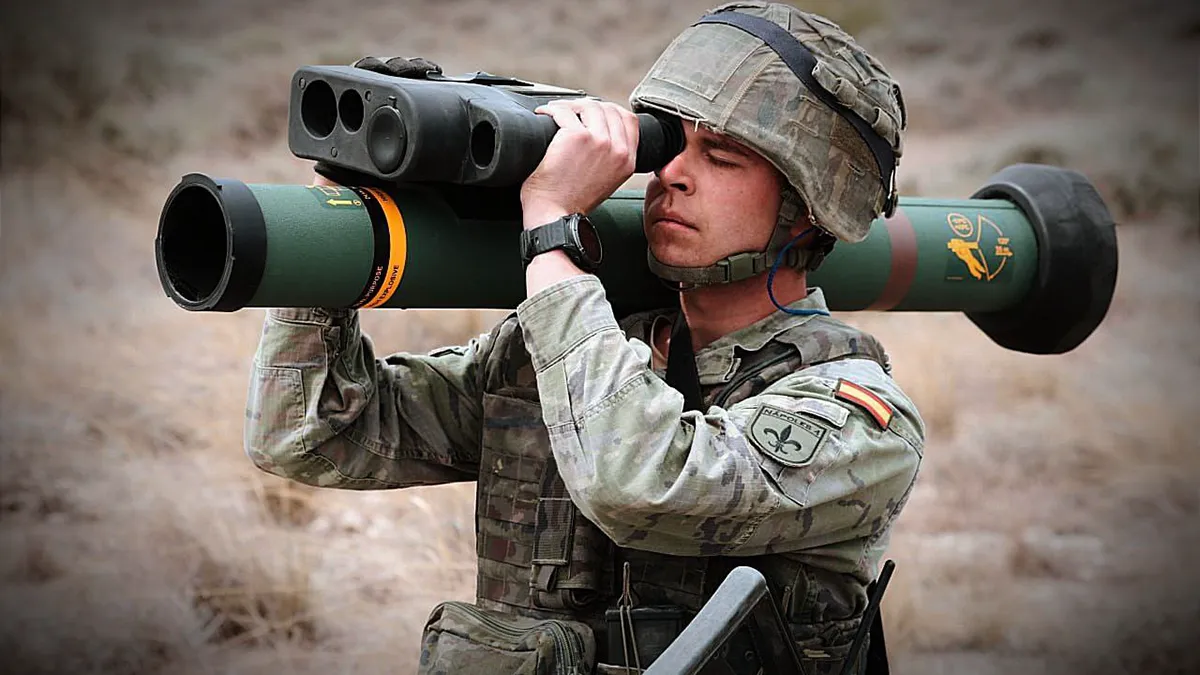
The transformation of the European defence industry is underway
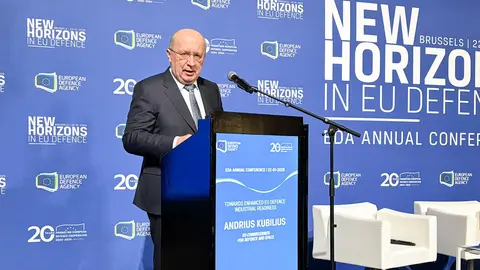
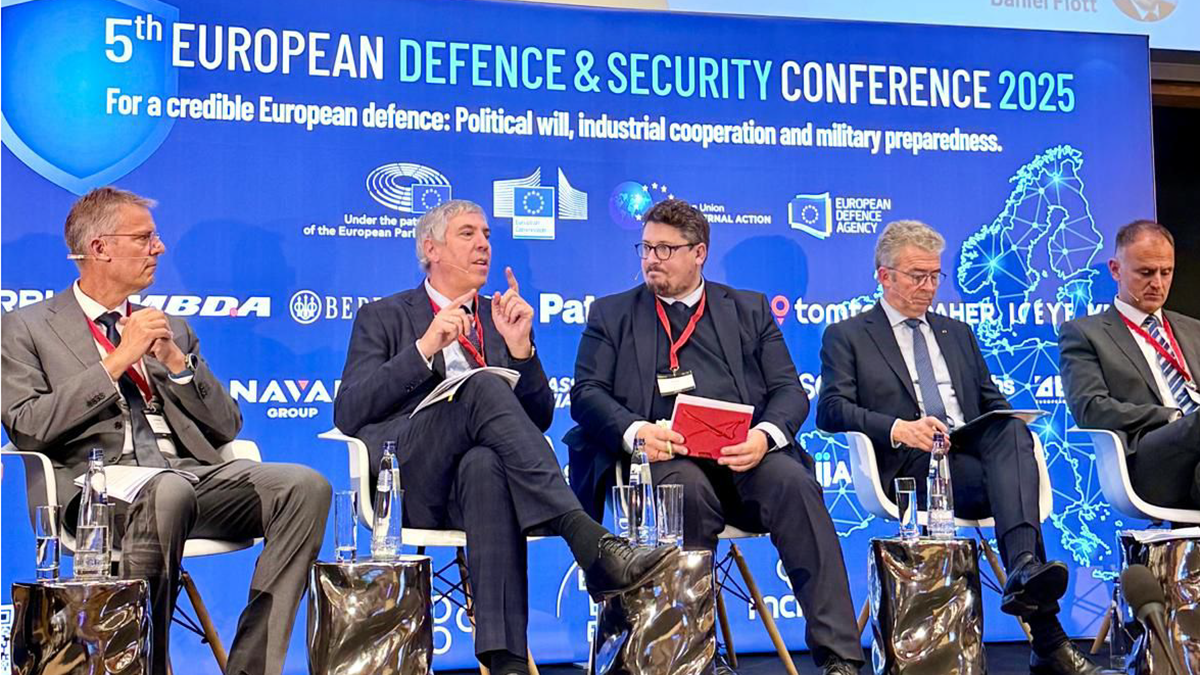
If 16 October was a key date for President von der Leyen's defence and security team, two days earlier had also been an important date. On 14 October, the fifth edition of the European Defence and Security Conference 2025 was held, bringing together politicians and senior executives from European industry at the Egmont Palace in Brussels. Commissioner Kubilius gave the opening speech, in which he emphasised that the EU needs an industry ‘that helps us fight not only today's wars, but also those of tomorrow’.
Andrius Kubilius pointed out that, at present, the countries that make up the EU ‘only have 50 per cent of the capabilities we need for 2030’. He warned those present: "If we do not radically change the situation, by 2030 our defences will only be half ready. And half-ready, in reality, means that we will not be ready at all to deter an attack."
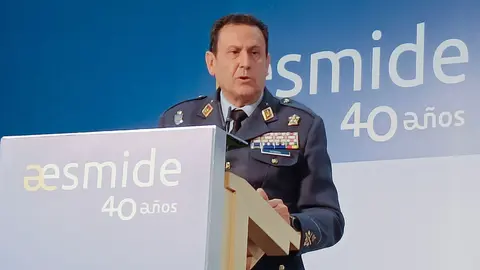
The veteran politician, twice Prime Minister of Lithuania, wanted to make it clear to the heads of European industry that ‘we need to be ready before 2030, because Putin will be,’ and he explained that Russia ‘now produces more ammunition in three months than the United States and all European NATO members do in a year. That is, four times more.’
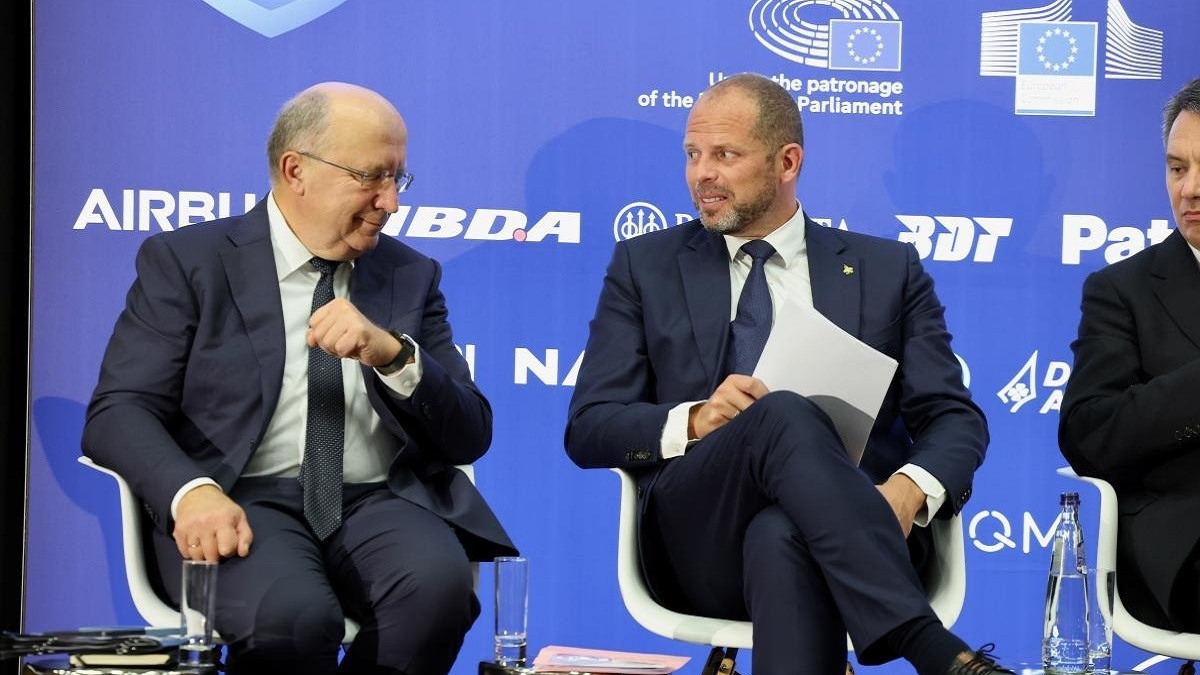
The Lithuanian flattered the ears of the bosses of the most important defence industries present at the Egmont Palace – including Indra's CEO, José Vicente de los Mozos – telling them that ‘the future and freedom of Europe depend on you’ and ‘we will help you by drastically reducing red tape’. To this end, Brussels has launched the Omnibus Defence Simplification Plan.
Kubilius has announced that ‘I will soon present our initiative on the Transformation of the Defence Industry’. Its raison d'être is ‘to build a European defence industrial ecosystem to drive innovation and connect entrepreneurs, industry and soldiers on the ground, and to constantly adapt to military needs’. He also announced that ‘I will soon present our initiative on Military Mobility, to quickly reach the borders we need to defend’.
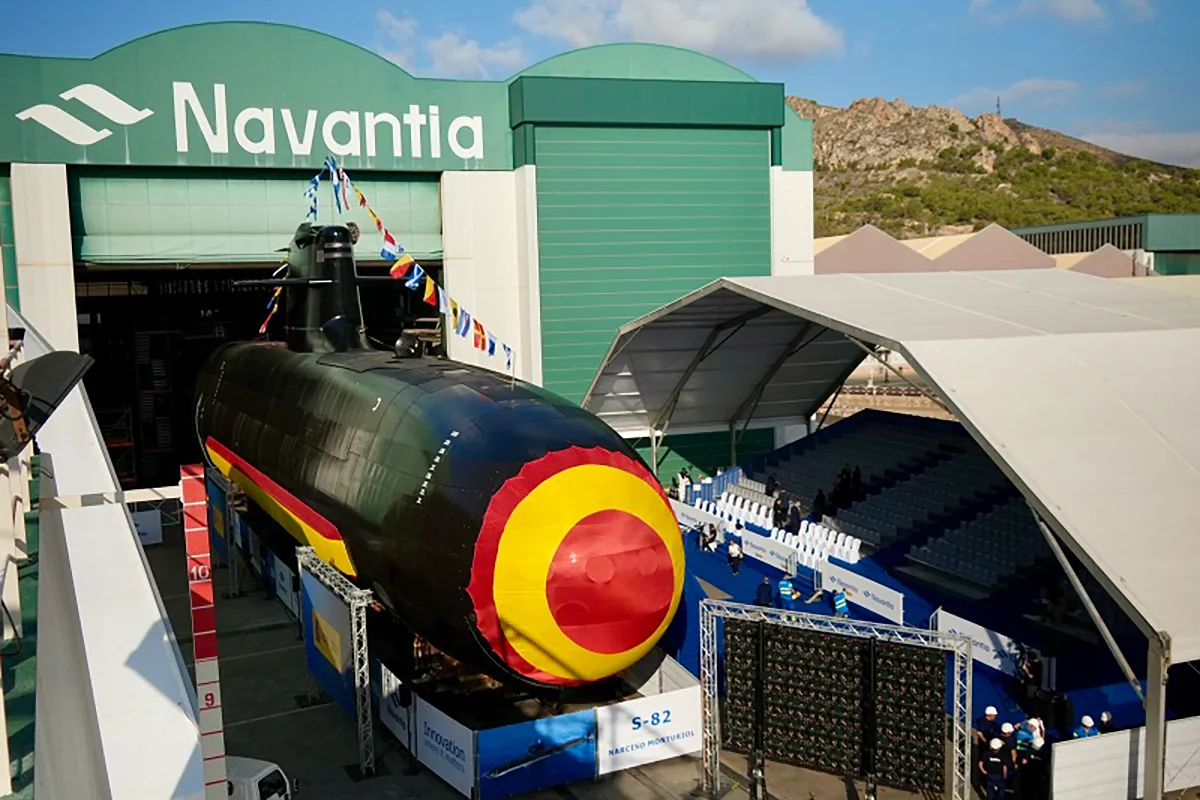
The European Commissioner for Defence and Space insisted that ‘it is time to move from opportunities to deliveries, from the financial big bang to the production big bang’, which is achieved through ‘contracts, production, procurement, new weapons development and continuous innovation’. He did not want to leave out another aspect that ‘we also need to strengthen, which is our preparedness for political defence.’ ‘It is useless to have enough modern weapons if we do not have the political will to fight and use those weapons to defend ourselves.’