The EU seeks political prominence in Gaza's future
- The European Union and its role in the reconstruction of Gaza
- The Peace Board and the ceasefire in Gaza
- US objectives and plan for Gaza
- The European Union seeks political and economic influence
- Political and humanitarian challenges for the EU in Gaza
The European Union and its role in the reconstruction of Gaza
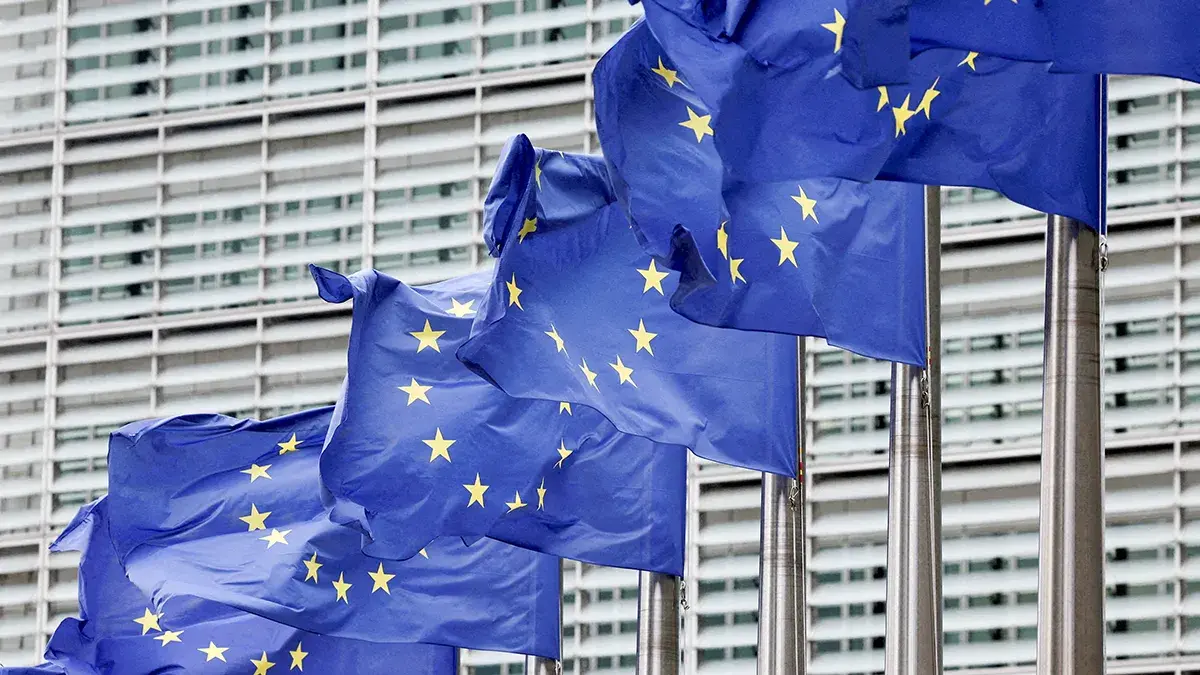
The European Union (EU) intends to play an important political role in the future reconstruction of Gaza following the fragile ceasefire reached between Israel and the Palestinian extremist group Hamas, brokered by the United States.
In this regard, the EU has called for membership of the Peace Board led by US President Donald Trump, which is responsible for governing the political future of Gaza and its reconstruction after two years of attacks by the Israeli army, which have left tens of thousands of victims and began in response to the bloody terrorist attacks carried out by Hamas on Israeli territory in October 2023, which left 1,200 victims and 250 kidnapped.
The Peace Board and the ceasefire in Gaza
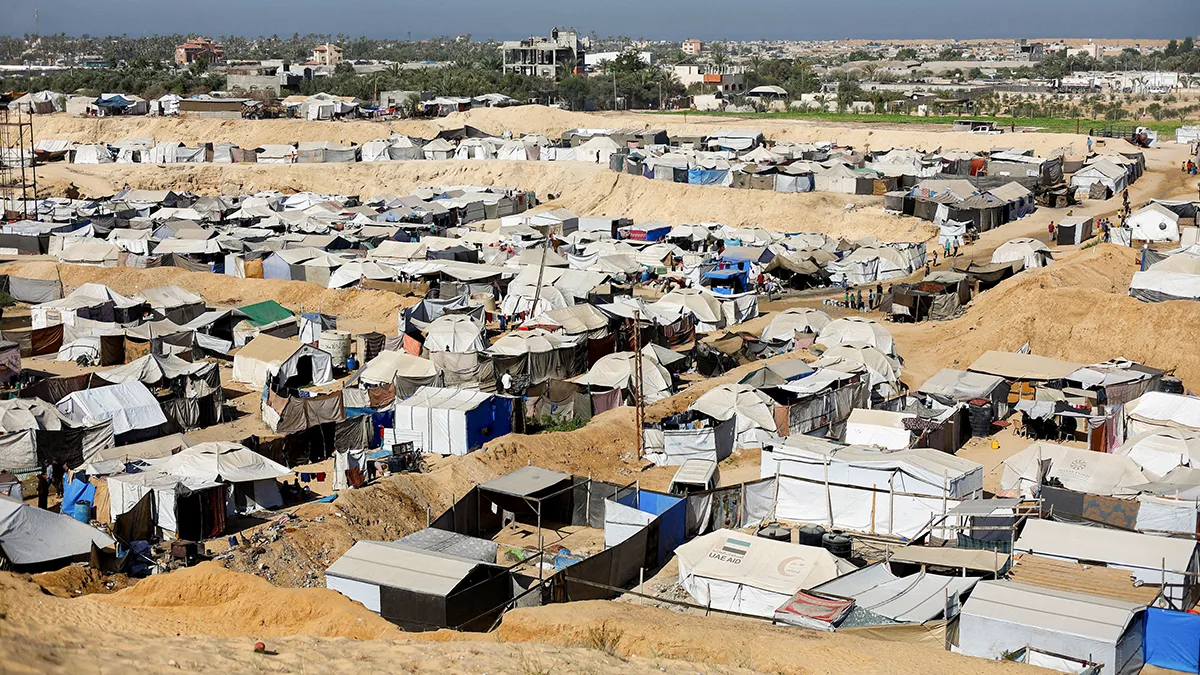
The EU institution aims not only to influence the economic contribution to the reconstruction of Gaza, but also to have a decisive voice in the contacts aimed at forming a new government in the Strip, after having had little presence in the peace negotiations sponsored by the United States, Qatar and Egypt to reach an understanding between Israel and Hamas.
The so-called Peace Board, which will determine the steps to be taken to ensure a prosperous future for the Gaza Strip, is a body reflected in the 20-point plan proposed by the United States to seal the ceasefire, which included measures such as deradicalising Gaza and freeing it from terrorism so as not to threaten neighbouring countries, rebuilding the region as a priority to compensate for the prolonged suffering of Gazans, exchanging all hostages and prisoners, etc.

US objectives and plan for Gaza
The US plan, which led to the current fragile ceasefire in Gaza, envisages the establishment of a body made up of technocrats to manage the Strip under international supervision and under the control of the Peace Board, chaired by Donald Trump and Tony Blair, former Prime Minister of the United Kingdom. The European Union intends to be present in this body as soon as possible, although the final structure and functions of the body itself have yet to be clarified.
The European Union seeks political and economic influence
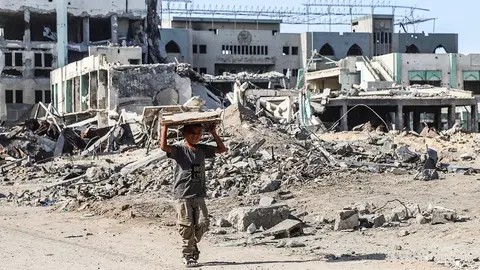
The EU seeks to have political weight and not remain a mere economic actor that can help financially with the reconstruction of Gaza, since, until now, the United States, Israel and the Arab sphere have played the leading role. According to information from the newspaper El País, the European intention is to strengthen political ties with the US giant, consolidate the Palestinian Authority by providing economic support and reactivating its institutions, halt the expansion of Israeli settlements in the West Bank, remove financial and supply barriers established in Palestinian territory, and defend the viability of the two-state solution.
Precisely, the path of establishing two coexisting states, Israeli and Palestinian, is a formula that has been defended by many international political actors for years and, for the moment, it has not been possible to implement due to many political differences, particularly on the Israeli side, regarding important issues such as the division of powers and territories (especially the capital Jerusalem, considered a holy place), and political influence in the territory and, by extension, in the Middle East region.
Political and humanitarian challenges for the EU in Gaza
Brussels is thus seeking ways to exert political influence beyond paying for the reconstruction of the Strip, while once again shelving the threat of sanctions against Israel, something that is not well regarded by Arab countries, and while suffering internal division among Member States over the political position to adopt towards Israel and in relation to the Gaza and Middle East conflict, something that also devalues the EU's political image on the international stage.
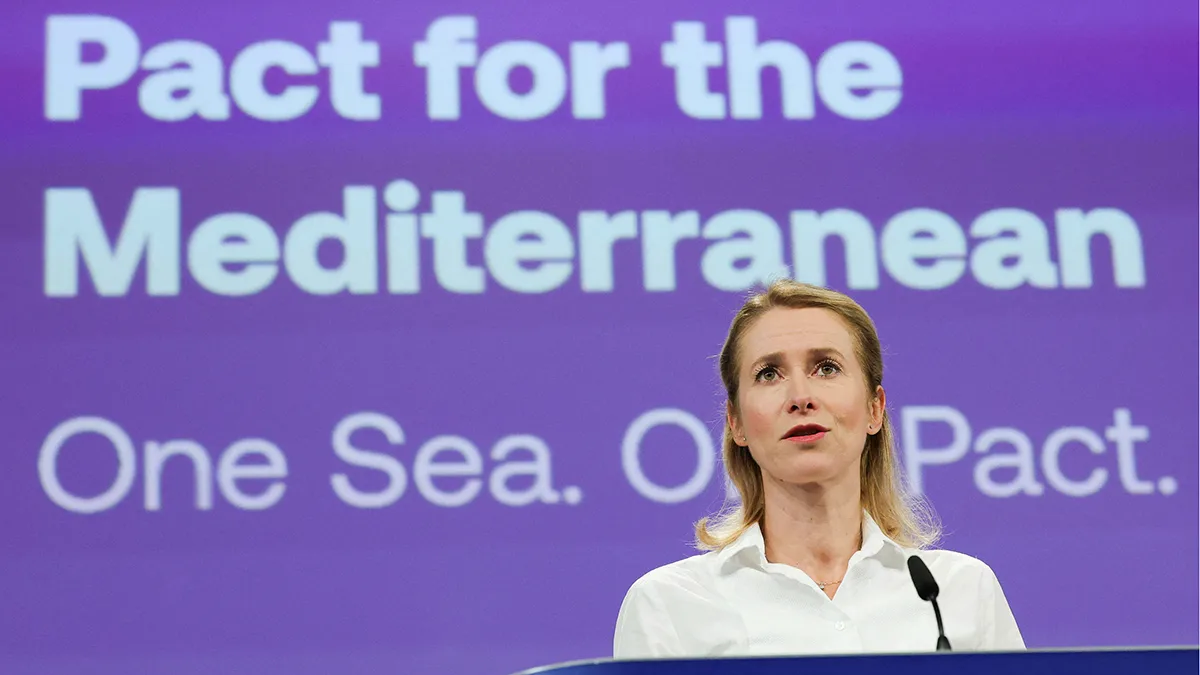
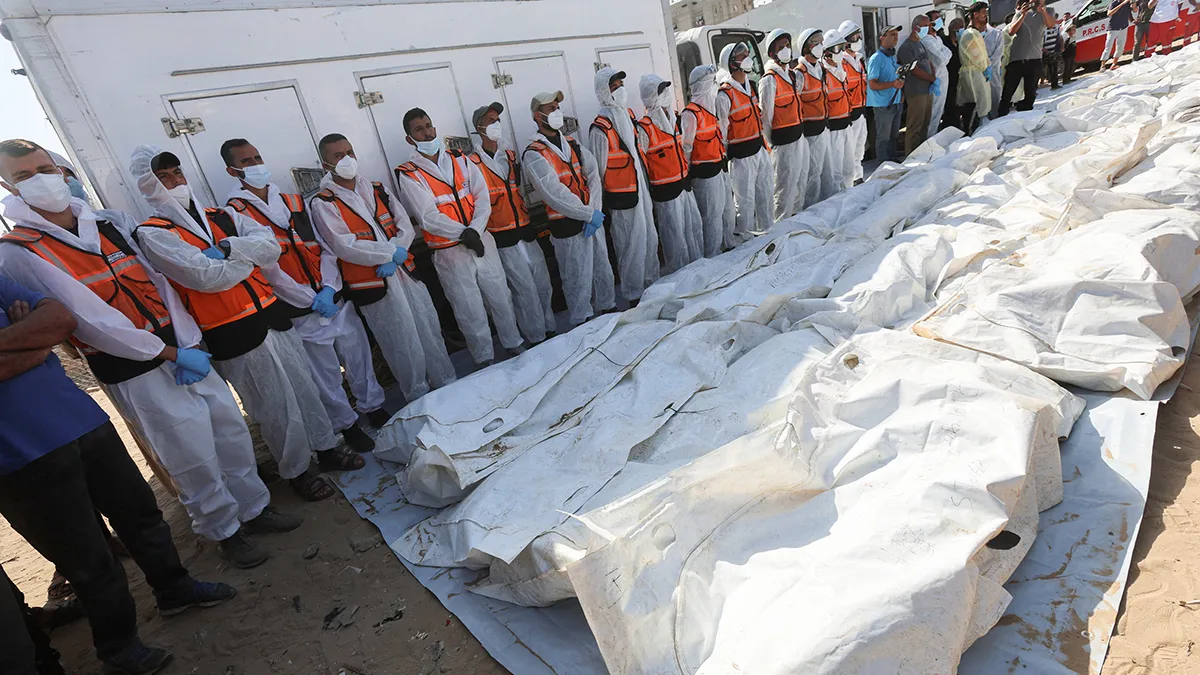
There is still much work to be done in Gaza, and the EU wants to have a say in the future of the Strip, alongside the great power and influence wielded by the United States. In this regard, the High Representative of the European Union for Foreign Affairs and Security Policy, Kaja Kallas, said on Monday that the ceasefire in Gaza had had a positive ‘good first phase’, but warned that there was still work to be done, especially in the humanitarian field. 'The ceasefire passed its first test of endurance. Therefore, I believe this is a good first phase, but, of course, we must work on what else we can do to achieve sustainable peace in the Middle East. There is much to be done to get humanitarian aid through and to make the ceasefire lasting. Therefore, we will discuss with Member States what we can do about this,' Kaja Kallas herself said, as reported by the EFE news agency.