The Moroccan government responds to protesters' demands and rejects acts of violence
- Protests in Moroccan cities
- Response from the Moroccan government
- Social demands and democratic channels
- Impact and figures of the demonstrations
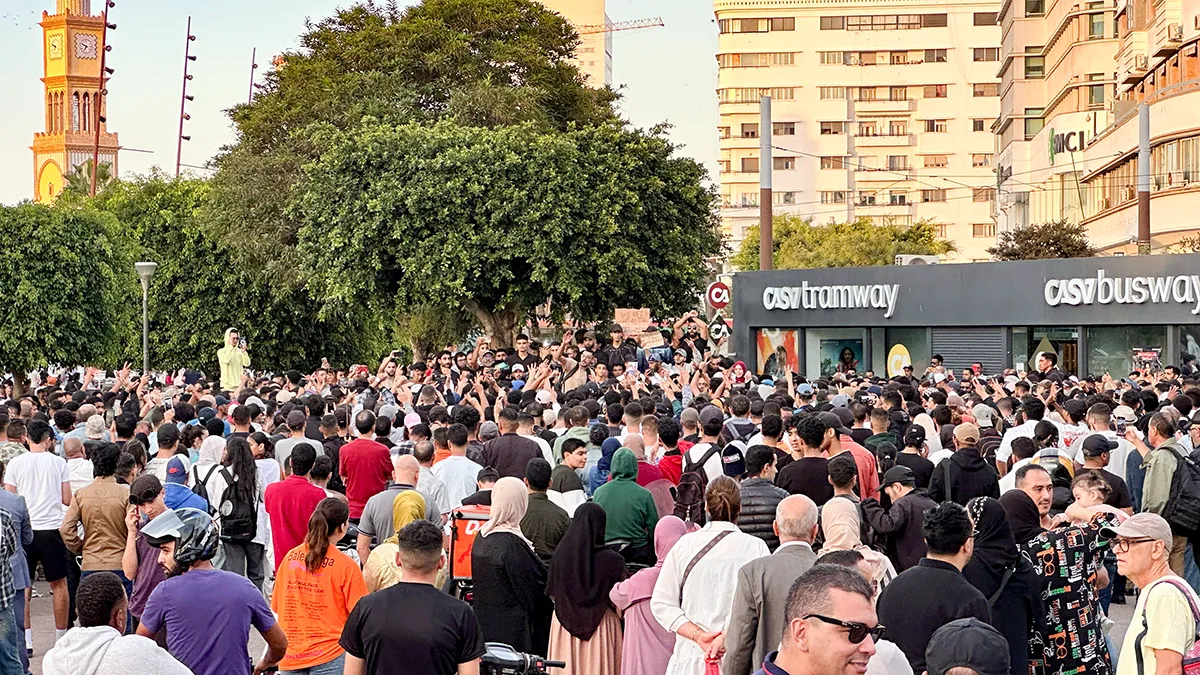
Protests in Moroccan cities
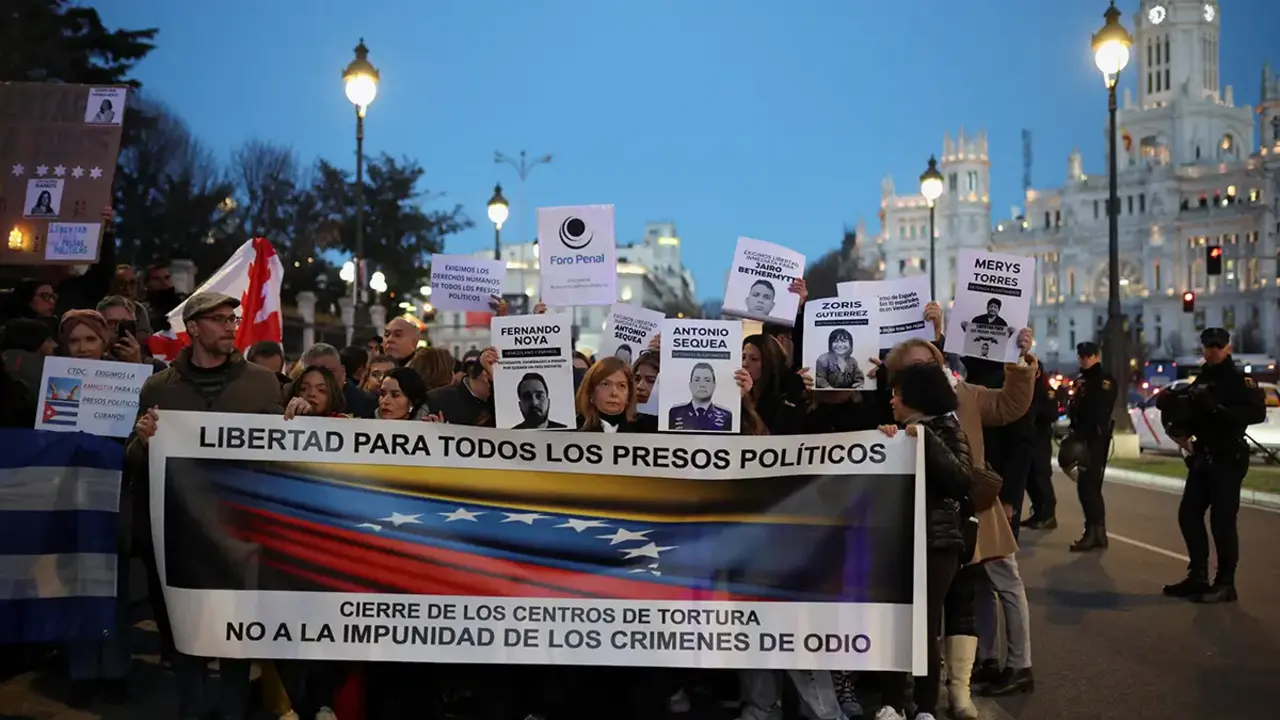
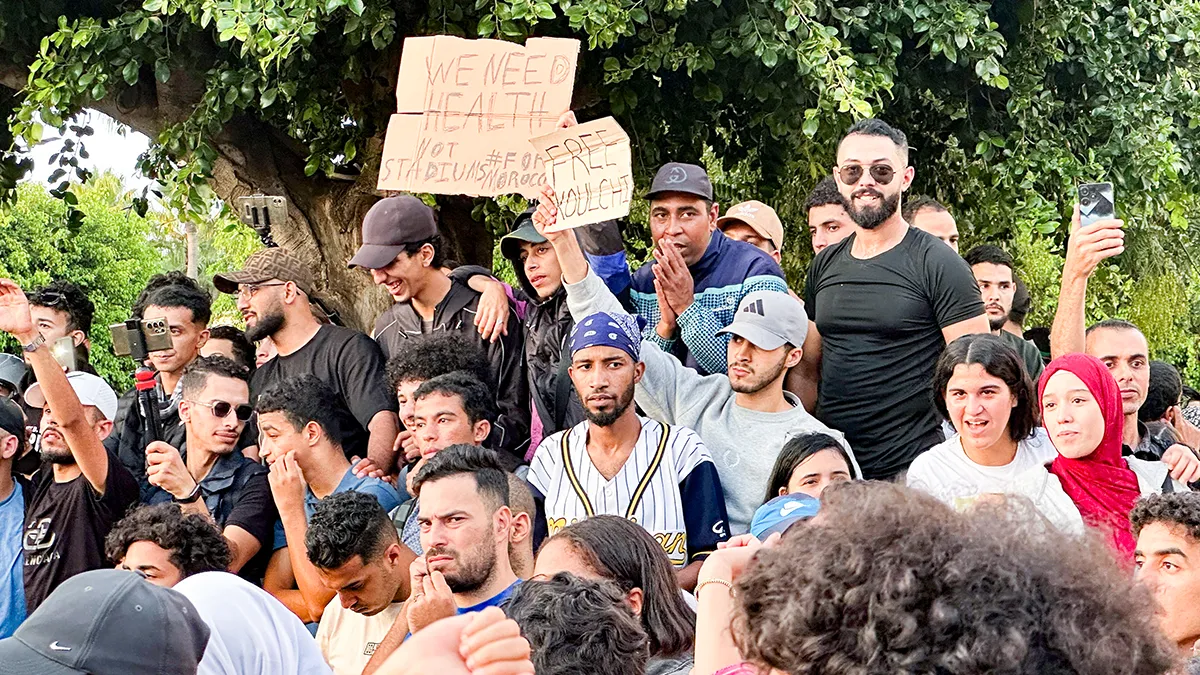
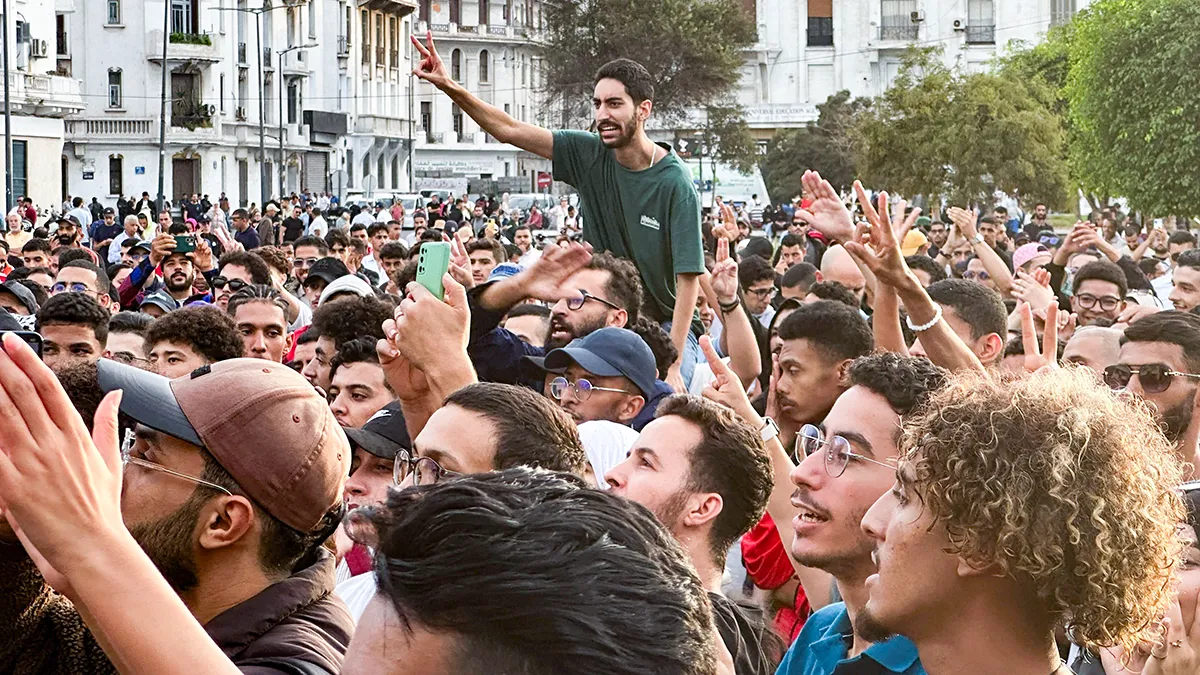
Thousands of Moroccan citizens have recently staged protests in various cities across Morocco, including Rabat, Marrakesh, Casablanca and Agadir, demanding improvements in healthcare, employment and education and protesting against alleged corruption and the high costs involved in financing the upcoming 2030 World Cup, co-organised with Spain and Portugal.
Response from the Moroccan government
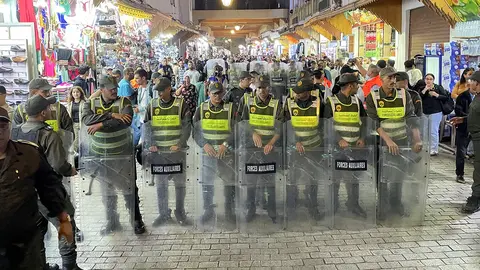
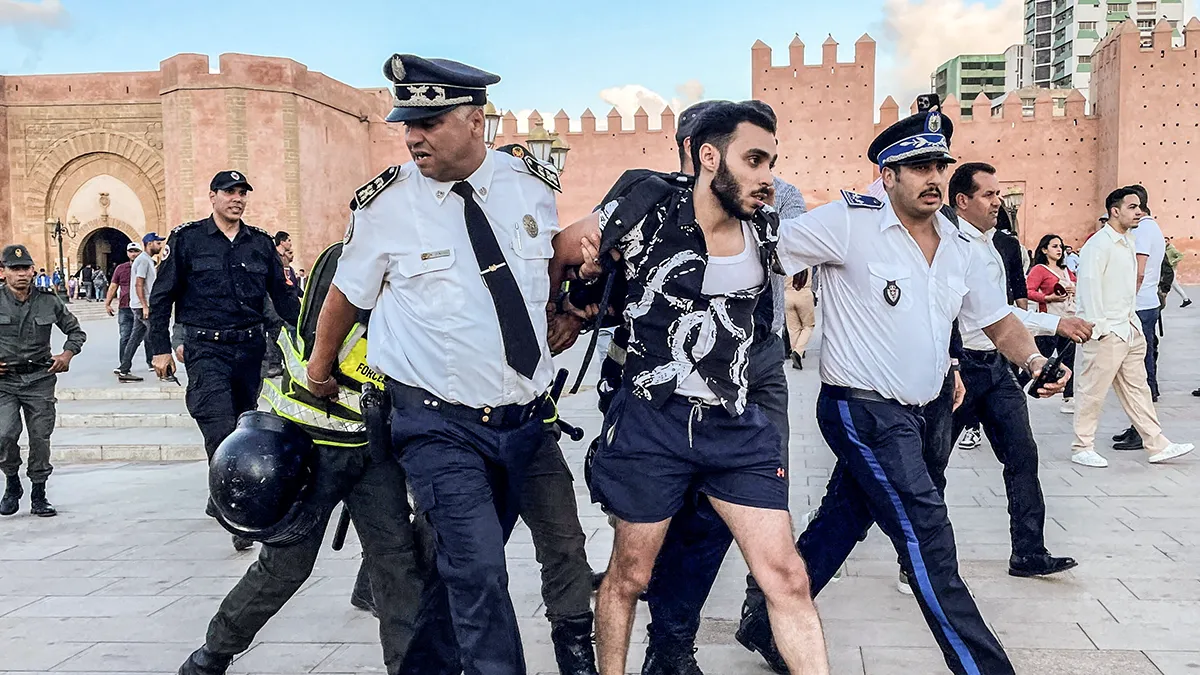
In view of this situation, the Moroccan government has taken a comprehensive look at the situation and listened to the protesters' demands, while rejecting all acts of street violence, which have been neutralised by the state security forces.
In this regard, the Moroccan authorities have affirmed their intention to preserve public safety and to confront all types of violent and illegal acts that endanger the integrity of any facility or infrastructure or that of individuals. At the same time, they are also listening to popular demands for improvements in various areas such as health, employment and education and against excessive state spending on certain issues.

Dialogue and willingness of the Executive
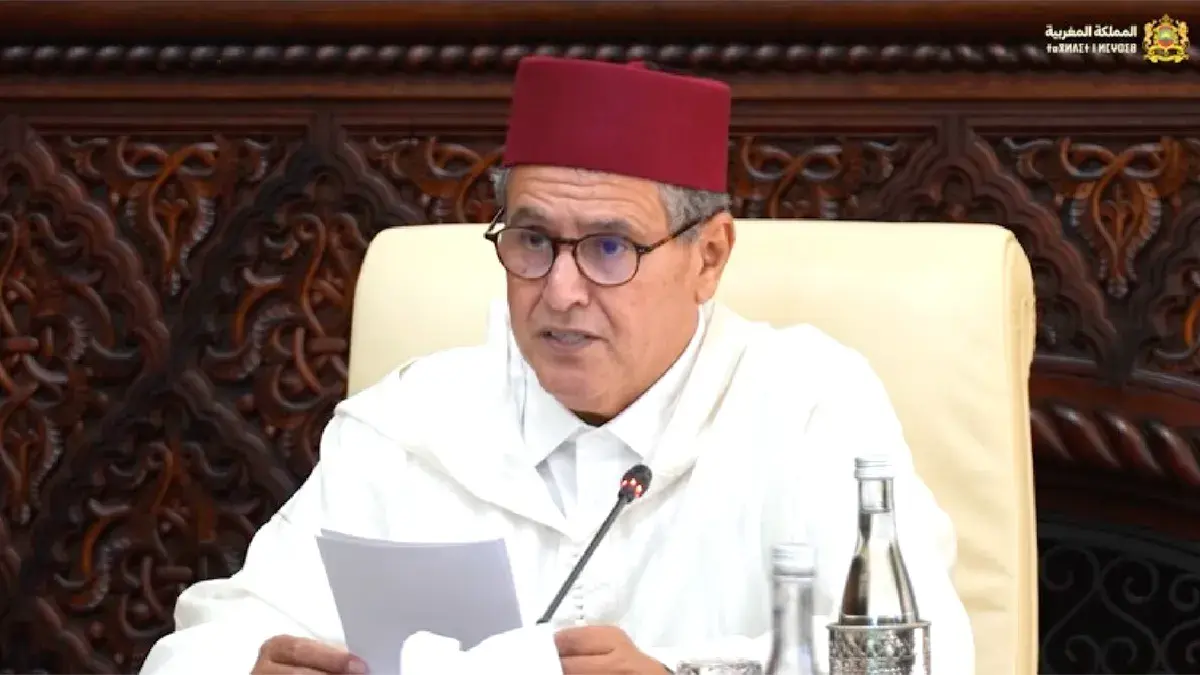
In this vein, the Moroccan Head of Government, Aziz Akhannouch, stated that the Executive is open to dialogue with the protesters, mainly young people affiliated with the ‘GENZ 212’ movement, which represents the so-called Generation Z, with thousands of young people mobilised through youth communication platforms and social networks to demand profound reforms and improvements in public services. ‘We affirm that the Government, through its various parties, has responded to the demands of young people and declares its willingness to engage in dialogue and debate in institutions and public spaces,’ Akhannouch said in a statement published by the official Moroccan news agency MAP. The head of government indicated that the Moroccan kingdom is capable of addressing various issues through constructive debate and openness.
The government's intention in this case is to advocate for dialogue and understanding, in line with Aziz Akhannouch's position. Along these lines, the spokesperson for the Executive, Mustapha Baitas, pointed out that ‘the Executive has expressed its commitment to dialogue, which must take place between both parties,’ adding that ‘there is an immediate willingness to begin discussions, pending the other party presenting its vision to complete the dialogue process.’
Commitment to improvements in public services
The government spokesperson also stated that the Moroccan Executive has been allocating a large part of the national budget for years to improving sectors such as health, education and employment, and to improving all types of national infrastructure, in order to offer better services to citizens. There has been a significant increase in investment in resources by the Moroccan State over the last several years.
Rejection of violence in protests
The government spokesperson assured that the executive is addressing all the social demands of the population, but rejected in any case the fact that violent acts are taking place that lead nowhere, only to generate tension and public insecurity. He also highlighted that the Moroccan government has positively emphasised the important efforts of the state security forces to maintain security and stop all types of violent acts in compliance with the law.
Social demands and democratic channels
The Moroccan authorities have made it clear that all types of social or political demands must follow democratic channels of dialogue and conversation through authorised forums and with the national administration, which is responsible for the proper functioning of the country at all levels, improving the quality of life and services provided to citizens.
Impact and figures of the demonstrations
The figures for the violent demonstrations began to cause concern at the national level because there were up to three deaths and around 650 injured, including a large number of security officers.
In response, the spokesperson for the Moroccan Ministry of the Interior, Rachid El Khalfi, explained that 70% of those involved in the acts of vandalism and clashes with the security forces throughout Morocco were minors.
‘The Royal Gendarmerie personnel were forced to use their service weapons in self-defence,’ an act of maintaining security that resulted in casualties, after the violent protesters attacked with knives and broke into buildings, headquarters and state security facilities, according to the official national version.