The United States strengthens its strategy against narco-terrorism in the Caribbean
Washington has decided to redouble its efforts in the Caribbean through new legal strategies, aerial surveillance and a strong stance against the Cartel of the Suns and narco-terrorism
- US policy towards the Caribbean
- Cartel de los Soles and new legal strategies
- Military actions in the region and aerial surveillance
US policy towards the Caribbean
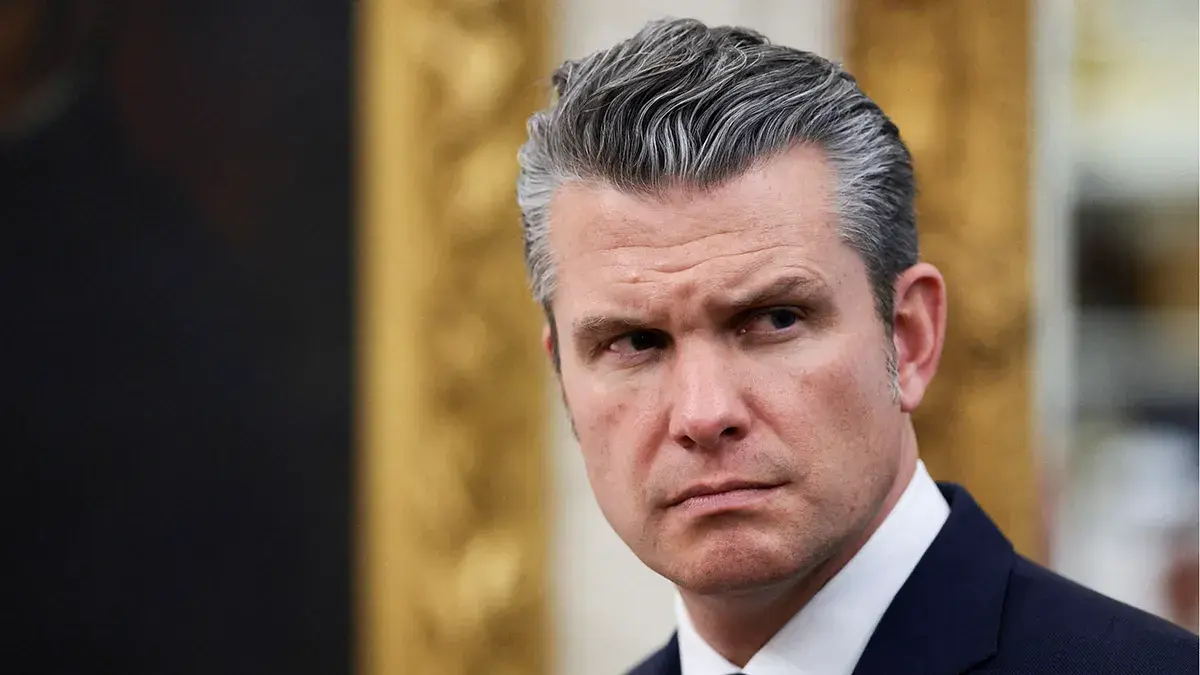
US Secretary of War Pete Hegseth stated that the US administration maintains an adaptable planning tactic in its operations within the Caribbean. In his statements, he explained that no alternative has been ruled out, but neither are all options assumed to be automatic, within the framework of a continuous analysis of possible military responses in this region.
Hegseth also emphasised that the US government seeks to reiterate that the Western Hemisphere must not fall under the control of narco-terrorism, drug cartels or regimes it considers illegitimate. In this regard, he highlighted the importance of having legal tools that expand the capabilities to address these threats.
Cartel de los Soles and new legal strategies
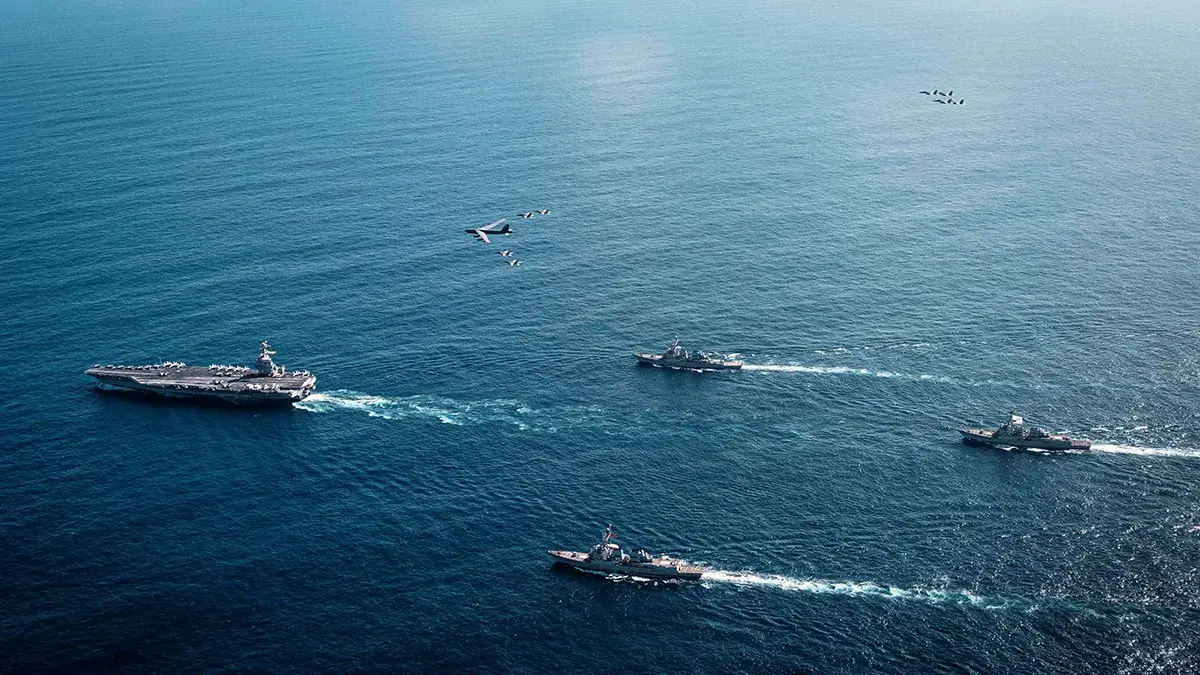
The official confirmed that the Cartel de los Soles will soon be included on the Foreign Terrorist Organisations (FTO) list as of 24 November, which will provide the US government with a wider range of options to strengthen measures against the regime of Nicolás Maduro. This action is part of a strategy to expand the war on drugs, and the secretary stressed that these alternatives will be made available to President Donald Trump for detailed evaluation.
Hegseth noted that Maduro is not considered a legitimately elected leader and mentioned that he faces official charges for drug trafficking in US courts. He also recalled that the government is offering a reward of $50 million for information leading to his capture. Similarly, he accused the Venezuelan president of having broken agreements with the previous administration by deceiving them about his intention to leave power.
Referring to the fight against cartels associated with the Venezuelan regime, the Secretary of War mentioned that the current anti-drug mission focuses on maritime operations against these organisations and warned those involved in drug trafficking that they face serious risks, emphasising: ‘Don't get on a boat because it will end badly for you.’
Military actions in the region and aerial surveillance
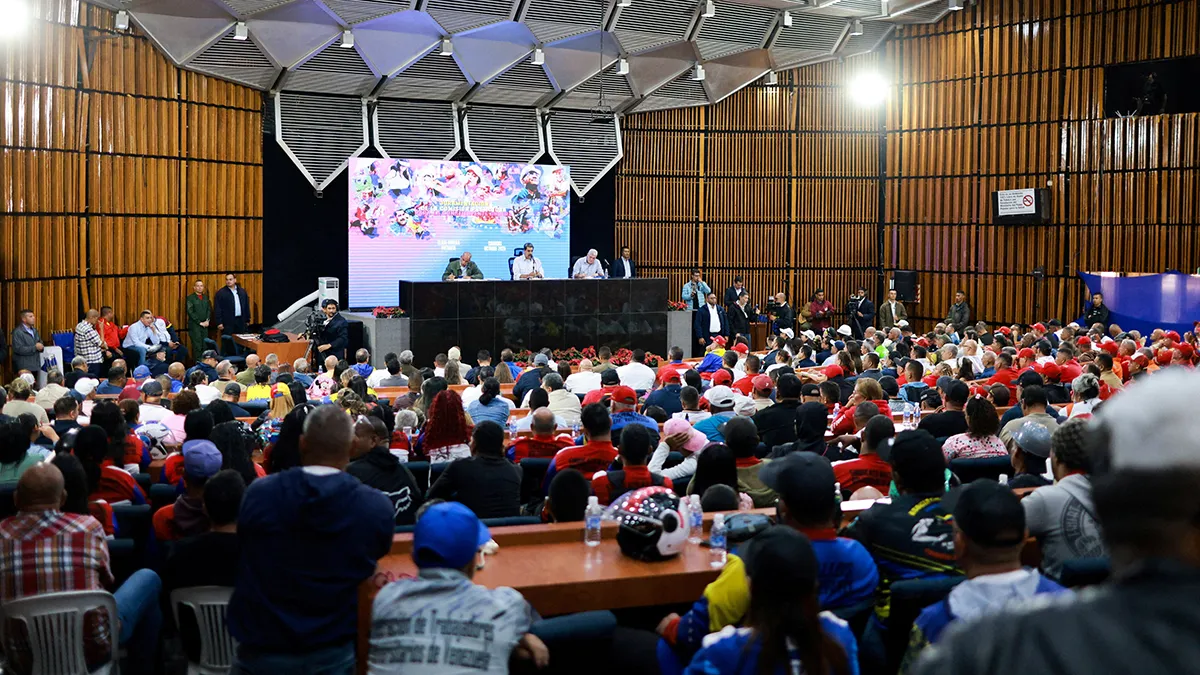
In the interview with One America News, Hegseth compared the operations that the United States has carried out for two decades in the Middle East against narco-terrorists in Iraq, Syria, and Afghanistan with the strategic capacity available in the Western Hemisphere. He indicated that, if it were necessary to apply military force in the Caribbean region, whether by land or sea, the United States is best prepared to do so.
The official reported that in recent days, five US military aircraft were simultaneously detected on public radars off the Venezuelan coast, departing from their usual stealth mode, as their tracking systems were active. Among them was the RC-135W Rivet Joint (registration number 62-4132), specialised in strategic electronic reconnaissance, which operated under the call sign ALBUS39 east of the Amacuro delta. For the first time during this crisis, this equipment kept its transponder active, allowing its movements to be visualised.
In addition, four more aircraft identified with the codes PARTY11 (AE58BC), FELIX12 (AE1ABF), LION11 (AE53C0) and LION12 (AE53C1) joined the operation, showing a notable change in US strategy. Finally, the Secretary stated that the Department of War is prioritising the development of advanced strategic plans to offer President Trump a range of options.