The US government shutdown reaches its second longest period on record
- Status of the federal shutdown in the United States
- Impact on employees and essential services
- Political reactions and status of negotiations
- Economic and social consequences
Status of the federal shutdown in the United States
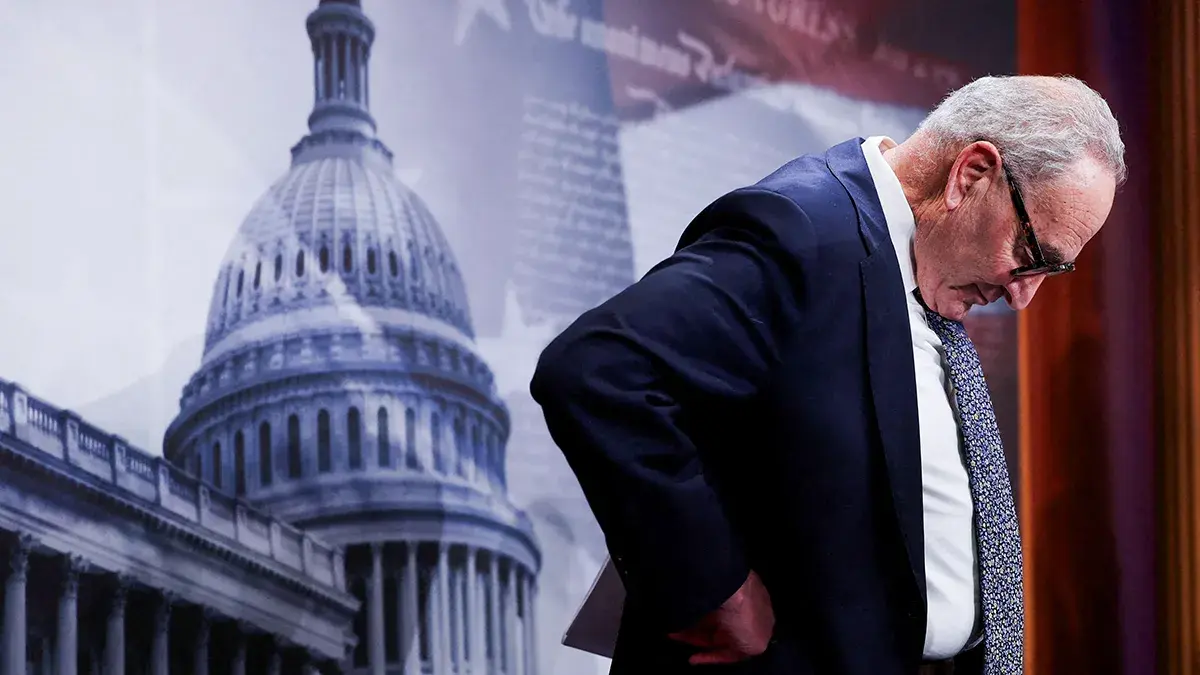
The partial shutdown of the federal government in the United States continues with no quick solution in sight. The shutdown is increasingly affecting civil servants, essential services and the national economy. On Tuesday, Republican and Democratic lawmakers agreed that the crisis will not be resolved in the short term and warned that by Friday, essential employees will not receive their salaries, which increases pressure on critical areas such as air traffic control, according to reports by EFE.
The shutdown is entering its 22nd day on Wednesday and is close to becoming the second longest in US history, surpassing the shutdown that occurred between 1995 and 1996 during the Bill Clinton administration. John Thune, the Republican majority leader in the Senate, announced a new vote to try to break the deadlock, although he acknowledged that reaching the 60 votes needed will be difficult due to the lack of consensus between the two parties.
Impact on employees and essential services
The shutdown has left approximately 2.3 million federal employees working without pay and has begun to halt the operation of key institutions such as the National Nuclear Security Administration, which has already furloughed its workers, the AP reported. Programmes such as the Women, Infants and Children (WIC) food programme and the Head Start preschool education programme are warning that their federal funds are running out.
In addition, the Federal Aviation Administration (FAA) reported a shortage of air traffic controllers, which has caused flight delays in several cities. This situation complicates the normal course of activities in sectors that require continuous coordination and high security.
Political reactions and status of negotiations
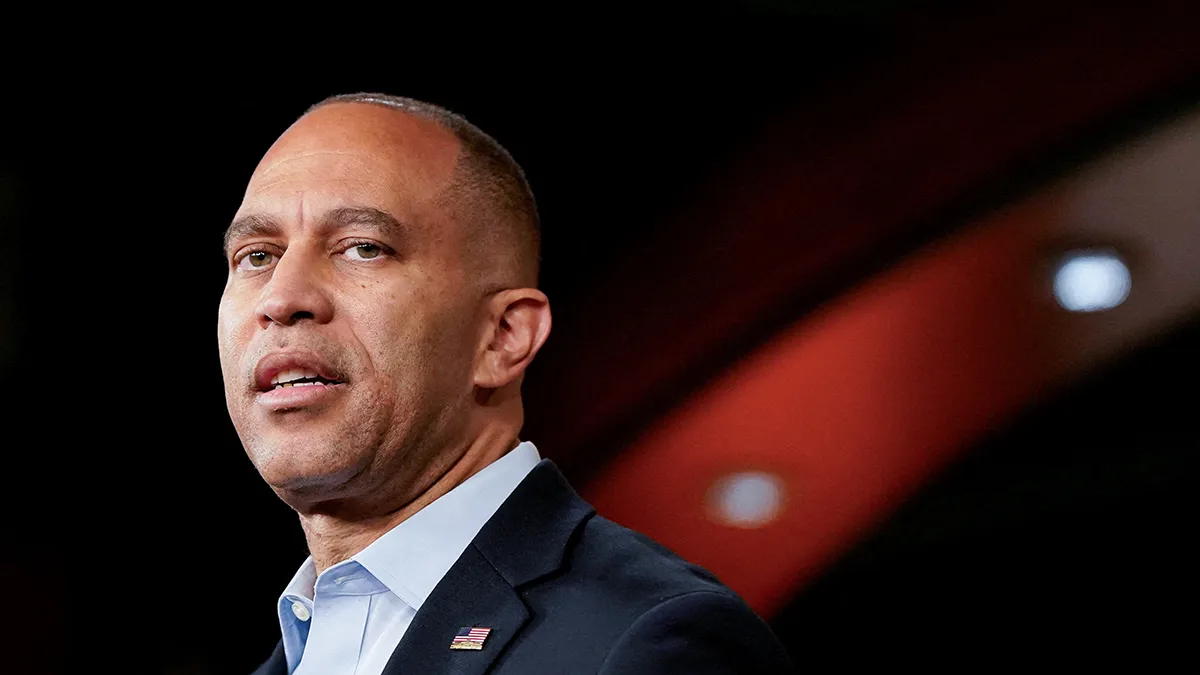
Democrats are demanding the extension of subsidies under the Affordable Care Act (Obamacare), while Republicans oppose this measure and are making the resumption of negotiations conditional on the end of the shutdown. Republicans argue, without presenting evidence, that these subsidies would benefit undocumented immigrants. Hakeem Jeffries, Democratic leader in the House of Representatives, harshly criticised the Republican Party, accusing it of preferring to maintain the shutdown rather than move forward with expanding health coverage and tax credits.
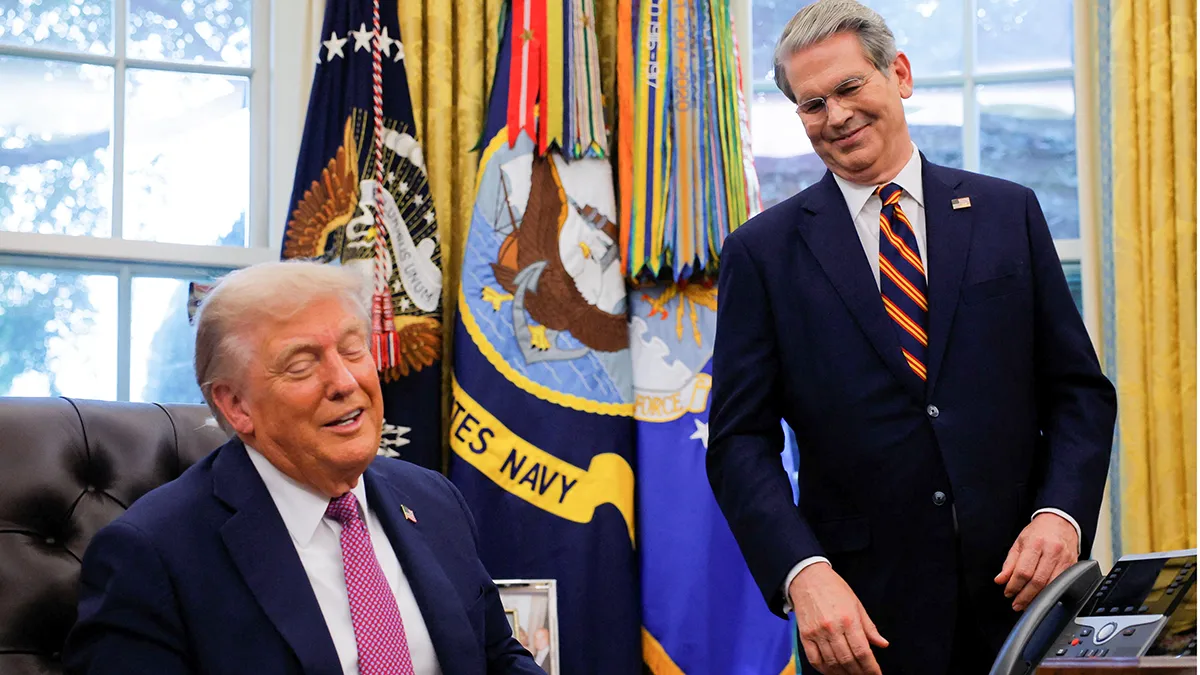
At an event held at the White House, Donald Trump reiterated that he will not negotiate on healthcare funding until the government is back up and running, accusing Democrats of holding ‘the entire federal government hostage.’ In a relaxed atmosphere with Republican senators in the renovated gardens of the presidential residence, Trump said he would be willing to discuss the healthcare issue after the current crisis has been overcome.
Economic and social consequences
The shutdown is also affecting the business sector. The US Chamber of Commerce said the Small Business Administration (SBA) has stopped issuing new loans, estimated at $860 million per week, affecting approximately 1,600 small businesses. Likewise, the issuance of flood insurance policies has been halted and real estate transactions are experiencing delays, according to AP reports.
On the other hand, the shutdown threatens to increase the cost of health insurance, as federal subsidies to help millions of Americans purchase private policies through the Affordable Care Act (ACA) programme will expire on 31 December. Analysts such as Goldman Sachs, the Congressional Budget Office (CBO) and Oxford Economics have warned that government inactivity could shave 0.1 to 0.2 percentage points off weekly economic growth.
With ACA enrolment set to open on 1 November, Democrats insist on the urgent need to renew subsidies before millions are left without assistance to purchase insurance, a problem shared by both parties. However, talks between lawmakers and the White House continue without concrete progress.
Meanwhile, the House of Representatives remains closed, and Democrats have decided to keep the Senate in session until Wednesday night as a form of protest, according to the AP. Schumer and Jeffries requested a meeting with Trump before he travels to Asia, although the administration insisted that any dialogue on healthcare will only take place after the government reopens.