Trump dismisses US ambassador to Algeria
The United States has decided to dismiss nearly 30 ambassadors in various countries as part of a change in its diplomatic strategy.
One of those countries has been Algeria, which has seen its ambassador, Elizabeth Moore Aubin, removed by decision of the Trump administration.
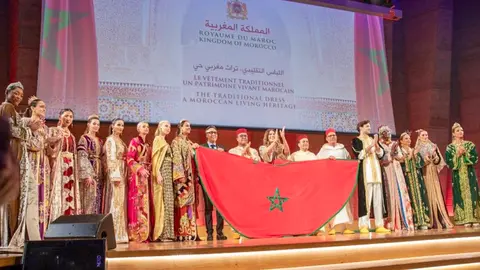
The nearly 30 ambassadors who have been dismissed were appointed during the term of the previous US president, Democrat Joe Biden. They had remained in their posts after Republican President Donald Trump took office in January 2025, but have now been affected by the diplomatic reorganisation implemented by the US government, as reported by the Associated Press.
Initially, they remained in their posts during the first months of Donald Trump's second term, at a time when the government's efforts were focused more on forming the executive branch itself and on certain more urgent domestic and international policies. But the restructuring has now reached these diplomatic posts.
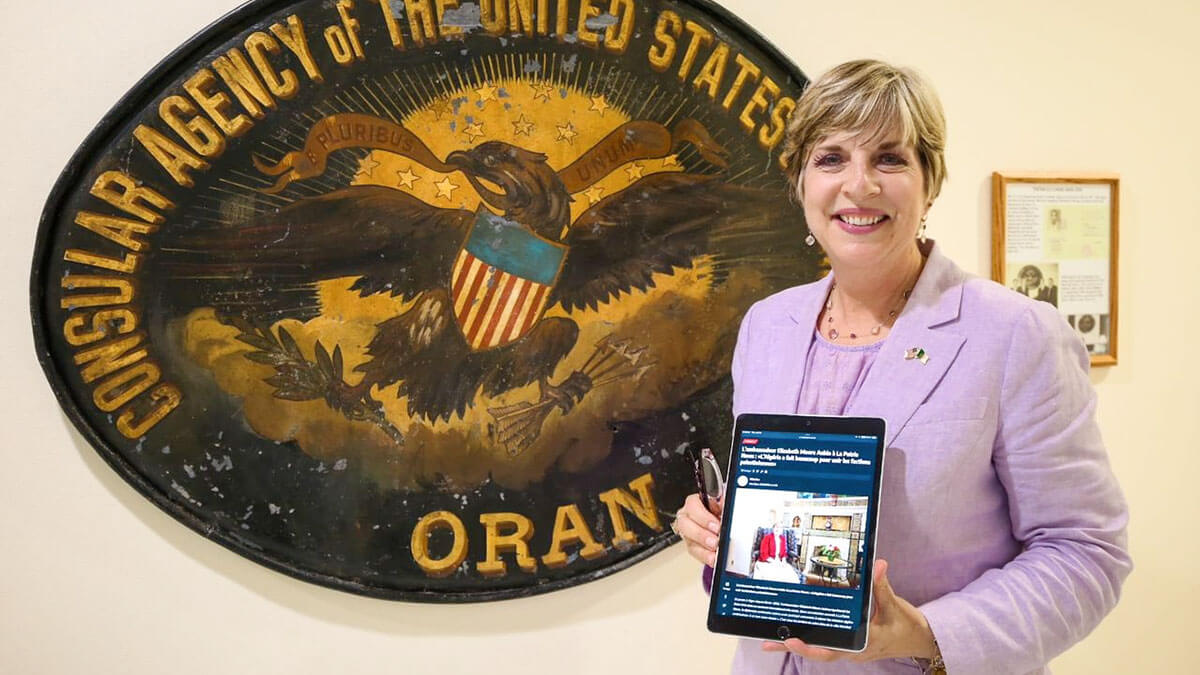
Algeria in the spotlight
One of the most notable changes is that of Ambassador Elizabeth Moore Aubin, who has been posted to Algeria since December 2021 and has remarkable international experience, having previously served as Management Counsellor at the Embassy in Tel Aviv, Israel, International Resource Management Officer for NATO for the United States in Brussels (Belgium), Management Officer at the Consulate General in Toronto, Canada, and General Services Officer at the Consulate General in Hong Kong. She has also served as a diplomatic officer at the US Embassy in Rome (Italy) and the Consulate General in Curaçao.
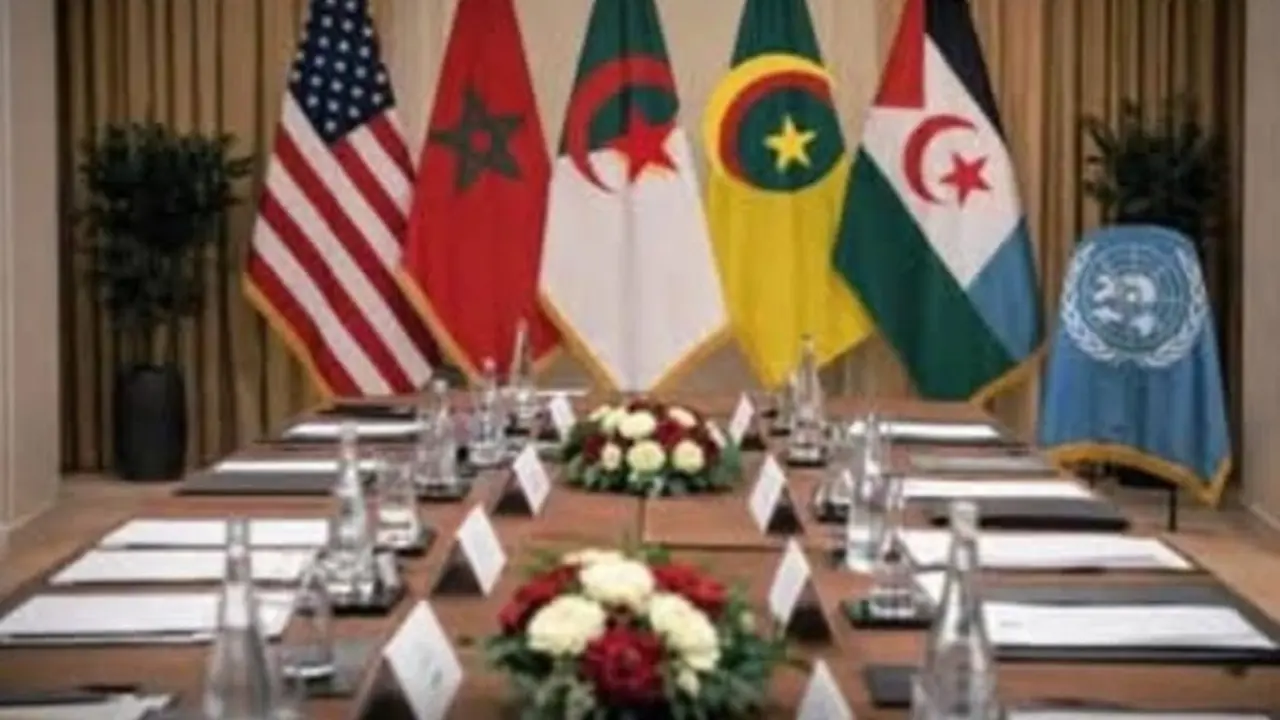
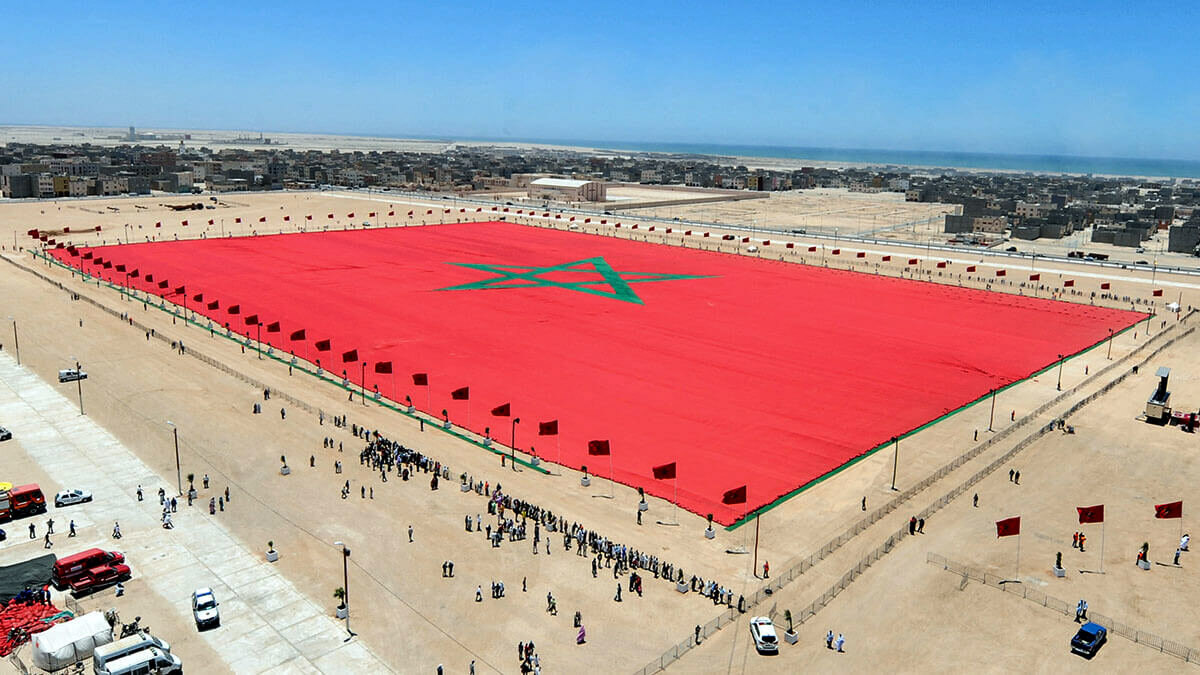
In recent years, especially under Donald Trump's two terms as US president, the United States has had a remarkable rapprochement with Morocco, Algeria's great political rival in the Maghreb, which has led to some instability in political relations with Algeria.
In fact, in December 2020, during Donald Trump's first term, the United States recognised Morocco's autonomy plan for Western Sahara as the most serious, credible and realistic option for resolving the Sahrawi dispute, which has been going on for five decades since the end of the Spanish colonial era. This decision was also linked to the Moroccan kingdom's determination to establish diplomatic ties with Israel in the wake of the famous Abraham Accords, whereby several Arab countries established relations with the Israeli state, under US auspices, with a view to pacifying the Middle East and promoting the development of the region.
Morocco presented its autonomy plan to the UN in 2007, which is based on recognising broad autonomy for Western Sahara under Moroccan sovereignty with the aim of conferring a high degree of self-government on the Sahrawi people and promoting the development of the territory. This proposal has been supported in recent years by more than 100 countries, including powers such as the United States, France, the United Arab Emirates, the United Kingdom and Germany, and received strong backing with UN Security Council Resolution 2797 at the end of last October, promoted precisely by the United States, which recognised the Moroccan proposal as the most solid basis for negotiations between the parties involved in resolving the sovereignty issue of Western Sahara.

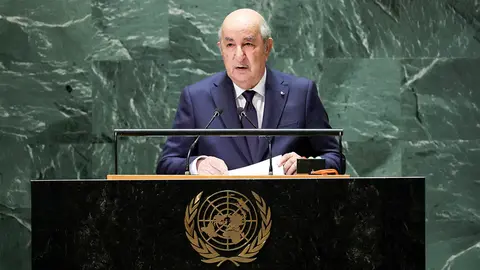
For its part, Algeria supports the Polisario Front, an entity that advocates for a referendum on independence for the Sahrawi population and rejects Morocco's position. This pro-independence initiative has less international support.
Therefore, the US position was a major setback for Algeria. However, the US is seeking a rapprochement between Algeria and Morocco to stabilise the Maghreb and finally reach a consensual solution for Western Sahara, as Steve Witkoff, the US special envoy to the Middle East, indicated at the time.
The dismissal of the US ambassador to Algeria may be related to the new direction that politics in the Maghreb is taking and to the intentions of the United States, which are more favourable to the Moroccan position, although always seeking greater understanding between the parties involved in this case.
Substantial changes in Africa
According to information from the Associated Press news agency, the African continent was the most affected by the extensive changes in the US diplomatic corps, as the decision included the ambassadors of 15 countries: Algeria, Egypt, Burundi, Cameroon, Cape Verde, Gabon, Ivory Coast, Madagascar, Mauritius, Niger, Nigeria, Rwanda, Senegal, Somalia and Uganda.
Asia was the second most affected continent with ambassador changes in six countries: Fiji, Laos, the Marshall Islands, Papua New Guinea, the Philippines and Vietnam.
Meanwhile, four countries in Europe (Armenia, Macedonia, Montenegro and Slovakia) were affected, as well as other nations such as Nepal, Sri Lanka and Guatemala.
International media reported that the Trump administration informed the heads of diplomatic missions in at least 29 countries last week that their assignments would end next January, and the restructuring has now come to pass.
The US administration indicated that those affected by the change will not lose their jobs in the diplomatic corps, but will return to Washington to take on other roles, if they so wish.
The US State Department described the changes as ‘standard procedure in any administration,’ downplaying the political manoeuvre.