‘We must not turn our backs on the conflict between Russia and Ukraine’
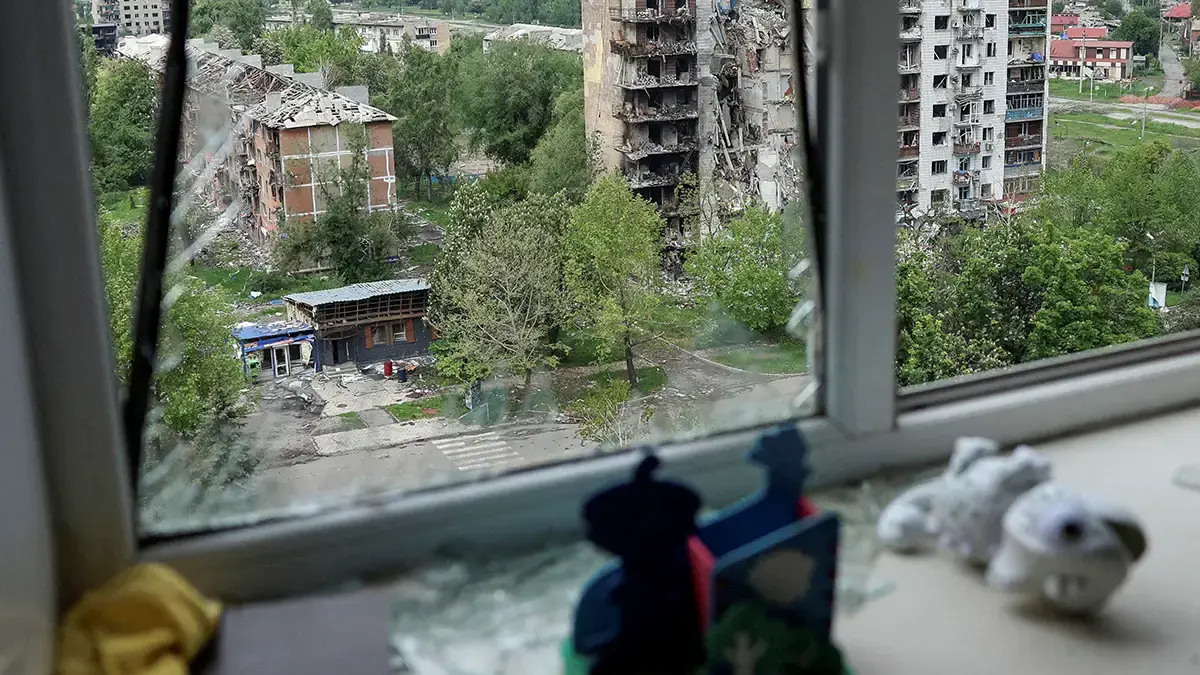

The Pokrovsk front is the most active in the Russian offensive to try to conquer this strategic area. María Senovilla, a journalist who contributes to Atalayar magazine and other media outlets, has been there.
During the interview on Onda Madrid's programme ‘De cara al mundo’, María recounted her experience on the front line and the attacks she witnessed by the Russian army; how Russia continues to bomb Ukraine's electrical infrastructure; and how Putin is paralysing any kind of negotiation or search for a ceasefire.
In recent hours, María Senovilla's presence on the front line and her work have been reported in media outlets such as the Washington Post, the Wall Street Journal and the Guardian.
That is the goal. When you manage to get into a combat position, which is currently an odyssey, with practically no press coverage due to the number of drones and security conditions, at least when you manage to get there, risking your life, you want to get as much publicity as possible and tell people what is happening in the war in Ukraine so that more people, a wider audience, are aware of what is going on.
Yes, because, in addition, we cannot allow Ukraine to burn out, as they say in journalistic slang. Very important things are happening here that affect us every day, aren't they?
Right now, the war in Ukraine is something that has nothing to do with what it was even a few months ago. It is time to report on how it is escalating and how it may affect the rest of Europe, because there is increasing interference from Russian drones in European airspace linked to this war, and although we are in Europe, it seems that we are turning our backs on it, that there are people who think that the conflict is over or at a standstill, and nothing could be further from the truth.
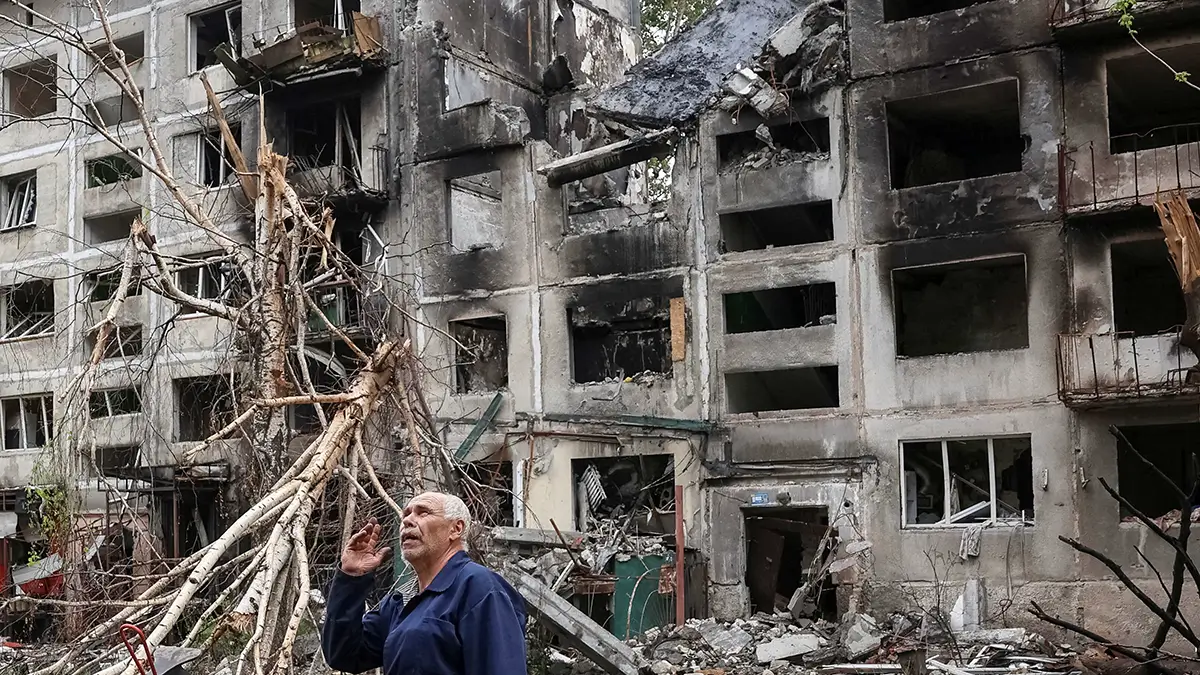
In the last few hours, without going any further, Brussels airport has had to close again because there were drones flying overhead, which was causing major disruption to air traffic. What can you tell us about your experience in Pokrovsk?
In recent days, more and more voices have been saying that the city could fall in a matter of weeks, but it is not the same to read analysts or talk to people from a distance as it is to go there in person and see the expressions on the faces of those soldiers when they listen to radio communications, when you ask them about the situation, or the position of unmanned vehicles, as I did, You can see all the movements of the war in real time on a screen, because that is what the war in Ukraine is like right now: drones that see everything and drones that are used for logistics, for attacking, for carrying out operations and missions that require people because these unmanned vehicles are not autonomous, they do not work on their own.
To operate one of these drones, you need a team of three, four or five people, but right now it's being done remotely to support the infantry that has been left in the worst part of the front line, in the cities of Pokrovsk and Mirnogrado, which are practically surrounded, with urban combat already taking place in Pokrovsk.
Russia is said to have deployed some 150,000 men in this part of the front line. There is talk of an 8-to-1 numerical advantage, both in terms of troops and drones, and during the entire time I was there, they did not stop attacking with guided bombs. In response, President Zelensky said this week that they will try to preserve the lives of Ukrainian soldiers, which means that they will not launch any counterattacks to buy time.
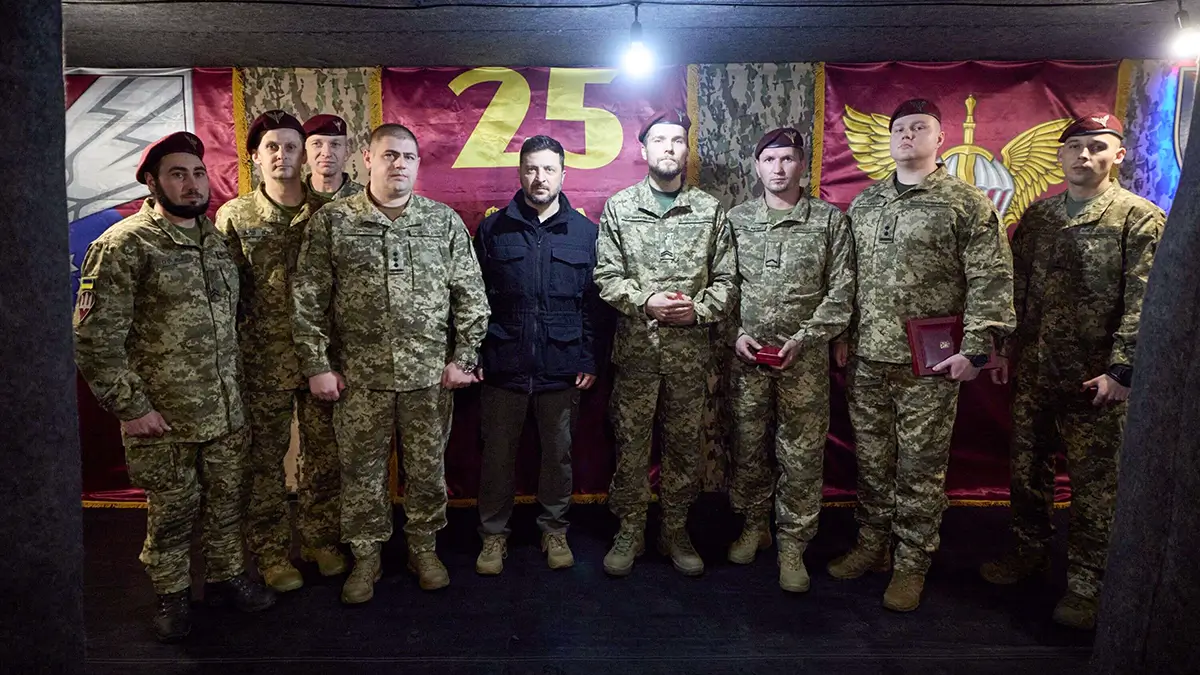
So now the question is what will happen to the 1,000 civilians, 1,000 people who remain inside Pokrovsk. It seems that the Ukrainian Army's intelligence service (GUR) may be working on an evacuation route. Several people have told me that they are inside the city, but at the moment, not even the military can enter there in vehicles; they enter on foot, carrying their equipment. Supplies are dropped from drones. I really don't know how they are going to get those 1,000 people out of there, especially considering that most of them will be very elderly, including people with mobility problems.
What I could see on the screens when I was there was a continuous movement of Russian troops, attempts at assault, attempts at sabotage with small groups which, even if they are killed, their officers immediately send in another group.
Russia's disregard for the lives of its soldiers is something we have reported on here throughout these almost four years of war, and it continues to be the same or worse. The opposition told me that the losses Russia had suffered in order to get closer, to enter the city of Pokrovsk, were unusual. Not even in Bakhmut does it seem that so many personnel would have been lost, and yet, from what we can see, the objective of Moscow's forces is to conquer this city at any cost and regardless of the number of lives lost along the way.
Was it possible to distinguish whether it was North Korean, Cuban or Russian troops trying to take Pokrovsk?
The combat mission used night vision cameras, which have much lower resolution than the 4K cameras used during the day. so you could see the people, you could distinguish them perfectly, you could even see if they had a generator at the entrance to the position or if they had a drone stationed nearby, you could even see the weaponry, but it was impossible to distinguish the nationality of the person, at least at night. But what really caught my attention was the movement, it was a continuous swarm of soldiers moving from one side to the other, in very small groups.
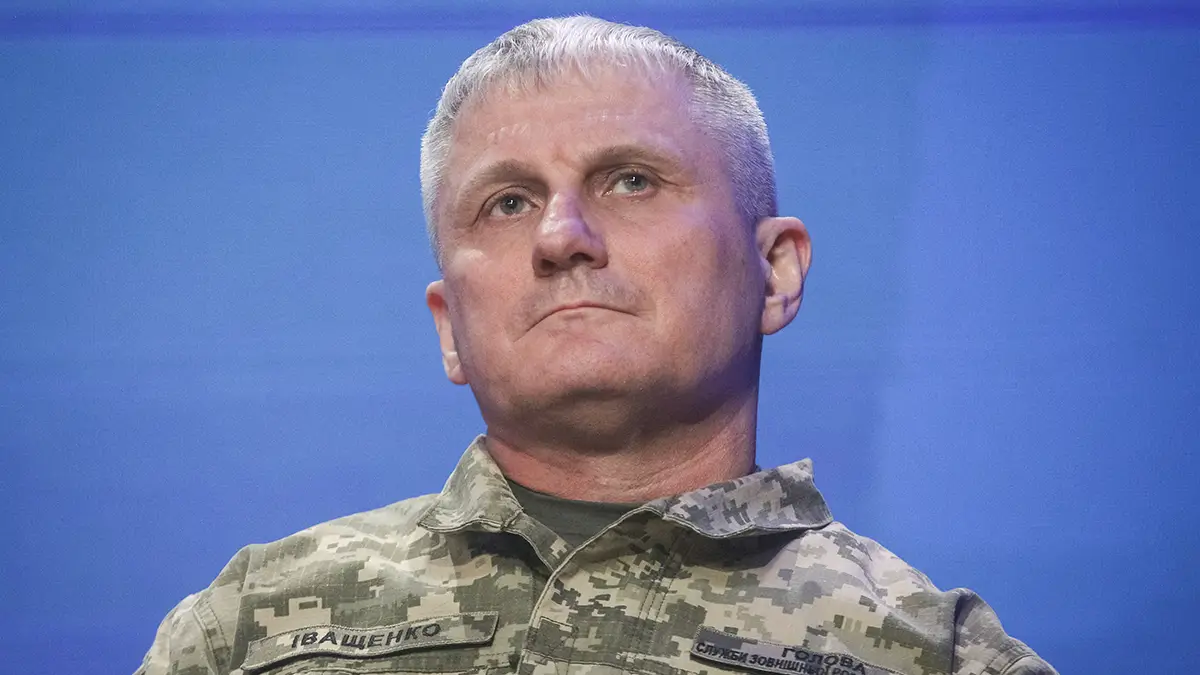
And the fall of Pokrovsk, what could it mean, how should it be assessed, how could it influence developments right now or even a possible negotiating table?
The negotiations depend solely on Putin, it depends on whether Putin wants to stop the war and his expansionist ambitions. We don't know how far they will go.
So the fact that Pokrovsk has fallen does not mean that Ukraine will sit down at the negotiating table, because Ukraine already wants to sit down at the negotiating table. It is Putin who does not want to right now, who is rejecting all the reasonable conditions offered by Ukraine to at least reach a ceasefire. In that sense, I don't know if the negotiations will have any weight or not, but in terms of the defence around this Donetsk front, it will change everything.
On my way to the position, I saw that they are greatly delaying the defensive lines, all kinds of defensive lines are being built at full speed with dragon's teeth, with barbed wire, covering more roads with those anti-drone nets, which seem to be the only effective means they have now to prevent small FPV drones loaded with explosives from hunting down vehicles, which also do not discriminate between military and civilian vehicles. And those defensive lines are being delayed a lot.
I don't know if this fortification, which is no longer a second line but a third line of Ukraine's layered defence, is coming too late. If Pokrovsk falls, Mirnogrado would be practically surrounded and the Ukrainian troops fighting there would have to be extracted somehow.
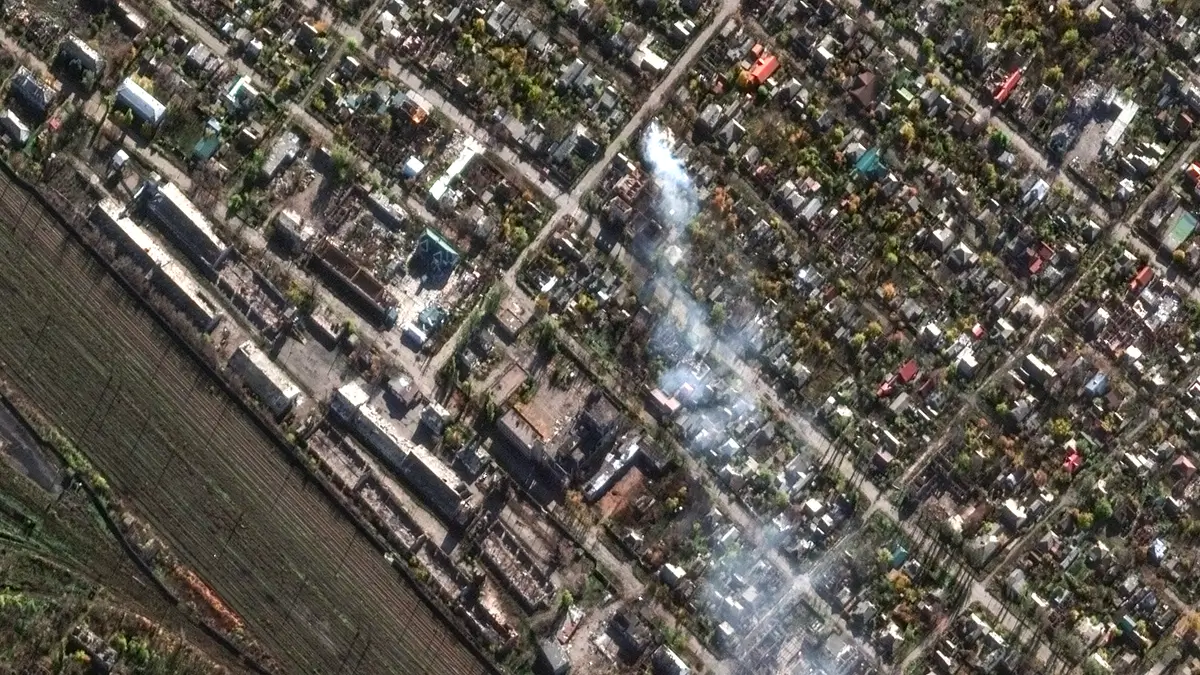
Before that, there are two towns, Rodinska and Bilinska, but the next major defensive line would be established in Dobropilia, which is already a ghost town due to the incessant drone activity. The fact is that they no longer need to arrive with artillery or infantry. With drones, which now have a range of 40 or 50 kilometres, that grey line is getting bigger and bigger, which I believe is one of Russia's objectives at the moment on the Donbas front.
The first trial in Ukraine of a Russian soldier for killing a soldier who had surrendered has taken place.
That's right, yesterday the court in Zaporizhia sentenced a Russian soldier to life imprisonment for the murder of a Ukrainian prisoner of war. It is the first sentence of its kind handed down by the Ukrainian justice system after trying a Russian soldier for a war crime such as this.
The 27-year-old Russian defendant shot and killed Ukrainian soldier Vitaly Khodnyuk in January 2024 after his position was captured by a Russian assault team. Vitaly surrendered and laid down his arms, but that did not prevent this individual from executing him.
Shortly afterwards, the Ukrainian army managed to capture this Russian unit and Vitaly's killer admitted to the facts and pleaded guilty. However, yesterday, after hearing the life sentence, this soldier told the press that he was retracting his statement and wanted to appeal and be exchanged for Ukrainian soldiers. He must not have liked the life sentence.
The Ukrainian Attorney General's Office has reported that 322 murders of combatants who surrendered or laid down their arms unconditionally are being investigated, but the truth is that it is estimated that there have been thousands of summary executions and murders of Ukrainian prisoners after they were tortured. The problem is that gathering evidence and finding those responsible for these war crimes is very difficult when they are not in territory controlled by Ukraine.
And what about the 2,000 miners in the Dnipropetrovsk region?
2,595, actually. Russian bombing of Ukraine's critical infrastructure continues, intensifying with each passing day. Yesterday was a particularly difficult day in Donetsk and the neighbouring province of Dnipro, which is where the last coal mines under Ukrainian control are located, and where there is a large concentration of this type of mine. The Russian bombings are extremely intense, with guided bombs and also drones. These guided bombs left eight of these mines, with 2,595 miners underground, without electricity and completely isolated.
The evacuation began immediately afterwards. I was with them, I was in one of these mines in Pavlovrat, which are coal mines. A little over a year ago, I went down to the deepest tunnel there was. To get down there, there were several sections of electric trains, as well as some initial lifts, and you need electricity to be able to go up and down the mine, so I asked them what would happen if the power supply was cut off.
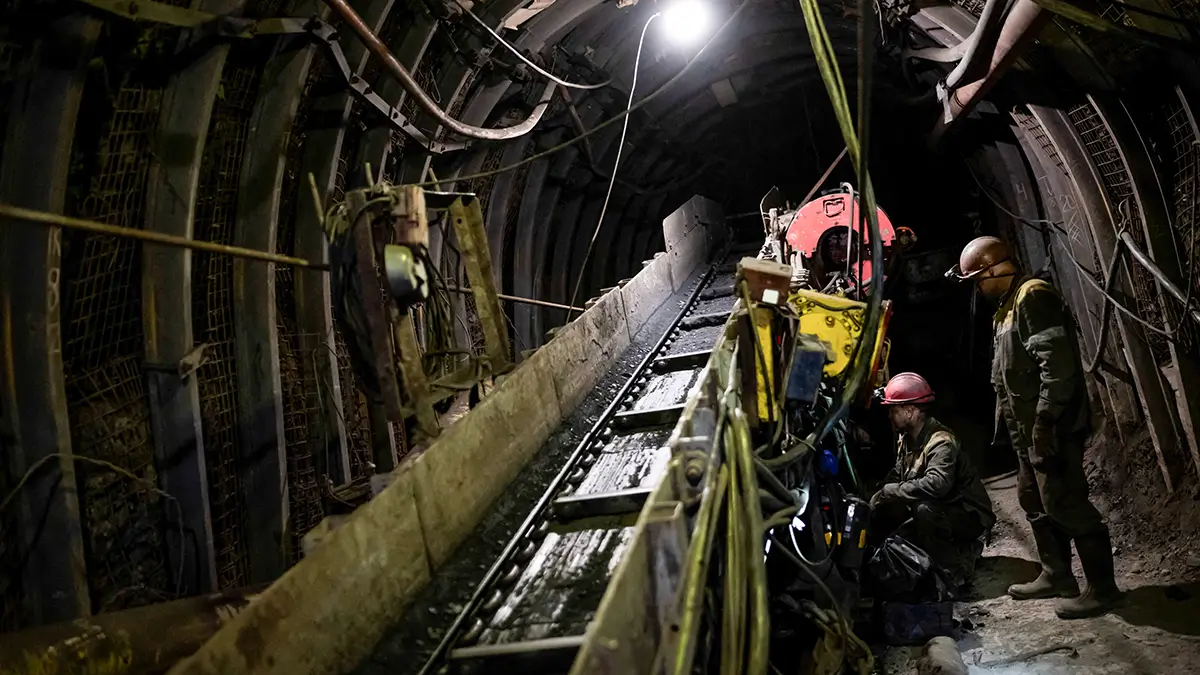
Last year, power cuts were already very frequent, and they explained and showed me that they had Soviet-era systems that worked without the need for electricity, using a weight compensation system, but it is a system where they can only bring up a few people at a time and it is much slower.
This is yet another example of the systematic attack on Ukraine's energy infrastructure, on critical infrastructure and on the infrastructure that makes it possible for civilians to continue living in Ukraine. These attacks were not against the front lines or the military, they were against the possibility of Ukrainian cities remaining habitable, as we are now entering winter and sub-zero temperatures are set to begin.
It is no longer enough for them to bomb these thermal power stations, these power stations; now they are directing these attacks towards the place where the coal is mined that then heats the homes of civilians here in Ukraine.