Western Sahara: a UN resolution in the form of a revolution
On Friday, the United Nations Security Council adopted a resolution recognizing Morocco's autonomy plan for Western Sahara. This is a diplomatic victory for Rabat over Algiers
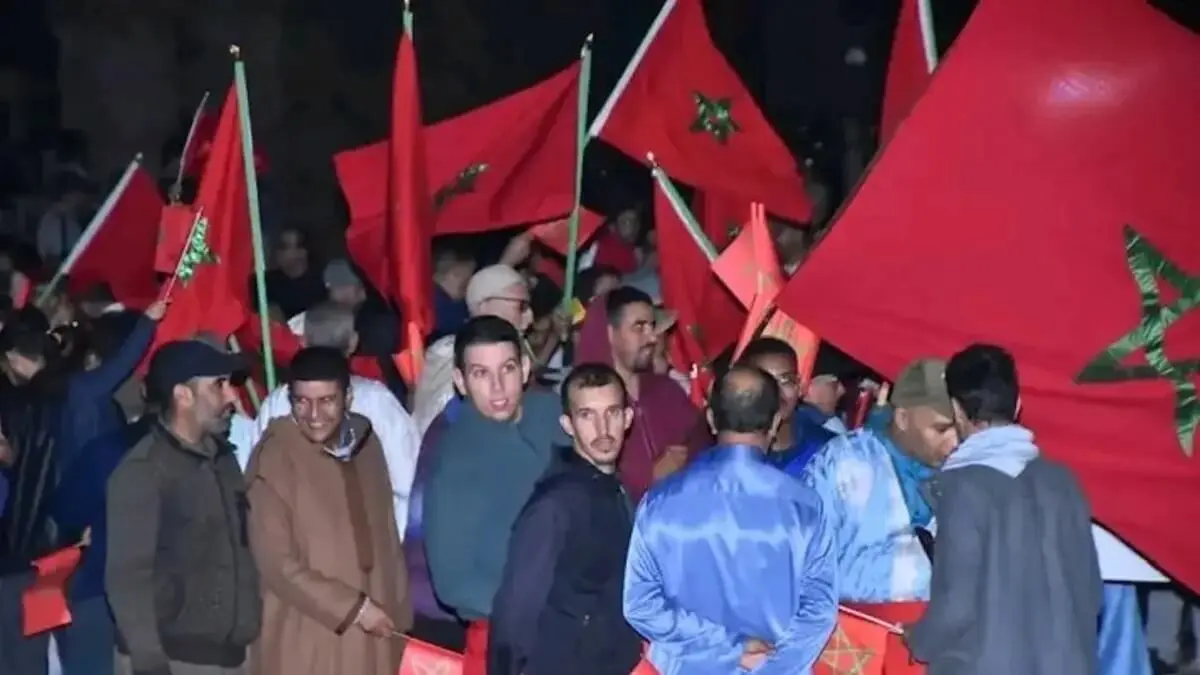

- Algeria could hardly refuse a negotiation that the Polisario would accept.
- The evolution of the Polisario Front
- A fine lesson in diplomacy made possible by the Moroccan monarchy's ability to take a long-term view.
The UN Security Council has just voted, as it has every year for the past 50 years, on a resolution on the question of Western Sahara, but this year's resolution is unlike any previous ones. There are, of course, some common points: the Council calls for the maintenance of MINURSO, the local UN peacekeeping force, for one year, and welcomes the role played by the Secretary-General's Personal Envoy, Staffan de Mistura, and his consultations with the various parties—Morocco and the Polisario Front, but also Algeria and Mauritania.
However, this issue, which had seemed deadlocked for more than fifty years, partly because the parties could not agree on the electorate that would be called upon to vote in a referendum on self-determination, now seems to be moving out of its legal impasse by taking into account the realities on the ground.
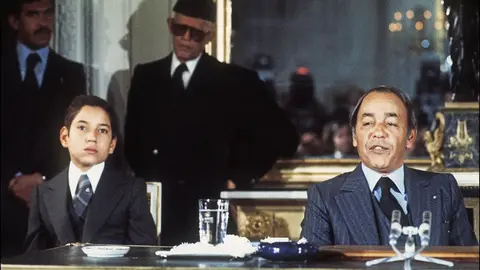
These realities are, first and foremost, the development of Western Sahara thanks to the efforts made by Morocco since 1975, when the Green March launched by King Hassan II led Spain to finally decolonize the territory. The southern provinces of Morocco have been upgraded in all major areas—education, health, transportation—and have experienced significant economic development—fishing, tourism, renewable energy. Today, the kingdom wishes, in partnership with other states in the region, to continue developing its Atlantic coastline, while opening it up to landlocked Sahelian countries, in a spirit of genuine regional dynamism.
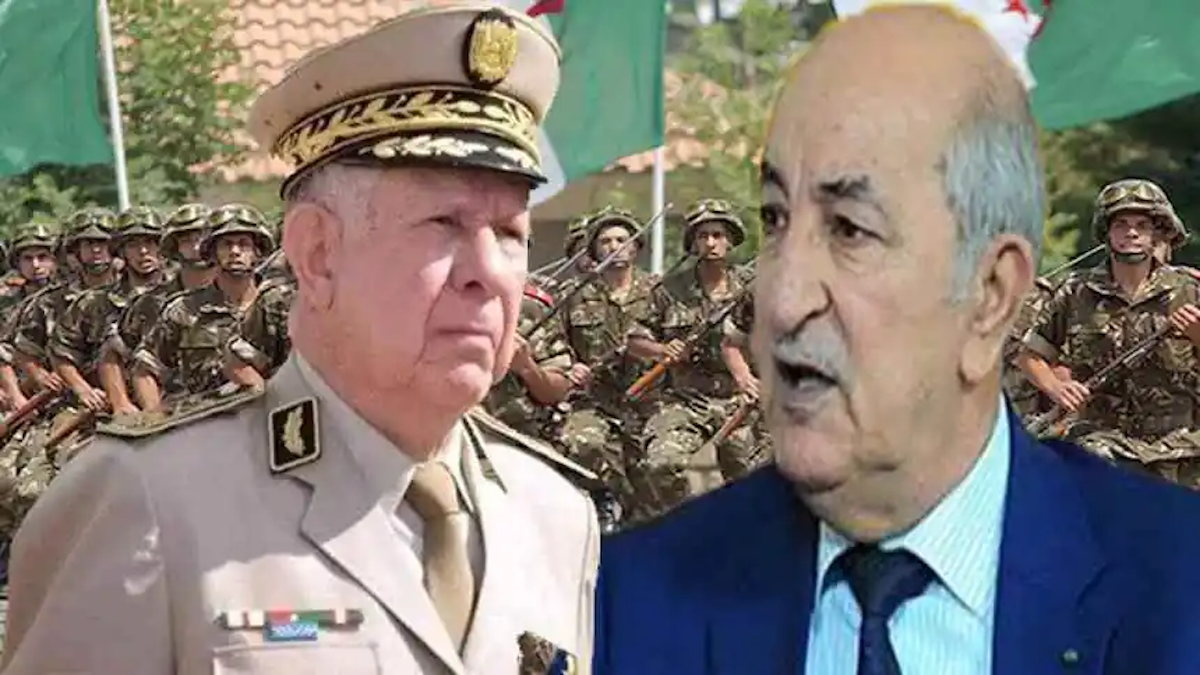
Algeria could hardly refuse a negotiation that the Polisario would accept.
The other reality is institutional: in 2007, the Kingdom of Morocco presented a proposal to the UN aimed at allowing, under Moroccan sovereignty, local autonomy that respects the interests, culture, and wishes of the local populations. However, more and more states have, on the one hand, recognized the Moroccan nature of this Sahara by establishing consulates there, while, on the other hand, the same states and others defend the Moroccan autonomy project as the only real solution to this conflict—and among the latter are now three of the five members of the Security Council, the United States since Trump's first term, and Great Britain and France since then.
The evolution of the Polisario Front
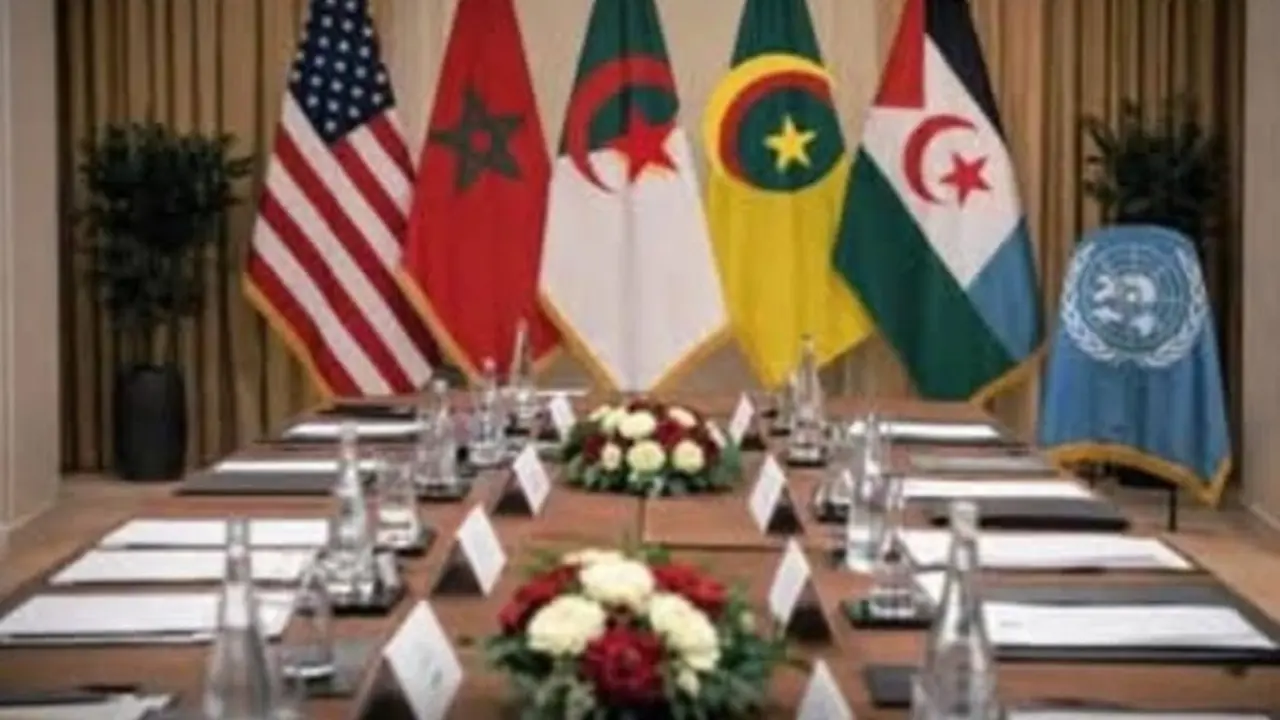
While previous Security Council resolutions took note of the existence of the Moroccan proposal, things have now changed with this new resolution, which sees it as “a viable solution to finally resolve the issue.” With the Secretary-General noting that there is real momentum and urgency to address the issue, the Security Council recognizes “that genuine autonomy could be the most realistic solution” and invites the various parties involved to come to the negotiating table on the basis of the Moroccan text, with the United States offering to host these negotiations as part of the mission of the Secretary-General's Personal Envoy.
Will they come? We have seen the recent evolution of the Polisario, moving away from the binary logic of independence or integration to consider enhanced local autonomy under Moroccan sovereignty, with the agreement of the populations. Of course, there is still Algeria, but it would be difficult for it to refuse negotiations that the Polisario would accept.
In any case, it is already a victory for Morocco, which has had the long history of the monarchy on its side in this matter, as useful to diplomats as it is to builders, and which has always known how to reach out to its adversaries — the king has stated several times that there should be no winners or losers on this issue and repeated this again last night after the vote —, which has been able to act on the ground without being incapacitated and, as we can see, propose realistic institutional solutions.
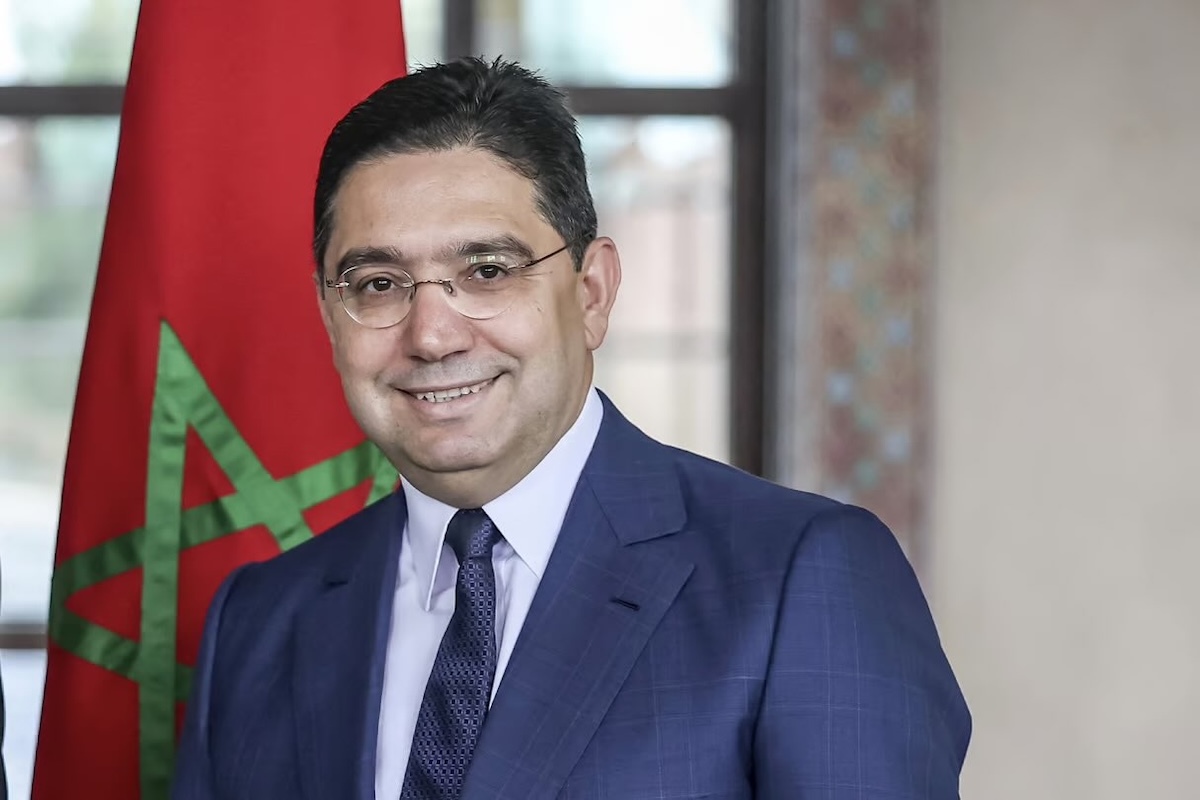
A fine lesson in diplomacy made possible by the Moroccan monarchy's ability to take a long-term view.
If an agreement can finally be reached thanks to these efforts, Morocco will have led the international community to two important developments. The first will have been to move certain UN diplomacy away from purely theoretical legalism and towards taking into account the realities on the ground: the passage of time, population changes, the need to put an end to the refugee situation, and the ever-increasing support of the international community for a project are now all factors that can no longer be ignored when examining a sensitive issue.
The second development is the contribution, on a continent, Africa, whose populations have suffered from the establishment of colonial borders and their maintenance after independence, of this concrete example of the establishment of autonomy that respects the economic, cultural, and political interests of local populations, without calling into question state sovereignty.
This is a fine lesson in diplomacy, made possible by the Moroccan monarchy's ability to take a long-term view and to rally not only its own people but also other states behind it. This is a development that should be closely monitored in the field of international relations.