Armed attack on Ahmadiyya mosque located at headquarters in Rabwah, Pakistan
- Details of the incident
- Background
- Statement by the World Leader of the Ahmadiyya Muslim Community
- Conclusion
An armed assailant opened fire on the Baitul Mahdi Ahmadiyya mosque in Rabwah, the administrative headquarters of the Ahmadiyya Muslim Community in Pakistan. Six members of the community were injured by gunfire. The attack occurred during Friday prayers and was one of the most serious acts of violence directed against Ahmadis in recent months.
Details of the incident
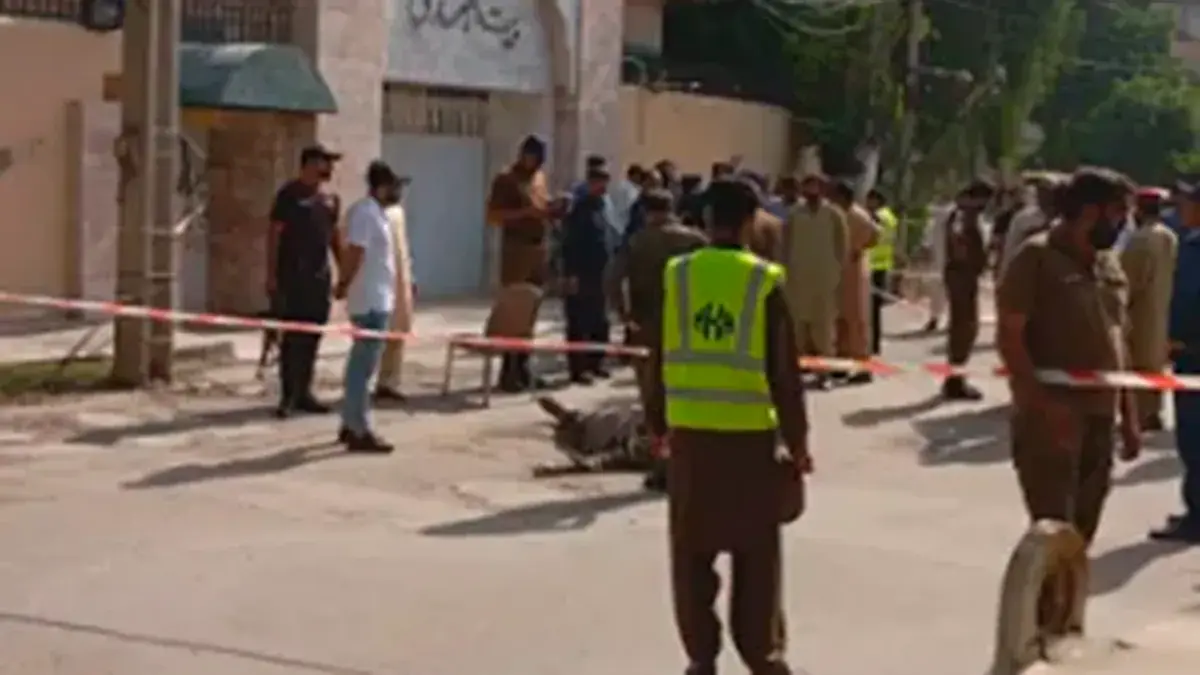
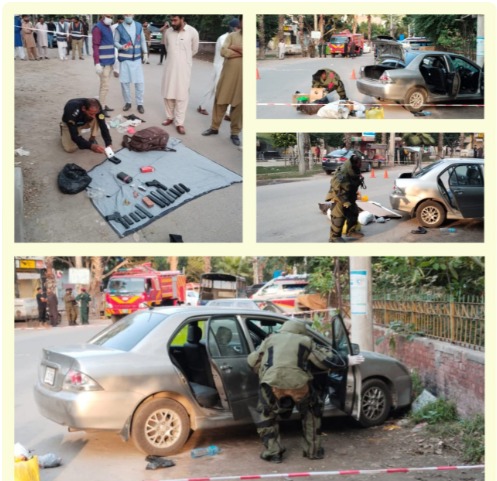
At approximately 1:22 p.m., a man armed with a pistol approached the Baitul Mahdi complex and opened fire near the main gate, where Ahmadiyya volunteers were stationed for security duties. Six Ahmadis were injured. The attacker was subsequently shot dead when community security personnel returned fire.
Eyewitnesses confirmed that the incident occurred while worshippers were gathered in prayer. The attack caused panic among the congregation and sowed fear in the city of Rabwah, where Ahmadis have long faced harassment, stalking, and numerous restrictions on religious practice because it is the headquarters of the Community.

Background
The attack on the Baitul Mahdi mosque is part of a widespread pattern of violence and increasing repression against Ahmadis in Pakistan throughout 2025. So far this year, no fewer than twenty-two Ahmadi mosques have been desecrated, minarets and prayer niches demolished - often by local authorities themselves under clerical pressure. These acts coincide with an increase in campaigns to prevent Ahmadis from holding Friday prayers, making this weekly practice a recurring point of hostility.
Since February, there have been multiple police reports against Ahmadis for simply performing these Friday prayers, including mass reports in the cities of Sargodha and Daska, where dozens of worshippers were arrested or charged. In several districts, including Faisalabad, Sheikhupura and Karachi, mosques have been sealed, worshippers detained and prayer congregations disrupted or attacked by extremist groups, often with the tacit approval or participation of local officials.
These incidents are indicative of the climate of organised intolerance in which Ahmadi religious life is systematically attacked, from the architecture of mosques to congregational prayer. The assault on the Baitul Mahdi mosque must be understood within this context of sustained and intensified persecution.
Statement by the World Leader of the Ahmadiyya Muslim Community
His Holiness Hazrat Mirza Masrur Ahmad, World Leader of the Ahmadiyya Muslim Community, addressed the armed attack on Baitul Mahdi in Rabwah, confirming that between five and six members of the Community had been injured, two of them critically, and had undergone surgery after being shot in the abdomen.
Commenting on the official statements of the Punjab Government on crime control, His Holiness highlighted the contradiction between these statements and the daily reality of targeted attacks, murders and arson attacks against Ahmadis, acts which, in his words, do not seem to be recognised as crimes by the state authorities. He prayed for divine justice, for guidance for those in power, and for the prompt manifestation of God's support for the Community.
The Ahmadiyya Muslim Community requests support and collaboration for:
- Recognition that these attacks on Ahmadiyya mosques are part of a pattern of targeted religious persecution and a specific threat to religious freedom in Pakistan.
- The immediate cessation of the sealing, demolition or forced alteration of Ahmadiyya mosques and prayer spaces, including actions carried out under clerical pressure or under the pretext of ‘administrative compliance’.
- Ensure the unrestricted right of Ahmadis to conduct their Friday prayers and other congregational meetings without arrest or intimidation by state authorities or third parties.
- Investigate all incidents of violence, incitement and organised disturbances against Ahmadi religious activity, especially where law enforcement agencies have failed to intervene to prevent them, or have even actively participated in the unrest.
- Establish clear legal and administrative protections for Ahmadiyya places of worship, in accordance with Pakistan's constitutional obligations and its international commitments to religious freedom.
- Hold accountable those who incite or facilitate violence against Ahmadiyya mosques, including political, religious and media figures who promote hate speech or crowd mobilisation.
Conclusion
The armed attack on the Baitul Mahdi mosque is not an isolated incident, but part of a broader pattern of sustained and coordinated hostility against Ahmadi mosques. In 2025 alone, 22 mosques have been sealed, desecrated or demolished. Worshippers have been arrested, harassed or violently attacked, often with the participation or consent of state actors. The regular criminalisation of Friday prayers and the physical attack on mosque structures reflect an environment in which Ahmadi religious life is being systematically curtailed.
Without immediate structural protections and legal accountability, these attacks will continue. It is no longer sufficient to treat these incidents as isolated security failures. The Pakistani state must confront the organised campaigns that portray Ahmadis as legitimate targets and guarantee the right to worship – including the right to exist in religious spaces – without discrimination or fear.