Morocco rewrites dinosaur history: scientists discover the world's strangest armoured dinosaur
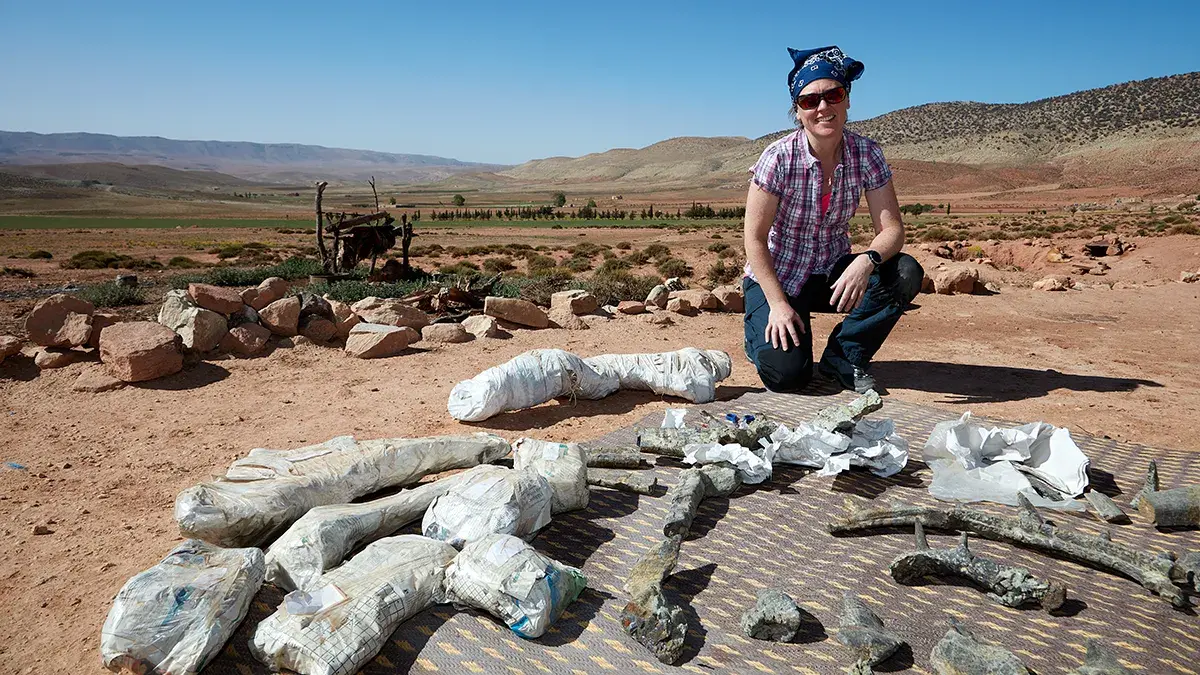
In collaboration with the prestigious scientific journal Nature and the National History Museum in London, a team of scientists and researchers from the United Kingdom, South Africa and the United States have discovered the fossils of the world's strangest and oldest armoured dinosaur of its kind in Morocco.
The species was named Spicomellus afer, which in Latin is a combination of its description and place of origin. Spicomellus means “spine bracelet”, and afer refers to Africa, where the fossils were found. The discovery reinforces the palaeontological importance of Morocco and Africa in the evolution of ankylosaurids.
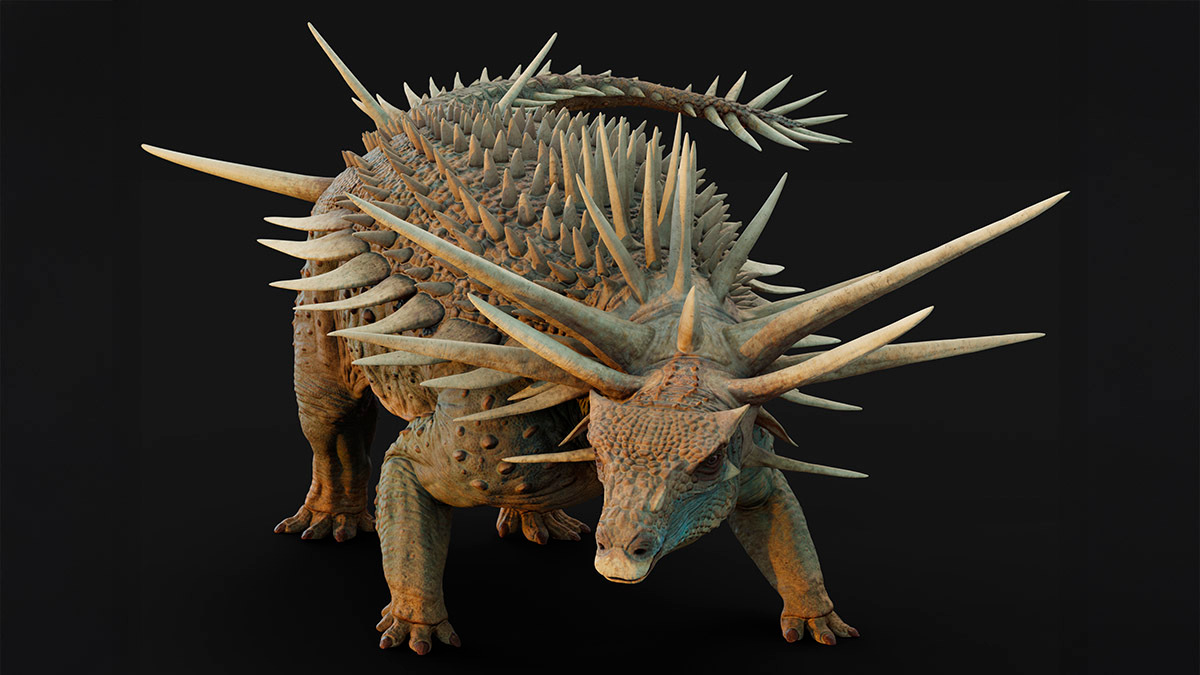
According to studies carried out by Nature magazine, the species would have lived around 165 million years ago, belonging to the Mesozoic era in the Middle Jurassic Period, an era known for giant herbivorous dinosaurs and the emergence of the first mammals. This surprised scientists, as specimens of the armoured species had been found in North America, Europe and Asia, but never in Africa.
The characteristics that make Spicomellus afer special are the enormous number of horns and spines that surrounded its entire skeleton, some of them more than a head waiter long. Another special feature of this dinosaur was its long tail, which is unusual for armoured dinosaurs. Furthermore, unlike reptiles whose spines are attached to the skin, in the case of Spicomellus afer, they are part of the skeleton.
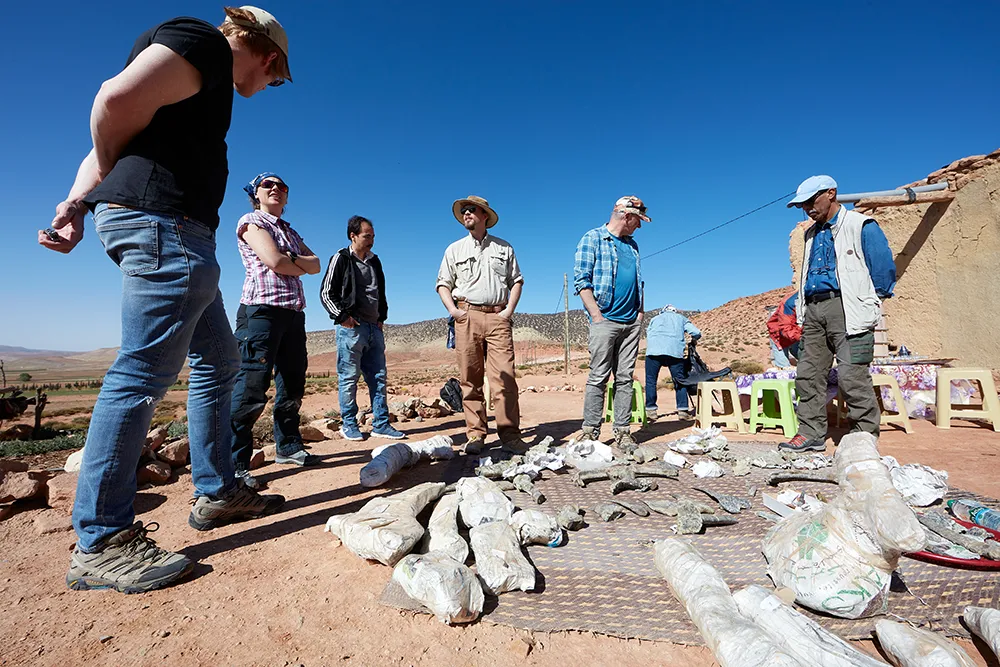
Research, which began in 2019, has revealed that the discovery represents a paradigm shift in the study of armoured dinosaurs. ‘The structure of Spicomellus afer is completely different from that of any known animal, living or extinct,’ said researchers Susannah Maidment and Richard Butler, who identified that the skeleton found near Boulemane, in the Atlas Mountains, has unusual characteristics.
Several questions arise following the discovery, but the main mystery for scientists is related to the animal's mobility due to its excessive number of spines. Butler pointed out that these remains ‘change what is known about the appearance of caudal weapons in armoured dinosaurs.’ Functional analysis of the armour suggests that the development of such prominent spines would have required considerable energy expenditure.
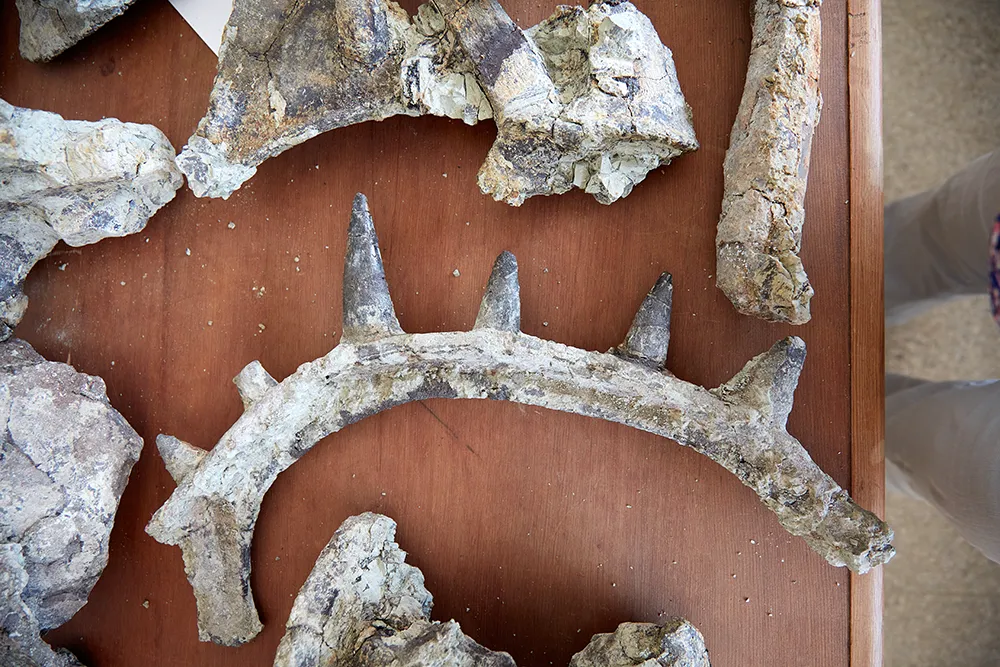
The discovery opens the door to new questions about how dinosaurs actually evolved and what led them to develop such spines at such an early age, compared to the information already known, which this discovery has thrown out the window. However, initial hypotheses link this development to defence against potential predators and as a symbol of sexuality.
The fossils, which are still being studied due to their uniqueness, can be viewed at the Natural History Museum in London.