
The Burial of the SADR

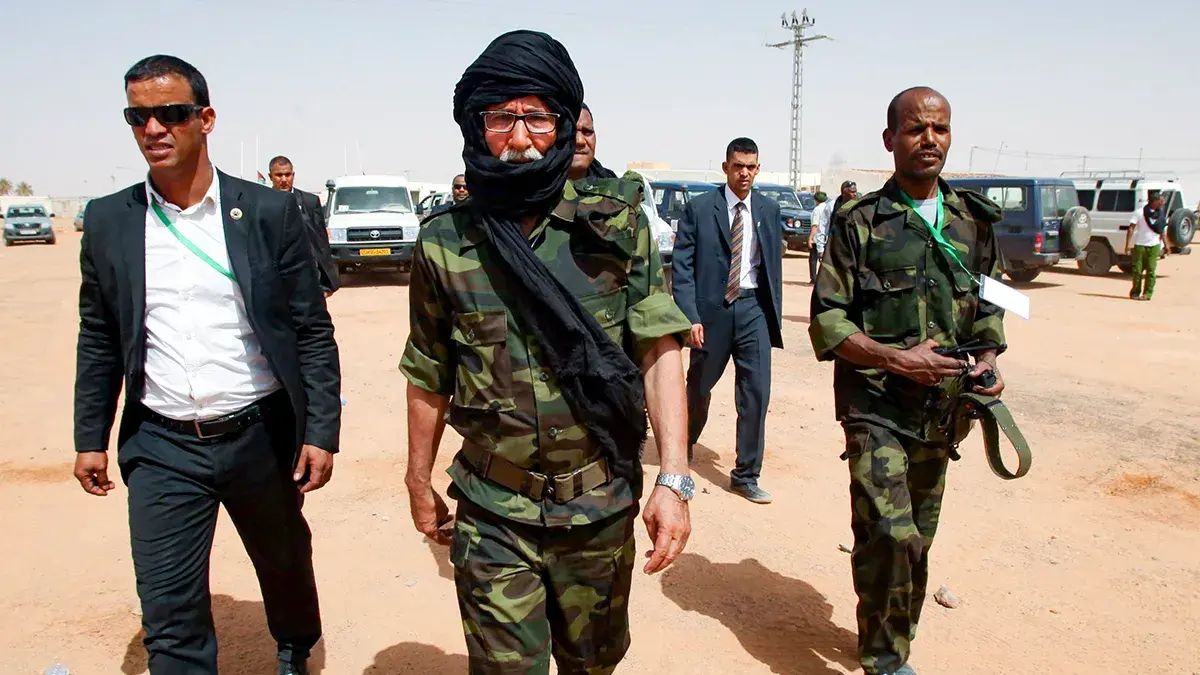
However, in 2025, the sardine has no scales and is not canned, but dressed in a tattered uniform, with sandals scorched by the Tindouf sun, brandishing outdated slogans from the last century.
Let us suppose that I am talking about the Polisario Front militia which, after decades of marching under the banner of self-determination in the arms of Algeria, today watches helplessly as its funeral procession is presided over by the Security Council, widely followed by the international community, with the obituary of UN Resolution 2797, adopted on 31 October 2025.
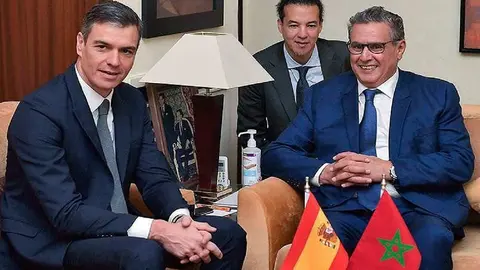
Meanwhile, Algiers watches with resignation its diplomatic defeat at the hands of Morocco, which, in a global strategy masterfully designed by King Mohammed VI, has managed to shore up its regional, continental and global influence. This effort began in 2007 with the presentation of the autonomy plan to the UN, which the Security Council has just endorsed as the only possible political solution that is ‘serious, credible and realistic’.
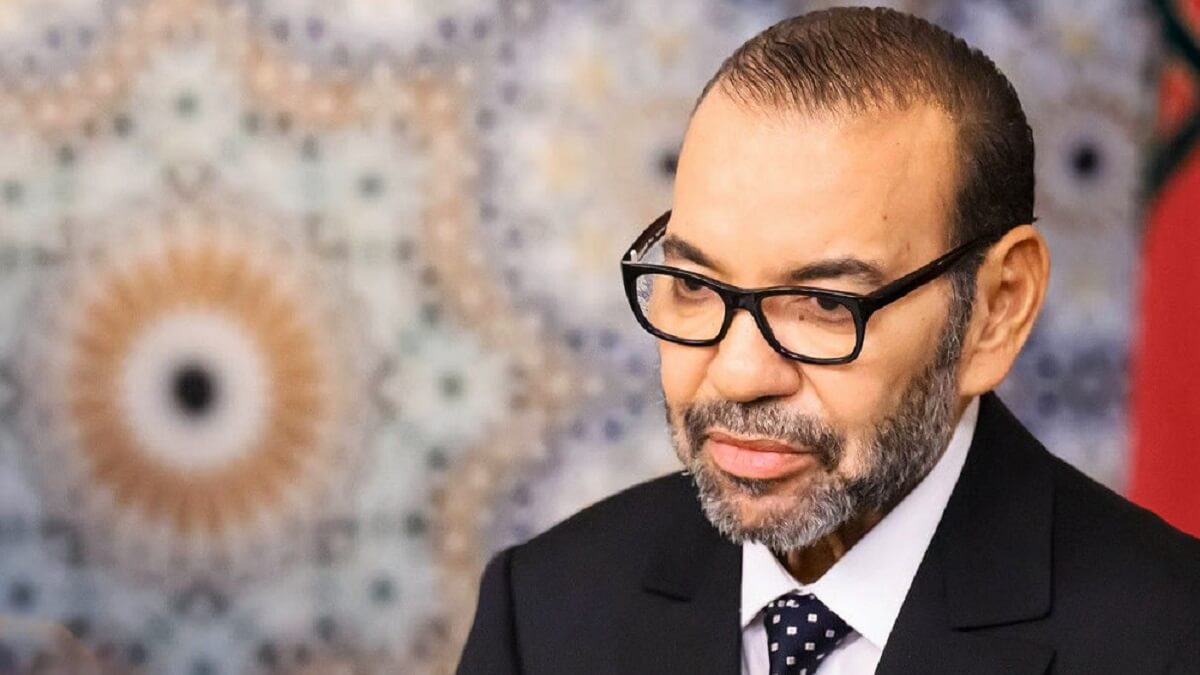
The defunct Polisario militia leaves us after 50 years, moving from false cries of self-determination to the international chorus that restores the historical and legal rights of the Kingdom of Morocco over its southern provinces. not in vain had the ruling of the Hague Tribunal emphasised that this territory was not ‘terra nullius’, but was populated by nomads with legal ties to the Sultanate of Morocco.
Although at first, in 1975, when the world was divided between capitalism and communism, the general opinion on the carnivalesque dispute over the Moroccan Western Sahara was masked behind these ideologies. In fact, the Polisario was based on a communist-inspired text that highlighted its doctrine and its alienation from the Algerian revolution, throwing itself, with the population taken hostage, into the lap of Algeria and Libya, then satellites of Brezhnev's USSR.
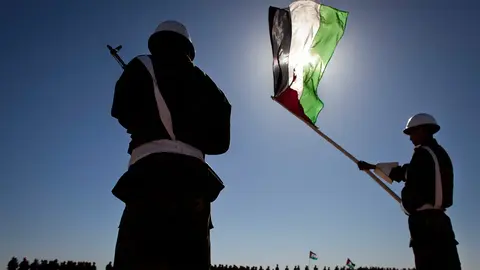
But in 2007, the Kingdom of Morocco proposed a plan for autonomy for the territory under its sovereignty, and King Mohammed VI himself embarked on a complex web of multilateral relations with official trips to Africa, before turning his attention to the major powers with decision-making power in the Security Council (the United States, the United Kingdom, France, China and Russia), as well as Latin America, Asia and the Arab world.
Meanwhile, the Algerian political-military power committed its mortal sin by showing its unwillingness to cooperate with the UN, wasting the round tables for fear of being overtaken by the growing international consensus on the Moroccan plan. What is more, tensions escalate and, in 2020, it unilaterally breaks off relations with Morocco and introduces a constitutional reform allowing its army to intervene outside its borders, setting off alarm bells.

However, Morocco's intense diplomatic offensive culminated in Resolution 2602 in October 2021, following the shift in the United States' position a year earlier when, under the Trump administration, it unreservedly backed the autonomy plan, a position that Biden maintains and Trump reaffirms in his current term.
At that point, Minister Nasser Bourita embarked on an unprecedented marathon campaign to seek further international support, which soon came flooding in, mainly from Arab countries, almost the entire African continent, Asian and Latin American countries, Germany, Spain and, finally, the entire EU, as well as countries with permanent seats on the Security Council, such as France and England.
China and Russia, Algeria's so-called allies, turned their backs on it by abstaining and, above all, by not using their veto. This confirms the military's total isolation and its lack of influence in the region, on the continent and in the world.
And so, as if it were a carnival, the troupes changed their banners. Where before they recognised the SADR and consistently called for a ‘referendum’, now they read ‘serious, credible and realistic autonomy’ under the sovereignty of the Kingdom of Morocco.
Resolution 2797, promoted by the United States, turns out to be the only possible and lasting political solution after 50 years of deadlock; it marks a key turning point in the Moroccan Western Sahara conflict and buries the Polisario militia and its phantom republic.
King Mohammed VI continues to call for harmony and understanding from a position of equality, with no winners or losers; however, Algerian unreasonableness keeps the ruling military leadership in hostile dialogue with Morocco. Most worryingly, the inert remains of the Polisario, which no longer has any internal or external support, are beginning to turn against their sponsor, questioning its diplomacy.
We know that Algeria will find it difficult to shed its disguise. But its obstinacy, more out of contrariness than strategic calculation, is only deepening the country's self-destruction, causing it to lose its role in the Maghreb and mortgaging its international credibility. A timely withdrawal is a victory, otherwise it could be dragged into decline, on the way to a joint grave with the SADR, to which it clung for too long.
The UN ruling unmasks the Algerian political-military regime and thwarts its perverse ambitions (access to the Atlantic and control of the Guerguerat border post), which are largely superseded by current geostrategic dynamics.
Amid tears and diplomatic fireworks, we bury the Polisario sardine and its republic, much to the chagrin of those nostalgic for the Soviet disguise, putting an end to an anachronistic utopia. Because after the burial comes the celebration, as a geopolitical scenario opens up with a new era of hope, peace and prosperity in the Maghreb region with African and Atlantic projection.
The success of the Kingdom of Morocco's foreign policy can only be explained by the diversification of its alliances and its projection as a reliable strategic partner for other actors, in addition to defending its own national interests; this contrasts with the sinful policy of confrontation of an Algerian military regime that is now isolated from the world.
It is now urgent to identify and register the population and hold a referendum in Tindouf with a “Yes” or “No” vote on returning to the motherland and alleviating their distress. It hurts, and hurts a lot, to see Sahrawi nomads, free men and women, tied to a stake in the middle of nowhere begging for international aid.