
Algeria in the mirror: the regime that refused to face reality

- Legend and recent UN decision in the Maghreb
- Security Council and Moroccan autonomy
- Reflection of the Algerian regime in the face of geographical reality
- Differences between Morocco and Algeria in development and discourse
- Political and military impact following the Security Council ruling
- Global consensus and Algeria's loss of legitimacy
Legend and recent UN decision in the Maghreb
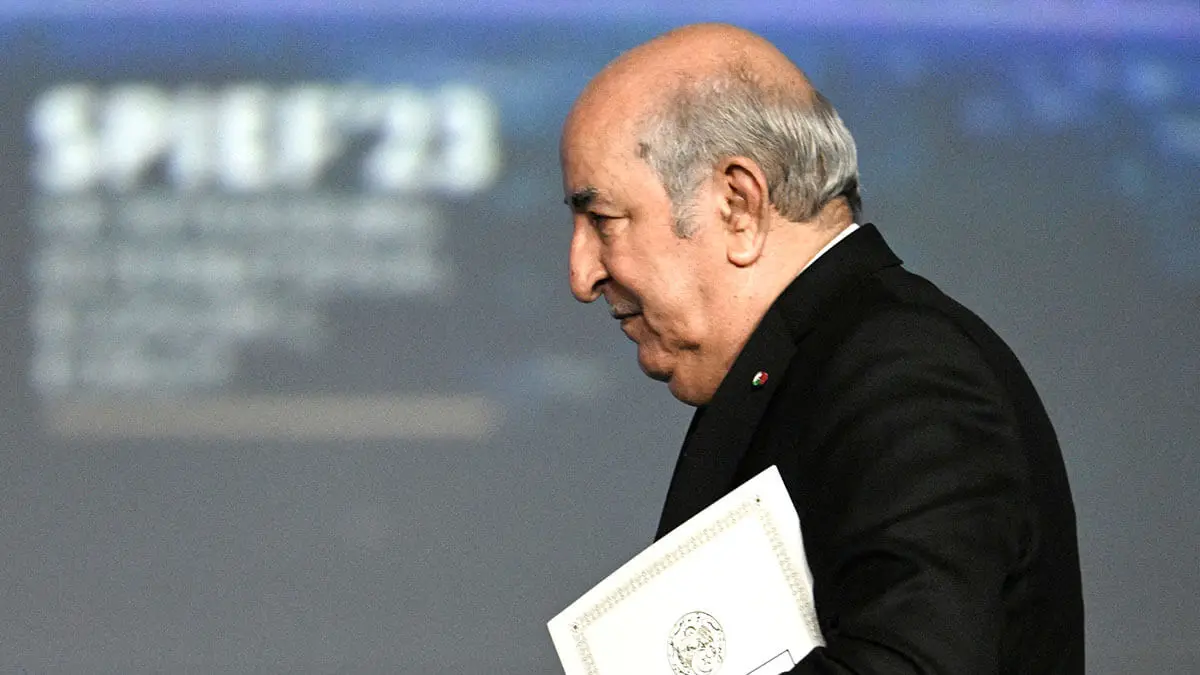
In the heart of the Maghreb, the legend of ‘revolutionary Algeria’ is crumbling in the face of the recent UN decision. The world has changed, and the concepts that lulled the masses to sleep under the slogan of ‘self-determination’ collapsed at the first test of reality. What is built on illusion cannot withstand transformation.
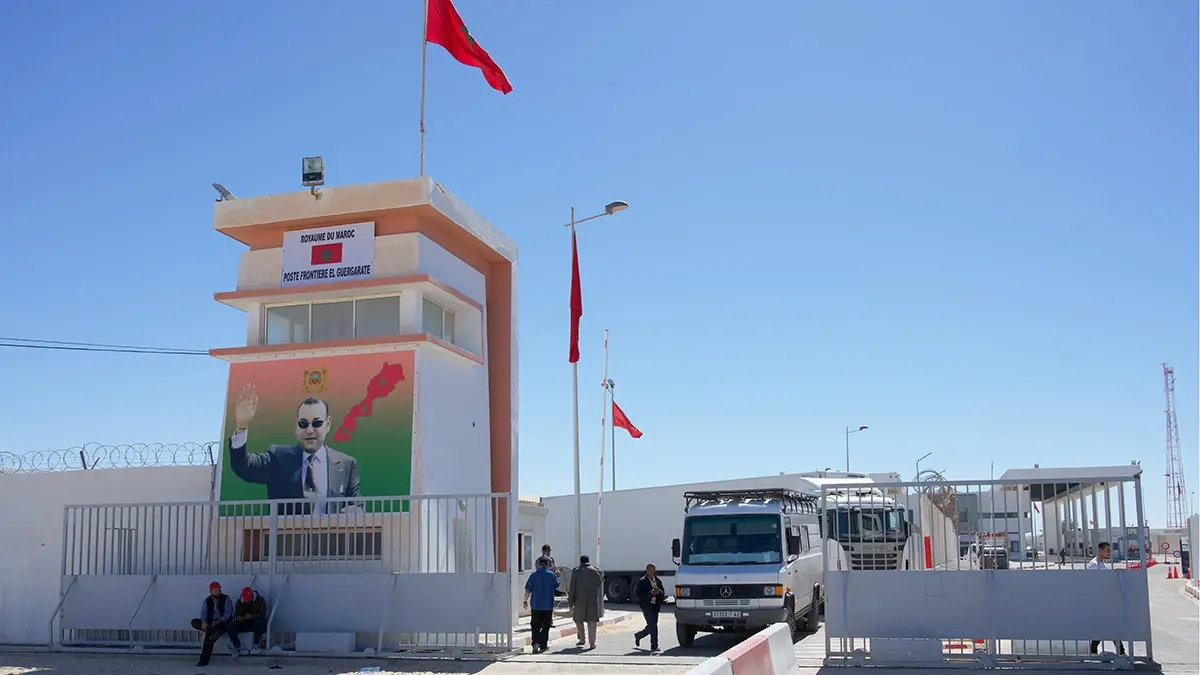
By adopting Moroccan autonomy as the sole basis for a solution, the Security Council has not only secured a diplomatic victory, but also marked the end of an era of false consciousness and rhetoric that used the Sahara as a pretext to postpone freedom within Algeria.
Security Council and Moroccan autonomy
The regime now finds itself facing its own mirror: it can no longer ignore that geography does not forgive lies. What is happening is not just a diplomatic setback, but the collapse of a philosophy that has guided its behaviour since the 1970s. For decades, the Sahara was the lever of its revolutionary legitimacy and the shield that postponed internal democracy.
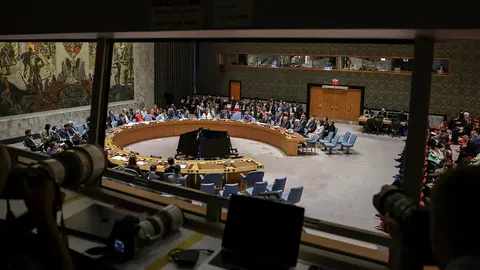
Today, the world is different. The Security Council no longer buys Cold War rhetoric. Morocco has turned the Sahara into a laboratory of development and modernity, while Algeria remains trapped in discursive trenches and Stalinist mentalities.

Reflection of the Algerian regime in the face of geographical reality
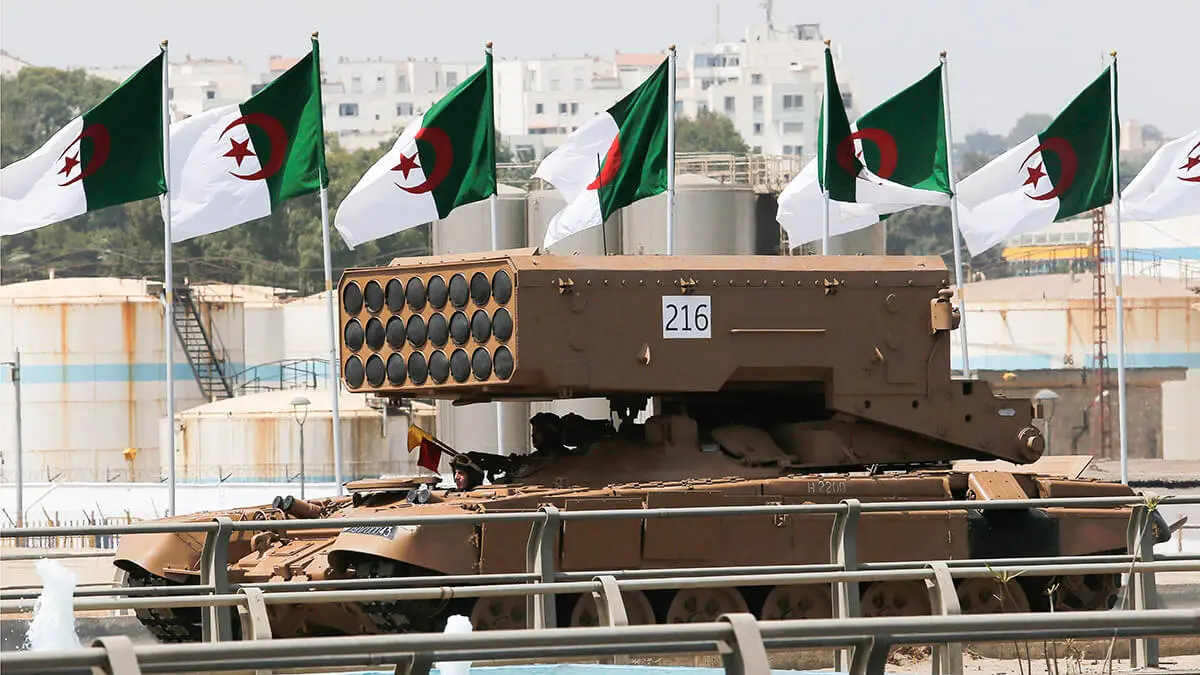
The decision was not only a triumph for Morocco, but also an existential slap in the face for a regime incapable of evolving. Revolutionary legitimacy has expired and militarisation, once a symbol of discipline, is now a burden on an economy dependent on gas and memories of the past.
After the ruling, nothing will be the same: the regime that agitated for ‘self-determination’ in every international forum faces a global consensus that recognises only Moroccan sovereignty. Thus, Algeria loses its historical role in this conflict and all its political, financial and media expenditure of half a century vanishes in an instant.
Differences between Morocco and Algeria in development and discourse
The Algerian population, tired of repetition, is beginning to question: How long will rentierism continue instead of development? How long will the army hijack politics in the name of revolution? The fall of external illusions brings with it internal crisis.
In geopolitical terms, the change redefines the balance of power in North Africa. Morocco consolidates its position as a force for stability and regional integration, while Algeria faces isolation and difficulty even in convincing its historical allies to maintain their support for a front that has lost its legitimacy.
Political and military impact following the Security Council ruling
The Sahrawis themselves perceive the change: the camps are history and the future lies in development, not in separatist illusions. Morocco's strategic and patient diplomacy linked the Sahara to regional stability, the fight against terrorism and migration management, turning the issue into a matter of global security. Meanwhile, Algeria failed to evolve its historical narrative.
The future of the Algerian regime has two paths: adapt to the new reality with a courageous review of its foreign policy, or move forward with further escalations, an option that contains the seeds of internal collapse. Legitimacy and official discourse will change, but history is unforgiving: slogans about the ‘liberation of the Sahara’ have collapsed in the face of reality.
Global consensus and Algeria's loss of legitimacy
When the dream turns into a nightmare, the regime loses its raison d'être. It can prolong its survival through repression and fear, but global consciousness cannot be blackmailed. The UN did not just end a conflict: it held up a mirror of truth to a regime that thought geography could be falsified in the same way that elections are falsified. The land does not lie, and those who do not reconcile themselves with it sink into it.
Abdelhay Korret, Moroccan journalist and writer