
Mediterranean: shared memory and media as a bridge of awareness

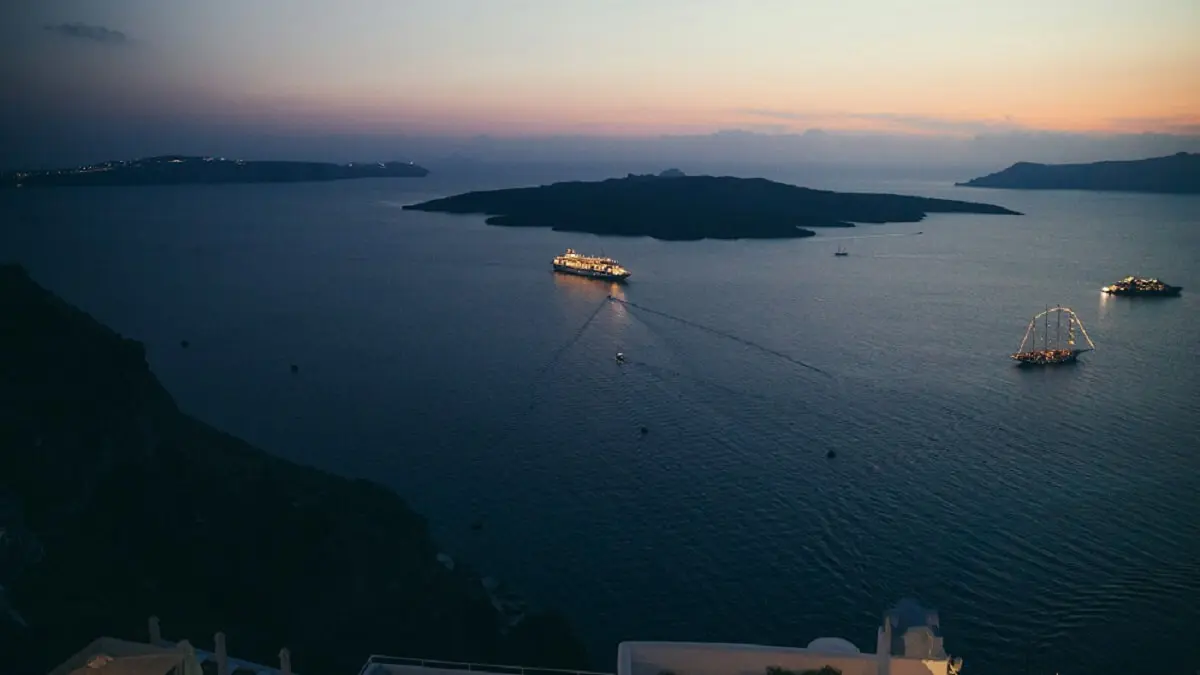
The Mediterranean is not just a sea; it is living memory, a witness that bears the traces of wars, migrations, and dialogues between civilizations. Between a North saturated with modernity and a South laden with questions, this sea has been a mirror of tensions, encounters, and transformations. Today, the media emerges as the invisible hands that sustain Mediterranean consciousness, not with armies or treaties, but through symbols, narratives, and shared meanings.
The media are no longer mere transmitters of information. They have become symbolic authorities capable of shaping collective perception, redefining identities, and producing realities that cross borders. While hard power acts with weapons and agreements, soft power operates on emotion, culture, and the ability to influence how peoples perceive themselves and others.
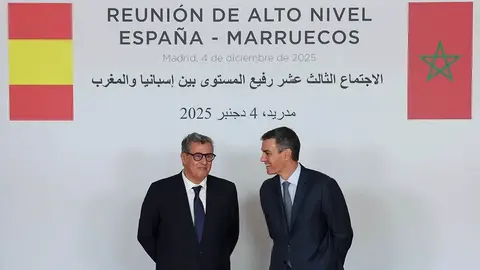
Voices from the South, such as Morocco, have begun to emerge not as mere receivers, but as active players in the construction of meaning. Their strategic position and multilingual cultural heritage offer them a historic opportunity to play a mediating role between Europe and Africa, producing their own Mediterranean narratives that engage with reason and history.
The real challenge is to move from journalism of transmission to journalism of understanding, from narrative dependence to symbolic independence. Many Mediterranean media outlets still reflect political and economic pressures that perpetuate inequalities between the center and the periphery. To be a real soft power, they need credibility, cultural depth, and historical sensitivity, not sensationalism or indoctrination.
Soft power also unfolds in culture: when Spain or Turkey export series to the Arab world, France spreads its language in Africa, or Morocco promotes multilingual media initiatives, a network of influence is built that shapes mutual perceptions and strengthens understanding between nations. The media thus acts as invisible diplomacy, slowly transforming the relationship between peoples.
The dispute in the Mediterranean is no longer just about territory; it is about meaning. Whoever controls the narrative controls memory and the way peoples recognize each other. Building a common space requires media that transform divisions into bridges, political justification into critical awareness, and differences into cultural intelligence. The Mediterranean has always been a sea of transit, not of separation.
Listening to both shores—the marginalized South and the weary North—is a condition for the birth of a Mediterranean consciousness based on shared memory and humanity. The media must see human beings beyond nationality and recognize their common fragility, which makes us similar and connects us.
Soft power lies in possessing meaning, not just narrative. When the media achieves this, the Mediterranean ceases to be a space of conflict and becomes a space of consciousness. Only then does this sea regain its essence: dialogue, shared memory, and rediscovered humanity.
As one philosopher reflected: “When man hears the echo of the sea, he perceives a language not yet corrupted by politics.” Thus, the media holds the key to restoring the Mediterranean to its true role: a space of encounter, not domination.
Abdelhay Korret, Moroccan journalist and writer