
Morocco and the silent mediators of the Sahara: why is Qatar's name resurfacing now?

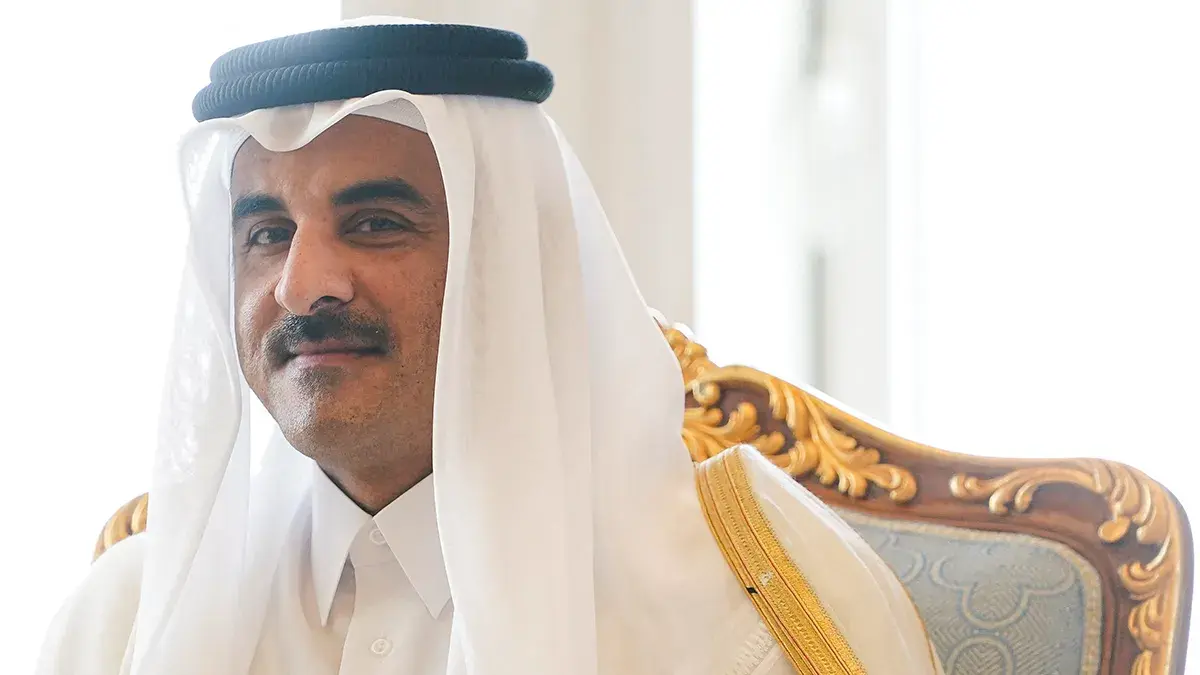
This is not a recent initiative or an announced mediation, but rather a diplomatic memory dating back to the beginning of the 21st century, when Doha managed to play a silent role in the management of prisoners linked to the war between Morocco and the Polisario Front, a role that remained for a long time on the margins of public debate and which today reappears in a context marked by questions about regional and international mediation capacity.
In early 2004, several Moroccan soldiers who had spent years in captivity in the Tindouf camps were transferred to Moroccan territory, a gesture considered primarily humanitarian, but which also conveyed precise political messages, reflecting the capacity of a small Gulf country to intervene in a complex regional conflict, conditioned by historical sensitivities and sovereignty issues.
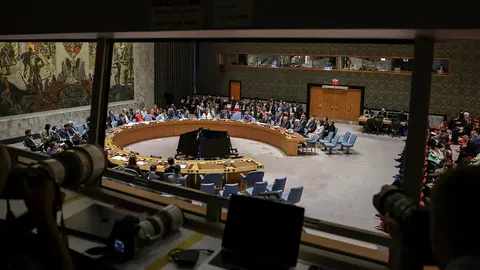
Spanish reports indicate that this action was not isolated from the subsequent shift in Qatari foreign policy, consolidating an experience of mediation based on non-confrontation and acting on the margins of the conflict, an approach that Doha would apply to other international issues over the last two decades.
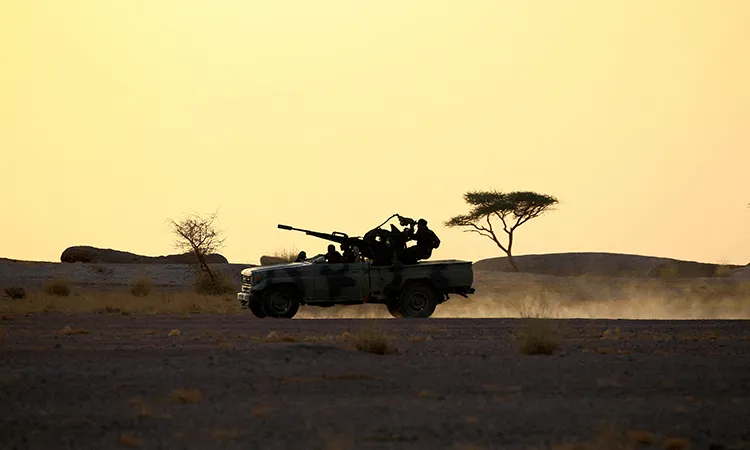
This debate is resurfacing today in an international context that is completely different from that of the early 21st century, coinciding with a growing US interest in promoting a rapid solution to the conflict, under a pragmatic approach that seeks to reduce the sources of tension in North Africa, albeit without a clear roadmap or effective consensus among the warring parties.
Doha, for its part, maintains a calculated distance from the conflict, consistent with its diplomatic doctrine that requires the explicit request of all parties before assuming any mediating role, a position confirmed by official statements emphasising that good relations with Rabat and Algiers do not automatically translate into direct intervention.
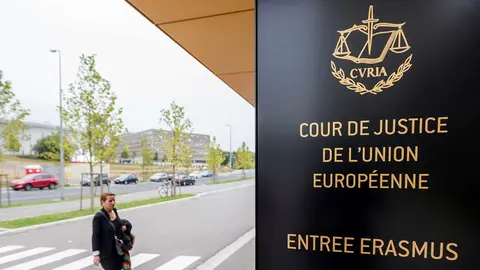
Analysts point out that Qatar's particularity lies in the fact that mediation is not a circumstantial resource of its foreign policy, but rather an option structured by constitutional texts and institutional practices, which makes it cautious in choosing the conflicts in which it becomes involved, especially when it comes to a conflict with relative military stability but fraught with political and media tensions.
In recent years, Qatar has accumulated technical expertise in conflict management through collaborations with international centres and European partners, although this does not necessarily imply a willingness to intervene in all cases, especially when there are no clear indications of demand or when the balance between the parties is complicated.
Recalling previous experience, Doha's mediation in the prisoner issue took place at a time when the war had exhausted its protagonists, creating a humanitarian margin that allowed for partial initiatives and ultimately closed this file definitively, a situation that differs from the current nature of the conflict, which has shifted from the military sphere to the international political, media and institutional spheres.
The resurgence of Qatar's name also fits into a broader international context, marked by rapid transformations and the return of the logic of major political agreements, especially following UN resolutions urging the resumption of the political process on the basis of existing proposals, theoretically opening the door to mediation roles, although without defining who will assume them or under what conditions.
In this context, it is worth recalling Doha's success in facilitating peace agreements in regions far from its geographical environment, from Africa to Latin America, experiences that consolidated its image as a reliable mediator with major international powers, although transferring these experiences to the Sahara case depends on much more complex local and regional factors.

Therefore, the appearance of Qatar's name in the debate does not necessarily reflect a practical change in the course of the conflict, but rather a situation of diplomatic fluidity in which memory and current events intersect, invoking past experiences to test the challenges of the present, awaiting what the balance of power and political will determine in the next stage.
At the same time, Morocco's position remains constant with regard to the political reference point for the conflict, reiterating that the autonomy initiative presented in 2007 constitutes the only realistic and operational framework for its resolution, an approach repeatedly considered by the Security Council to be the most serious and credible.
This consistency, reinforced by consecutive UN resolutions, automatically limits any discussion of potential mediation to a clear frame of reference, placing the dialogue within an existing international process that links the solution to political negotiation without compromising national sovereignty.
Abdelhay Korret, Moroccan journalist and writer