
Following Resolution 2797 of the Security Council: The future of the Polisario in the African Union


Critical review of the membership of the Polisario Front in the African Union following UN Resolution 2797 and the change in the international context
- Candidacy for the Peace and Security Council and membership criteria
- Growing pressure and shifting support within the African Union
- Possible scenarios for Polisario Front membership
The African Union has long addressed the issue of Western Sahara within a political legacy dating back to the 1970s, when the so-called ‘Sahrawi Republic’ was admitted as a full member in an international and regional context completely different from today's. However, the recent Resolution 2797 of the UN put an end to this 1970s approach, closing the door on the separatist narrative and paving the way for a realistic political solution under Moroccan sovereignty.
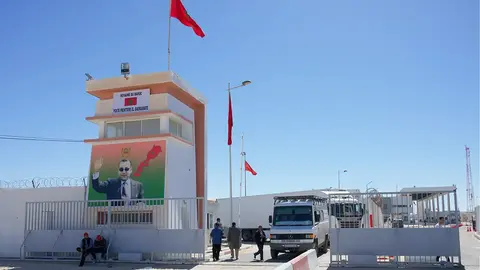
In recent days, the Polisario Front's candidacy for membership in the Peace and Security Council of the African Union for the period 2026-2028 has raised several questions, the most important of which is: How can a regional organisation continue to grant full membership to an entity based on a separatist claim that has been internationally condemned? To what extent does this candidacy align with the changes in the UN's approach to the Western Sahara issue? How can the Peace and Security Council, concerned with stability and conflict resolution among member states, consider the candidacy of an entity that does not meet the criteria of statehood and sovereignty, especially at a time of realignment of international positions?
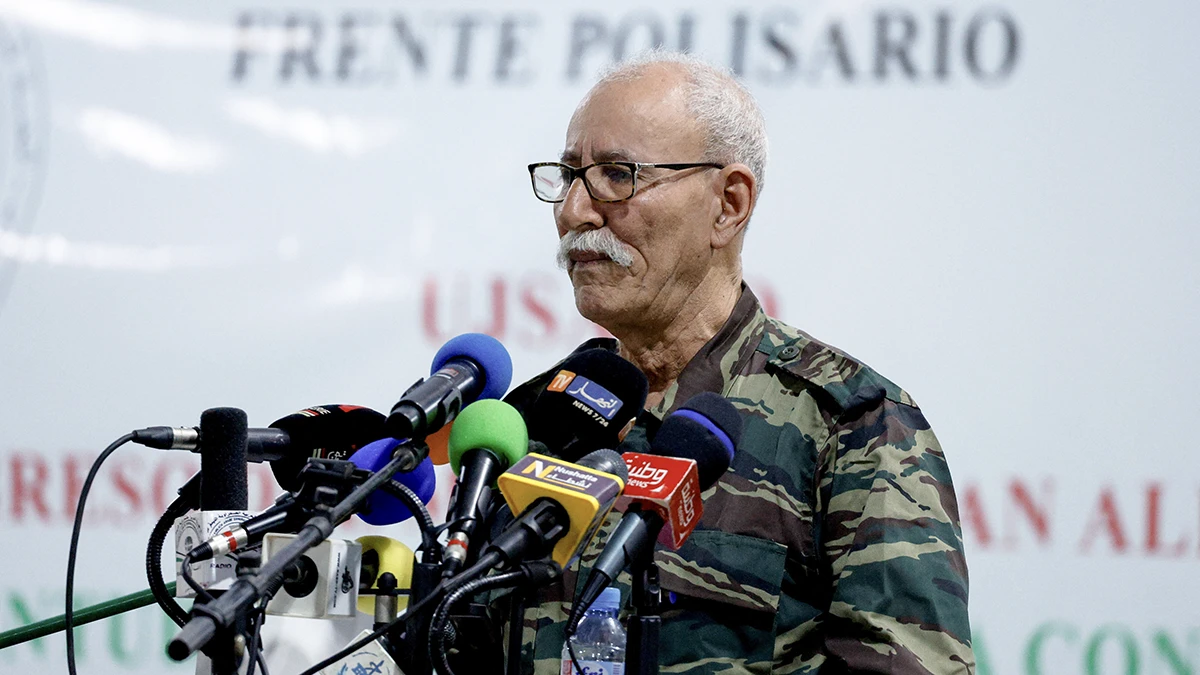
Candidacy for the Peace and Security Council and membership criteria
The Peace and Security Council is a cornerstone of the African Union, responsible for conflict management and monitoring security crises on the continent. Membership is only granted to states that are truly capable of contributing to stability. This raises legitimate questions about the viability of the candidacy of an entity based on a separatist agenda, which has lost much of its international support and lacks the characteristics of a state, to occupy a seat in such a sensitive body.
Consequently, following the recent UN resolution, it is no longer possible to continue dealing with the Polisario Front using the same logic. Its candidacy clearly highlights the contradiction between the status of an internationally unrecognised entity and the nature of a body composed of fully sovereign states committed to the UN Charter, making the previous approach difficult and unconvincing. Some might argue that the African Union inherited the Polisario issue decades ago and that resolving it is a complex matter. This is partially true, but what is no longer viable is to continue managing this legacy with the same obsolete tools, especially given the clearly changed international landscape, particularly following Security Council Resolution 2797. While this resolution did not order the African Union to withdraw the Polisario's membership, it made its existence in its current form a problematic issue that cannot be ignored or overlooked.

Growing pressure and shifting support within the African Union
Despite declining support for the separatist agenda within the African Union and growing support for Moroccan sovereignty over the Sahara in recent years, the Polisario Front's membership remains and is under increasing pressure without a definitive resolution. This is especially true given the recent shift by most AU member states towards a more pragmatic approach, prioritising security, stability and development over ideological alignment.
However, the issue of Polisario membership could be left in limbo, given the organisation's caution and its desire to avoid opening a complex legal and political file that could exacerbate divisions on the continent. This explains why the issue remains open to several possible scenarios. According to several experts and observers of the Western Sahara issue, the most likely scenario in the short term is that the Polisario Front will maintain its membership in the African Union, not out of conviction, but out of institutional caution and a desire to avoid opening a thorny legal issue that could drag the Union into deep internal divisions. Therefore, in this case, the Union prefers to postpone a final decision rather than face a complex organisational legacy.
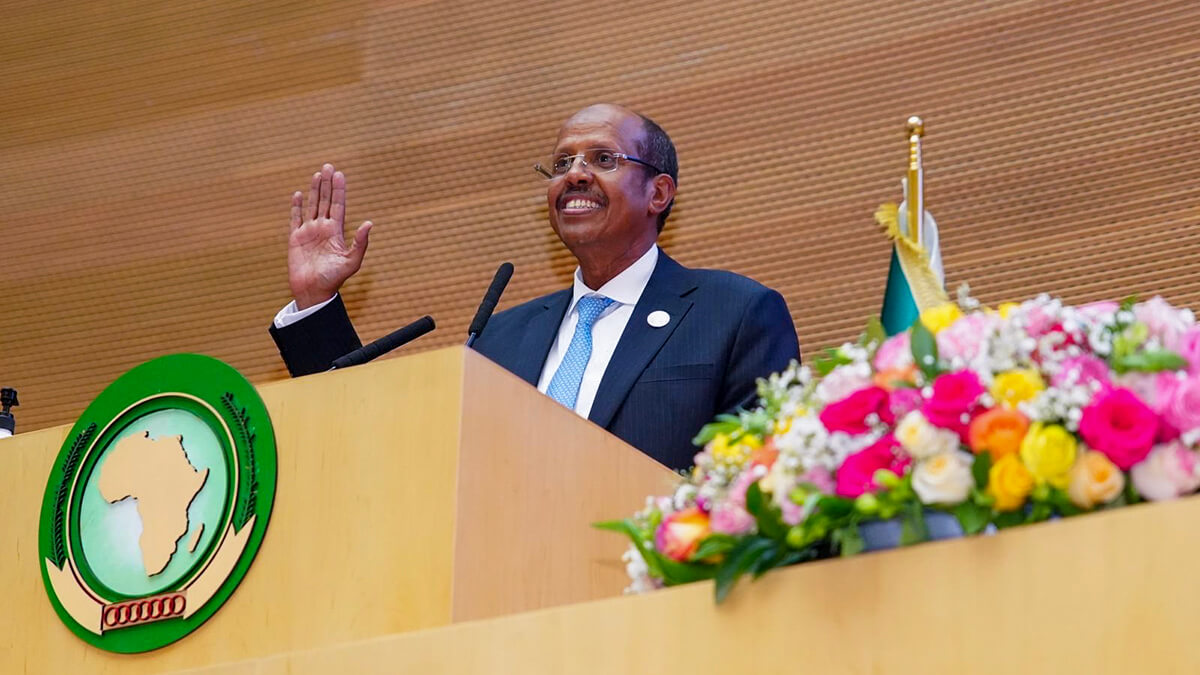
Possible scenarios for Polisario Front membership
The second scenario involves neutralising this membership without formally expelling it, which implies reducing the presence of the Polisario Front in the Union's institutions and limiting its political and functional role. The outlines of this have already begun to emerge in recent years, particularly through its exclusion from sensitive political and security committees. This option reflects an attempt to adapt to the new international approach without directly clashing with the past.
The third scenario, the most complex, involves a legal review of the conditions of membership in the Union, a path that Morocco has followed since its return in 2017. Ultimately, in a world that is reconfiguring its political and security landscape according to the logic of interests, Security Council Resolution 2797 contributes to reopening the debate on the meaning of statehood and respect for sovereignty within the African Union.
While the debate is legal in nature, its practical implementation will take time due to the complex power dynamics within the Union. However, the question of the Polisario Front's continued membership in the group remains relevant, especially given the dwindling number of African states that recognise it (currently only 13 out of 54), making a review of that status essential.