
Iran’s Air Pollution Crisis

Major population centres—Tehran, Isfahan, Karaj, Tabriz, Mashhad and Ahvaz among them—recorded air-quality indices in the “unhealthy,” “very unhealthy,” and even “hazardous” ranges. Tehran repeatedly ranked among the most polluted cities on earth, surpassing megacities with far larger industrial output. The result has been widespread school closures, the suspension of public services across numerous provinces, and a sharp rise in respiratory and cardiac cases. Public anger has grown accordingly, as citizens increasingly view the crisis not as a seasonal inconvenience but as a symptom of institutional collapse.
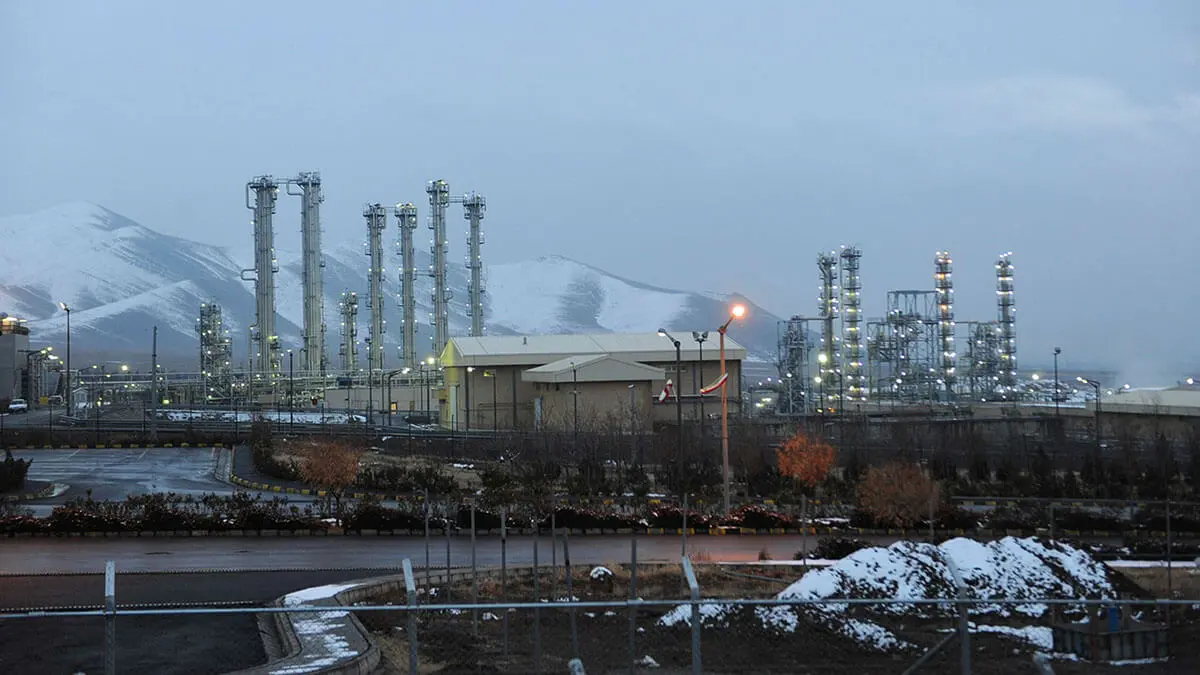
A central driver of this year’s extreme pollution is the state’s increasing reliance on mazut, a heavy fuel oil with extraordinarily high sulphur and particulate content. Despite holding some of the world’s largest gas reserves, Iran again faced winter shortages due to chronic underinvestment, leakage, mismanagement and the diversion of supply to industry. When gas tightens, power plants and major industrial sites are permitted—or quietly ordered—to burn mazut. Multiple reports confirm that several large facilities reverted to mazut in November 2025, directly contributing to spikes in PM₂.₅, especially in geographically enclosed basins such as Tehran.1 These emissions are then trapped by seasonal temperature inversions, a predictable meteorological phenomenon that becomes catastrophic when combined with excessive pollutants.
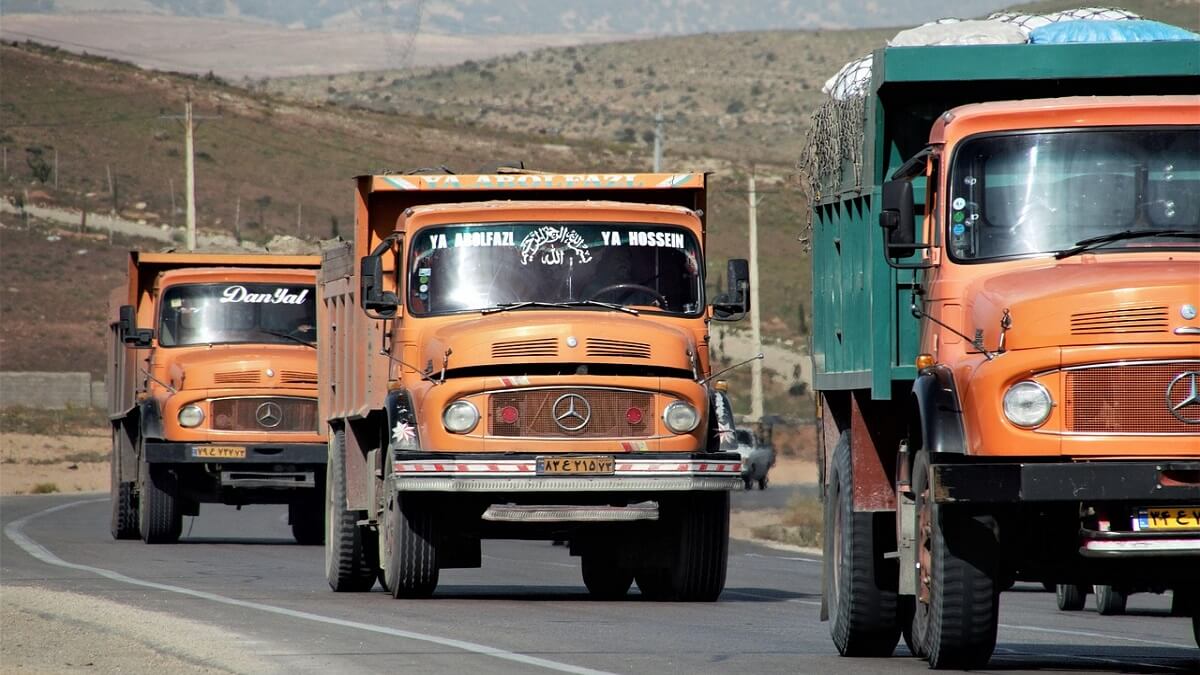
Vehicle emissions remain another major contributor. Iran’s national fleet is among the oldest in the region: over 70 percent of motorcycles in Tehran are more than twenty years old, and diesel fuel often contains up to 15,000 ppm of sulphur—roughly 1,500 times the standard observed in many countries.2 This ensures that even ordinary traffic generates disproportionate harm. Policies that keep fuel prices artificially low encourage private-vehicle dependency and undermine emergency restrictions such as odd-even traffic plans. Public transport has expanded, but not at a pace capable of offsetting rapid population growth, sprawl or increased commuter flows. In dense urban environments with limited air circulation, these emissions accumulate quickly.
Industrial pollution forms a permanent backdrop. Refineries, petrochemical complexes, steel and cement plants, and other heavy industries frequently operate with outdated technology, insufficient filtration and weak inspection regimes. Environmental agencies nominally tasked with oversight lack both resources and authority to enforce compliance, particularly against powerful parastatal entities.3 Environmental directives are issued regularly and occasionally enshrined in legislation, yet implementation remains sporadic or circumvented at local levels. Officials themselves sometimes admit that enforcement capacity has eroded.
Ecological degradation in western and southwestern provinces further compounds these structural failures. Intensive dam construction, water diversion, aquifer depletion and the drying of wetlands have turned vast areas into dust-generating terrain. Severe dust storms originating inside Iran—rather than from neighbouring states—now regularly blanket both rural and urban regions. Khuzestan and Ilam have recorded PM₂.₅ levels several hundred micrograms per cubic metre during dust events, far exceeding WHO guidelines.4 While authorities often blame external or natural causes, growing research shows that domestic land-use policies have significantly intensified these phenomena.
The public-health consequences are staggering. Epidemiological estimates indicate that air pollution causes between 54,000 and 59,000 deaths per year nationwide—around one fatality every ten minutes.5 Nearly 7,000 annual premature deaths in Tehran alone are linked to particulate pollution. Pollution contributes to around 28 percent of stroke deaths, 30 percent of ischaemic heart-disease mortality, 45 percent of chronic obstructive pulmonary disease deaths, and a quarter of lung-cancer and lower-respiratory-infection mortality.6 These burdens fall disproportionately on children, elderly people and individuals with pre-existing conditions. Hospitals in Tehran reported significant surges in emergency admissions in late November during the worst smog episodes.

Economically, the costs are equally profound. Iranian analysts and international institutions estimate that pollution drains 2–3 percent of national GDP annually through healthcare expenditures, lost productivity and environmental degradation. In Tehran alone, total losses—including traffic congestion and mental-health impacts—are estimated between USD 3.3 and 3.7 billion per year.7 Paradoxically, this figure is comparable to the cost of modernising public transport and sustainable urban-development systems. For low-income households, the burden is devastating: studies indicate that families in poorer neighbourhoods spend 40–55 percent of their income on pollution-related medical expenses.8 Air pollution is thus both a health emergency and a driver of social inequality.
Public frustration has escalated as citizens observe a consistent pattern: closures, disruptions and worsening annual smog, without structural change. Commentary across Iranian media and social networks increasingly links the crisis to governance failures. Environmental experts interviewed by international outlets emphasise that the problem is institutional fragmentation: responsibilities are dispersed across numerous agencies, none with the authority or political backing to enforce compliance. The Clean Air Law—highly publicised at the time of passage—remains mostly unimplemented.
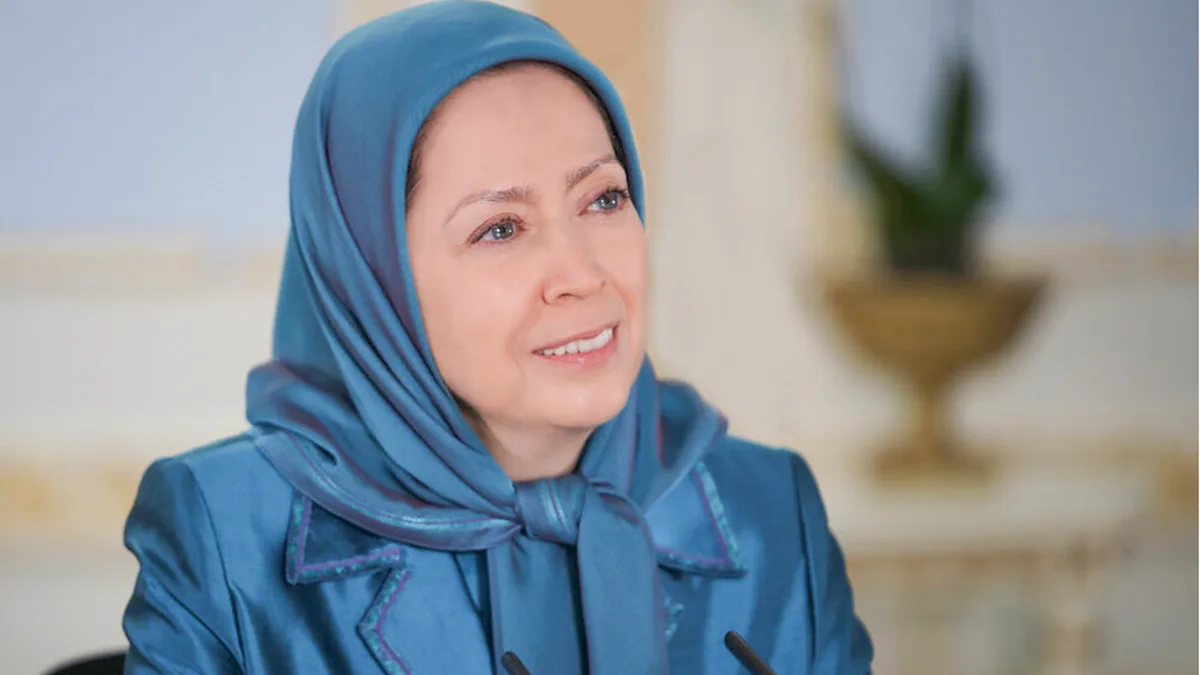
Two overarching interpretations now frame public debate. The first, advanced by Iranian civil-society actors and many experts, highlights structural mismanagement: underinvestment in gas infrastructure, outdated fuel production, prioritisation of industrial output over safety, and regulatory decay. The second, more political interpretation—articulated by opposition figures including Iranian opposition leader Maryam Rajavi—argues that the crisis reflects deeper state priorities. According to this view, the government’s diversion of resources to domestic security forces, missile and nuclear programmes, and regional military activities has deprived vital public-service sectors—including environmental protection, clean-energy development and health infrastructure—of necessary investment.9 This analysis aligns with observable patterns of chronic underfunding, weak oversight and policy decisions favouring security-linked economic actors over public welfare.
The events of late 2025 demonstrate that Iran’s air-pollution crisis is systemic rather than episodic. Emergency measures—school closures, traffic bans, temporary shutdowns—may provide marginal relief but cannot substitute for long-term reforms. Without significant investment in gas-network maintenance, refinery upgrades, emissions-control technology, vehicle-fleet modernisation, fuel-standard reforms and ecological restoration, the country will remain trapped in a cycle of worsening pollution and mounting human and economic costs.
Ultimately, the crisis reflects a deeper governance challenge. Air pollution is not a natural inevitability, nor solely the result of sanctions. It is the consequence of policy choices that have consistently prioritised other sectors over environmental integrity and public health. The feedback loop is now unmistakable: environmental degradation reduces productivity, increases healthcare costs and erodes public trust, further constraining the state’s capacity for constructive action. Unless meaningful political and institutional reforms are undertaken, Iran will continue down a destructive trajectory in which the population bears the overwhelming burden.
Notes
1. Al Jazeera, “Tehran Shrouded in Thick Smog as Iran Burns Dirty Fuel amid Energy Crisis,” 24 November 2025.
2. Alex Kennedy, reporting on fuel standards and vehicle fleet data, 2025.
3. Tehran Times and Iran International, November 2025.
4. Kurdistan24, 2025 reporting.
5. Hamshahri Online, November 2025.
6. Tasnim News Agency, November 2025.
7. Fars News Agency, 29 November 2025.
8. Eghtesad News, 10 December 2025.
9. NCRI Secretariat, 30 November 2025.