
A new dynamic of diplomatic realism

Resolution 2797 of the United Nations Security Council, adopted on the initiative of the United States, marks a major turning point in the Western Sahara issue. By prioritizing the search for a realistic and pragmatic political solution, it enshrines Morocco's 2007 autonomy proposal as a serious basis for compromise, breaking with the rigid visions of the past.
From Brussels, the UN Secretary-General's Personal Envoy, Staffan de Mistura, summed up the spirit of the moment: “The time for talk is over; it is now time for real negotiations.” In his view, genuine autonomy under Moroccan sovereignty could be the most viable path to a final settlement.
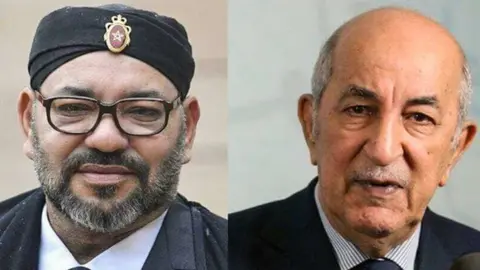
What is new is the change in the interpretation of the right to self-determination, which is now seen not as a binary choice between independence or annexation, but as a gradual and concrete process: effective political autonomy, guaranteeing dignity, local governance, and regional stability. This approach reflects the maturing of international diplomacy, which is seeking to turn the page on five decades of stagnation.
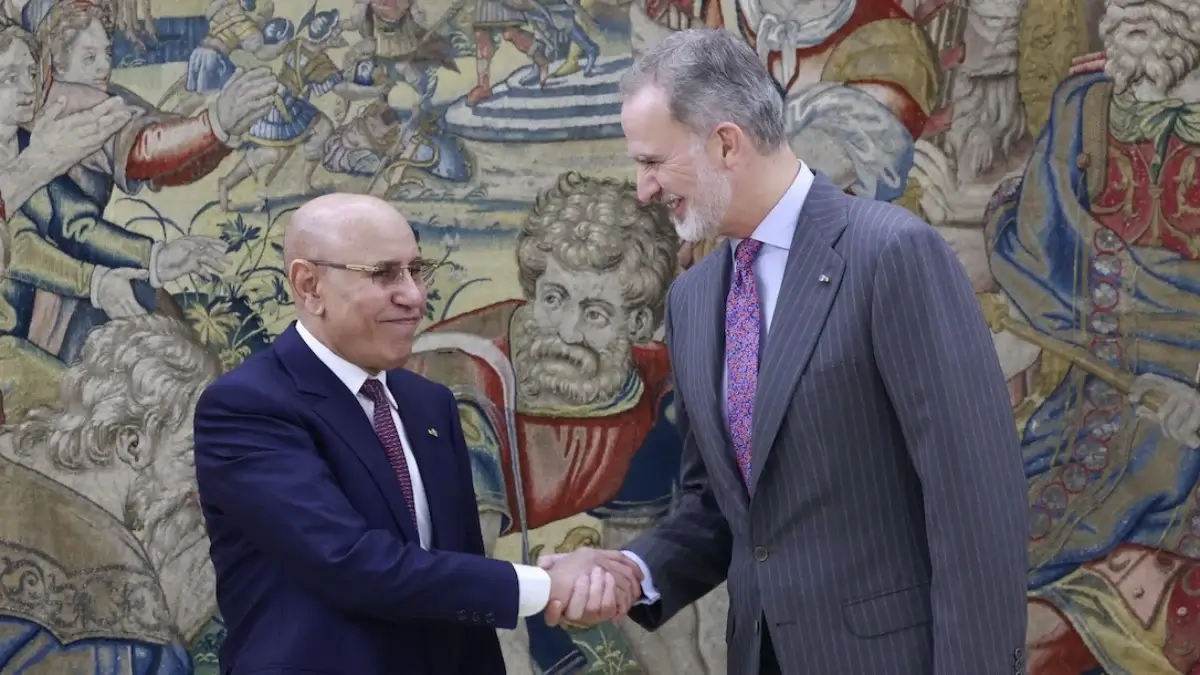
In this new context, Mauritania is emerging as a key player. Mentioned in the resolution among the parties consulted by the Personal Envoy, it has been entrusted with a role of stability and mediation in the Sahel-Maghreb region. A country of constructive neutrality, bordering the Sahara and linked to it by history and culture, Nouakchott has always advocated a peaceful and inclusive approach.
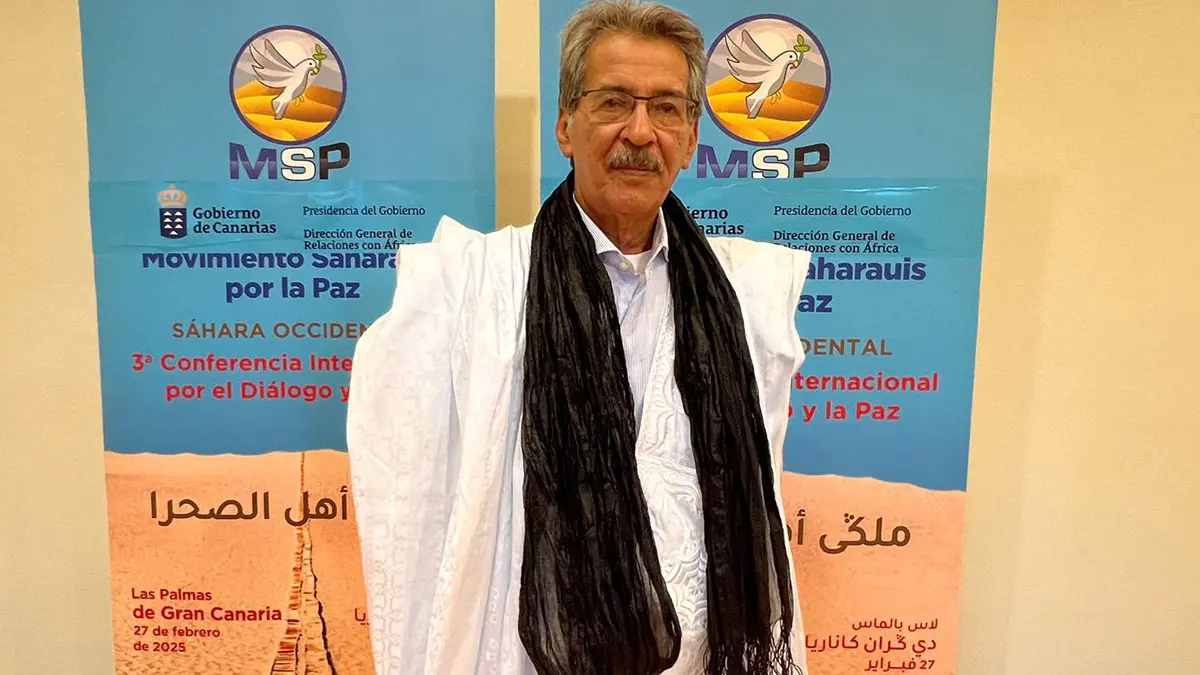
But Mauritania's involvement is not limited to observation. It was in Zouerate that the first congress of the Polisario Front was held, marking the starting point of the Sahrawi claim. Even today, Mauritania remains a land of memory and bridges, capable of hosting dialogue between enemy brothers. In this regional context, the Sahrawi Movement for Peace (MSP) chose to hold its congress in the Canary Islands, at a time when the close ties between the Polisario and the regime of Mohamed Abdelaziz limited any political openness and hindered the emergence of alternatives.
Under the presidency of Mohamed Ould Cheikh El Ghazouani, Mauritanian diplomacy has gained in consistency and serenity. The head of state has been able to reaffirm a line based on trust, balance, and inclusive dialogue. This pragmatic stance reestablishes Mauritania as a pole of stability and a link between the Maghreb and the Sahel, capable of dialoguing on an equal footing with Rabat, Algiers, and the various Sahrawi factions.
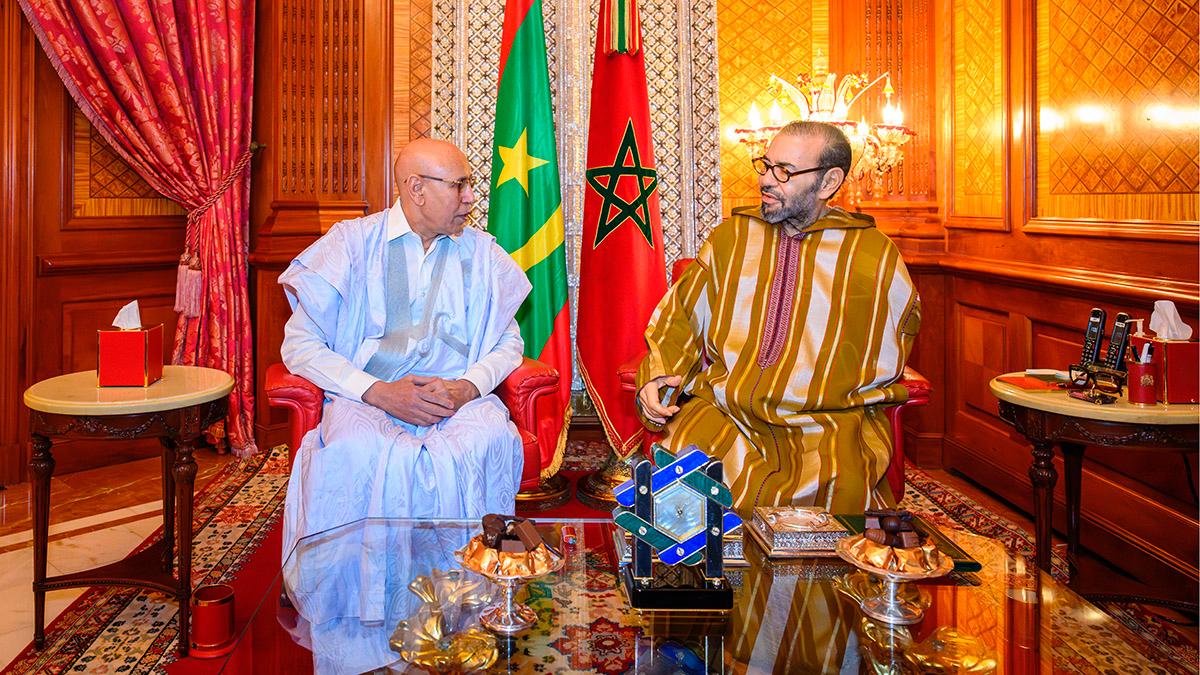
Far from being a position of immobility, Mauritania's neutrality can become a lever for action. As a party defined in Resolution 2797, Nouakchott has full legitimacy to contribute to the revival of the political process. Its experience in community coexistence and mediation would enable it to propose formulas for rapprochement and openness.
With this in mind, it is essential to take into account initiatives coming from the ground. This is where the Sahrawi Movement for Peace (MSP) comes in, which for the past four years has been promoting an alternative approach known as the third way.
Founded by Sahrawi leaders and activists from different generations, the MSP advocates for a realistic compromise that breaks with ideological radicalism. Its creation responded to the need for pluralistic representation of the Sahrawi people—both from within, from the refugee camps, and from the diaspora.
From its inception, the movement has forged strong links with Mauritanian political forces, notably the Islah party, a member of the presidential majority. The two organizations joined the Socialist International together at the Istanbul Council in 2025, demonstrating the MSP's commitment to a democratic and institutional approach.
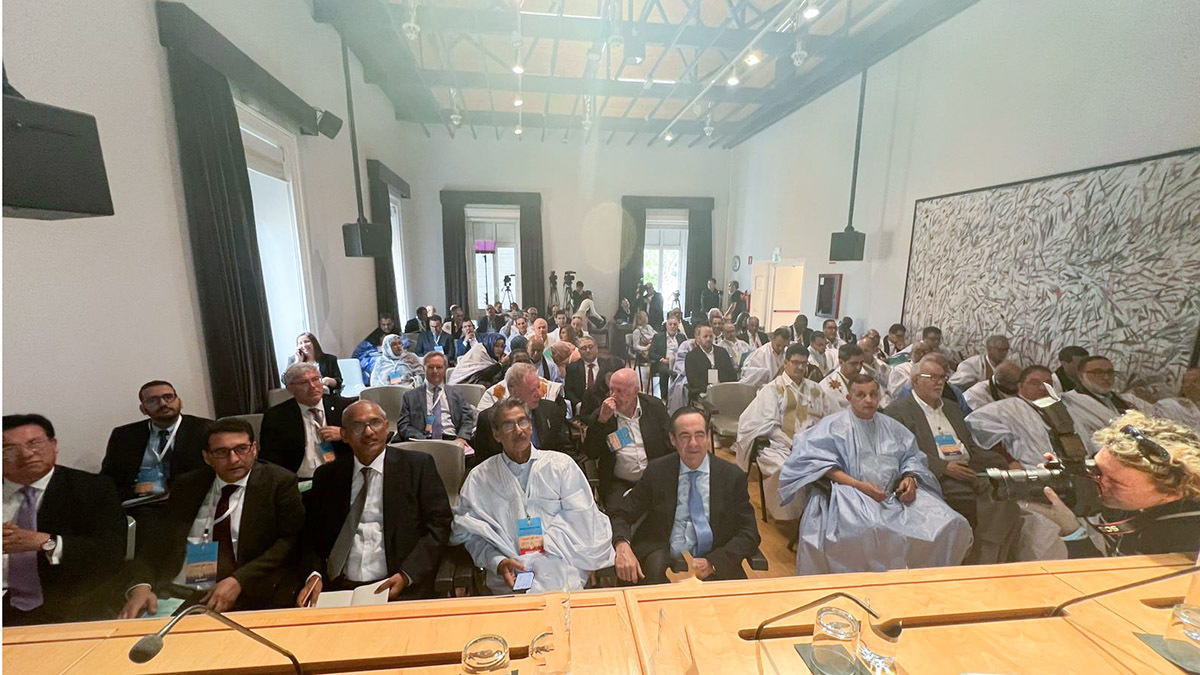
At its Dakar conference (September 2023), the MSP defined three major priorities:
- Support genuine autonomy, enabling the Sahrawi people to manage their affairs within a democratic framework with their own powers;
- Ensuring the participation of all Sahrawis—from the territory, the camps, and the diaspora—to guarantee the legitimacy of the process;
- Transforming Western Sahara into an area of stability and cross-border cooperation, a driver of shared prosperity.
Its first secretary, Hach Ahmed Baricalla, then summed up the spirit of the movement: “Peace is not surrender, it is a choice of dignity. We want a solution where Sahrawis can live freely, govern their territories, preserve their identity, and contribute to regional development, under international guarantees.”
By recognizing the relevance of “genuine” autonomy under international guarantees, Resolution 2797 is partly in line with the logic defended by the MSP since its creation. The Sahrawi movement is thus joining the diplomatic realism movement: replacing ideological confrontation with a pragmatic, balanced solution that benefits everyone.
This convergence paves the way for direct dialogue between the MSP and UN bodies, in order to integrate the voice of the silent majority of Sahrawis, those who refuse both resignation and exile. It also establishes the legitimacy of new civilian actors in the future negotiation process, beyond the monopoly of the Polisario Front.

The plan advocated by the MSP meets the requirements on the ground:
- guaranteeing the security and prosperity of the populations;
- ensuring democratic freedoms and political pluralism;
- promoting the socio-economic reintegration of refugees;
- creating bridges of development between Morocco, Mauritania, and Algeria.
This approach is in line with Staffan de Mistura's vision: “Genuine and guaranteed autonomy can be the foundation for lasting peace.” It offers the Sahrawis the opportunity to be actors in their own future within a stable regional framework supported by the international community.
Almost fifty years after its withdrawal from the territory of Oued Eddahab and the Madrid Accords, Mauritania is facing a historic opportunity. The momentum created by Resolution 2797 allows it to engage in proactive diplomacy, capable of combining regional stability and political initiative.
The goal is no longer to choose sides, but to turn rhetoric into action, to involve all Sahrawi components, and to consolidate stability in the Maghreb and the Sahel.
Through Nouadhibou, the maritime and economic hub of northern Mauritania, the country has a unique strategic lever. Located at the junction of the Maghreb and the Sahel, rich in mineral, logistical, and human resources, the city can become a model of cross-border cooperation and a laboratory for regional coexistence.
By focusing on peace and dialogue, Mauritania and the MSP can together help transform Western Sahara into an area of stability and shared prosperity—a bridge between the north and south of the African continent, faithful to the spirit of diplomatic realism now enshrined by the international community.