
Where does Mohammed bin Salman come from?

Many friends in Spain often ask me, when I tell them I am Saudi, where Mohammed bin Salman comes from. Which party does he belong to? Which sect, religion, or tribe does he belong to?
I always smile and reply that he comes from the depths of our being: from the heat of our land, the steadfastness of our mountains, the roar of our seas, the identity of our landscape, the breezes that sweep across the Saudi sky.
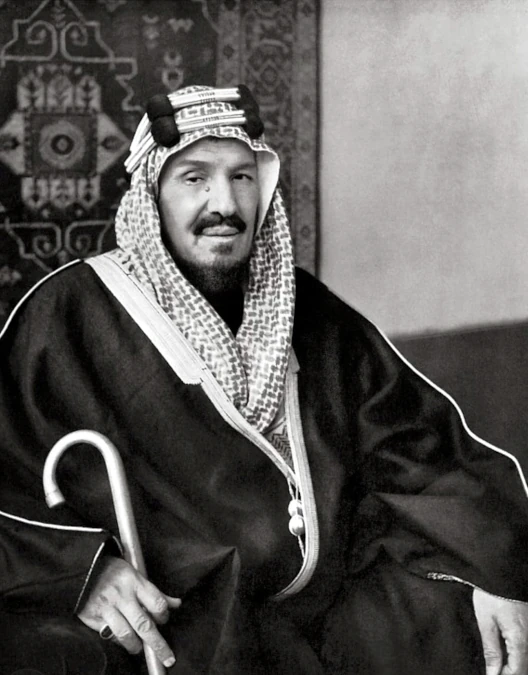
He emerged from a family of historical importance that has given the country what no other family has—the House of Saud. From the time Caliph Muawiya ibn Abi Sufian left Mecca in 661 AD until the unification of the Kingdom of Saudi Arabia in 1932 by King Abdulaziz Al Saud, the Arabian Peninsula did not experience an awakening comparable to that which he and his successors established.
My grandfather traveled inhospitable paths, known only to those who possess patience, crossing deserts and plains from southern Saudi Arabia, from Najran, to reach Mecca a century ago. It was a thirty-day journey on foot and by camel, crossing mountains, avoiding assailants, and overcoming unmarked roads, covering almost 628 kilometers.
After 1932, that same journey could be made in eight hours by road or an hour and a half by plane, a leap in civilization that completely transformed this region of the world.

My grandfather, my father, and I are grateful to the royal family, which has put the country's wealth at the service of its land and its people, until absolute confidence in its leadership was established. Thus, each royal trip becomes an emotional echo that we feel as our own.
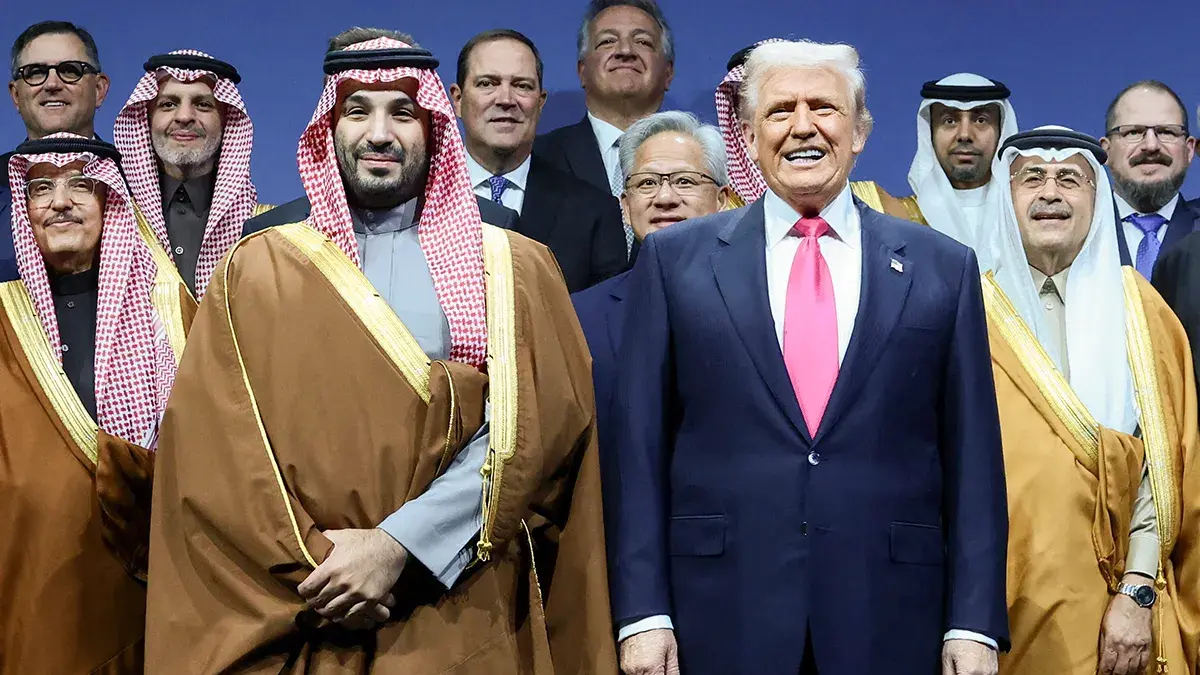
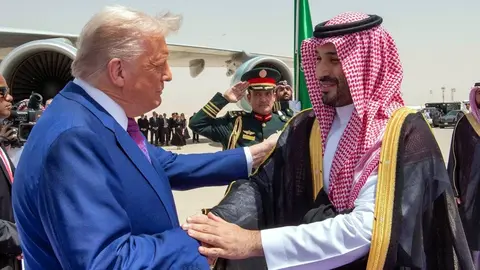
The last of these was Prince Mohammed bin Salman's visit to Washington on November 18, 2018, where he was received by President Donald Trump.
This trip took place at an extraordinary moment, when the Kingdom's internal aspirations converge with economic, social, and geopolitical transformations, and are intertwined with regional and global challenges arising from shifts in the balance of power and rapid technological and financial advances.
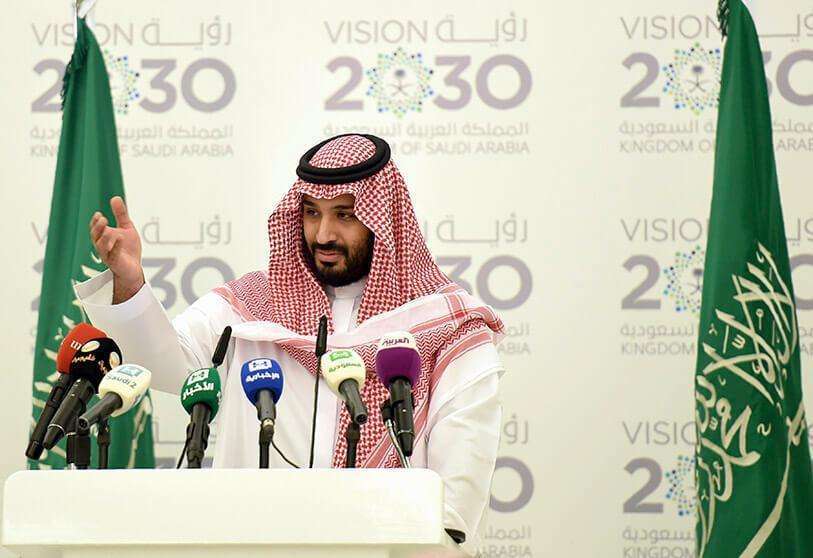
Saudi Vision 2030 rests on three pillars: turning the Kingdom into “the heart of the Arab and Islamic world,” “a global investment power,” and “a connection point between three continents.”

The visit therefore had profound implications.
Economically, the relationship with the United States remains a key driver of investment, technology, and innovation, and bilateral cooperation reinforces the Saudi principle of “economic security.”
Strategically, the Kingdom seeks guarantees that go beyond oil, incorporating advanced technologies—AI, civil nuclear energy, defense systems—and expanding key alliances with Washington.
Symbolically, the Crown Prince's return to the US capital reflects Saudi Arabia's intention to redefine the bilateral relationship based on cooperation between strong actors, not subordination.
The visit consolidates the foundations of Vision 2030 and is projected in internal and regional transformations.From the perspective of the vision, it contributes to strengthening the Kingdom's position as an investment center and as a diversified economic project. The active search for US capital and expertise accelerates strategic projects such as smart cities, tourism, and technology.
At the regional level, the trip is part of a Saudi-US repositioning in the Middle East: Saudi Arabia is asserting itself as a mediator and guarantor in areas of tension, while Washington is seeking a stable partner to reduce risks. However, significant challenges also arise: ambitions for security cooperation may clash with old US balances in the region, especially its relationship with Israel.
Every step taken by the Saudi leadership enjoys broad popular support, the result of the stability and prosperity built by successive kings. And this latest visit opens up a predictable horizon: new economic, energy, and technological alliances; greater military cooperation; and a geopolitical realignment that could redefine the regional balance.
However, protracted conflicts—the Palestinian-Israeli question, Iranian influence, or Gulf dynamics—could delay some progress, causing the Saudi-US relationship to evolve toward a more pragmatic model based on “gradual adjustments” rather than historic ruptures.
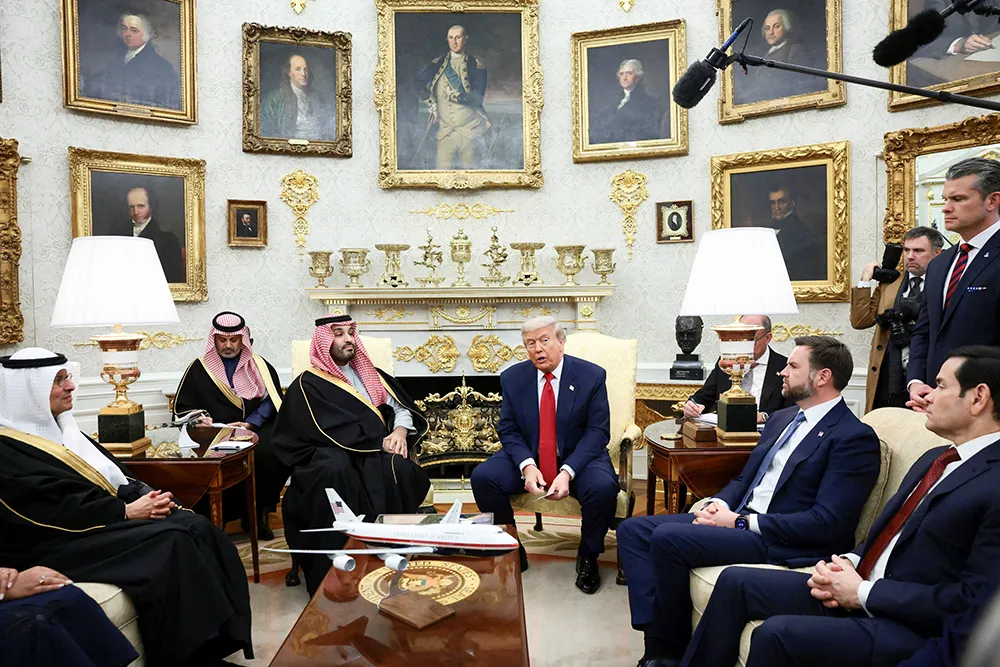
Ultimately, the crown prince's visit to Washington represents a coherent step in an expanding Saudi project, supported by a solid legacy and oriented toward a future where forces and priorities are being reconfigured.
It confirms that Saudi Arabia is confidently advancing in expanding its global influence and is no longer a mere recipient of the international order, but an actor that drives, shapes, and redefines it. This is a clear sign that the Kingdom continues to move toward a horizon of greater stability and influence in its region and in the world.
Dr. Hasan Alnajrani. Saudi journalist and academic