
It is time to unlock the solution in the Sahara

The “Polisario” poses a serious threat to peace and security in Africa and throughout the world. That is why there will be no peace or security in Africa until the “Polisario” is classified as a terrorist organization.
The “Polisario” survives only through the petrodollars wasted by Morocco's eastern neighbor, instead of spending them on its own population.
The “Polisario” has become a burdensome legacy of the Cold War for Africa. And yet, this country neighboring eastern Morocco continues to delegate part of its territory to it and to provide it with financial, military, and diplomatic aid, as is the case today, in violation of the UN Charter and UN General Assembly Resolution 2625.
We are gathered here today, while the unequivocal consensus for the definitive settlement of the Moroccan Sahara issue can only be achieved through the Moroccan Autonomy Initiative as the one and only political solution to this regional dispute, which enjoys the clear and unequivocal support of more than 124 countries around the world, finally attesting to the unequivocal recognition of the Moroccan nature of the Sahara.
But why is this issue taking so long to be resolved? Who is blocking the search for a political solution at the UN and, above all, who is keeping the Moroccan Sahara issue in a state of lethargy, while on the ground, the Southern Provinces are establishing themselves as a prime destination for investment and socio-economic development?
If this issue is stalled, at least at the UN level, it is largely because of Morocco's eastern neighbor. This comes as no surprise to anyone.7. This country defines itself as either an “observer” or an “interested party” in this artificial conflict, even though it fabricated it from scratch.
How can it claim to be an “observer or interested party” in a regional dispute, when the question of the Moroccan Sahara is on the agenda of all bilateral meetings of the government of this country to the east of Morocco? And that the official press agency and the official website of the Ministry of Foreign Affairs of this same country, which neighbors Morocco to the east, relay almost daily dispatches focusing solely on Morocco and its sacred cause of the Moroccan Sahara.
How can this country claim not to be involved in this issue, when it is completely violating its cherished principle of “non-interference in the internal affairs of other states”?
To summon an ambassador accredited to the city of this same country bordering Morocco to the east, where the country has chosen to open a consulate general in the Moroccan Sahara? Or to expressly recall its ambassador accredited to a third country that has chosen to recognize Morocco's sovereignty over its Sahara?
A country that does not claim to be a party to a dispute does not reject, in official communiqués, Security Council resolutions urging it to sit down at the negotiating table with Morocco.
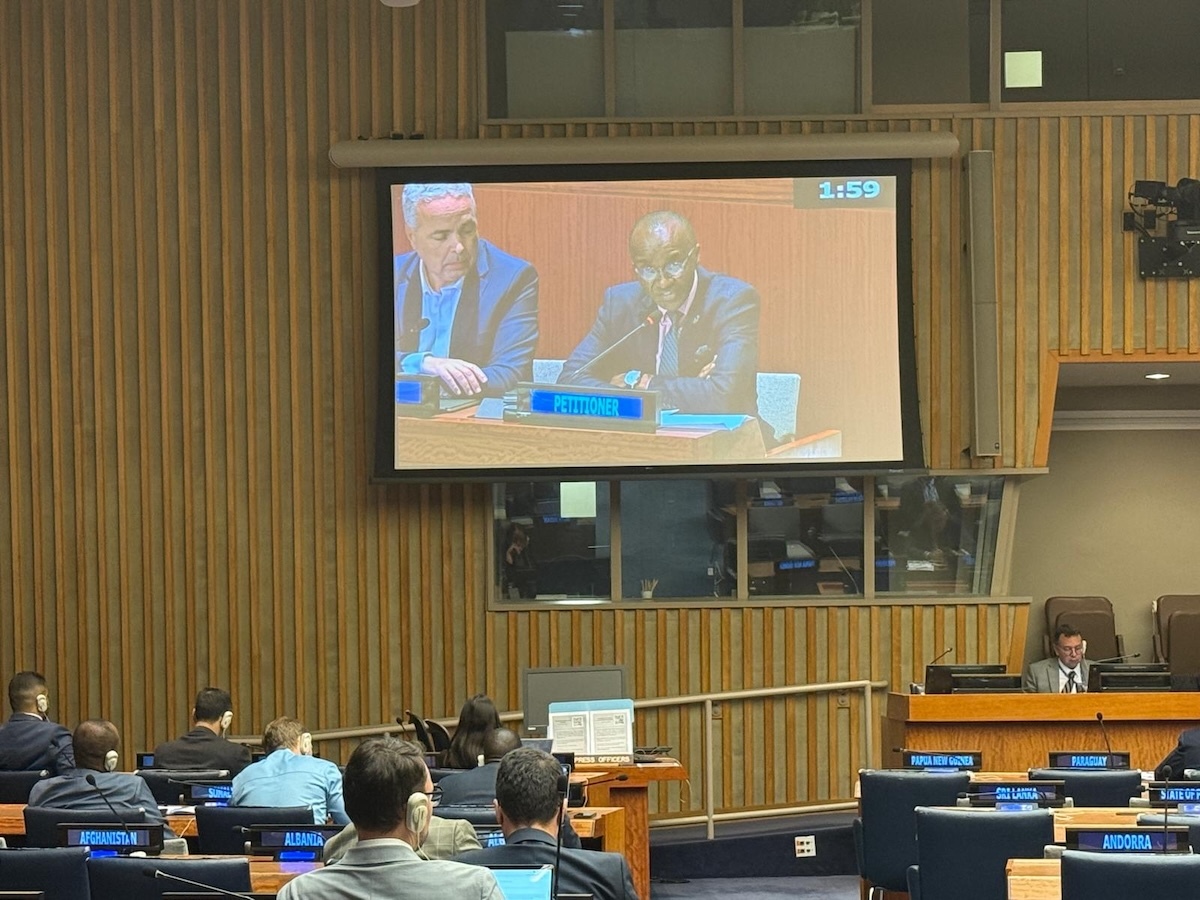
This is all the more surprising given that this country, which borders Morocco to the east, is currently a non-permanent member of the Security Council and was the only member of this executive body not to participate in the vote on the latest resolution 2756.
It is time for the international community, and behind it the UN, to definitively close this item on the organization's agenda, to stop supporting Morocco's claim to the Sahara, and to urge, once and for all, this country to the east of Morocco to come to its senses and sit down at the negotiating table.