
Peace and security in the Sahara
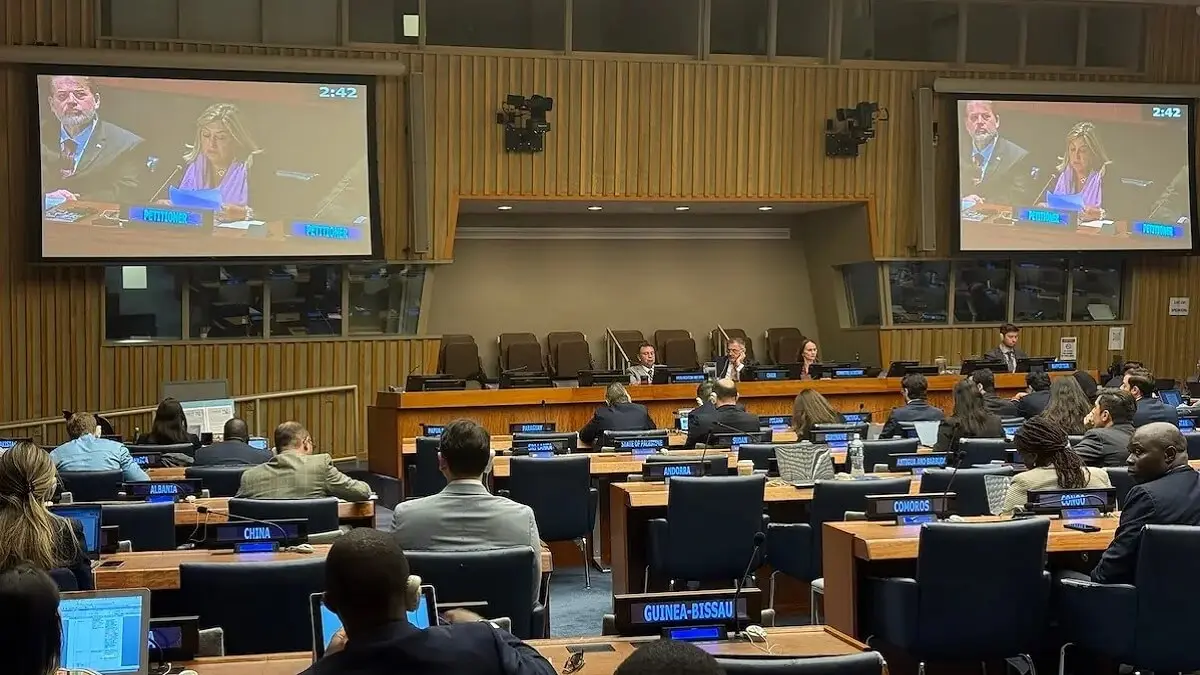
The UN Security Council has referred to it in its resolutions on the Moroccan Sahara, and for 18 years it has been the only proposal for a political solution to the conflict in the region.
Thanks to this proposal, Morocco has launched an international dynamic aimed at resolving this conflict, which has now lasted 50 years.

124 countries around the world, including nine that have joined since last year, give their clear and firm support to the autonomy plan, thereby recognizing Morocco's sovereignty over the Sahara. The autonomy statute is the culmination of the political process carried out under the exclusive auspices of the UN Security Council.
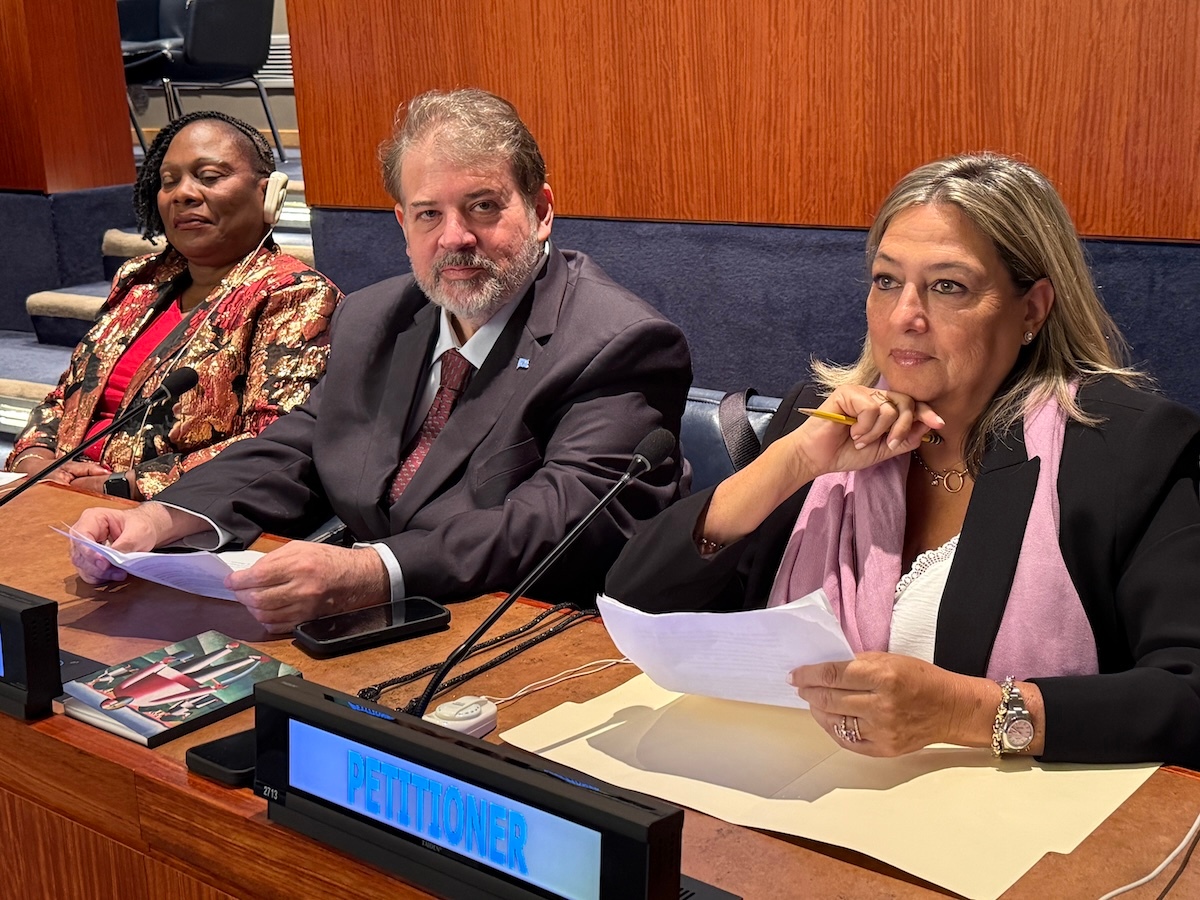
Morocco's presentation of the autonomy plan to the UN was neither random nor trivial. The Moroccan autonomy initiative was the result of extensive consultations carried out by Morocco, not only with neighboring countries, but also with the members of the UN Security Council, who praised it.
At the national and local levels, Morocco also carried out an extensive consultation process, closely involving political parties, the population, and local representatives of the Sahara, the tribal chiefs, in order to gather their input for the implementation of the Moroccan autonomy initiative.
This initiative is part of the construction of a democratic and modern society based on the rule of law and respect for individual and collective freedoms, as the best way to achieve economic and social development, in accordance with international law.
It also paves the way for a better future for the region's populations, puts an end to separation and exile, and promotes reconciliation. It is important to remember that several former leaders of the “Polisario” have joined Morocco to contribute to the socio-economic development of the Moroccan Sahara.
The autonomy proposal represents a compromise that will allow the populations of the Moroccan Sahara to manage their own affairs democratically, as is already the case de facto, with the financial resources necessary for the socio-economic development of the region.
Over the past two years, I have visited the Moroccan Sahara region on several occasions, specifically the city of Dakhla, where I have met with Sahrawi women who are legitimate representatives of the population of the southern provinces and who hold political positions of great responsibility.
I have also held meetings with the president of the Dakhla Regional Council, with whom I was able to exchange views on the dynamics of development in the Moroccan Sahara and the work they are doing for the Sahrawi population in the area, with a view to a more prosperous future.
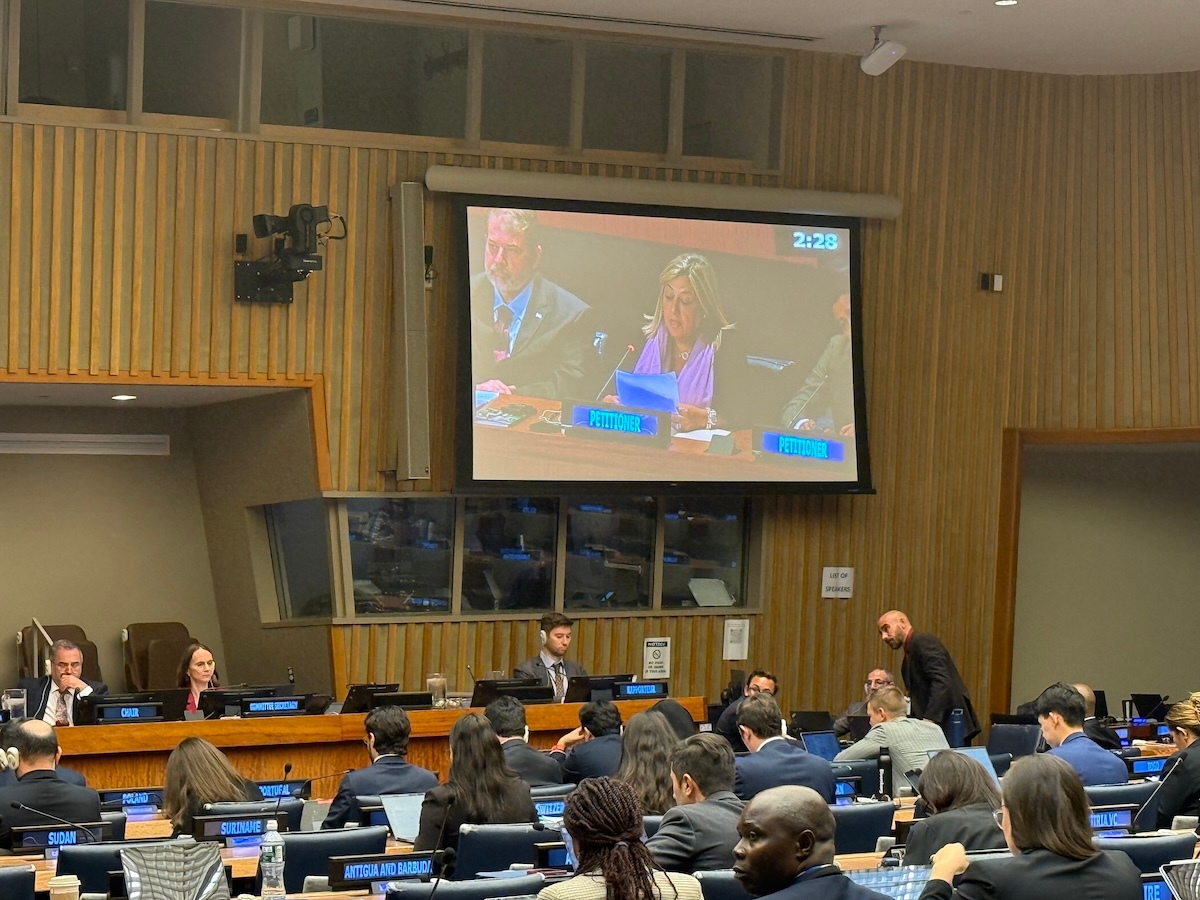
During my visits, I was able to see firsthand the structural projects in the region, including the Dajla Atlantic Port megaproject, which will generate economic and geostrategic benefits for the region, as well as for the entire African continent.
During these visits, I was able to observe the climate of peace and security that reigns in the area, which is only waiting for the approval and implementation of the autonomy plan to end this regional dispute that has already lasted too long.
María de los Ángeles Ramos Guillén. Lawyer