
France highlights strategic cooperation with Morocco in the face of terrorist threat


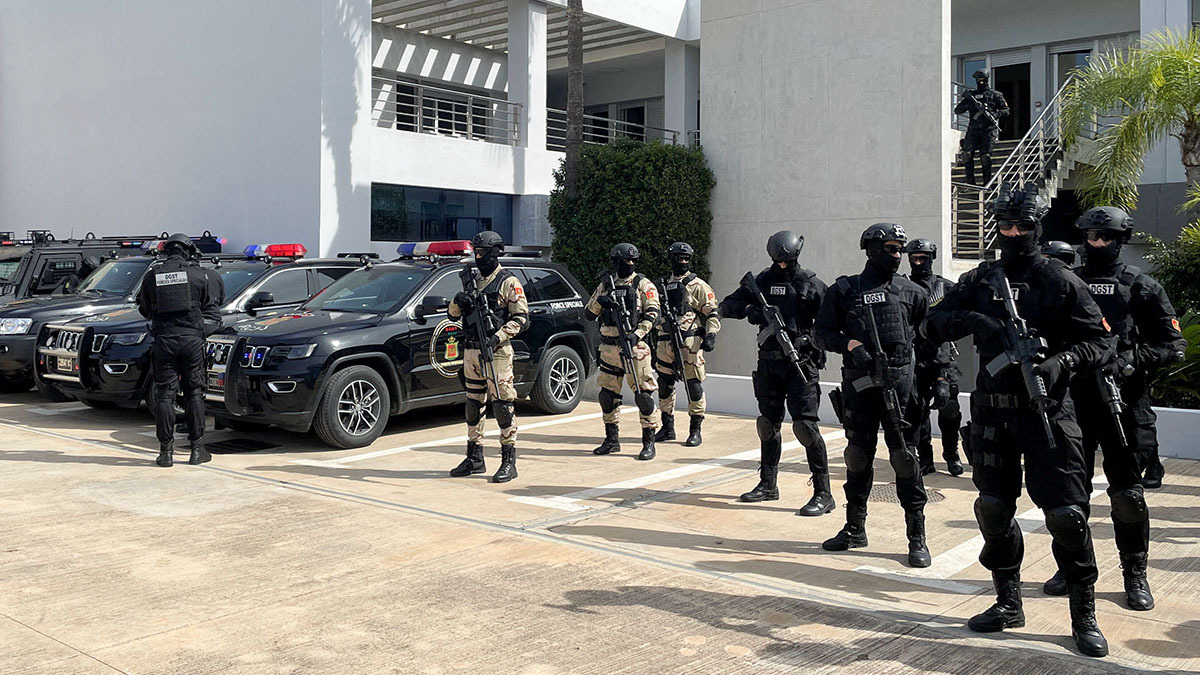
In an exclusive interview with the daily newspaper Le Figaro, Nicolas Lerner, Director General of the General Directorate for External Security (DGSE), praised the strategic and essential role played by the Moroccan Operations Group in international cooperation on security against terrorist threats. He stressed that the collaboration between the French and Moroccan services goes beyond a simple ad hoc partnership, constituting a fundamental pillar of the effectiveness of counter-terrorism operations.
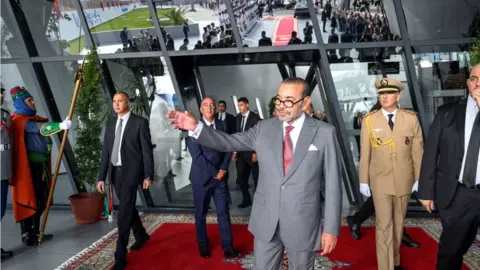
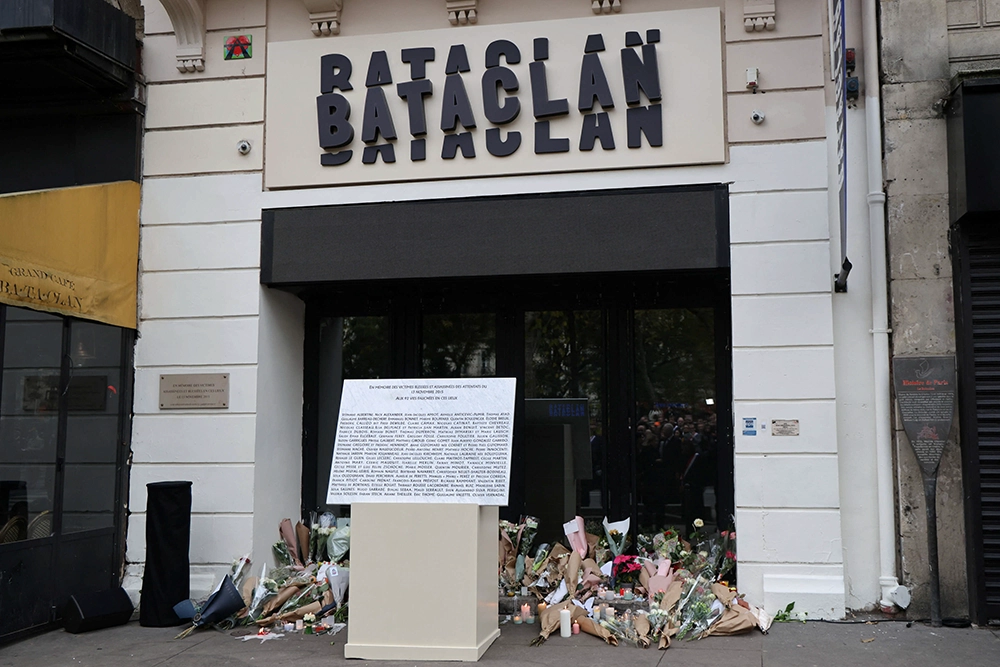
These statements coincide with the tenth anniversary of the 13 November 2015 attacks in Paris, which marked a turning point in French counter-terrorism policy. Lerner warned of a threat level that remains high and constantly evolving. While the risk of a repeat of the 2015 scenario remains low, he emphasised the growing complexity of the danger, now concentrated in European countries themselves, where both structured cells, such as the Islamic State branch in Khorasan, and radicalised individuals acting alone are operating.
The head of French foreign intelligence also revealed the emergence of a new phenomenon: the movement of some jihadists from North Africa to Somalia to join the al-Qaeda-affiliated group Al-Shabaab. In this context, he underlined the crucial role of Morocco in monitoring and analysing these movements, highlighting the essential contribution of the Moroccan intelligence services to regional and international security.
Lerner also identified three areas of major concern for global security: Syria, the Afghan-Pakistani region and Africa, which he described as the ‘new centre of global jihad’.
In addition, Nicolas Lerner warned of the persistence of jihadist propaganda, which continues to influence some young Europeans despite the decline in violent content online. He urged digital platforms to redouble their efforts to limit the spread of these extremist messages, noting that terrorist organisations are constantly adapting their rhetoric to the global situation.
Highlighting the exemplary cooperation between France and Morocco, Lerner thus confirmed the Kingdom's leading role in the international fight against terrorism, the result of recognised expertise and a constant commitment to regional stability and security.