Morocco's global strategy

- Morocco's Atlantic initiatives
- International support for the autonomy plan
- Evolution of the conflict and Morocco's position
- International recognition and historical context
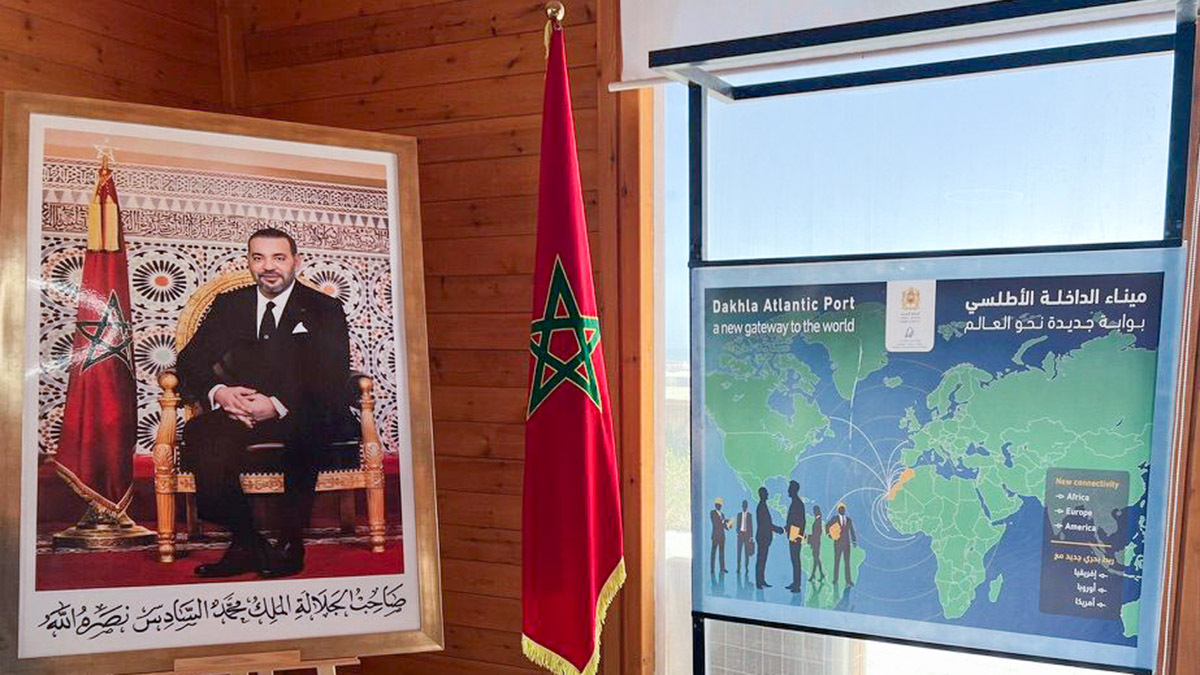
Morocco's Atlantic initiatives
Morocco has presented three major Atlantic initiatives that consolidate its role as an African and Atlantic platform for development:
- The African Atlantic Facade Countries Initiative, which brings together 22 states and seeks to strengthen cooperation and economic integration in the region.
- The Initiative to facilitate access for Sahel countries to the Atlantic, via Morocco and Mauritania, with the aim of providing them with logistics and port corridors to boost trade and stability.
- The Morocco-Nigeria Gas Pipeline project, a strategic project connecting West Africa with Europe and strengthening the continent's energy security.
These initiatives reflect the spirit of openness and cohesion that guides Moroccan diplomacy, a diplomacy of action, balance and responsibility. Morocco does not just talk: it acts, proposes and builds concrete solutions that benefit Africa, the Mediterranean and Europe.
International support for the autonomy plan
In the same vein, support for the autonomy plan proposed by Morocco is a natural part of this dynamic of development, stability, prosperity, openness and regional integration. It is not an isolated measure, but an essential pillar of Morocco's global vision for the region and for the African continent.
Unfortunately, in Spain this is not always perceived from this strategic perspective. Prime Minister Pedro Sánchez took a courageous and visionary decision, even though the domestic context did not allow him to see it clearly. Many argue that he should have consulted the main opposition party or Congress, but that would have prevented him from taking a firm and consistent position.
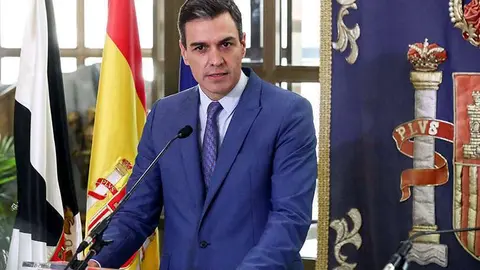
In time, history will recognise – as is the case with major political decisions – that this was the wisest option. Today, the recent UN resolution confirms this, as it coincides with the position taken by Portugal, France, Germany, Belgium, the United Kingdom and most European countries, which consider the Moroccan autonomy plan to be the only serious, credible and realistic basis for a definitive political solution.

Furthermore, the close cooperation between Spain and Morocco in all areas—human, political, economic, social, cultural, migration, counter-terrorism, police, military and intelligence—shows that the two countries are natural and indispensable partners.
Spain is Morocco's leading economic partner, and Morocco is Spain's main trading partner outside the European Union. To question this reality is to ignore the very basics of contemporary politics and geostrategy. Morocco asks nothing more of Spain than mutual support, reciprocal respect and consistency with the commitments made under the Madrid Agreements.
Evolution of the conflict and Morocco's position
Furthermore, it is important to remember that Morocco has made progress in stages within the framework of the United Nations. In the 1990s, it agreed to join the UN's efforts, even initially supporting the Settlement Plan and the idea of a referendum. However, the technical and legal impossibility of implementing a referendum based on the identification of people of Sahrawi origin was recognised by international experts and jurists themselves. Cross-accusations – that Morocco had transferred population, that the 'Polisario' and Algeria had done the same – made this process unworkable.
Following the failure of the Baker I and II plans, the international community changed its approach and, since 2004, Security Council resolutions have insisted on the need to reach a political solution that is realistic, lasting and mutually acceptable. Morocco was the first to respond to this call, presenting its autonomy plan in 2007, based on the principles of compromise, participation and local governance.
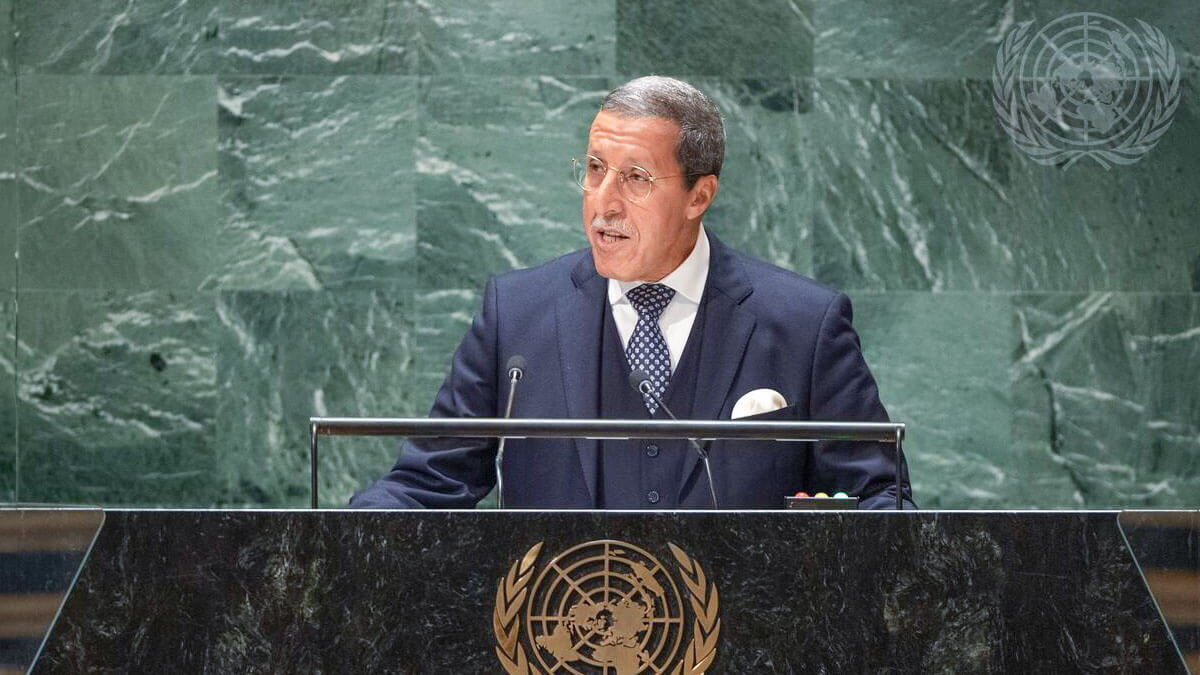
Contrary to what some claim, Morocco did not limit itself to drafting a text: it implemented advanced regionalisation, the human development model and the comprehensive development programme for the southern provinces in a concrete manner, thus paving the way for the effective implementation of a solid and modern autonomy.
King Mohammed VI, in line with his speech on 31 October, gave instructions to update, deepen and further detail the autonomy plan through an inclusive, broad and participatory consultation process, with a view to turning this framework into a comprehensive and consensual proposal.
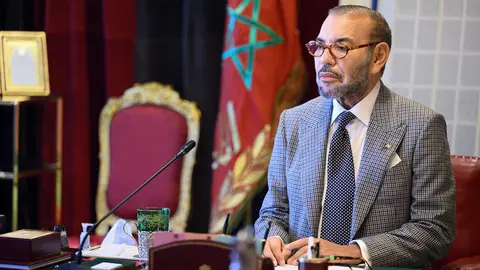
The United Nations resolution invites all parties to engage in this constructive dynamic, contributing ideas and content within the framework of the autonomy plan, in a spirit of cooperation and shared responsibility.
The Moroccan approach, as emphasised by the King, does not seek winners or losers, but rather a win-win formula, for the benefit of peace, stability and shared prosperity. And there is no better way to achieve this than through autonomy.

International recognition and historical context
The advisory opinion of the Hague Court left the door open to various interpretations. For Morocco, self-determination is not a cause for fear: it is, precisely, the essence of the spirit of autonomy. One of the legitimate ways of exercising self-determination is autonomy, which does not necessarily lead to independence; there are numerous precedents around the world that confirm this.
Unfortunately, those who persist in a rigid and ideological logic do not want a realistic and fair solution to the conflict, whose historical roots we know well. The Polisario cannot claim to be the sole legitimate representative of the Sahrawi people. There are many Sahrawis who are fully integrated into their homeland, living in peace and prosperity in the southern provinces, benefiting from socio-economic development and effective political representation.
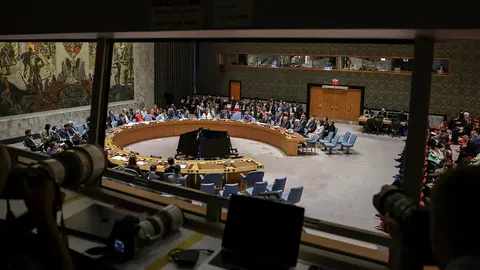
Unfortunately, some remain anchored in visions of the past, repeating narratives from the 1970s, from the Cold War era, without recognising that times have changed. Today, more than 120 countries support the Moroccan autonomy initiative, reflecting the majority will of the international community and the resolutions of the United Nations Security Council. Ignoring this reality and following the discourse of a single party (the Polisario), supported by a military regime (that of Algeria), does nothing to contribute to peace and regional stability.

Morocco, for its part, continues to advance in its democratic process, with its historical and cultural specificity, which is sometimes difficult to understand from certain European perspectives. It should be remembered that it was Morocco that registered the territory as non-self-governing with the United Nations when it was still under Spanish administration, long before the emergence of the Polisario.
The questions before The Hague were raised by Morocco itself, and the answer was clear: (it was not no man's land, and therefore there were bonds of allegiance between most of the tribes in the area and the Sultan of Morocco).
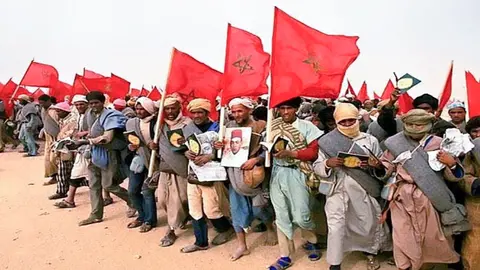
In this regard, the historic speech by His Majesty King Hassan II during the Green March constitutes an essential legal and political reference for understanding Morocco's interpretation of the International Court of Justice's ruling.
In his own words, the Sovereign emphasised: 'The Court has said that the Sahara was not terra nullius. It also said that there were legal ties of allegiance between the Sultan and the tribes of the Sahara. It has therefore confirmed that Moroccan sovereignty over this territory is a historical reality and that Morocco is not making a claim, but rather asserting its legitimate rights...'
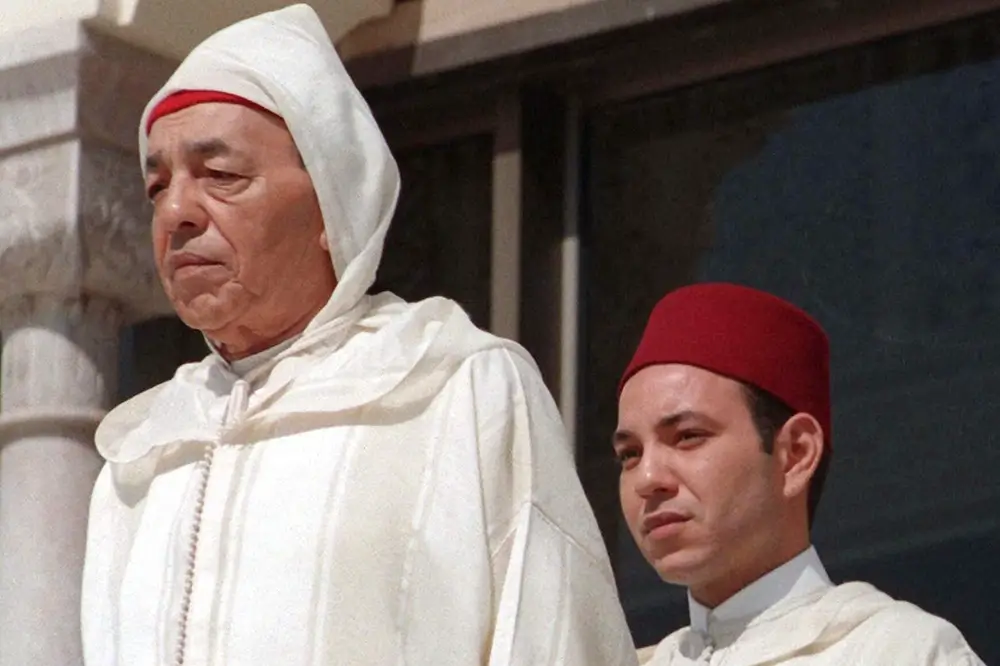
In Islamic law, these bonds of allegiance are equivalent to the very concept of sovereignty, even though the term did not yet exist at that time. Morocco exercised its legitimate authority as far as Mauritania, and this historical fact cannot be erased by subsequent political constructs born in the midst of the Cold War.
Today, nearly thirty countries have opened consulates in the southern provinces, concrete proof of international support for the Moroccan proposal, while barely twenty, with well-known ideological leanings, maintain their recognition of the self-proclaimed SADR of the Polisario, whose record is far from irreproachable.