Venezuela, the beginning of the end

International current affairs seem determined to shake us from one part of the globe to another, without allowing us to focus on a single issue for more than a few days at a time. The list of areas of confrontation, destabilisation and tension with the potential to affect not only the region where they occur but the entire planet is growing ever longer. And to this we must add those underground conflicts that are developing in the grey zone, although what is happening in this field is nothing more than another phase of the conflicts themselves.
Gaza, Ukraine, the Sahel, Venezuela... these are areas where conflict is unfolding, or brewing, in a more defined way. But we also have the complex Asia-Pacific region with its convoluted and intertwined interests which, more than anywhere else, can give rise to strange alliances, and we cannot forget the Arctic, the region where all experts predict the next major clash will take place.
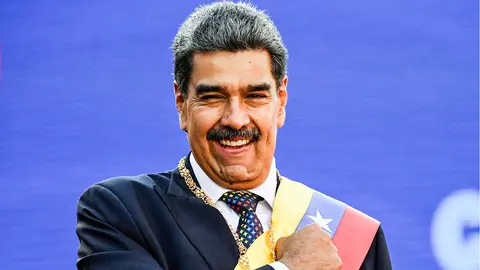
But today we will focus once again on the Caribbean Sea. Overshadowed by events in other areas, a confrontation is developing which, although clearly unequal in terms of resources, could, if it escalates, take a much bloodier turn for the United States.
At the time, we devoted a few lines to describing how the new ‘War on Terror’ declared by the Trump administration was going to escalate irrevocably. There are many converging factors that the current US president can capitalise on to boost his image within his country. And this is without overlooking the fact that, if he achieves his objectives, he will surely contribute to improving the deteriorated security in certain areas of the US due to the actions of criminal organisations that control drug trafficking, and contribute to significantly reducing the number of people affected by this scourge.
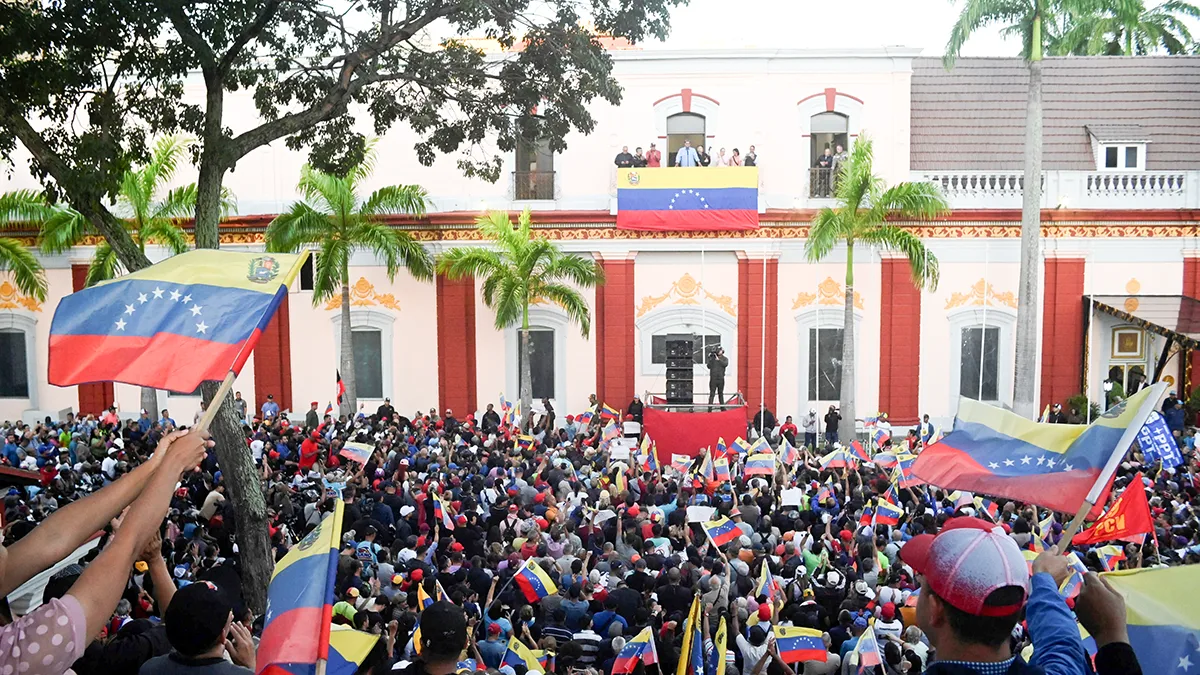
At first glance, this may seem like just another of President Trump's usual antics. However, nothing could be further from the truth.
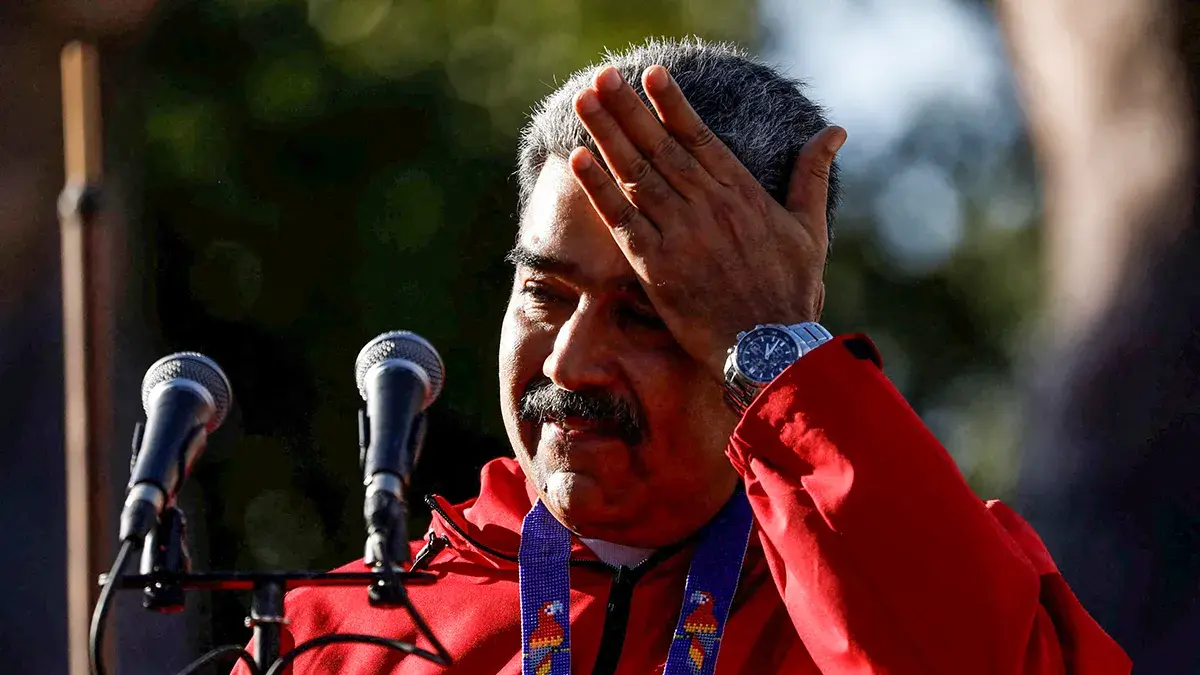
What we can consider a sustained pressure campaign against Nicolás Maduro's regime has not come out of nowhere, but is the result of a carefully developed legal and doctrinal architecture. The approach is based on the fusion of increasing economic coercion with military deterrence.
The legal basis that allowed for the application of massive economic sanctions and the subsequent military escalation is not the work of this administration, but originated in March 2015, under Obama, when Venezuela was declared a ‘threat to the internal security and international relations of the United States.’ This declaration became the cornerstone for all Executive Orders implemented by the White House in relation to Venezuela from that moment on, allowing for the justification of coercive actions on the basis of national security.
Subsequently, with Trump at the helm of the White House, this legal basis was reinforced by introducing the pillar of narco-terrorism. The primary justification for the military deployment we are witnessing in the Caribbean centres on the accusation that the Maduro regime functions as a ‘cartel that governs Venezuela’. In line with this assertion, and in order to increase pressure and try to cause a rift in the regime's internal cohesion, Washington has raised the reward for the capture of Nicolás Maduro to $50 million, cementing the fusion of foreign policy with the war on drugs and providing a security narrative to justify the increase in military operations.
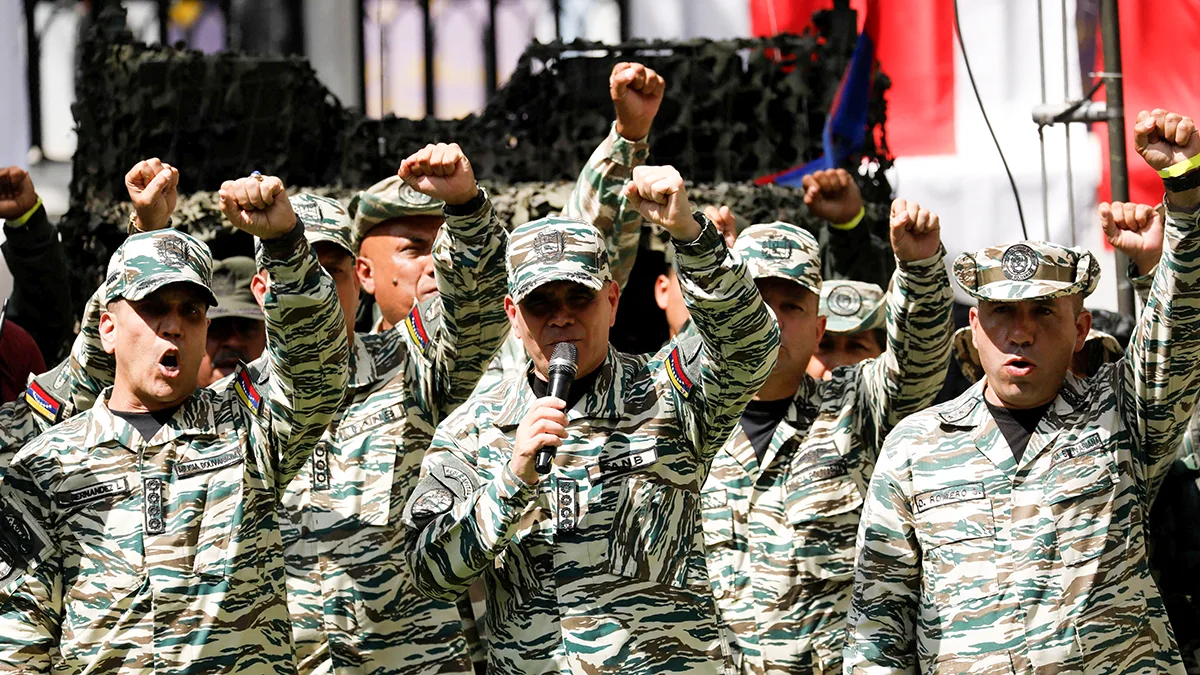
If we look closely at the steps the US is taking, we will find a pattern of increasing pressure on all fronts in a successive, rather than simultaneous, manner. The aim is none other than to create a sense of uncertainty within Maduro's regime, the certainty that this pressure will increase without knowing exactly in which area, in order to cause progressive and continuous attrition, not on the despot himself, but on those around him, so that they assume that, if necessary, their leader will seek a way to escape and they will bear the consequences of their government's actions.
The strategy being implemented also has a dual purpose: the financial strangulation of the Venezuelan state and the creation of a psychological deterrent aimed at internal political change. The immediate tactical objective is to cut off the regime's funding by attacking its primary sources of foreign currency, such as oil and gold. But not only those of the regime, but also those of its leaders, and that is where the direct attack on drug trafficking also comes into play. The ultimate strategic objective is none other than to achieve regime change once and for all. The aim is to ‘intimidate the officials and military personnel surrounding Maduro into letting him fall’.
If we look back, we have to go back to 2008 to find the first sanctions against Venezuela, when the Treasury Department sanctioned three Venezuelan military officials on suspicion of collaborating with the FARC and links to drug trafficking. For almost a decade, the measures focused exclusively on specific individuals linked to corruption or human rights violations, imposing financial and travel restrictions and freezing their assets. The European Union adopted a similar approach against 25 individuals in November 2017, complemented by an arms embargo.
The turning point came on 25 August 2017 with the application of the first direct economic sanctions on the government. The United States prohibited transactions related to the financing of any of its organs or entities, including the state-owned Petróleos de Venezuela S.A. (PDVSA), preventing new debt issues or the trading of existing bonds.
This phase culminated in the almost total blockade of the Venezuelan economy. In March 2018, a new Executive Order prohibited ‘all transactions, financing or any other type of commercial relationship’ with any currency or digital currency of the Venezuelan government, directly targeting the launch of the Petro.
The pressure intensified in November 2018, when an Executive Order was signed imposing sanctions on gold exports and prohibiting the purchase of any government debt issues or the transfer of 50% or more of shareholdings in state-owned entities. The most decisive action came in January 2019, when the Office of Foreign Assets Control (OFAC) targeted PDVSA, blocking all its interests and properties subject to US jurisdiction and prohibiting any US citizen from doing business with the entity, thus strangling the country's main source of foreign exchange.
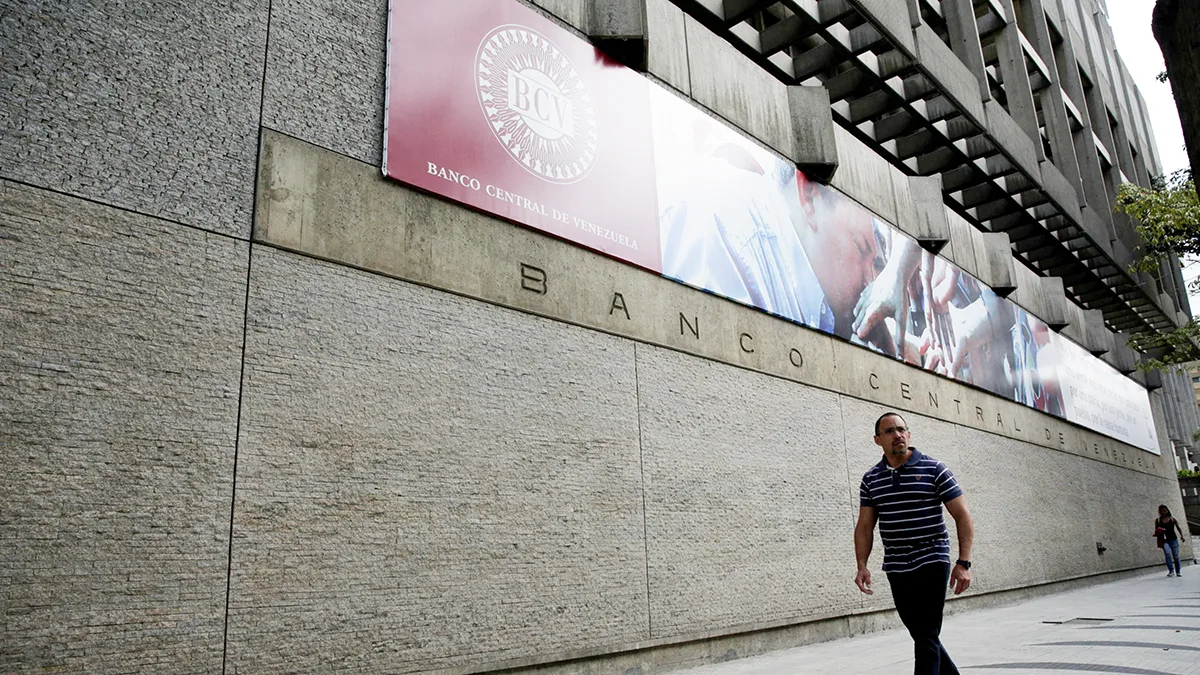
Continuing along these lines, in March and April 2019, key entities such as Evrofinance Mosnarbank, the National Bank for Economic and Social Development (Bandes) and its five subsidiaries, and the Central Bank of Venezuela (BCV) were sanctioned. Finally, on 5 August 2019, a new Executive Order decreed the freezing of all assets and interests in properties of the Venezuelan Government under US jurisdiction.
In terms of sanctions against individuals, between 2008 and November 2020, these affected 209 individuals, of whom 192 were Venezuelan (58 military and 134 civilians). The reasons given for applying these sanctions include drug trafficking, corruption and illegal enrichment.
In addition, these coercive measures have used extraterritoriality as a means of isolation. The United States has sanctioned 16 foreigners who have dealt with senior Venezuelan officials, including Rosneft executives and Iranian officials, for providing support to the Venezuelan government. However, this use of pressure on third countries is something that the EU has avoided with its Blocking Statute.
But the results have not been as expected, and economic analysis of the sanctions indicates a profound dichotomy between success in financial coercion and failure in the political objective of regime change. This has made it necessary to increase actions on the military front and in the field of intelligence.
The sanctions campaign has been very effective in its goal of financial suffocation. The sanctions caused the Venezuelan state to lose between 17 and 31 billion dollars in revenue. This drastic drop in its assets has only exacerbated the pre-existing economic crisis, caused by years of mismanagement and corruption.
However, the transfer of the cost of the sanctions has been the most serious consequence. The massive reduction in revenue, mainly from the oil business, has severely limited the country's ability to acquire foreign currency, resulting in a sharp decline in imports. The average monthly value fell by 46 per cent in 2019 and by an additional 50 per cent in 2020. And although the sanctions do not explicitly restrict the importation of food and medicine, the lack of foreign currency has prevented private and public companies from importing essential products, which has directly contributed to the deterioration of Venezuelans' quality of life and has given the regime arguments to strengthen itself, at least rhetorically, before its supporters.
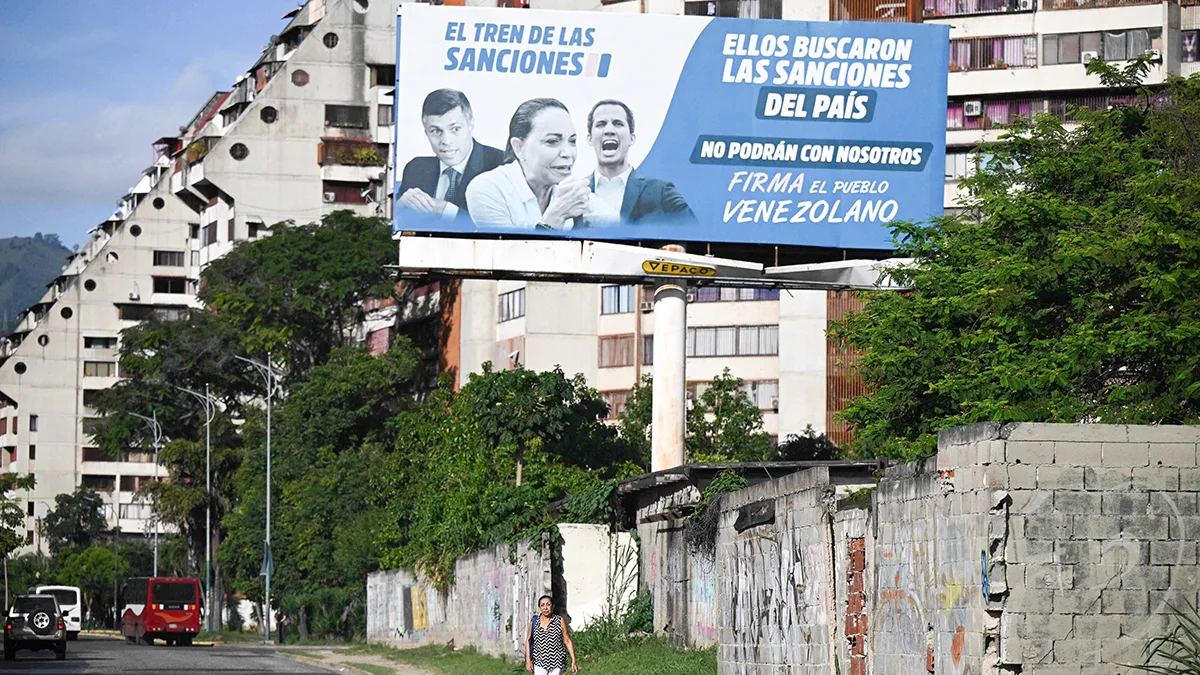
The sanctions architecture, while powerful in decapitalising the state, has proven insufficient to bring about regime change, as analysis suggests that the economic, political and military elites that support the authoritarian government have managed to insulate themselves from the worst effects, while the most vulnerable population has paid the highest price.
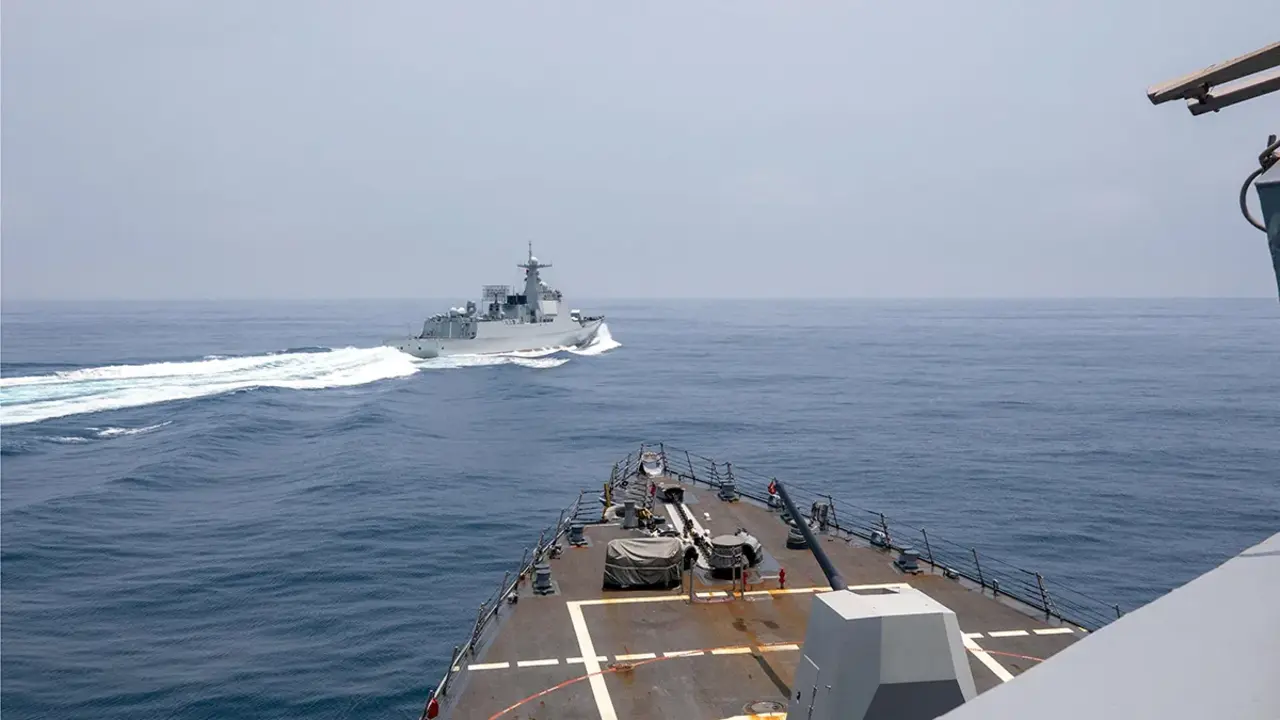
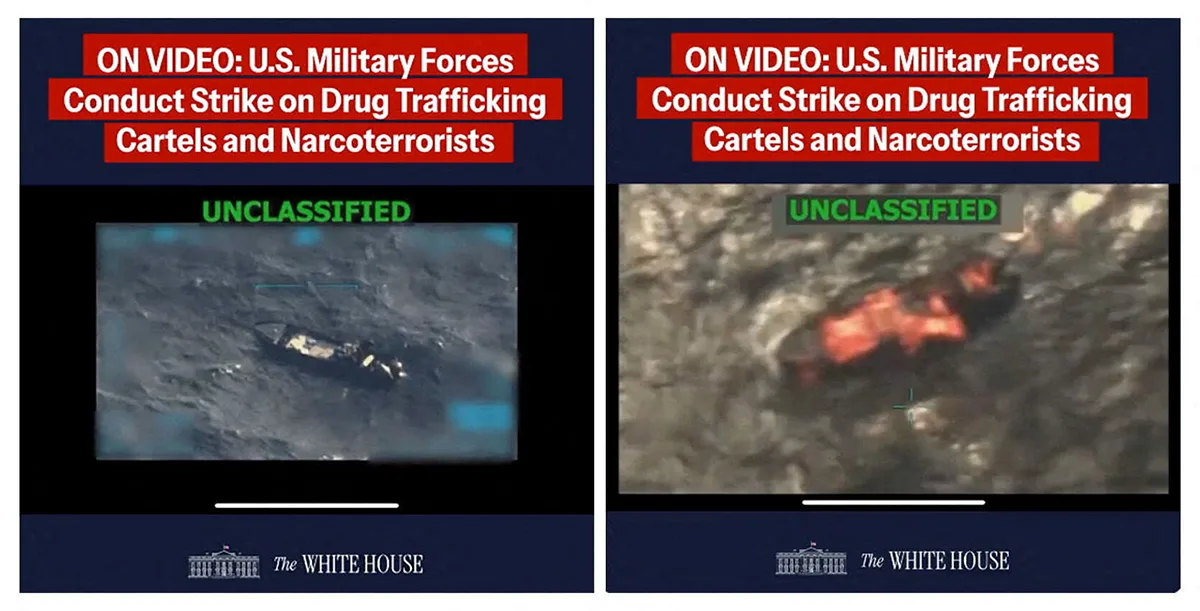
This is where the military deployment justified under the narrative of ‘Enhanced Anti-Drug Operations’ in the Caribbean comes into play, in response to the increase in drugs entering the US by sea, and arguing, not without reason, the intention to cut off the funding that Maduro's regime obtains from illegal substances. However, the nature and composition of the units deployed suggest that the real mission goes beyond simple interdiction, seeking clear deterrence and response capacity for regime change scenarios. The most obvious evidence of this is the news of alleged offers by members of the Venezuelan government to form a government without its current leader, Nicolás Maduro.
This may be the first sign of cracks in a regime that has destroyed one of the richest countries in the Americas, plunging it into poverty and chaos. The recent announcement that the CIA has been authorised to carry out clandestine operations on Venezuelan territory is nothing more than another twist of the screw, causing unease, mistrust and fear among those who support Maduro. We are not going to witness the overthrow of the government through direct action by US forces, but their presence, the constant destruction of vessels linked to drug trafficking and the fear of these clandestine operations, together with the related economic measures, may be the sword of Damocles that finally causes an internal movement that ends Venezuela's nightmare once and for all.
And let us not forget that, if this happens, it will be another point for Donald Trump to add to his tally.