The shadow of the Sahel: hybrid insurgency, political markets and criminal governance in the configuration of a transcontinental systemic threat

- The Sahel as a paradigm of contemporary conflict
- Hybrid insurgency: overcoming the classic insurgent paradigm
- The “political marketplace”: power, loyalties and transactions
- Criminal governance: order, extraction and armed legitimacy
- Political economy of violence: resources, climate, and conflict
- Internationalisation and strategic competition
- Projection towards Europe: strategic implications
- Conclusions: the Sahel as a mirror of the future of organised violence
It is argued that armed groups, especially Jama'at Nusrat al-Islam wal-Muslimin (JNIM) and the Islamic State in the Greater Sahara (ISGS), have transitioned from classic ideological insurgencies to hybrid insurgency models, combining territorial control, selective provision of services, and participation in illicit markets, which allows them to sustain their power autonomously and resiliently in the face of military pressure.
The conceptual framework of the ‘political marketplace’ is incorporated, which describes the constant negotiation of loyalties and resources in contexts of weak states, showing how jihadist groups insert themselves into these dynamics to consolidate influence and legitimacy. Likewise, the concept of ‘criminal governance’ is applied to explain how armed actors exercise traditional state functions through illicit economies, establishing parallel justice systems, tax collection and social control, which ensures their survival and projection of power.

We will examine the relationship between structural factors—state fragility, inter-community conflicts, climate change—and transnational dynamics of crime and terrorism, highlighting the direct and indirect projection of these threats towards Europe, particularly Spain, through illicit flows and digital radicalisation networks. Finally, we conclude that the complexity of the Sahel requires comprehensive strategies that combine security, governance, development and sustained international cooperation, as its instability constitutes an advanced laboratory of organised violence and a predictor of similar challenges in other fragile regions of the international system.

The Sahel as a paradigm of contemporary conflict
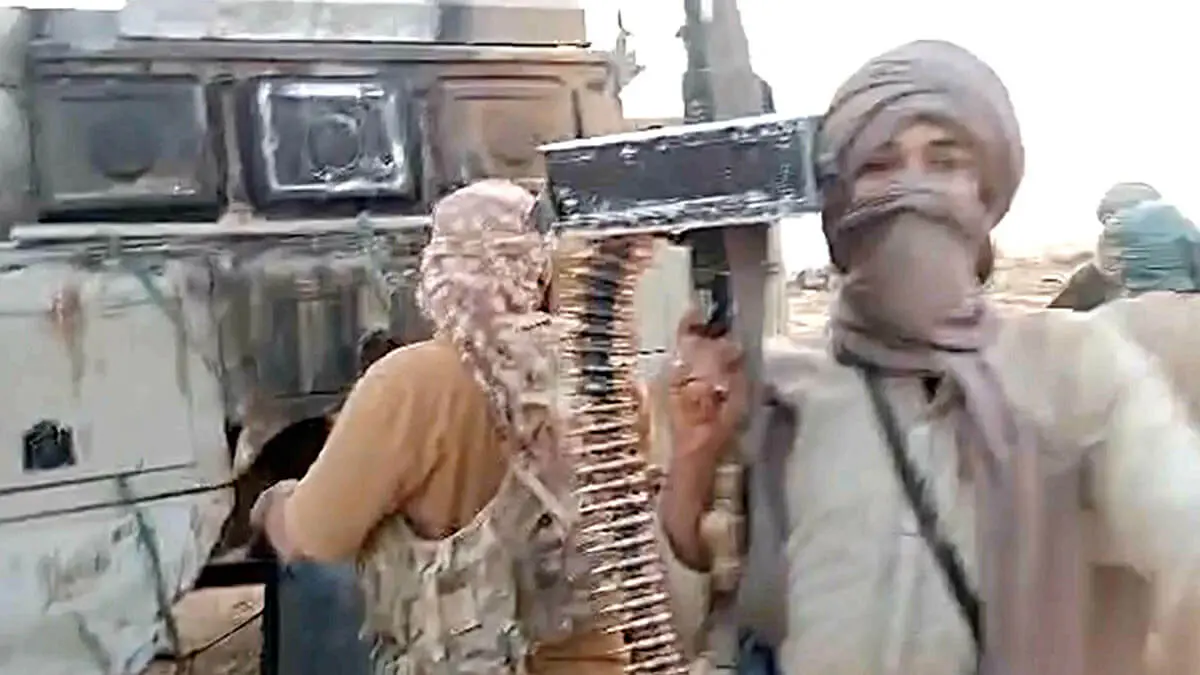
The Sahel has become one of the most illustrative scenarios of the profound transformations that organised violence has undergone in the 21st century. Far from responding to the classic patterns of ideological insurgency or conventional civil war, the Sahelian conflict embodies an advanced form of hybrid violence, where insurgent, criminal and political logics overlap in an environment characterised by structural state fragility. This convergence not only explains the persistence of the conflict, but also its capacity for adaptation, territorial expansion and transnational projection.
From this perspective, the Sahel should not be analysed as a set of disconnected national crises, but as an integrated regional system, articulated by illicit flows, flexible armed alliances and informal power markets.
The threat emerging from this system is not limited to Africa, but extends to Europe through security dynamics, organised crime and ideological radicalisation, placing the southern flank of Europe — and particularly Spain — in a position of structural vulnerability.
Hybrid insurgency: overcoming the classic insurgent paradigm
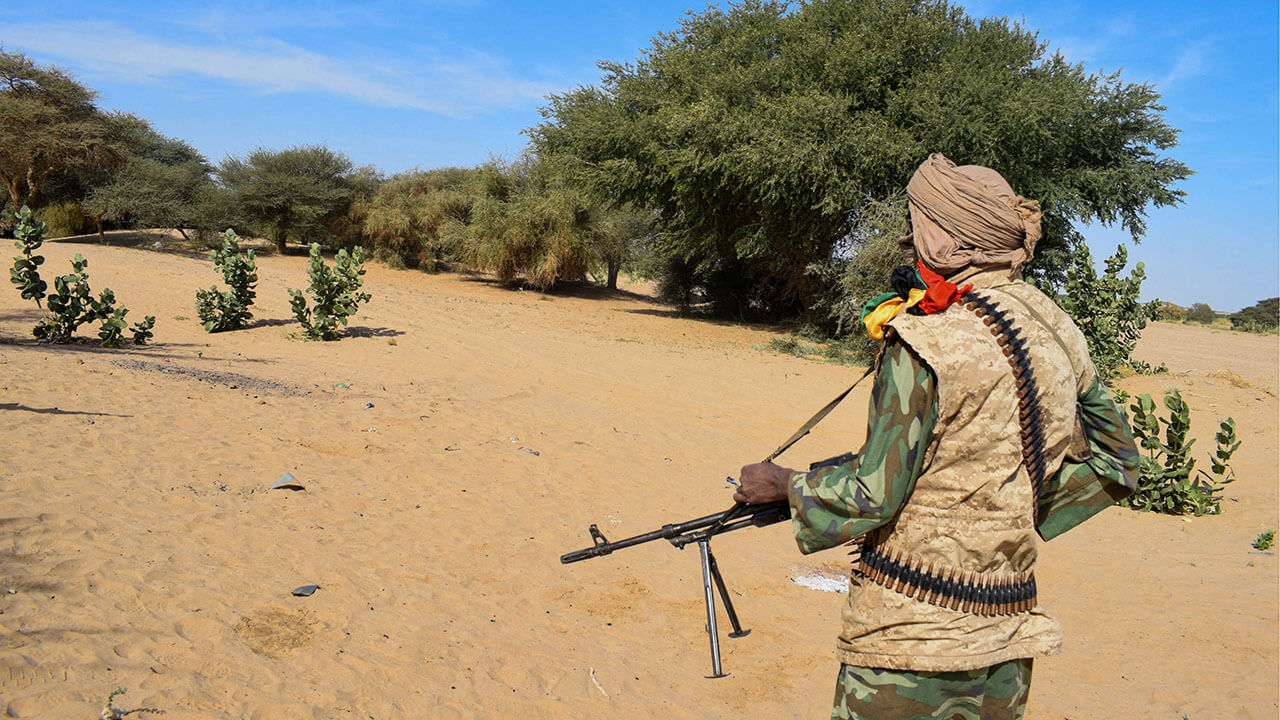
The concept of hybrid insurgency is fundamental to understanding the nature of Sahelian jihadism. Unlike traditional insurgent models—characterised by rigid hierarchies, defined political objectives and dependence on ideologically motivated popular support—hybrid insurgency combines multiple repertoires of action: asymmetric violence, organised crime, economic control of territories and selective provision of services.
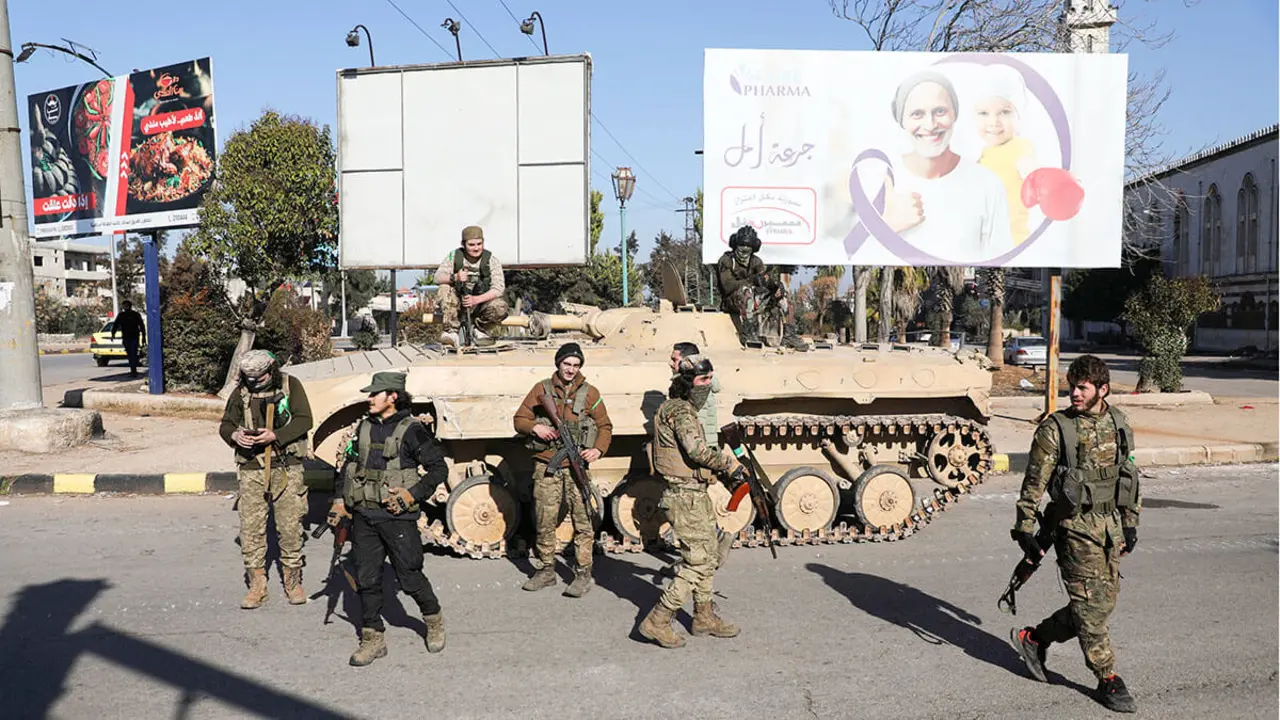
In the Sahel, groups such as JNIM and ISGS operate simultaneously as insurgent movements, criminal networks, and de facto local authorities. Their legitimacy does not stem exclusively from a religious narrative, but from their ability to manage resources, impose order, and offer protection in contexts where the state is absent or acts predatory. This multifunctionality allows them to adapt quickly to changes in the strategic environment, absorb partial military defeats, and reconfigure their alliances without losing operational coherence.
The Sahelian hybrid insurgency does not necessarily seek to seize state power in the classical sense. Its main objective is the sustained control of peripheral areas and strategic routes, from which to extract income, project influence and condition the actions of central states. This logic explains the apparent paradox of groups expanding their territorial control without attempting to capture national capitals or formal institutions.
The “political marketplace”: power, loyalties and transactions
The concept of the “political marketplace” is key to analysing the internal functioning of Sahelian political systems. This theoretical framework describes contexts in which political power is not exercised primarily through formal institutions, but through the buying and selling of loyalties, the redistribution of rents and constant negotiation between armed actors, local elites and state authorities.
In the Sahel, the state operates as just another actor within this political marketplace, competing with armed groups, community leaders and criminal networks for control of resources and support. Alliances are inherently volatile, determined by short-term cost-benefit calculations rather than lasting ideological affinities. In this context, violence becomes a bargaining tool, used to readjust political prices and redefine power balances.
Jihadist groups have demonstrated a remarkable ability to insert themselves into this marketplace, offering armed protection, access to illicit economies, and conflict resolution in exchange for loyalty or neutrality. In this way, the insurgency does not destroy the existing informal political system, but rather captures and reorganises it to its advantage. This logic explains why coups and regime changes have not substantially altered the dynamics of insecurity: the political market persists beyond the formal structures of government.

Criminal governance: order, extraction and armed legitimacy
The notion of ‘criminal governance’ allows us to understand how non-state actors exercise functions traditionally associated with the state, using illicit activities as the material basis of their power. In the Sahel, criminal governance is not a marginal phenomenon, but a central element of the social order in large rural areas.
Armed groups establish parallel justice systems, regulate access to land and resources, collect informal taxes, and ensure the security of economic activities—both legal and illegal—under their control. Although coercive and exclusionary, this form of governance is functional for communities that lack institutional alternatives. The predictability of the rules imposed by armed groups contrasts, in many cases, with the arbitrariness and corruption of state authorities.
This criminal governance is sustained through integration into transnational illicit economies. Drug trafficking, illegal mining, fuel smuggling, and human trafficking are not ancillary activities, but structural pillars of the system. The ability to regulate these flows provides armed groups with a stable source of income and a tool for social control.
Political economy of violence: resources, climate, and conflict
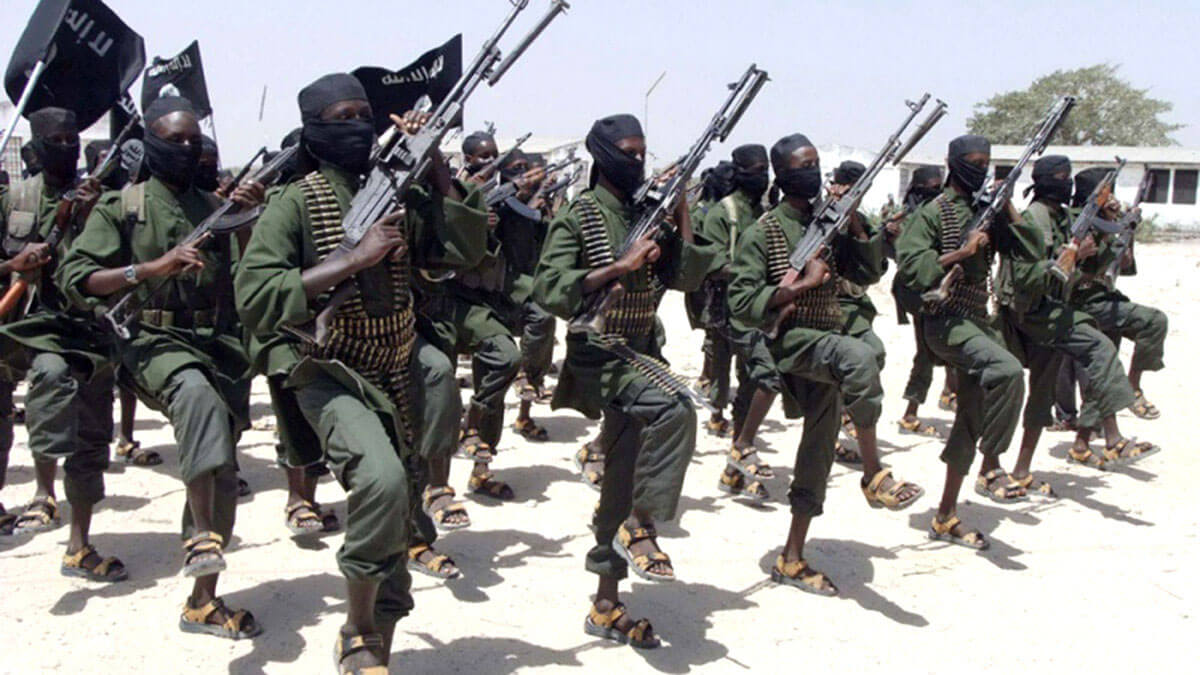
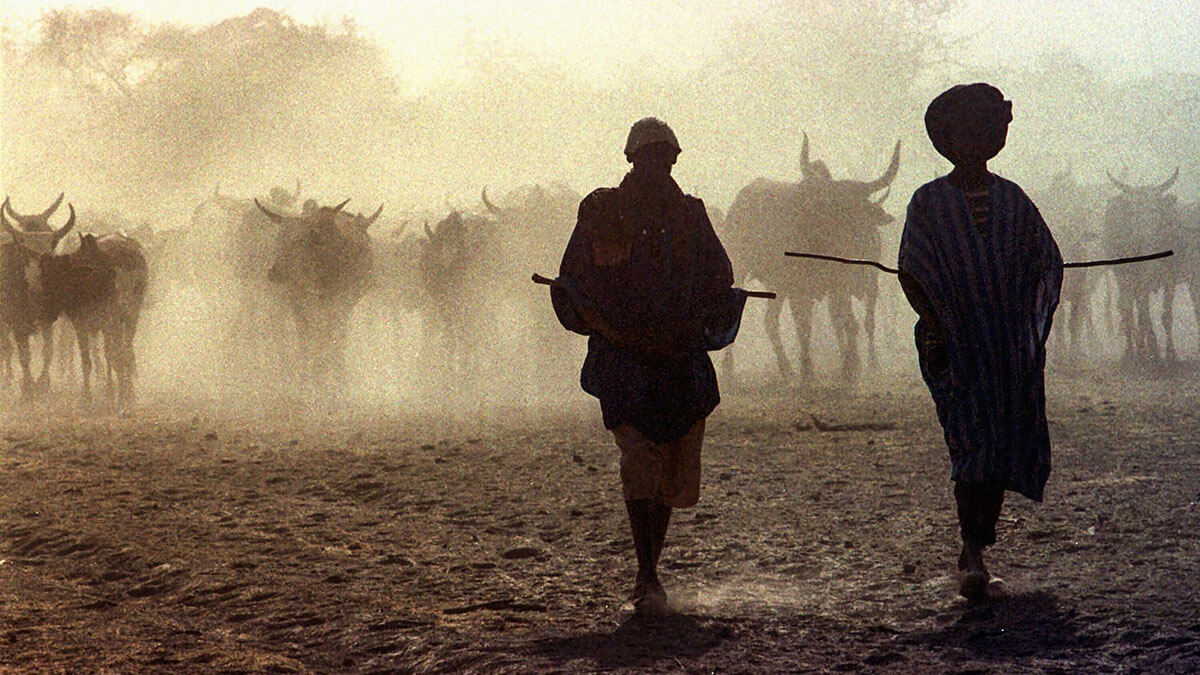
Any analysis of the Sahel must integrate the environmental dimension into the political economy of violence. Climate change acts as a threat multiplier, intensifying competition for scarce resources and eroding traditional livelihoods. Desertification, rainfall variability and the degradation of agricultural land have exacerbated tensions between pastoral and agricultural communities, creating a breeding ground for armed mobilisation.
Jihadist groups have exploited these conflicts, positioning themselves as armed arbiters and exploiting historical grievances. In this sense, the violence is not solely ideological or criminal, but deeply political, rooted in disputes over access, control and redistribution of resources in contexts of structural scarcity.
Internationalisation and strategic competition
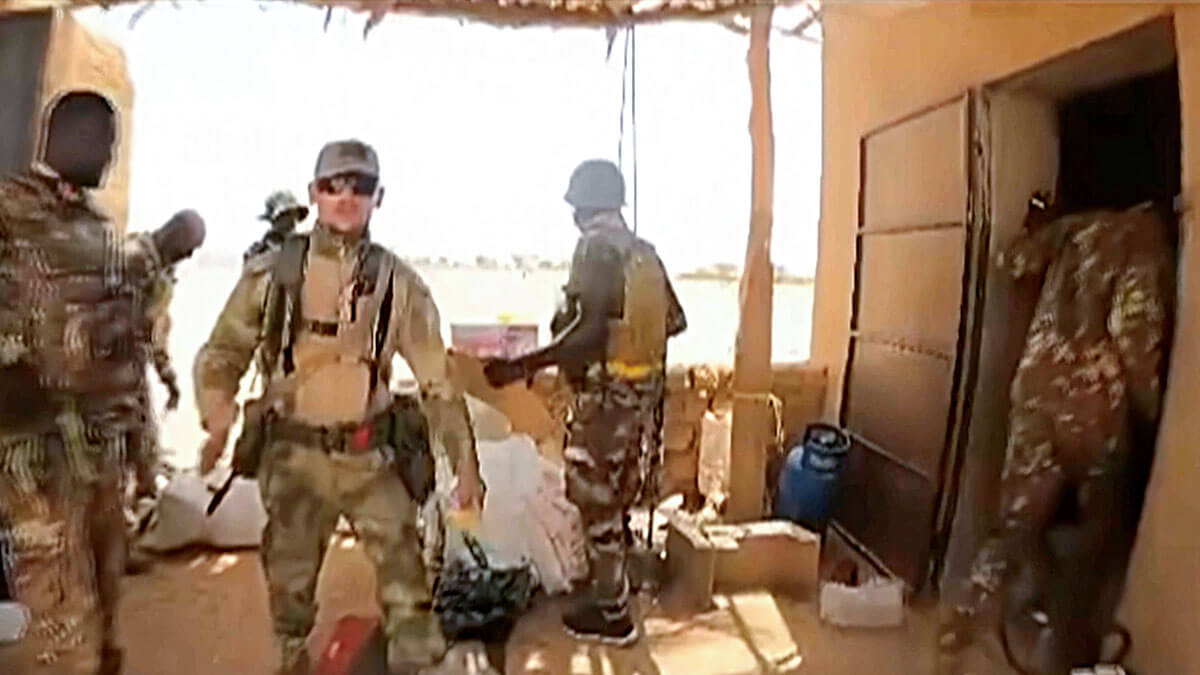
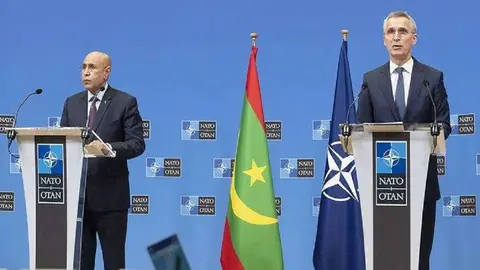
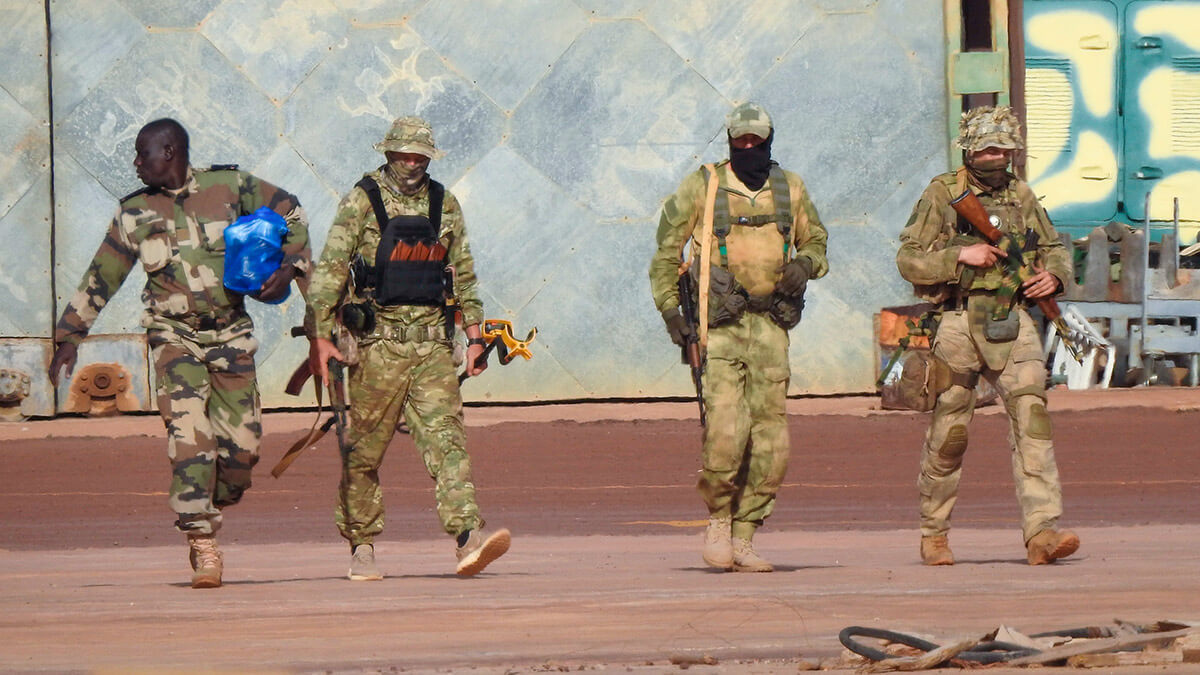
The withdrawal of Western actors and the entry of new powers have altered the regional strategic balance, but have not transformed the fundamental dynamics of the conflict. The Russian presence and Chinese expansion are, in turn, inserted into the regional ‘political marketplace,’ negotiating access, influence, and resources with local elites and military regimes.
This internationalisation further fragments cooperation frameworks and hinders the development of coherent responses. Competition between external actors reinforces the transactional logic of power, reducing incentives for deep institutional reforms and favouring short-term solutions based on coercion.
Projection towards Europe: strategic implications
The consolidation of a system of hybrid insurgency and criminal governance in the Sahel has direct implications for Europe. Illicit flows through the region feed European criminal networks, while narratives produced by armed groups circulate in transnational digital spaces. Spain, as a logistical hub and southern border, occupies a particularly sensitive position in this risk architecture.
The threat does not necessarily manifest itself in the form of direct attacks, but rather through a progressive erosion of security, social cohesion and governance, mediated by illicit economies and dynamics of diffuse radicalisation.
Conclusions: the Sahel as a mirror of the future of organised violence
The Sahel represents an advanced manifestation of contemporary transformations in organised violence. The combination of hybrid insurgency, political marketplace and criminal governance forms a highly resilient system capable of surviving military interventions, regime changes and international pressure.
For Europe and Spain, the challenge is not only to contain the immediate effects of this instability, but also to understand that the Sahel anticipates forms of conflict that are likely to be replicated in other fragile areas of the international system. Ignoring this reality is tantamount to accepting that the shadow of the Sahel will continue to loom ever larger over the Euro-African space.