The persistent threat from Daesh in north-eastern Syria
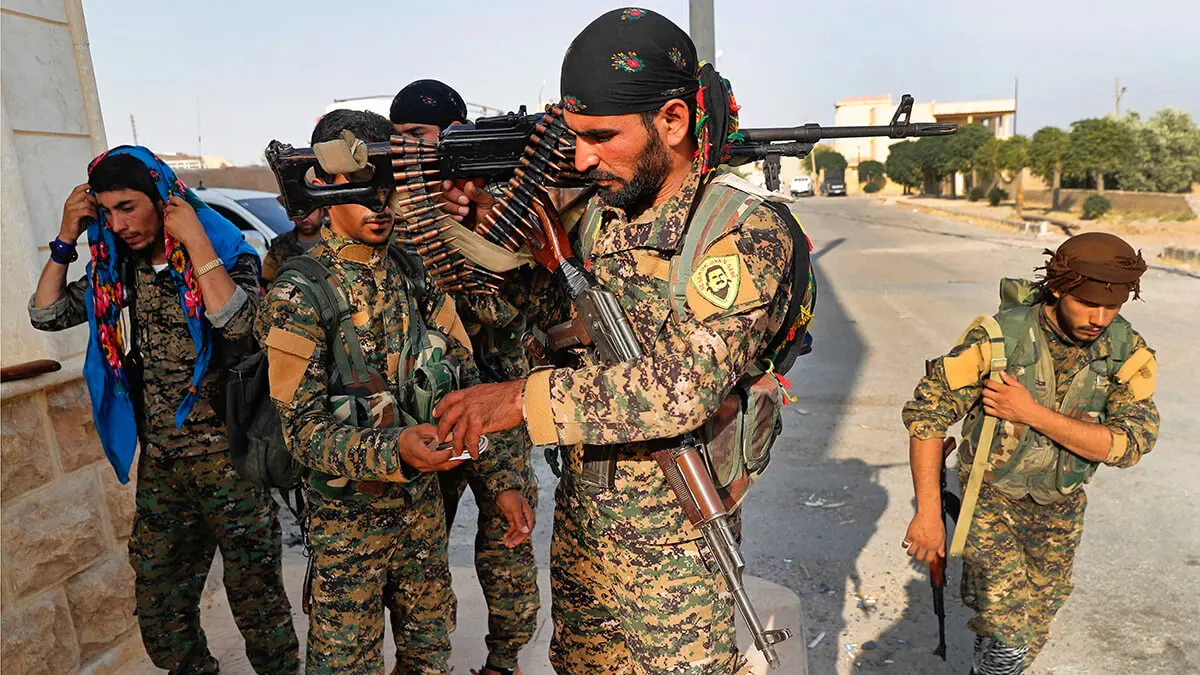

The terrorist organisation maintains a resilient structure, especially in the eastern part of the province of Deir Ezzor, which allows it to recover from arrests by the Syrian Democratic Forces, which, together with the internal security militias or Asayish, have been a constant target of terrorist cells.
The Daesh terrorist organisation continues to pose a serious threat in north-eastern Syria. The political change that took place in December 2024 did not mean a halt to the organisation's activities, as it has always considered Hayat Tahrir al Sham to be apostate. The terrorist organisation still remembers the day when the now interim president of Syria, Ahmed al-Sharaa, broke with the first leader of Daesh, Abu Bakr al-Baghdadi, in 2013 (1), by rejecting his offer to dissolve the jihadist organisation, predecessor of HTS, the Nusra Front, within the orbit of Al Qaeda, and be absorbed by Daesh, starting from there a brutal battle between the two organisations, as we shall see below.
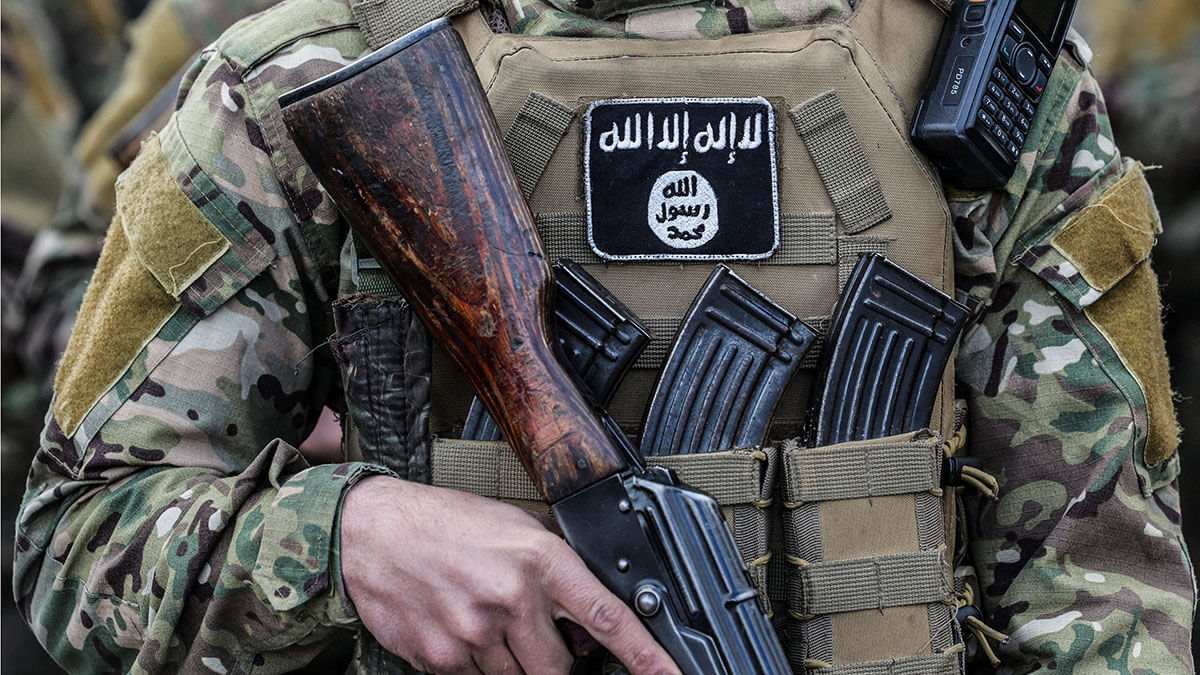
In January 2014, the hospital in Aleppo was the front line of battle, as it was occupied for days by Daesh members in an attempt to consolidate their position in a province that they never managed to control for the most part, as they did in Raqqa, for example. Finally, the hospital, also known as the headquarters of the group linked to Al Qaeda, was stormed by the latter, with Daesh abandoning their position, but not before killing around 70 prisoners (2).
Years later, in 2023, with HTS controlling Idlib, the fourth leader of Daesh in Syria, Abu al Hussein al-Husseini al-Qurashi, was killed by HTS in a location in the province, according to a statement by the Daesh terrorist organisation on Telegram (3).
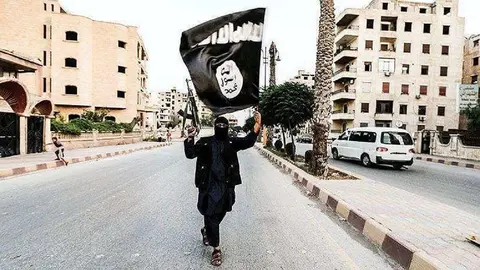
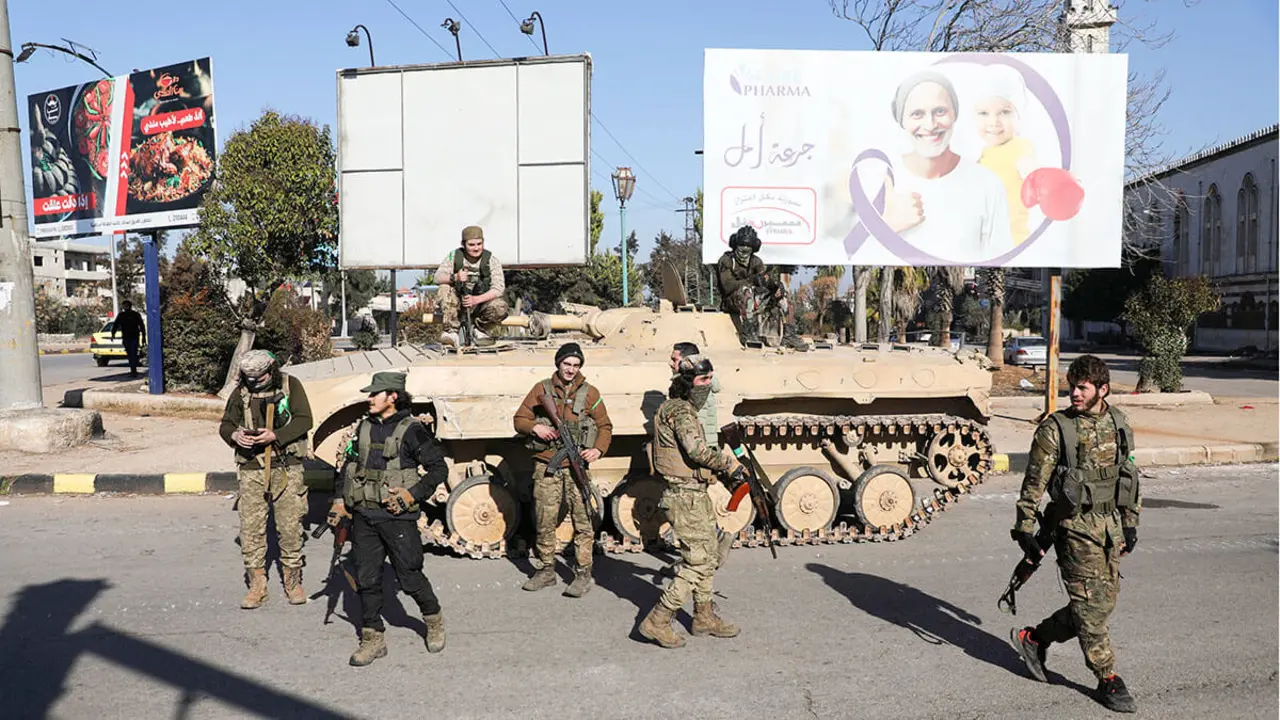
In December 2024, the terrorist organisation saw how its enemies from HTS and their pro-Turkish allies managed to defeat Bashar al-Assad's army in a lightning offensive, ousting him from power, and he managed to escape to Russia. This led to a new geopolitical scenario, in which Bashar's defeated troops and pro-Iranian militias were eliminated from the scene, but HTS militias and their pro-Turkish allies entered the Damascus arena. For Daesh, however, some of the players changed, but not the scenario, because they remained sinister protagonists in north-eastern Syria, targeting almost exclusively the Kurdish militias.
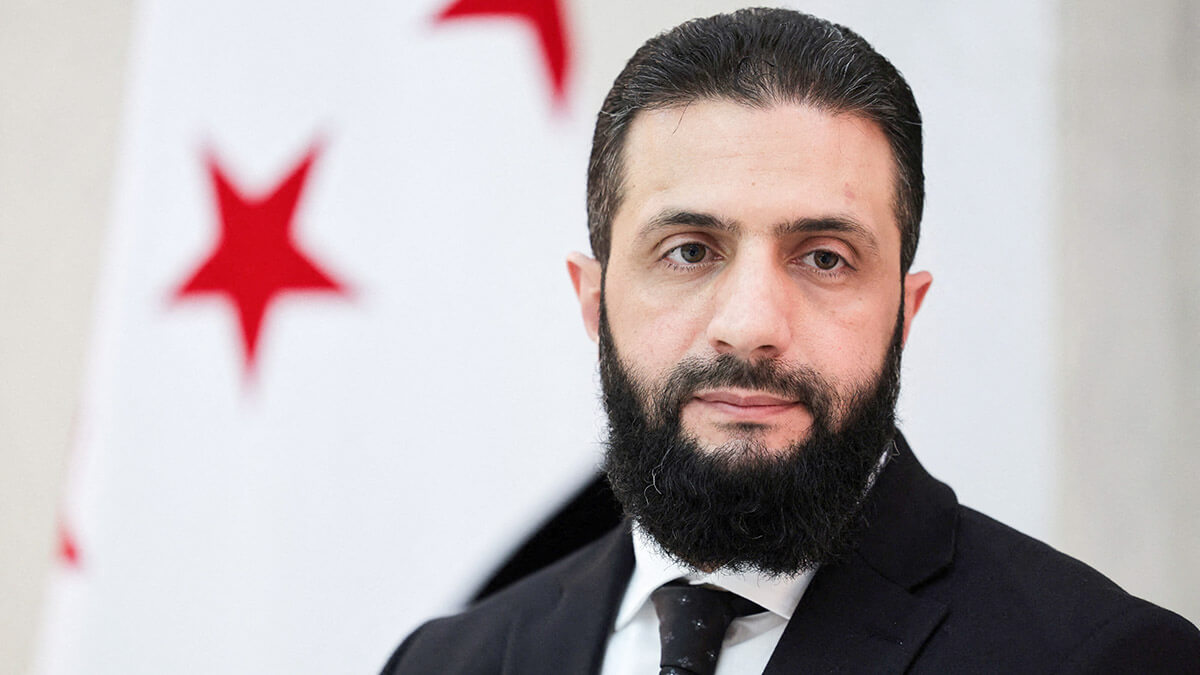
Since Ahmed al-Sharaa became interim president of Syria, the terrorist organisation has carried out 206 attacks (4) since the beginning of the year, according to the Syrian Observatory for Human Rights, causing 82 deaths among Kurdish military formations and civilians, with the majority of attacks and deaths, 175 and 64 respectively, occurring in Deir Ezzor. Among the most serious attacks against the SDF, at the end of April 2025, five members of these militias were killed as a result of an attack (5) by the terrorist organisation in the eastern part of Deir Ezzor. In early August, another five members of the SDF lost their lives after an assault on a checkpoint near the same area as the previous attack. A month later, five members of an SDF patrol were killed by a mine, also in Deir Ezzor (6).
On the other hand, there were at least two attacks on the new Syrian Army. In the province of As-Suwayda, the first attack took place in May, targeting a vehicle carrying government forces linked to the Free Syrian Army (7), killing one civilian and wounding three soldiers. The second attack took place in August, at a checkpoint in the town of Al Mayadeen in the province of Deir Ezzor, killing a member of the internal security forces of the Al-Sharaa government. The Syrian Arab News Agency (SANA) reported that Daesh was responsible (8).
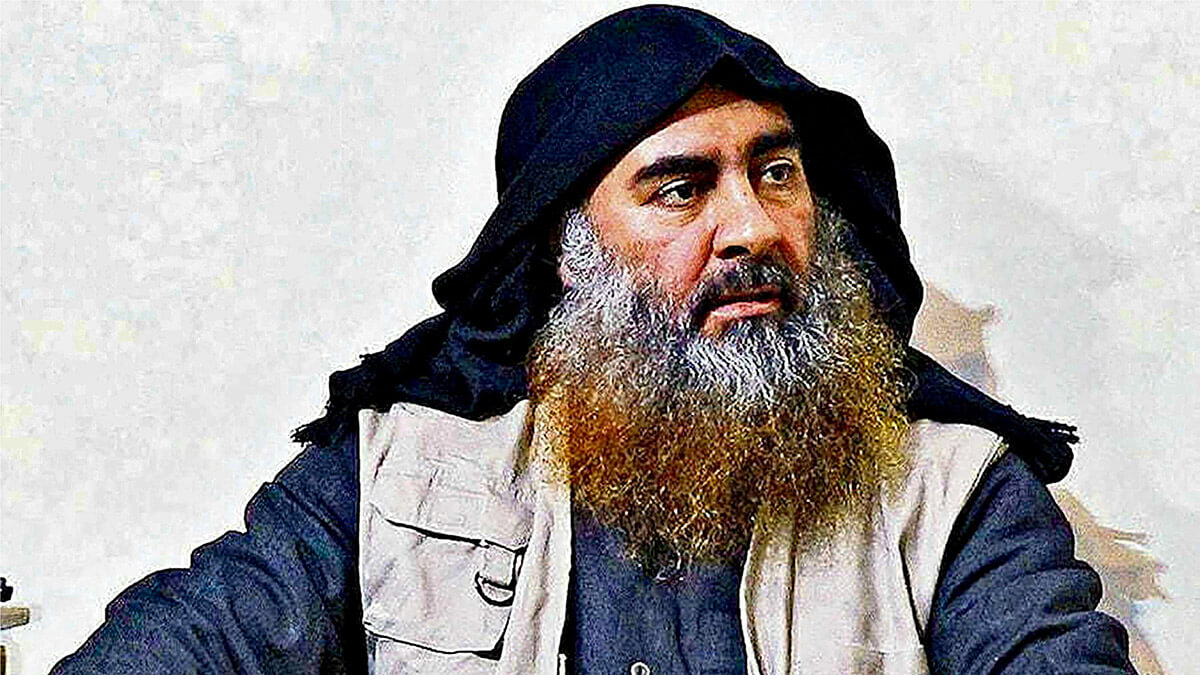
As seen above, the province of Deir Ezzor remains the main focus of insurgency, and this is understandable. When Daesh's false caliphate was defeated militarily in March 2019 in its last stronghold of Baghuz in the province of Deir Ezzor, its militias retreated to the desert area of the province, using it since then as a refuge from which to carry out attacks against their enemies. This province, which depends on the banks of the Euphrates River, was home to Bashar's forces on one side of the river and Kurdish forces on the other, both of which were enemies of the terrorist organisation.
The deep, desert expanse of Deir Ezzor has been a place for Daesh for the last six years, from where its terrorist cells, often taking advantage of the night and the desert, have carried out continuous attacks. Despite brilliant operations by the SDF against the terrorist organisation, it has managed to regenerate itself in a territory it knows perfectly well and where, out of fear or sympathy, it still enjoys some support among the rural population (9).
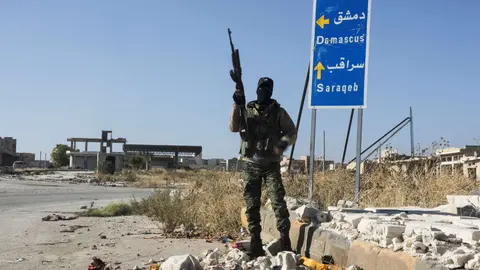
However, in recent years, Daesh has not only carried out attacks in Deir Ezzor, but also, once it had consolidated its presence in that area and was constantly pursued by Kurdish militias, it increased its presence in Homs (10), which has been in the hands of Bashar's government since 2017, and where the army has had difficulty guaranteeing security in such a large province.
In Homs, Daesh cells carried out numerous attacks against Bashar al-Assad's troops and their pro-Iranian allies, causing hundreds of casualties and even surpassing Deir Ezzor in 2024 in terms of the number of deaths and terrorist attacks.
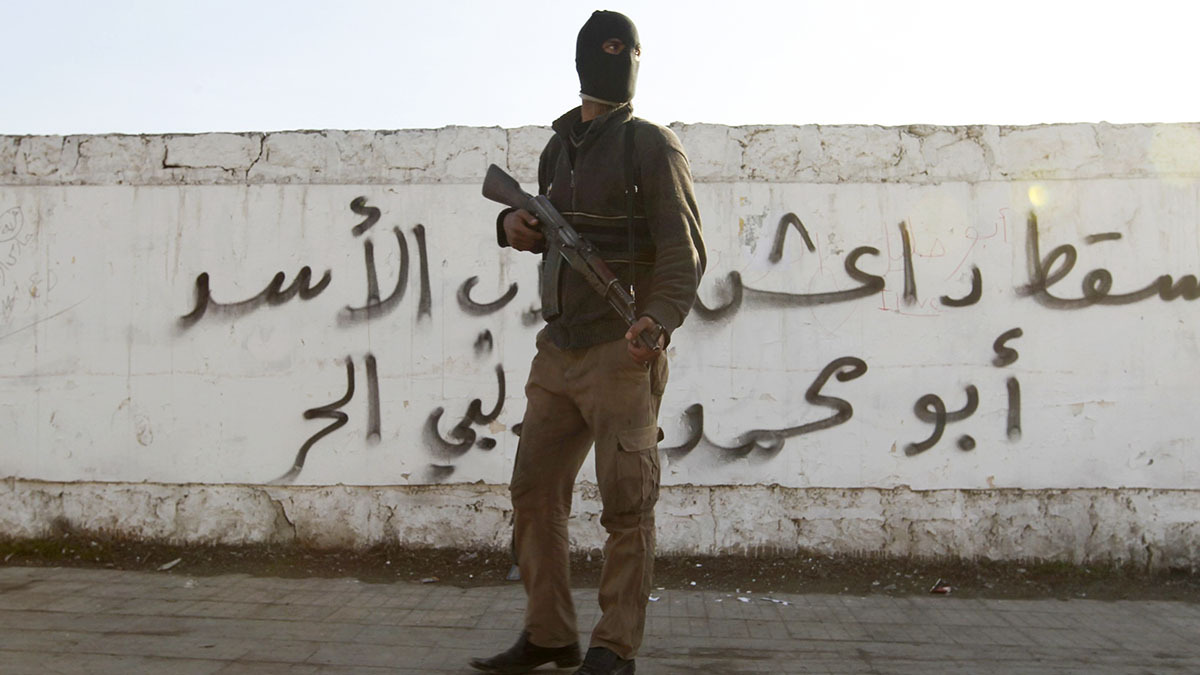
The HTS offensive against Bashar's army at the end of November 2024 prompted a meeting of Daesh leaders in the Homs area to map out a strategy (12). The first decision taken by the terrorist organisation was to halt its actions in the province, given the military movement between the contenders. On the other hand, it remained on alert in case units of Bashar's army entered the desert area of the province where the organisation's cells were based, which did not miss the slightest opportunity, despite the tactical pause in the area, to attack those it considered its enemies if they entered its territory, as happened in mid-December 2024, when 54 members of the Syrian Army (13), fleeing defeat in the desert of Homs, were intercepted and annihilated by the terrorist organisation.
Homs in December came under the control of Al-Sharaa forces, with Daesh remaining in that province until now, operating under a low profile. As this article was being finalised at the end of October, the first death of the terrorist organisation in Homs since the beginning of the year occurred. A terrorist cell broke into a house in Palmyra, killing a man in front of his family, accusing him of witchcraft (14).
While this was happening in Homs, the terrorist organisation continued to maintain maximum operational capacity in the north-eastern areas of Syria, carrying out attacks against Kurdish militias on an almost daily basis, while also using its usual communication channels to lash out against the new Syrian government, which it accused of ‘betraying Islam’ (15) for wanting to meet, according to Daesh, with the US government and submit to Western values.

But the terrorist organisation not only targeted Kurdish militias in the northeast, civilians were also targeted, including businessmen and oil company workers, merchants who refuse to pay zakat, and women who refuse to close their beauty salons. Most of these attacks against civilians took place in Deir Ezzor. In mid-June, a man working for the Civil Council was machine-gunned by two Daesh terrorists on a motorbike (16), and in September, two owners of oil tanker trucks who refused to pay zakat, a sacred donation for Muslims that has been completely distorted by Daesh, had their vehicles machine-gunned, leaving them severely damaged (17). Also at the end of September, two people travelling in a vehicle in the eastern part of Deir Ezzor were shot. The attack targeted hairdresser Fatima al-Olusi, who was killed along with her companion (18). Fatima owned a beauty salon and had received threats weeks earlier to close her business, which had been attacked a month earlier with warning shots.
The former capital of the false caliphate, Raqqa, has also been the target of 15 attacks, four in October, despite never having been the epicentre of the terrorist organisation's attacks since its defeat in 2019, despite the deployment of the SDF there. At the beginning of October, in the vicinity of Raqqa, Daesh wounded two members of the Syrian Democratic Forces. Days later, another attack took place, killing another SDF member, and finally, on 15 October, two attacks took place, the first targeting the Asayish (Kurdish internal security), killing two civilians, and the second against the same militia, killing a Daesh attacker. There have been a total of 15 attacks in Raqqa since the beginning of the year, with 8 deaths among the Kurdish militias (19). Hasakah is also in a similar situation, with 16 attacks and 10 deaths, according to the OSDH. From all of the above, it can be deduced that Daesh intends to increase its presence in the province of Raqqa by persistently attacking the Kurdish militias, although these attacks are far less frequent than those in Deir Ezzor.
Conclusions
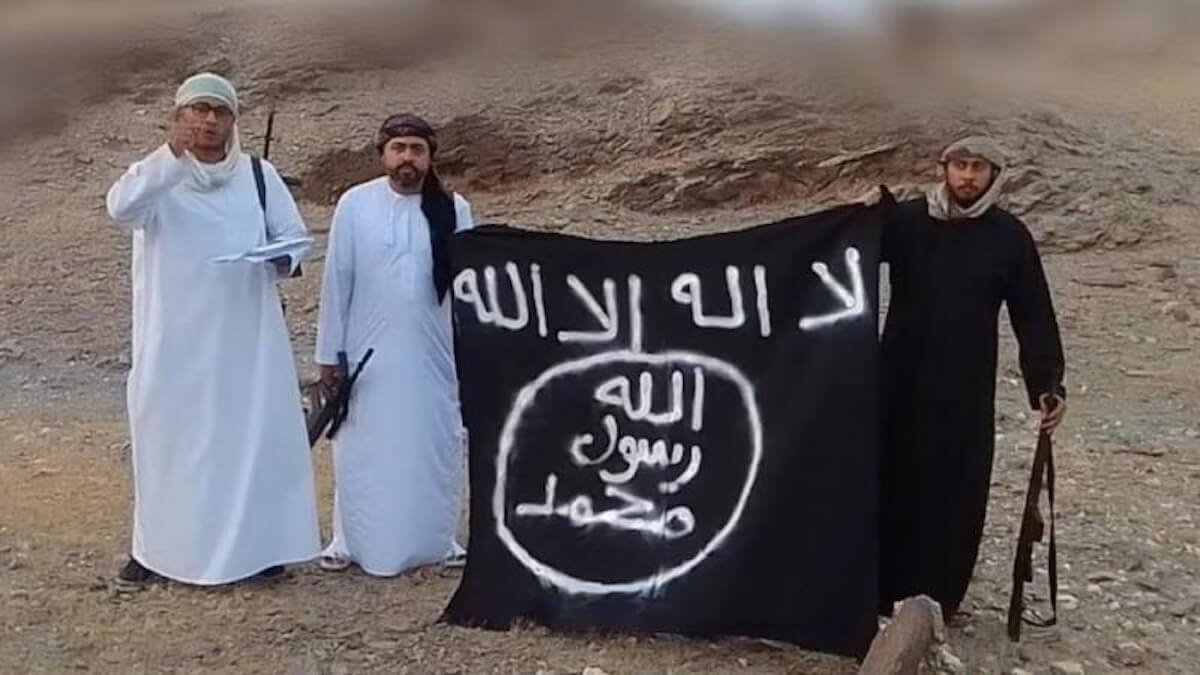
In north-eastern Syria, Daesh violence continues and everything indicates that the terrorist organisation will continue to attack Kurdish militias in the area in order to wear them down, with attacks continuing since the beginning of the year. The main reason why its targets are mainly Kurdish forces is because Daesh is mainly sheltering in areas where the SDF is deployed, such as Deir Ezzor, Hasakah and Raqqa. The attack in As-Suwayda against forces of the new Syrian government does not indicate that there will be an escalation against these forces in the south.
On the other hand, for the time being, whether for strategic or logistical reasons, the terrorist organisation is trying to keep its distance from the Al-Sharaa militias, but the really important moment will come when the Kurdish militias are integrated into the new Syrian Army, according to the March agreements signed by the leader of the SDF, Mazloum Abdi, and the interim president, Ahmed al-Sharaa (20). The details of this agreement are not known, although it is worth asking whether there will be joint patrols by the new Syrian Army in Raqqa, Hasakah or Deir Ezzor, if the Kurdish militias are simply integrated into the new Army without their chain of command, which is a complicated issue.
It should be noted that Daesh will be indifferent to the agreement reached by the former, because they will surely redefine their objectives by attacking this new joint military force, if it ends up being implemented.
But there is a very disturbing element that should not be overlooked, which is that the terrorist organisation has not forgotten two objectives that are very sensitive for them: on the one hand, the prison in Al Sina in Hasaka, with thousands of jihadist inmates, which the organisation already attempted to liberate in the assault at the end of January 2022, largely failing, an assault that took a week to be brought under control by the SDF, which suffered dozens of casualties. On the other hand, there is the Al Hol camp, where thousands of relatives of Daesh terrorists are being held. The question is whether the new Syrian Army will take control of these places, which are very important to the terrorist organisation, so much so that, in February, according to a SDF spokesperson, a plan to attack a prison in Hasakah, which housed hundreds of Daesh members, was foiled (21).
What is clear is that if the terrorist organisation gains greater operational capacity, it will attempt to free its prisoners from Al Sina and other places, and this will undoubtedly be marked by its ability to occupy urban centres and not just villages, as has been the case until now.
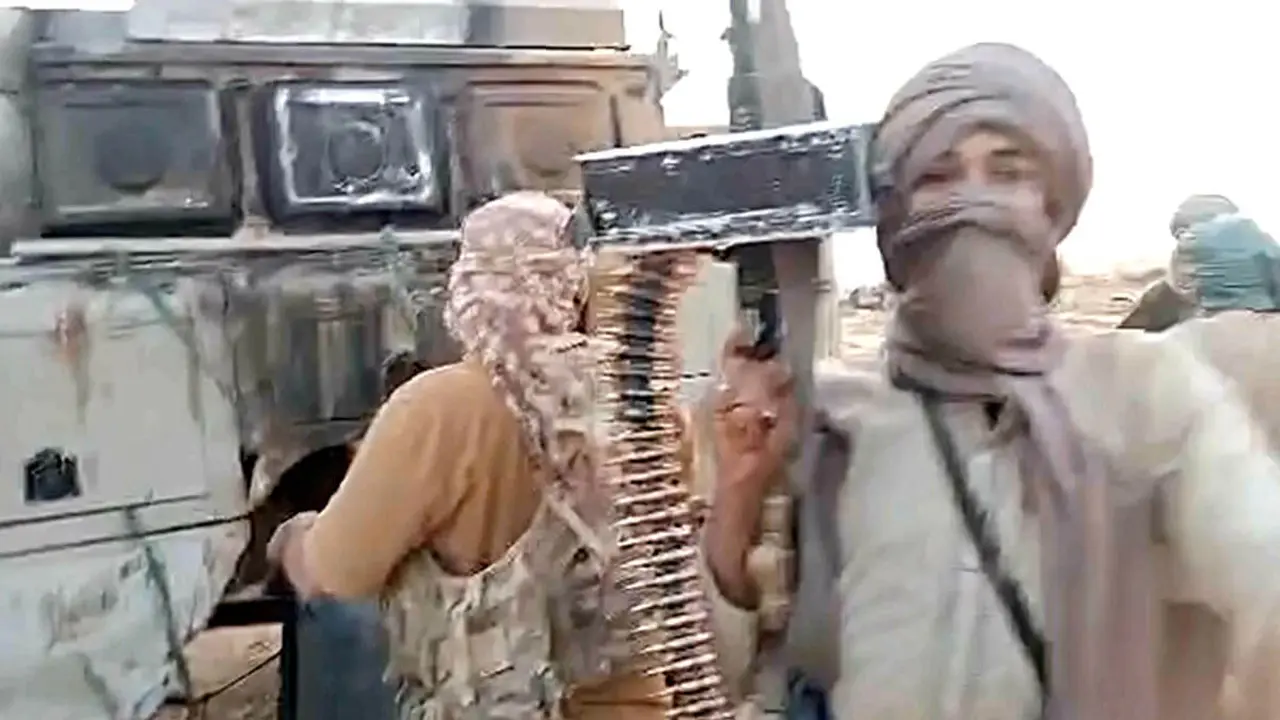
In conclusion, Daesh as an insurgent force will not be able to oust Ahmed al-Sharaa from power, but it will be a persistent threat, especially considering the quantities of weapons and ammunition it seized when they were abandoned (22) by Bashar's defeated army. Added to this is the security gap that still exists in many parts of Syria and the lack of political stability, which leads one to believe that Daesh's activity will increase, and it could even use more lethal weapons than those used so far. Therefore, in view of the war in Ukraine, the possible and not unlikely use of hostile drones must be taken into account, given the enormous damage caused to civilian and military troops and infrastructure. Proof of this was the drone attack with explosives, still of unknown origin, that took place at the Military Academy in Homs on 5 October 2023, during a graduation ceremony for Bashar's army officers, killing 123 civilians and military personnel (23). The terrorist organisation Daesh already used them between 2014 and 2019 in Syria and Iraq, both for surveillance and attacks.
The advancement of this technology in recent years means that Daesh can use it again, given its highly lethal consequences and low risk compared to inghimasi attacks (24), in which there is a very high probability that the attacker will die while attempting to cause the greatest number of casualties to the adversary.
The assault on Al Sina prison aimed to free as many prisoners from the terrorist organisation as possible, but also to kill as many members of the Kurdish militias protecting the prison as possible.

Bibliography
- POZA Alfonso. Califato ISIS: Islamic State Iraq Al-Sham Page 126. 17/09/2020. Publisher: Maquetación libros.com
- HURTADO Lluis Miquel. Digital El Mundo. Blow to ISIS headquarters in Aleppo. 09/01/2014. https://www.elmundo.es/internacional/2014/01/08/52cdb7fa268e3e732e8b457d.html
- AL JAZEERA. Agencies. ISIL confirms the death of its leader Abu Hussein al-Qurashi and names his successor. 03/08/2023
- https://www.aljazeera.com/news/2023/8/3/isil-confirms-death-of-leader-abu-hussein-al-qurashi-names-successor
- Syrian Observatory for Human Rights (SOHR). Deir Ezzor. Landmine planted by IS cells explodes against an SDF military vehicle. 24/10/2025. Original in English.
- https://www.syriahr.com/en/372161/
- ROJ Kardo. Digital North Press Agency. Kurdish SDF forces repel ISIS assault in Deir ez-Zor, eastern Syria. 30/04/2025. Original in English. https://npasyria.com/en/125223/
- ARAB NEWS. AFP Agency. Syrian Kurdish forces claim that five of their members were killed in a Daesh attack. 25/09/2025. Original in English. https://www.arabnews.com/nodo/2616707/medio%20oriente
- ZULOAGA. J.M. Digital La Razón. Islamic State attacks the army of the new Syrian regime. 04/06/2025. https://www.larazon.es/internacional/estado-islamico-ataca-ejercito-nuevo-regimen-sirio_2025060468400ecf3407f96812b7a486.html
- SYRIA ARAB NEWS AGENCY. SANA. Internal Security Forces foil Daesh terrorist attack in Al-Mayadeen. 22/08/2025. https://sana.sy/es/local/2262333/
- MUSTAFA Maher. Digital North Press Agency. Three cities in Deir ez-Zor fall under ISIS control. 22/05/2025. https://npasyria.com/en/98351/
- OSDH. 53 dead in ISIS attack in Homs, Syria. 18/02/2023. Original in English. https://www.syriahr.com/en/289010/
- Syrian Observatory for Human Rights (SOHR). ISIS attacks regime forces in Homs. 05/11/2024. https://www.syriahr.com/en/348468/
- EUPHRATES POST. – ISIS leaders meet in Badia after opposition advance: What are they planning? Original in Arabic. 4 December 2024. https://euphratespost.net/%d8%ae%d8%a7%d8%b5-%d9%82%d8%a7%d8%af%d8%a9-%d8%aa%d9%86%d8%b8%d9%8a%d9%85-%d8%a7%d9% 84%d8%af%d9%88%d9%84%d8%a9-%d9%8a%d8%ac%d8%aa%d9%85%d8%b9%d9%88%d9%86-%d9%81%d9%8a-%d8%a7%d9%84/
- IN SECONDS PANAMA. Source: OSDH. Islamic State kills 54 Syrian soldiers fleeing rebels. 11/12/2024. https://ensegundos.com.pa/2024/12/11/estado-islamico-asesina-a-54-soldados-sirios-que-huian-de-los-rebeldes/
- ABDURRAHMAN Omar. Digital North Press Agency. ISIS gunmen execute a shepherd in the Syrian desert on charges of witchcraft. Original in English. 20/10/2025. https://npasyria.com/en/131189/
- AL MAYADEEN. Daesh accuses Al-Sharaa of betraying Islam by making a deal with Trump. 13/05/2025. https://espanol.almayadeen.net/noticias/politica/2016622/daesh-acusa-a-al-sharaa-de-traicionar-el-islam-por-pactar-co
- KHOJA Abdusalam. Digital North Press Agency. ISIS attack kills civilian in Deir Ezzor. 18/06/2025. Original in English https://npasyria.com/en/126587/
- SHEKAKI Jwan. Digital North Press Agency. ISIS attacks oil workers in Deir ez-Zor for refusing to pay Zakat. 06/09/2025 Original in English. https://npasyria.com/en/129358/
- ATOUN Jan. Digital North Press Agency. A woman and her companion killed in an ISIS attack in Deir Ezzor. Original in English. 27/09/2025. https://npasyria.com/en/130289/
- Syrian Observatory for Human Rights (SOHR). ISIS cells attack two SDF positions in rural Deir Ezzor. Original in English. 15/10/2025. https://www.syriahr.com/en/371566/
- PIA. International Alternative Journalism. Syria and the SDF reach initial agreement on institutional integration. 13/10/2025. https://noticiaspia.com/siria-y-las-fds-realizan-acuerdo-inicial-para-integracion-institucional/
- YASSIN Samer. Digital North Press Agency. Syrian Democratic Forces (SDF) foil ISIS plan to attack prison in north-eastern Syria, spokesperson says. 15/02/2025. Original in English. https://npasyria.com/en/122125/
- TASNIM NEWS AGENCY. Iraq warns of Daesh resurgence as Syrian weapons fall into militant hands. 20/12/2024. Original in English. https://www-tasnimnews-com. translate.goog/en/news/2024/12/20/3222665/iraq-warns-of-daesh-resurgence-as-syrian-weapons-fall-into-militant-hands?_x_tr_sl=en&_x_tr_tl=es&_x_tr_hl=es&_x_tr_pto=sc
- AGENZIA NOVA NEWS. Source: OSDH. Syria: the provisional toll from the terrorist attack in Homs stands at 123 dead and more than 150 wounded. 06/10/2025. https://www.agenzianova.com/en/news/Syria-The-provisional-toll-from-the-terrorist-attack-in-Homs-rises-to-123-dead-and-over-150-injured/
- AZVISIÓN. Islamic State uses ‘most terrible weapon’ in Syria. 24/04/2017. https://es.azvision.az/news/14963/news.html