China and the importance of geography

- Introduction
- A giant blocked by its geography
- The boundaries of the South and East China Seas
- The Malacca Dilemma
- Conclusions
Introduction
Despite a certain easing of tensions between the United States and China, there is still constant talk among analysts, politicians and military personnel about the serious military threat posed by China.
However, after the prediction of Davidson's Window, (1) the threat of Chinese aggression does not appear to be imminent, and the reality is that peace prevails. There are several reasons for this: nuclear deterrence, the greater military spending of the United States and its allies, its hegemony in the air and at sea, and China's lack of serious political will to initiate aggression. In addition, there is an important consideration that is rarely highlighted and that reduces China's ability to project power forcefully: geography. (2)
A giant blocked by its geography
Despite its technological and economic power, its active foreign policy, and its growing importance in the world, especially in the so-called Global South, China will not find it easy to circumvent its geography. Its efforts to reconfigure the maritime order are met with resistance not only from the United States and its allies, but also from natural strategic points, other regional states, and the physical realities of the Indo-Pacific region. (3)
In an era marked by artificial intelligence, long-range missiles, autonomous vehicles and anti-ship missiles in the naval sphere, geography might seem like an obsolete limitation.
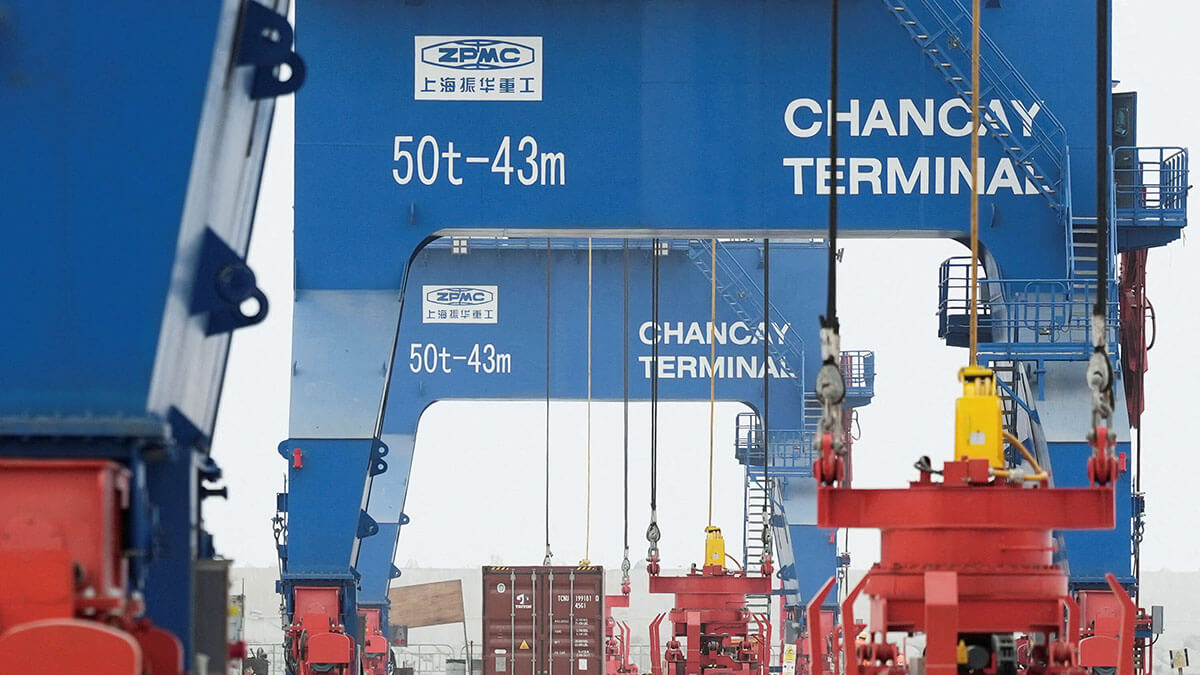
But the reality is different for those states whose geography poses a problem for becoming a maritime power. China and Russia are perhaps the most paradigmatic cases. China, like Germany and the former Austria-Hungary, lacks sufficient coastline and unobstructed vanguards to expand its power. Although Germany managed to build a large navy, Great Britain became an impregnable fortress on its maritime communication routes and easily intercepted its warships and trade. Even when Germany had ports in France and improved its capacity for submarine warfare in the Atlantic, its trade outside the Baltic remained disrupted.
The Union of Soviet Socialist Republics (USSR) was also geographically constrained by the United States and its numerous allies during the Cold War. Its fleet, divided among four geographically isolated bases, none of which had free access to the ocean without passing close to American allies and bases, prevented it from becoming a maritime power. Even against a much smaller power, Japan, during the war of 1904-1905, Russia was unable to concentrate its much larger fleet, and its bases in the Pacific were easily blocked by Japanese naval forces.
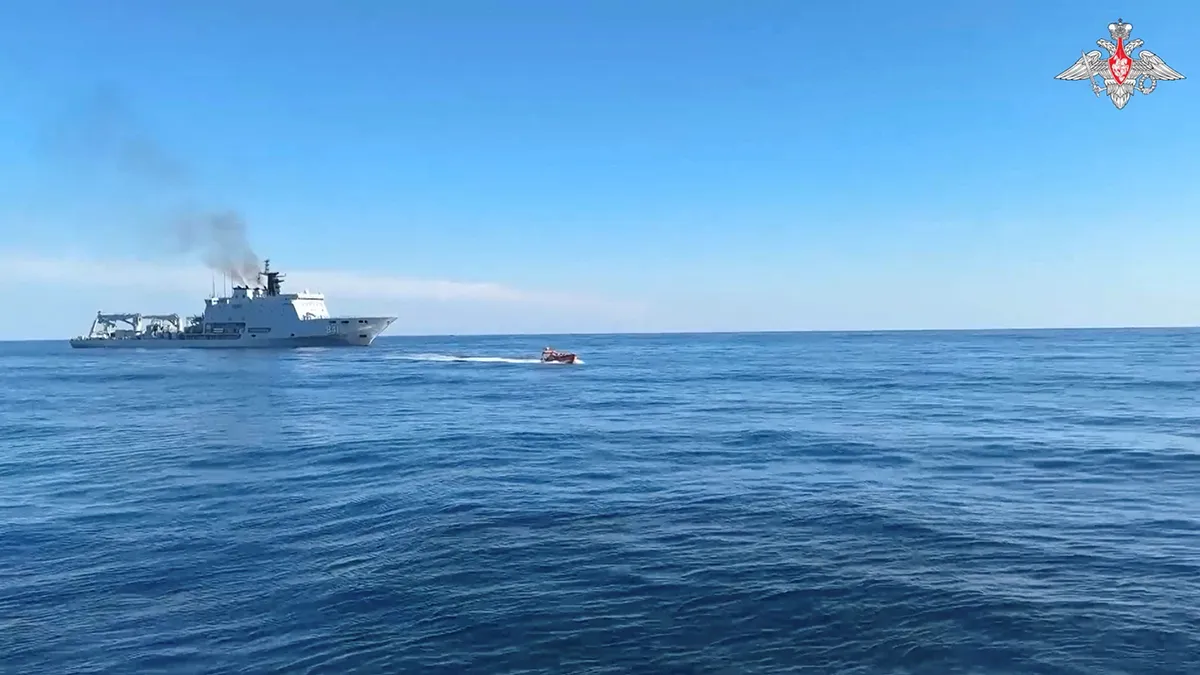
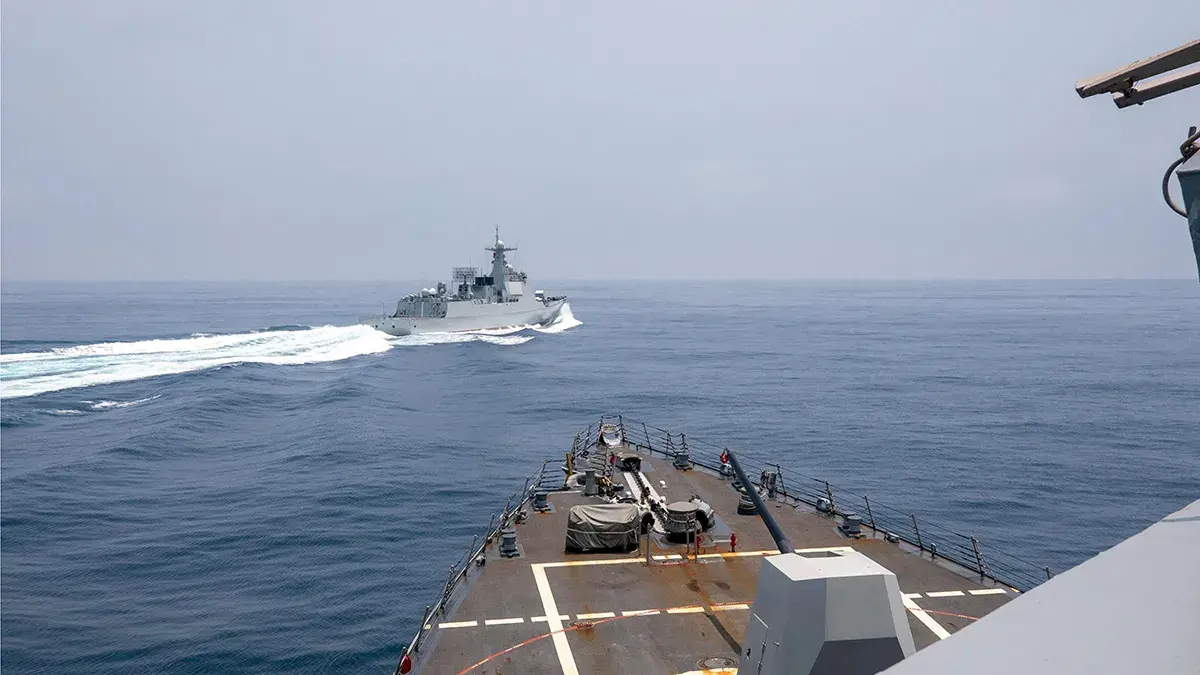
It is said that China is building a ‘deep-water navy’ capable of sailing the world's oceans as a great power. And this is true, but only in times of peace. The day a conflict breaks out, China's foreign trade will come to a standstill. Its ports will be immediately blocked, but not those of its adversaries. Any warship outside its territorial waters will be located and sunk. This geographical factor is unrelated to the fact that the Chinese Navy is larger than the US Navy.
Moreover, geography is even more limiting today than it was a century ago: During 1943, Japan, with irreparable losses of aircraft carriers and veteran pilots, coupled with the United States' boom in the construction of numerous classes of new aircraft carriers, lost the ability to defend its own internal sea lanes, island bases and surface fleet, and its defeat became inevitable. Today, new forms of air-land power are added to that air superiority: drones and anti-ship missiles, which provide the ability to intercept maritime trade and naval operations.
Houthi attacks on shipping through the Red Sea have been used to exaggerate the potential Chinese threat to shipping in the event of a war in East Asia. But geography is being ignored. Houthi forces control a very narrow part of the shortest route between Europe and Asia. Shipping can be diverted around Africa, but the route is much longer and therefore more expensive. China has anti-ship missiles and drones in abundance, but most can only reach its own coastal waters, which are crucial for its own shipping and that of Taiwan, but not for other countries. Ships from Japan or South Korea currently transiting the East China Sea could easily divert east of the Philippines, beyond the reach of China-based air power. China's geographical situation does not offer the advantage of the Houthis' position.
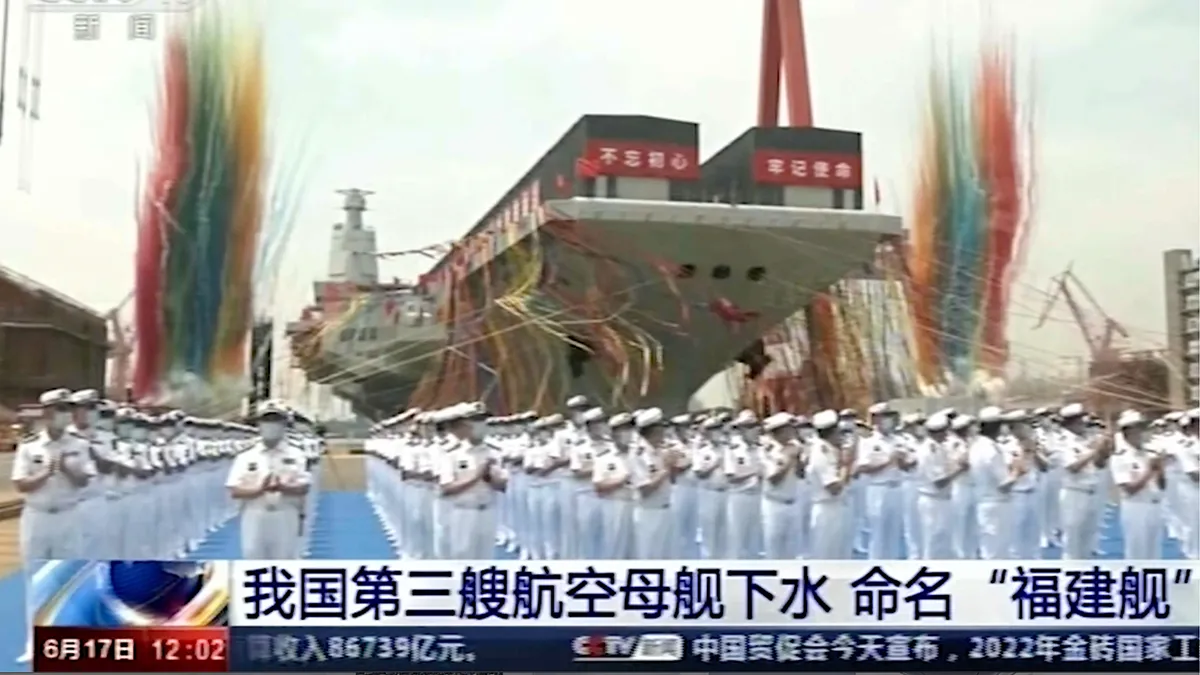
Even Chinese submarines would be vulnerable to air power outside the protection of their land-based fighters, whose range is limited to about 500 kilometres from their bases. China's few aircraft carriers, with limited fighter forces on board, would have difficulty defending themselves against air-to-surface attacks, let alone those from the much more capable and numerous US aircraft carriers.
Chinese warships, not to mention troop transports for any maritime invasion, such as that of Taiwan, are vulnerable even within their own coastal waters. This new generation of naval weapons—drones, autonomous vehicles, submarines, and surface vessels—are relatively inexpensive, accurate, easy to conceal, and difficult to intercept, even for a power that controls the air, which has difficulty detecting and neutralising anti-ship missiles and drones before they are launched. Taiwan has a much larger arsenal of anti-ship missiles than Ukraine, which has nevertheless sunk a third of the Russian fleet in the Black Sea. (4)

The boundaries of the South and East China Seas
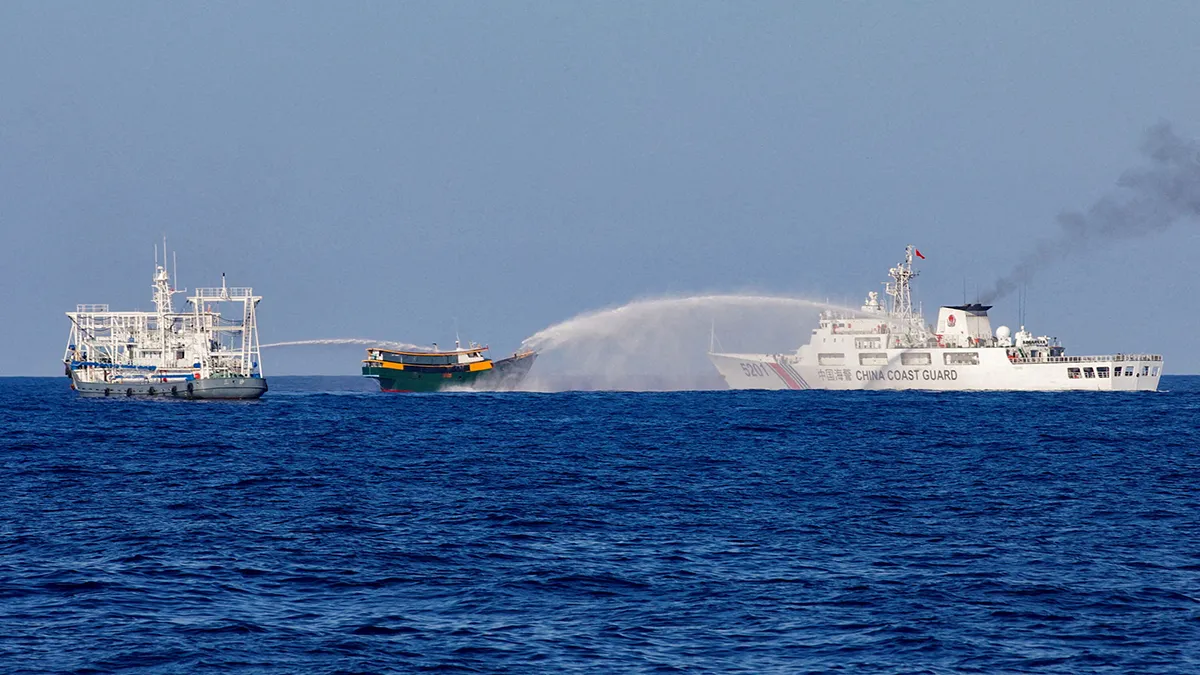
China's maritime flank is surrounded by a chain of islands that Chinese policymakers refer to as the ‘first island chain,’ many of which are occupied or supported by US allies such as Japan, Taiwan, and the Philippines. These unsinkable aircraft carriers, to paraphrase General MacArthur's reference to Taiwan, stand like fixed sentinels along China's maritime exit routes. Even with the advanced anti-access/area denial (A2/AD) capabilities that the Chinese Navy operates in the region, geography inherently limits manoeuvres on the high seas. The South China Sea, long considered Beijing's natural sphere of influence, is shallow, overpopulated, and politically complex. (5)
The Malacca Dilemma
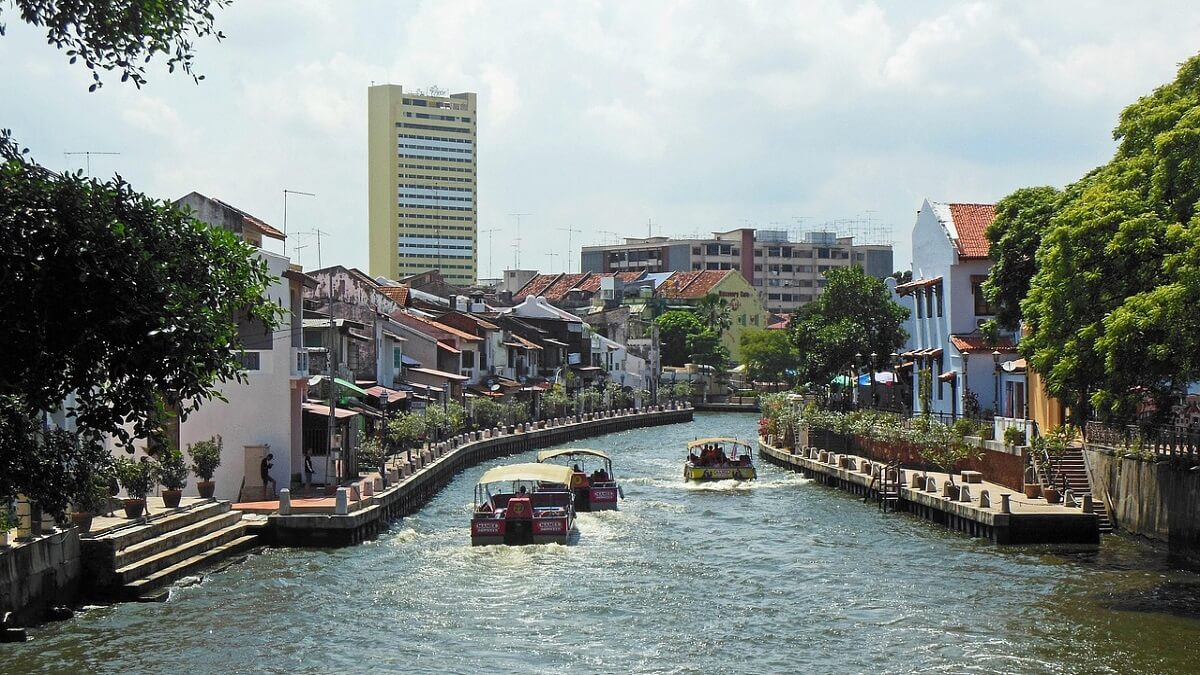
Then there is the ‘Malacca Dilemma,’ a term President Hu Jintao used to describe China's energy vulnerability. More than 80% of China's imported oil passes through the Strait of Malacca, a corridor that could easily be blocked in the event of a crisis. While China has invested in land pipelines and the China-Pakistan Economic Corridor, these alternatives are far from sufficient. Maritime transport remains the most economical. That is why, even today, a significant portion of China's energy imports, as well as its industrial exports to Africa, Europe and the Middle East, continue to pass through this strait, which is only 2.8 km wide at its narrowest point. (6) In the Indian Ocean, China's “string of pearls” (a series of ports and alliances) is often cited as a symbol of Beijing's growing influence. However, most of these ports (in Myanmar, Sri Lanka and Pakistan) have their own problems, as they are vulnerable, subject to political disputes or underdeveloped. (7)
Conclusions
In today's strategic discourse, we often find ourselves chasing new doctrines, acronyms (A2AD) and buzzwords. But perhaps it is time to get back to basics. Geography does not shout, but it never stops talking. In China's case, it continues to point to the limitations of its most ambitious maritime visions. In an era of shifting alliances and expanding capabilities, the map remains the most immovable element. And so geography could define the future of China's maritime ambitions more than any missile, aircraft carrier or other technological advance.
Notes
1. In March 2021, Admiral Phil Davidson, who headed the US Indo-Pacific Command, testified before the Senate Armed Services Committee at the end of his term, warning that China could attempt to take control of Taiwan by the end of the decade. In fact, within the next six years. That means between 2021 and 2027. Davidson: China Could Try to Take Control of Taiwan In Next Six Years, Mallory Shelbourne, USNI News, 09-03-2021
2. Geography Limits China's Possibilities as a Sea Power, James H. Nolt, China-US Focus, 29-01-2024
3. Kaplan’s Revenge: Why Geography Still Constrains China at Sea, Sahil Yar Muhammad, Geopolitical Monitor, 1 August 2025
4. Geography Limits China's Possibilities as a Sea Power, James H. Nolt, China-US Focus, 29-01-2024
5. Kaplan’s Revenge: Why Geography Still Constrains China at Sea, Sahil Yar Muhammad, Geopolitical Monitor, 1 August 2025
6. The Malacca Dilemma: China's Achilles' Heel, Raphaël PP Dosson, Modern Diplomacy, 8 July 2025
7. Beyond the String of Pearls: Is there really a Security Dilemma in the Indian Ocean? Brewster, David, Journal of the Indian Ocean Region, 17 June 2014.
Juan Ángel López Díaz (G)
Colonel, Marine Corps (Retired)
Member of Aeme, Naval Thought Forum and Eurodefensa España