
Everything to the right in Chile

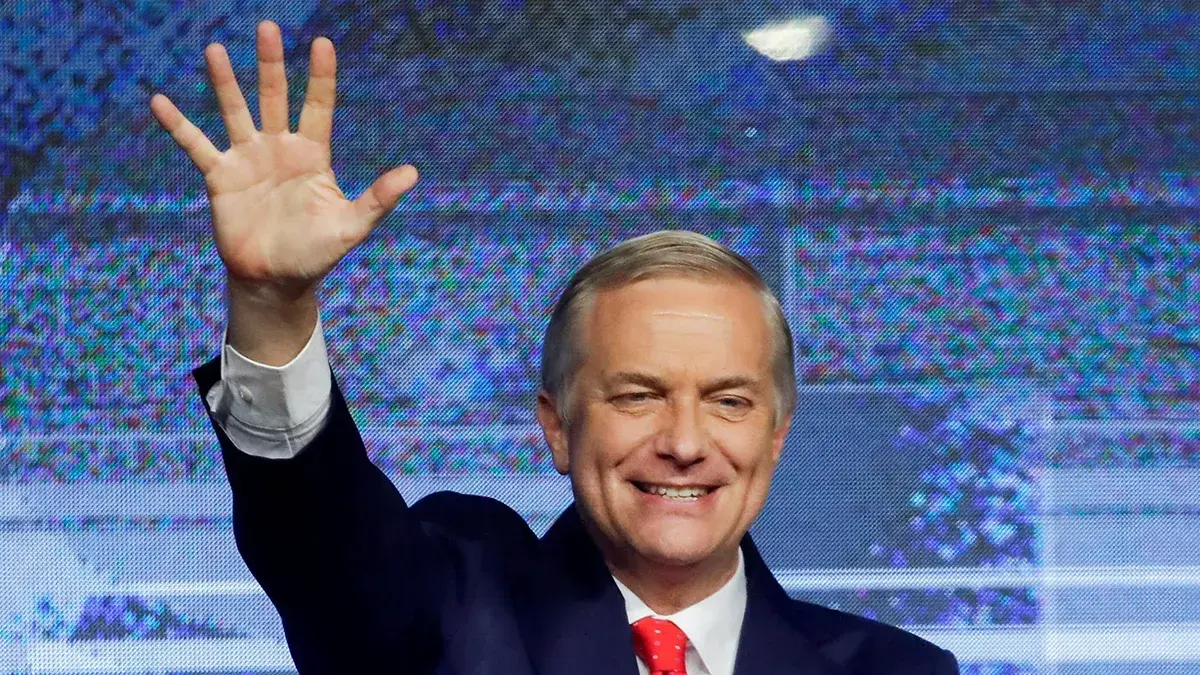
At the same time, it accentuates the shift to the right in Latin America.
Kast, the son of a German soldier exiled to Chile, has thus managed to win the country's presidency after several attempts. He did so with the second-largest margin over his rival, 19 percentage points, since the restoration of democracy. The most resounding victory was achieved by the socialist Michelle Bachelet in 2013, with a 24-point difference over the conservative Evelyn Matthei.
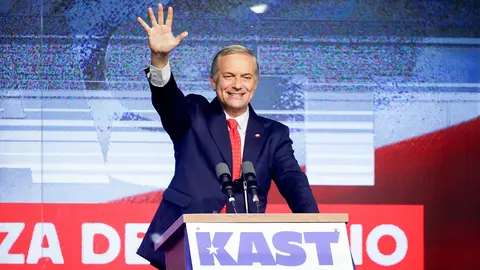
On this occasion, Kast has won in all sixteen regions of the country with unusual forcefulness, especially in the main strongholds of the left, Valparaíso and the Santiago Metropolitan Region, as well as the mining enclaves in the north and the agricultural regions in the south. Almost two million votes, which Kast promises to dilute in order to be ‘the president of all Chileans’.
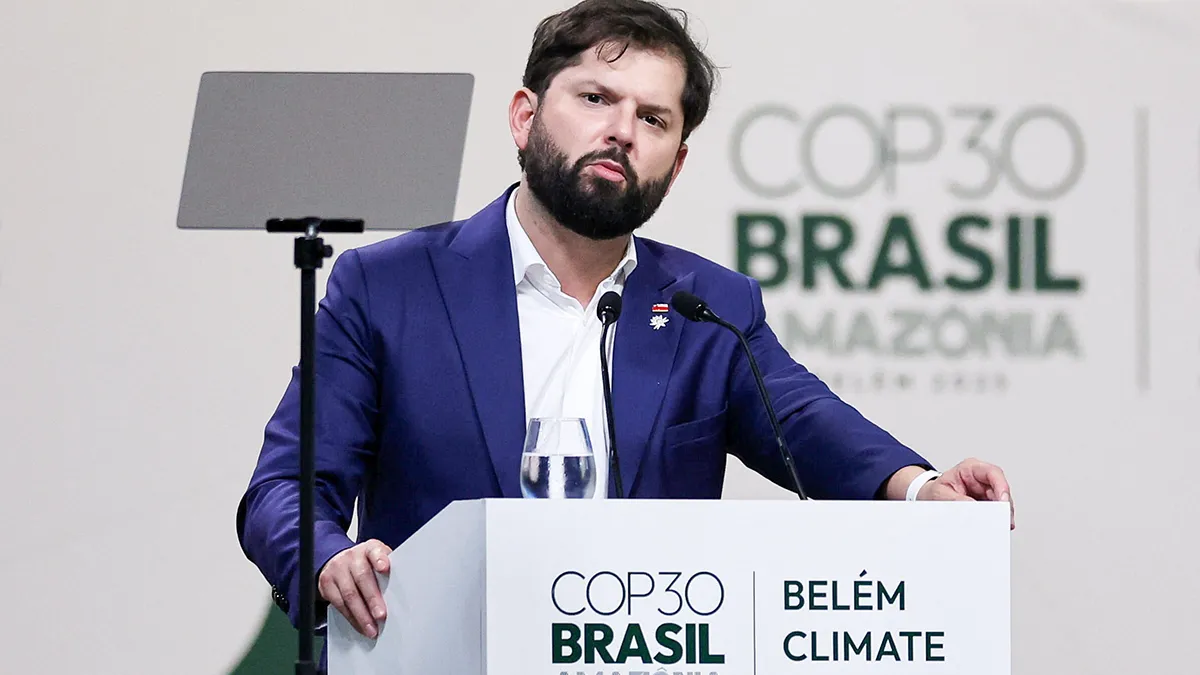
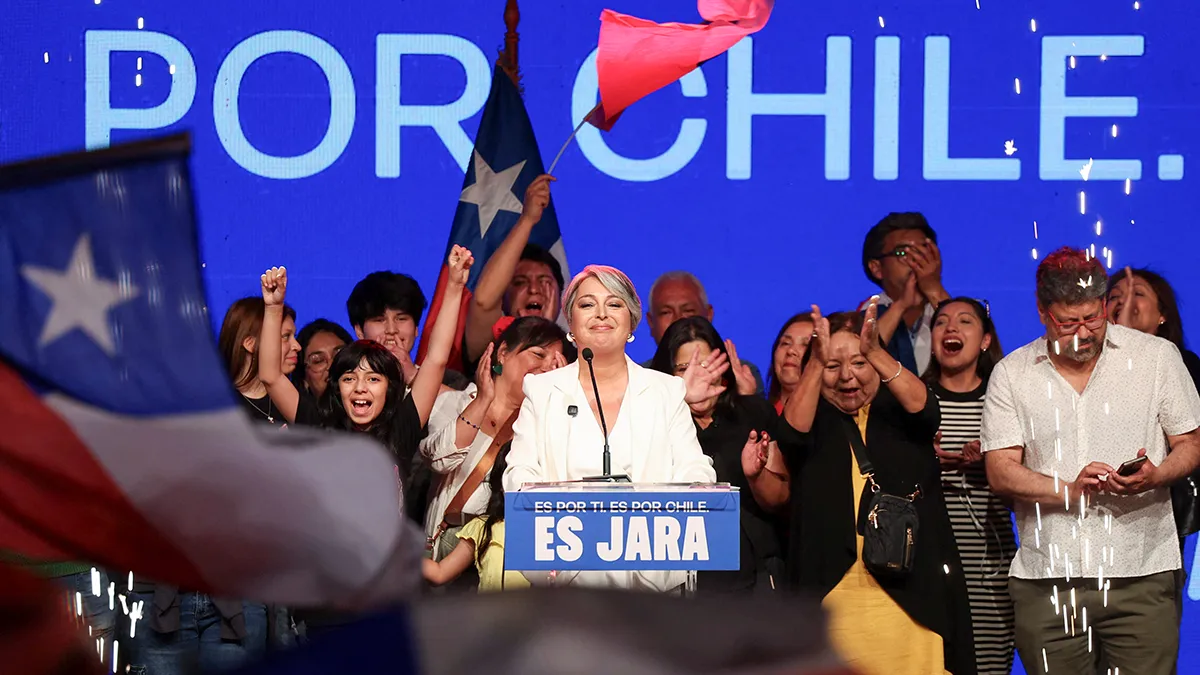
Chile, long considered the most stable and democratic country in Latin America until Pinochet's coup d'état, has returned to its old ways, as demonstrated by the message from the defeated candidate to the winner of these elections: "Democracy has spoken loud and clear. I have just spoken to the president-elect to wish him success for the good of Chile," said Jara. Likewise, on Monday, the outgoing president, Gabriel Boric, invited his successor, who will take office in March, to breakfast at the Palacio de la Moneda to bring him up to date on all matters related to the administration of the country.
José Antonio Kast's overwhelming and indisputable victory in Chile confirms the decline of the left across the continent, where the old banners of redistribution, indigenism and radical feminism have given way to those promising to tackle rampant insecurity, control overwhelming emigration and join the path of economic growth.
Chile, then, completes a map that is gradually turning blue, and which already includes Javier Milei's Argentina, Santiago Peña's Paraguay, Daniel Noboa's Ecuador, Bernardo Arévalo's Guatemala, José Raúl Mulino's Panama, and Luis Rodolfo Abinader's Dominican Republic, all of whom are sympathisers, if not open supporters, of El Salvador's Nayib Bukele. Following their respective electoral victories, Rodrigo Paz's Bolivia and Nasry Asfura's Honduras will be added to this map.
The left renewed its mandate in Mexico with Claudia Sheinbaum and in Uruguay with Yamandú Orsi. Brazil, with Lula da Silva, and Colombia, with Gustavo Petro, will soon face the polls, and the polls are currently quite elusive for them.
This map does not include the three supposedly revolutionary and leftist dictatorships of Venezuela, Nicaragua and Cuba, where, with or without elections, the tyrannies do not tolerate the slightest dissent. Having lost their former lustre, Castroism, Sandinism and Chavism have sought to renew themselves under the umbrella of Bolivarian Socialism of the 21st Century. However, so many decades of these revolutionary experiences have brought nothing but a total lack of freedoms, widespread misery and an exodus of people fleeing these paradises enjoyed exclusively by the respective dictators and their court of national lackeys or those from other latitudes. All of them are part of the so-called Grupo de Puebla, an organisation already in decline, which Castro and Chavez devised to perpetuate themselves in power when communism also collapsed in America and the term ‘progressive’ was coined to dress up the new narrative. This label was also adopted in Pedro Sánchez's Spain, which, in such company, had conceived the idea of becoming the global guide and leader of the opposition to Donald Trump.
Of course, accusations against Trump and the United States of ‘interference’ and ‘meddling’ in countries south of the Rio Grande are rife these days. Without denying the reality that the current US president aspires to completely regain that sphere of influence throughout Latin America, it would be worth examining the no less significant interference and meddling in the continent by Russia and China, either individually or through the leaders of countries they have turned into satellites through solid dependencies. And the no less dangerous penetration, also on that continent, of radical Islamism with its corresponding terrorist ramifications.