
From peace through territories to peace through force

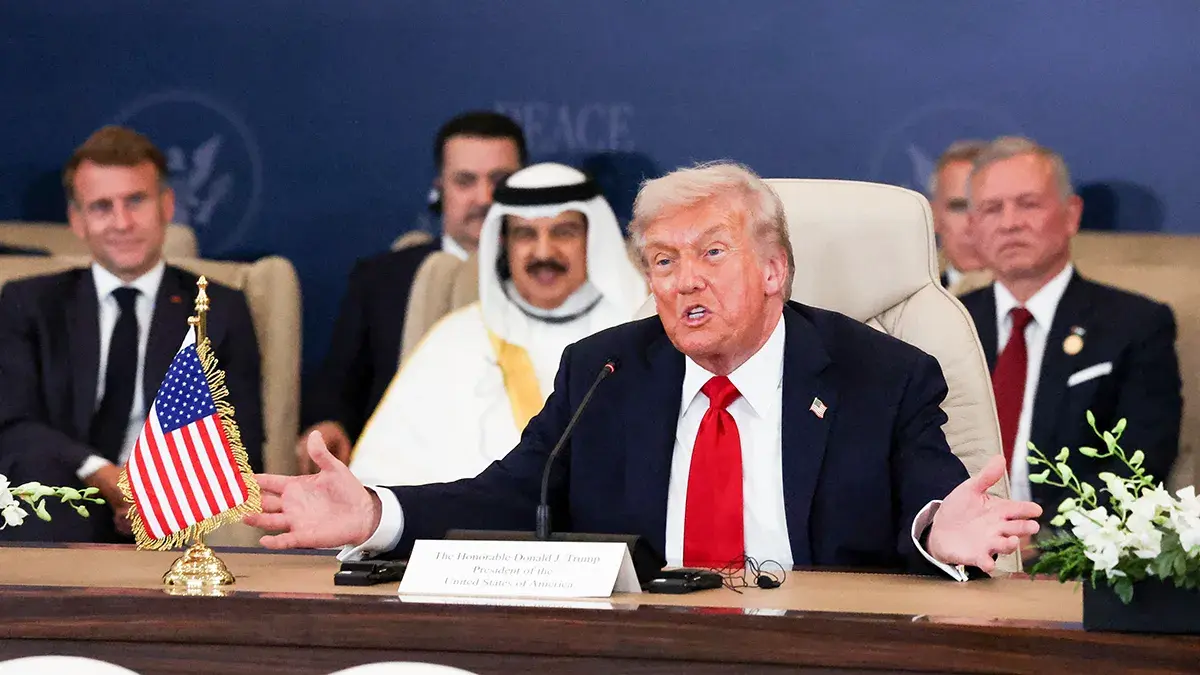
However, that solution, already rejected in 1948 when the State of Israel was born, would not be consolidated as the main clause of the Oslo Accords either. In essence, that principle provided for Israel's withdrawal from the territories occupied in the Six-Day War of 1967 in exchange for the renunciation of all Arab claims, especially the one denying Israel the right to live on its land. The non-acceptance of this legitimate right to existence, established by the United Nations General Assembly, is the root cause of the wars that for eight decades have prevented peaceful coexistence, or even mere non-hostile coexistence, between Israelis and Palestinians.
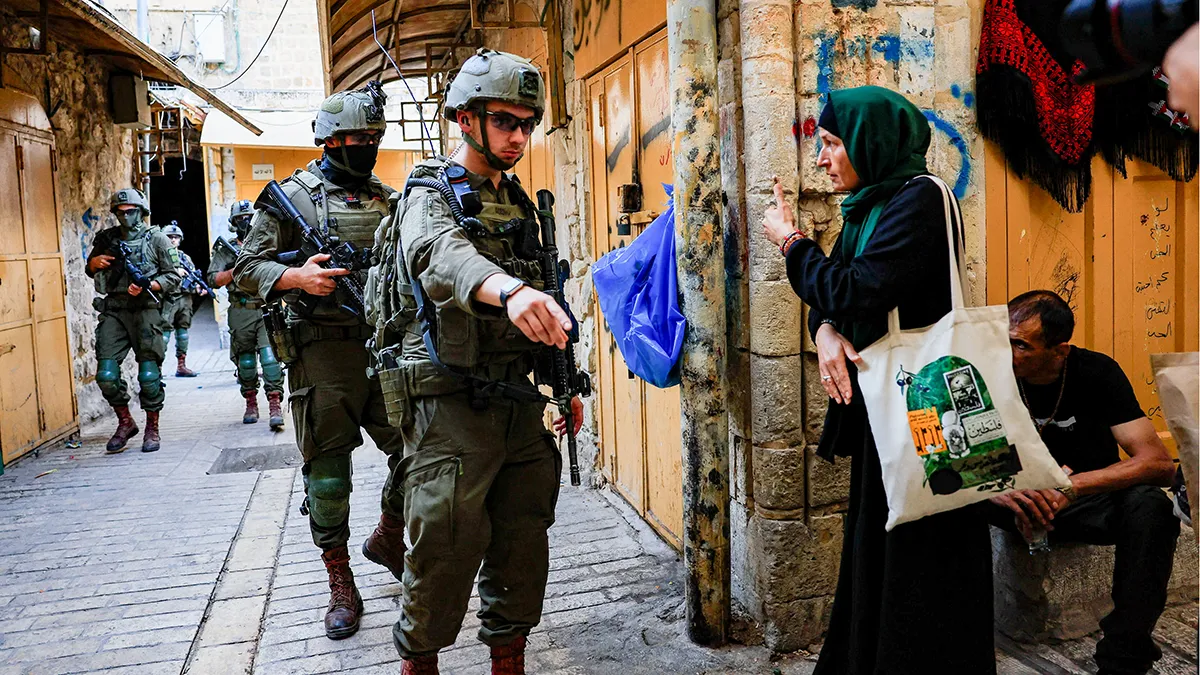
As has been evident since 7 October 2023, the latest war had the most brutal trigger experienced by the Jewish people since World War II. Hamas terrorist commandos, in a perfectly designed, planned and executed terrorist operation, invaded Israeli territory from Gaza at seven different points. They killed more than 1,200 citizens, wounded more than 2,000 and captured 251 hostages. As their Iranian mentors had predicted, Israel's response was brutal, reducing the Gaza Strip to rubble in the longest and bloodiest of the five wars it has fought in its less than 80 years of existence: 2,000 casualties on its own side and almost 70,000 Gazans, according to figures from Israel and Hamas, respectively, over these two years of intense suffering.
Obsessed with its security, aware that if it loses a single war it will be the last because the country would disappear, Israel went all out this time. First, it went after the organisations controlled by the Iranian theocratic regime, knocking Hezbollah out of action in Lebanon and Syria, containing the Houthis in Yemen and subjecting both Hamas and Islamic Jihad in Gaza and the West Bank to relentless harassment.
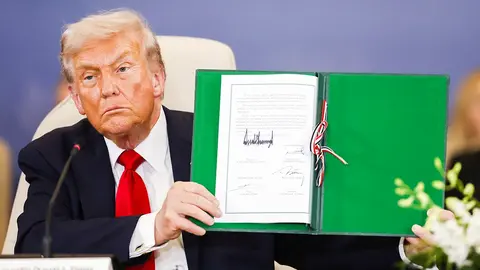
At the same time, US President Donald Trump bombed Iran's underground nuclear facilities, demonstrating to the ayatollahs themselves, and incidentally to Putin's Russians and Xi Jinping's Chinese, that he has weapons powerful enough to cause them more damage than they can imagine.
But while Trump's support for Israel is indisputable, the businessman-president, who, contrary to what Spanish and European progressive intellectuals say about him, is no fool, has not allowed himself to be swept up in Benjamin Netanyahu's belligerence. The Israeli prime minister, convinced by himself and/or encouraged by the most extremist wing of his government, was willing to exterminate Hamas, even if it cost mountains of lives.
Convinced that the military solution had already been exhausted, the last straw for Trump was the Israeli attack on the Hamas leadership meeting in Doha, the capital of Qatar. He then stood firm against Netanyahu himself, urged Hamas not to condemn its own Palestinian compatriots to extermination, obtained the endorsement of the Arab League and, in just two weeks, got all parties to agree to his 20-point plan, the first phase of which will conclude as soon as Hamas returns to Israel the bodies of the hostages still in its possession.
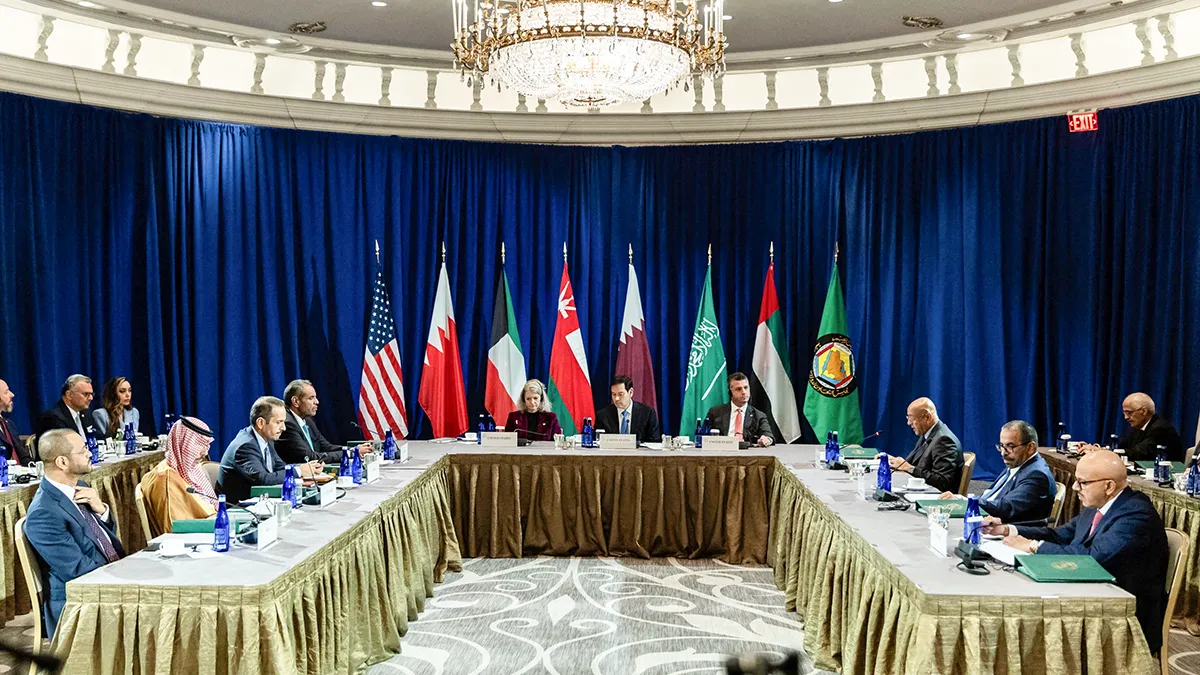
While Europe was striving to be invited to the post-war negotiating table, and the Spanish government was backing holiday flotillas escorted by its navy, Trump was setting himself up as the ‘peacemaker’, even though we are still only in a fragile truce that could be blown apart at the slightest spark. The latter will not happen, at least for the time being. The charm offensive and sympathy with which the White House communications apparatus has surrounded the entire ceremony marking the end of hostilities is so intense that only someone very desperate would dare to take the blame for a hypothetical breakdown.
It is true that there are many loose ends to be tied up, but for the moment, the combatants and suffering citizens would surely prefer to trust in the promises of prosperity that Trump has showered on them during his lightning visit to Israel and Egypt, and to whose fulfilment he has associated the great economic powers of the Arab world, while calling on other leaders from Europe, Asia and America as witnesses.
And, with his characteristic brutality, Trump has made it clear that ‘he is now going to take care of Ukraine’, a self-imposed task that is tantamount to warning President Putin to stop bullying him because, although he aspires to the 2026 Nobel Peace Prize, he will not hesitate to wield the mace of war. This is, of course, unusually new language for liquid societies illuminated by so-called ‘wokism’, which is in rapid retreat, although there are still countries such as Spain that resist it, causing a potentially insurmountable lag in joining the change that is already defining the leaders of the future, but also mere followers and those who lack the capacity to be anything other than the red lantern in this new race.