
Between progress and regression

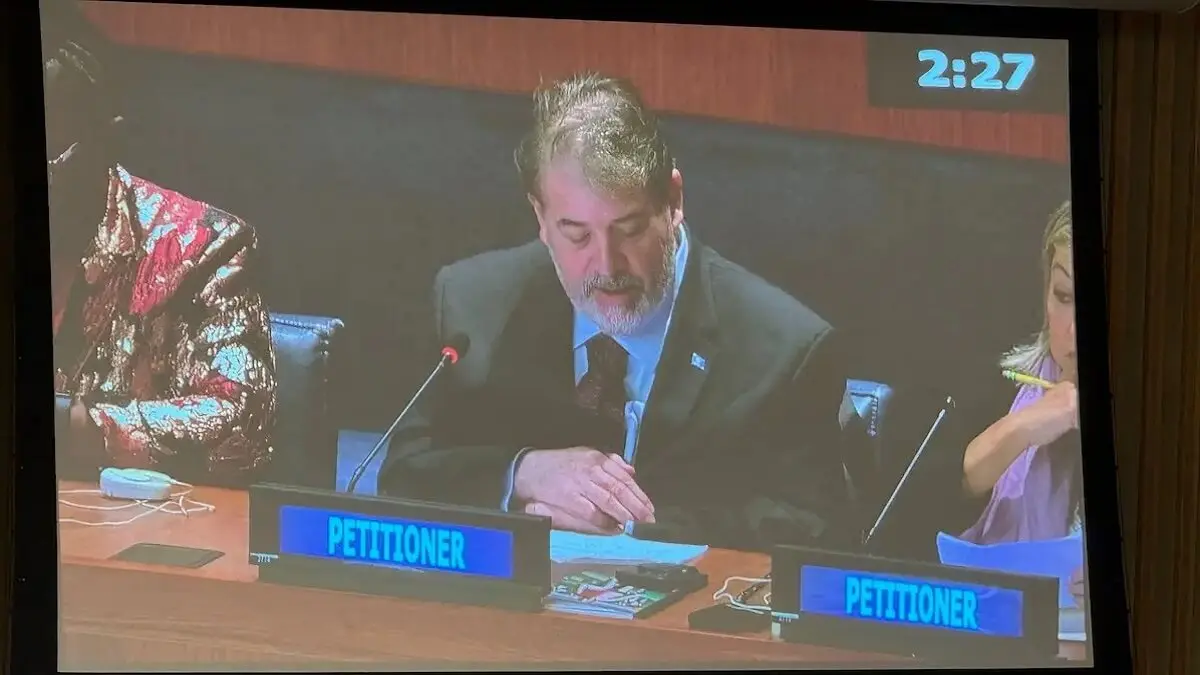
In April, I participated in a diplomatic event held in a beautiful city steeped in the history of colonialism, of dunes that were once waves, of grand avenues filled with optimism, and of a diverse and thriving tourism industry.
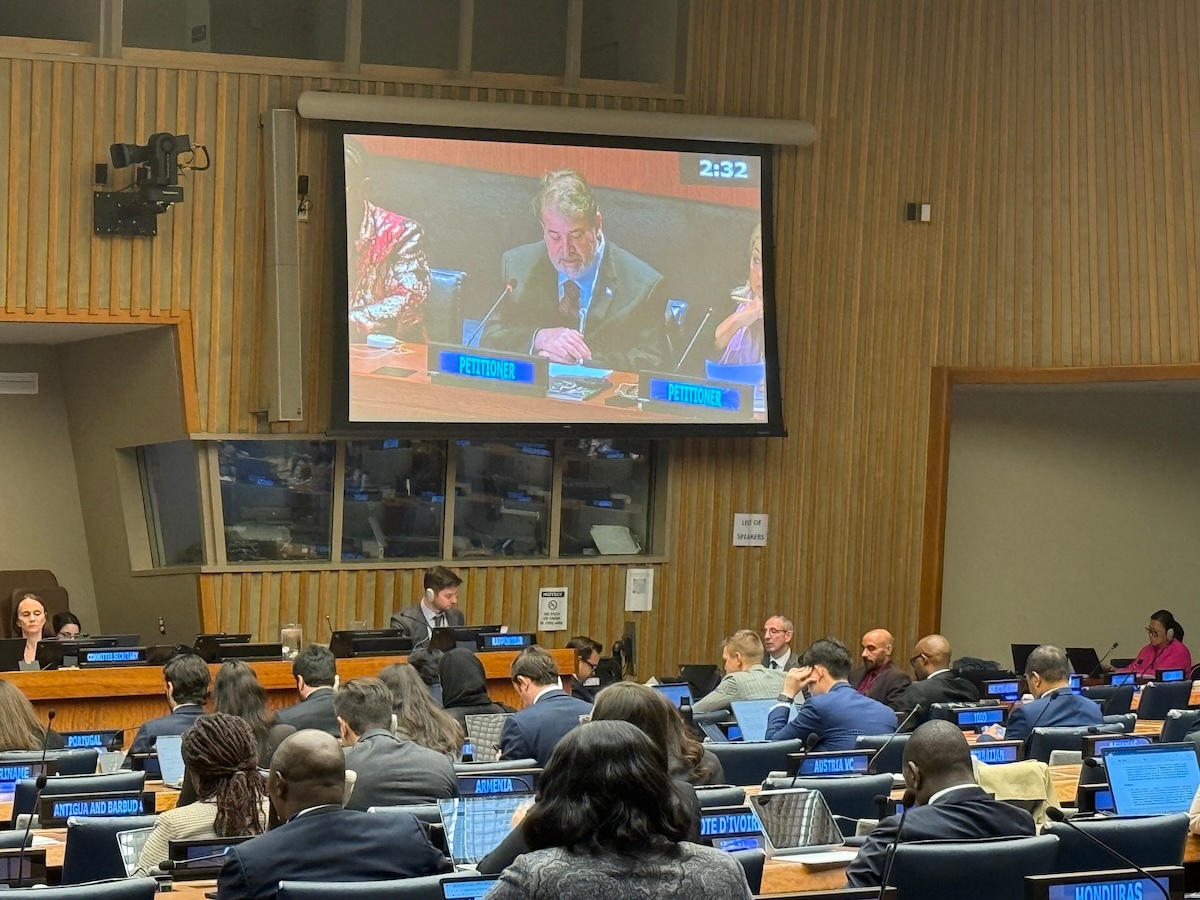
That city is called Dakhla, and it has become the epitome of the unusual momentum that the Kingdom of Morocco and His Majesty Mohammed VI have given to the area.

Time has always been a complicated measure. A subjective spectrum that revels in ambiguity. The poet Mario Benedetti rightly said that it was so relative that five minutes were enough to dream a whole lifetime.

And now it has been 50 years. Half a century since, through the 1975 Madrid Agreement, Morocco began to transform an unexplored desert area into a hub of development and hope.
Fifty years of socioeconomic progress have made the Moroccan Sahara an essential gateway for investment.
Fifty years that unfortunately also coincide with the anniversary of a status quo imposed by a nation that blocks the definitive solution to this regional dispute.
Fifty years of contrasts. On the one hand, the Moroccan Sahara is a true center of modernity and has become synonymous with international cooperation, sustainable development, and long-term vision.
On the other, a Polisario Front that offers nothing more than an ideological stronghold of stagnant dogmas with scenarios that could be ideal for Wim Wenders' desolate film sets or Mad Max's dystopia.
Fifty years that have led to two paths. That of regional and inclusive unity that transforms the economic, social, and infrastructure fabric of the region, with initiatives such as Atlantic ports and gas pipelines that will bring immense benefits to the countries of the Sahel.

That is, the path of altruism and progress represented by Morocco and that of regression and stubbornness of those who, far from betting on the construction of a united Maghreb, are betting on division, destabilization, threat, and isolation.
Ramiro Chávez Gochicoa. President of the Carlos Greene Ramírez Cultural Foundation