
Green hydrogen: Morocco's bid to export the future

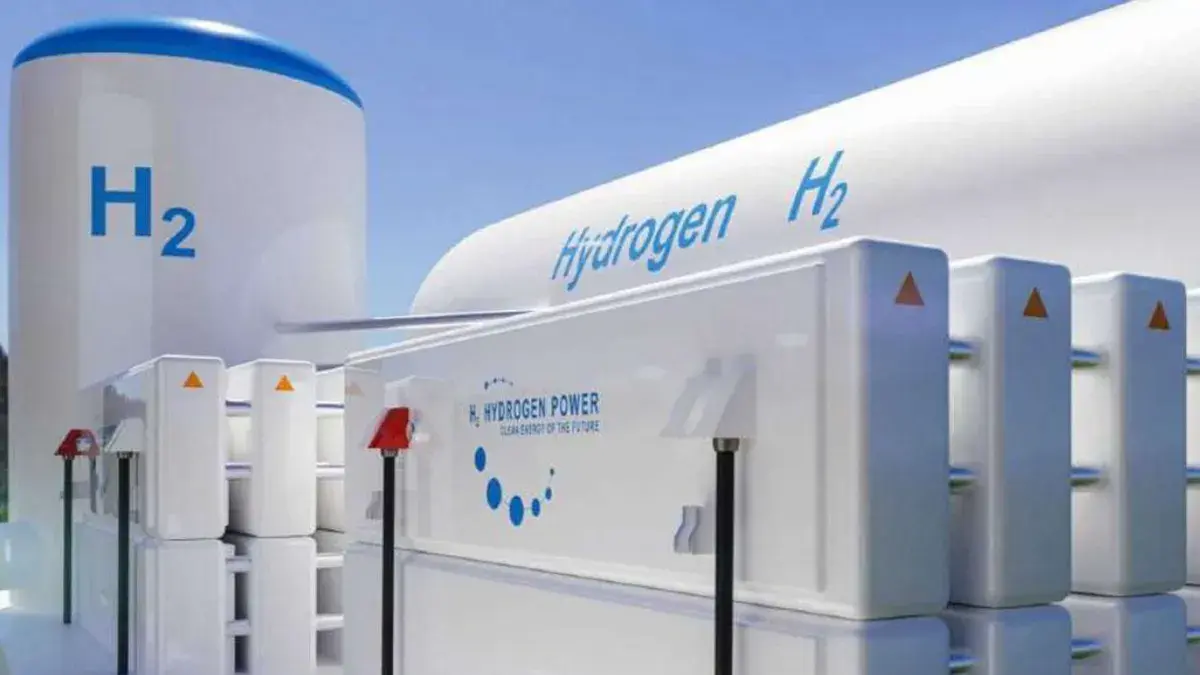
The meeting held on 17 September in Rabat by the steering committee of the national strategy for green hydrogen was not an administrative formality. Rather, it reflected a greater ambition: to make Morocco one of the key players in the new energy geopolitics.
The figures speak for themselves: six megaprojects, 319 billion dirhams of investment and a strong role for the southern regions. But the essential point is not only the amounts announced, but the horizon they paint: a Morocco that is no longer a consumer dependent on fossil fuels, but an exporter of clean energy and, even more, of the future.
The involvement of European consortia, particularly French and Danish ones, in the ‘Chbika 1’ project confirms that the Kingdom is not alone in this journey. Its proximity to Europe, its privileged access to trade routes and its political stability make Morocco a natural partner at a time when the Old Continent is desperately seeking sustainable and secure alternatives to its energy imports.
But green hydrogen is not just a question of kilowatts. It is also a lever for territorial and social development. The fact that the first projects are concentrated in the south is a clear sign: where the state invests in infrastructure and energy, new opportunities for employment, innovation and national cohesion arise. Green hydrogen can, in this sense, be the cement of a new social contract that combines economic modernity and territorial integration.
The challenge, however, is immense. Global competition is fierce — Saudi Arabia, Australia, Chile and Egypt are moving forward with similar ambitions — and the industry requires robust regulatory frameworks, colossal financial resources and agile governance. Morocco has already demonstrated with Noor and its wind farms that it knows how to move from vision to execution. Now it must repeat that feat on an even larger scale.
By keeping the selection process open to new investors, Rabat is sending a clear message: Morocco does not intend to be a mere supplier of green molecules, but rather a leading industrial and logistical hub, capable of forging international alliances and turning its comparative advantages into competitive advantages.
Ultimately, green hydrogen is not just energy. It is diplomacy, it is industry, it is influence. If Morocco succeeds in consolidating this commitment, it will have taken a qualitative leap in its recent history: from exporting raw materials to exporting the future.