Striking images of Oman on display at Casa Árabe

- Tourism in Oman and its growth
- Cultural exhibition on Oman in Madrid
- Notable landscapes and monuments of Oman
- Geographical location of Oman
Tourism in Oman and its growth
Every year it receives an increasing number of travellers. You could still ask any European audience to raise their hands if they had visited the Sultanate of Oman and toured and seen some of its impressive monuments.
There would not be many, although the sultanate is determined to make itself known to an increasingly diverse and extensive audience.
Cultural exhibition on Oman in Madrid
At the Casa Árabe in Madrid, it is now possible to enjoy a splendid cultural glimpse through the exhibition ‘Images in the Land of Oman’, thanks to a joint initiative between the aforementioned public diplomacy institution, the Ministry of Culture, Sports and Youth, and the Bait Al Zubair Foundation.
Participating artists and photography
The exhibition brings together some thirty photographs by Omani artists Ahmed Al Toqi, Ahmed Al Shukalli, Haitham Al Shanfari, Anas Al Dheeb and Fatma Al Qassabi. All of them have previously exhibited at Bait Al Zubair, especially Al Toqi, who won the foundation's award in 2018.
Themes of the photographic exhibition
The works now on display at Casa Árabe in Madrid cover four thematic areas: history, nature, fortresses and contemporary renaissance. They also include some images of Spain taken by Omani artists, with the aim of reflecting the diversity of styles and perspectives of their authors.
Notable landscapes and monuments of Oman
Deserts, traditional villages, historic fortresses, paradise islands, pristine beaches and natural pools make up the diverse and varied mosaic of one of the most stable countries in one of the most turbulent, but also most prosperous and rapidly developing areas of the world.
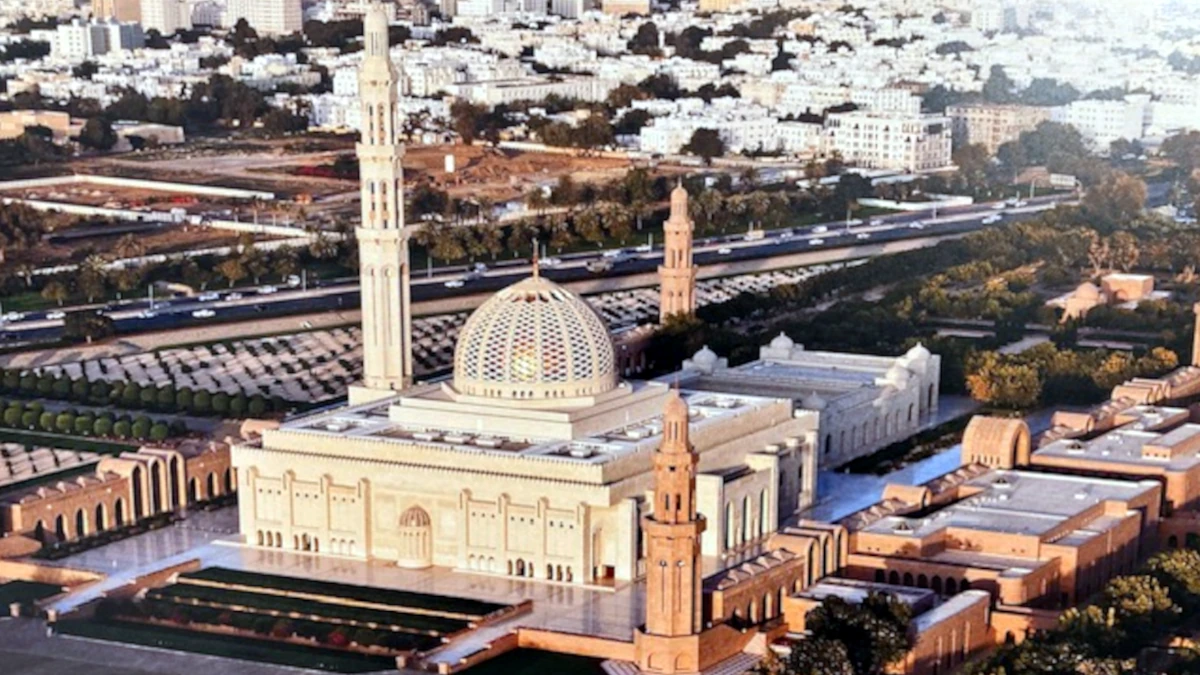
This compact exhibition features only a few images, but they are highly representative of the country's enormous diversity. From the immense campus of Sultan Qaboos University, named after the monarch who also gave his name to the mosque in Muscat. A great temple that stands out as a beacon of faith, an architectural icon, a religious landmark and a cultural centre that promotes interfaith dialogue, especially tolerance and human harmony, considered the noblest values of Islam.
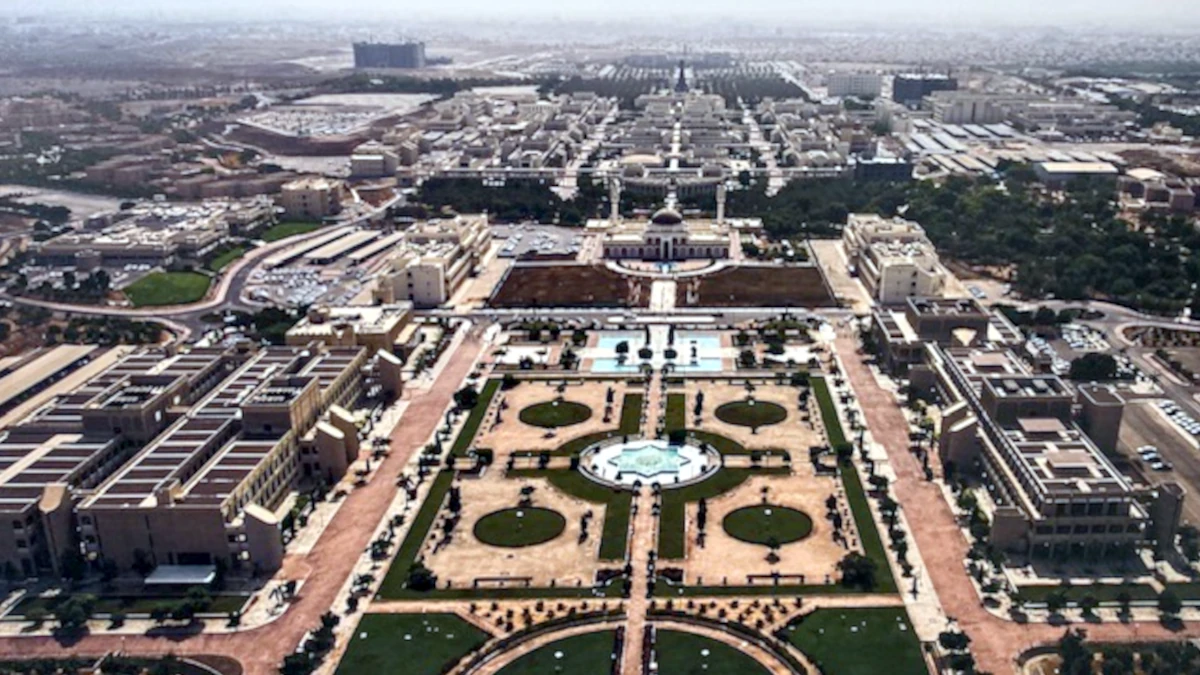
Sultan Qaboos University and Mosque
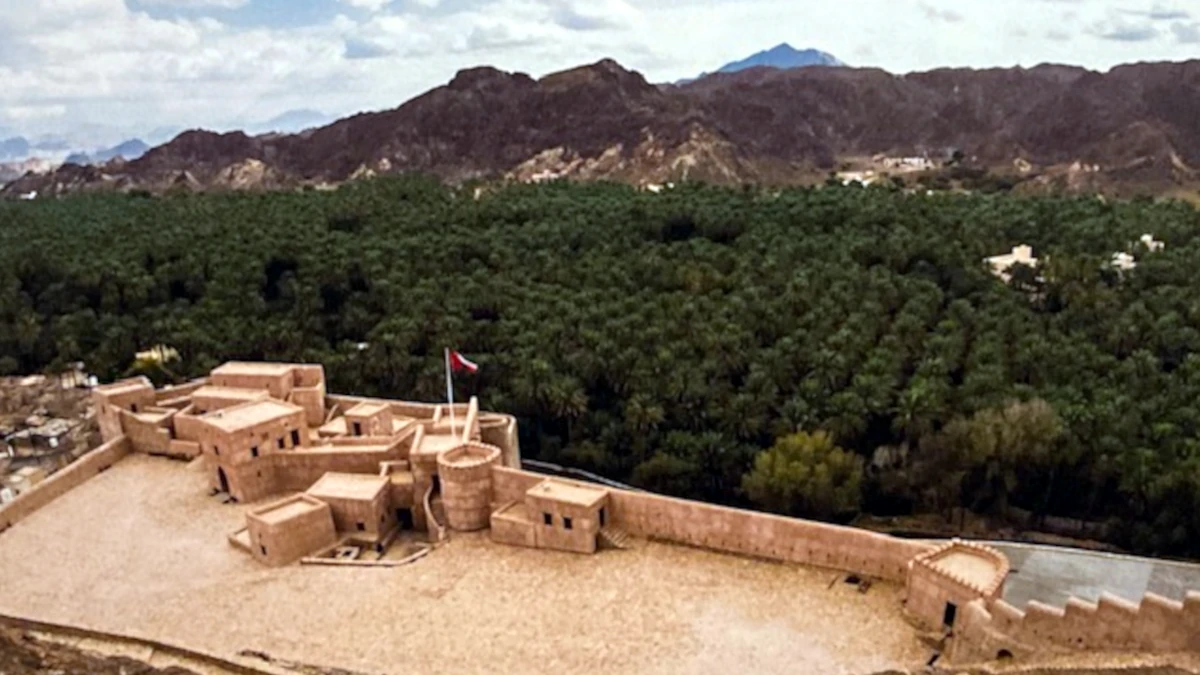
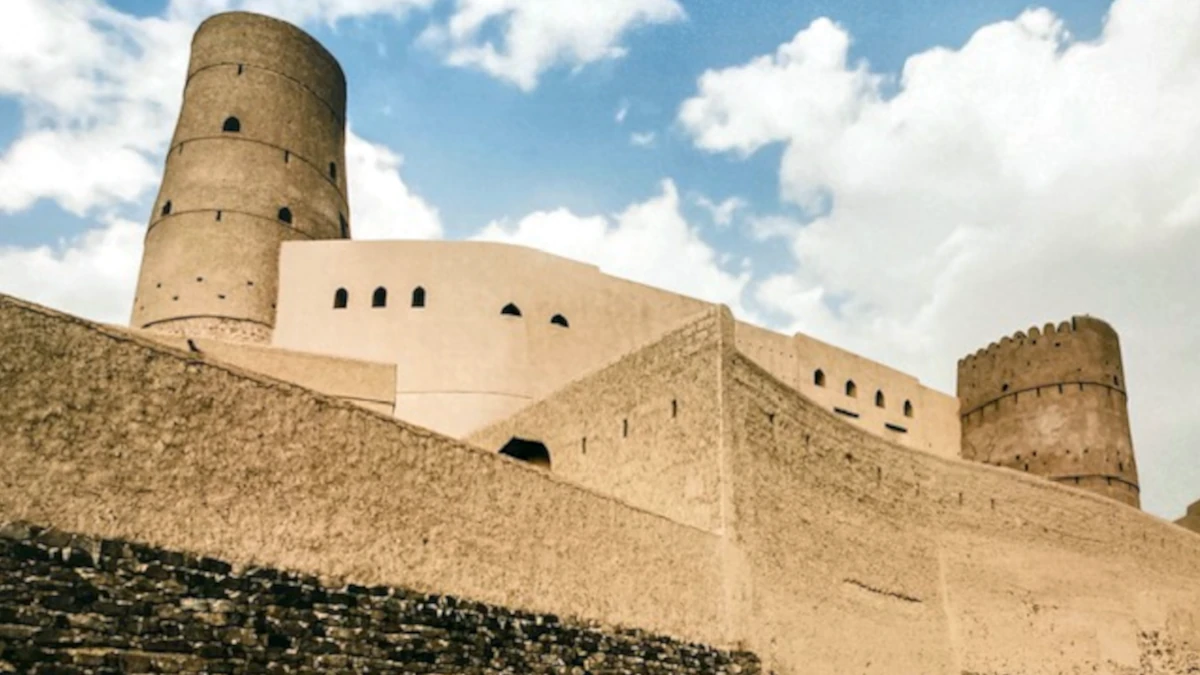
Bahla Fort, a huge mud-brick fortress with a wall stretching 12 kilometres around the fortress, is one of the best examples of the sultanate's historic military architecture, which also includes other castles such as those in Nizwa, Rustaq and Nakhal.
Historic fortresses
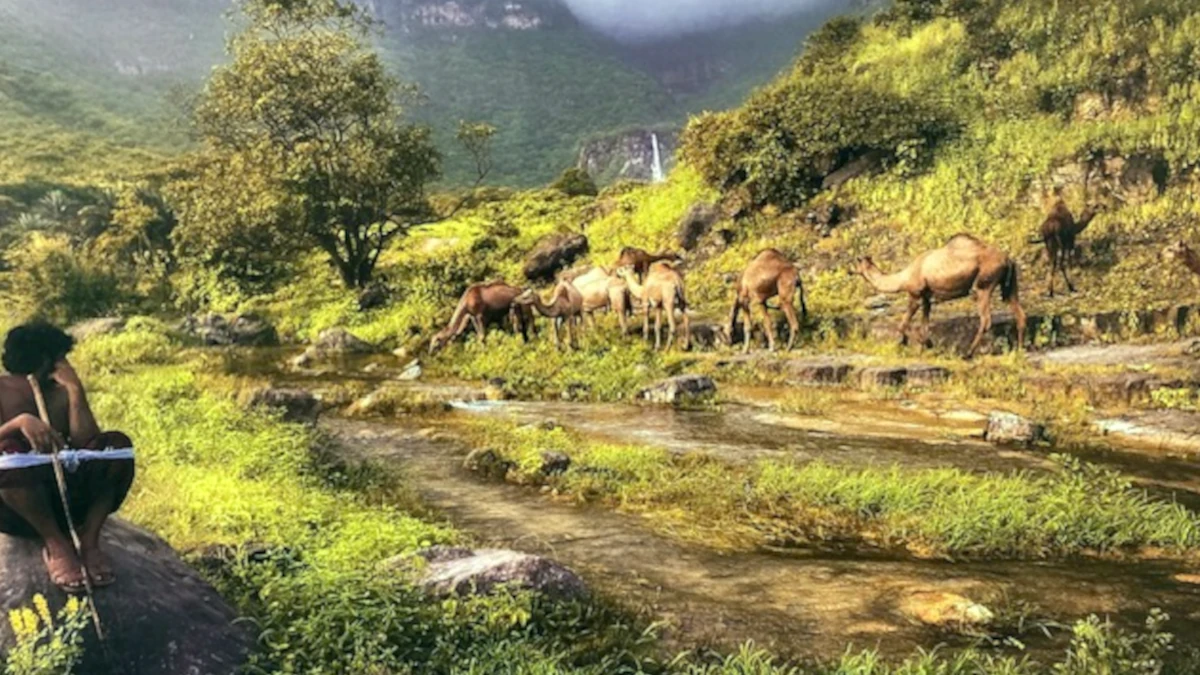
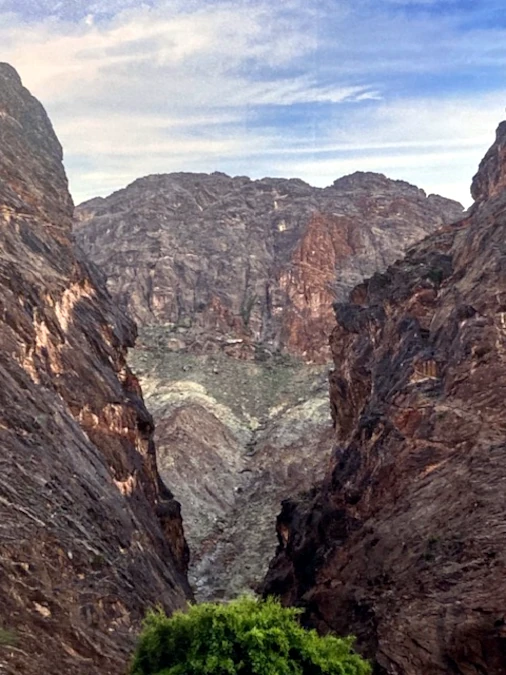
Scenes such as those captured in the autumn season in Dhofar, or the valleys of Wadi Bani Awf, at the foot of impressive mountains that reach up to three thousand head waiters in altitude, offer a panoramic view of the country that is certainly unusual for those who have not had the opportunity to travel around it.
Natural landscapes
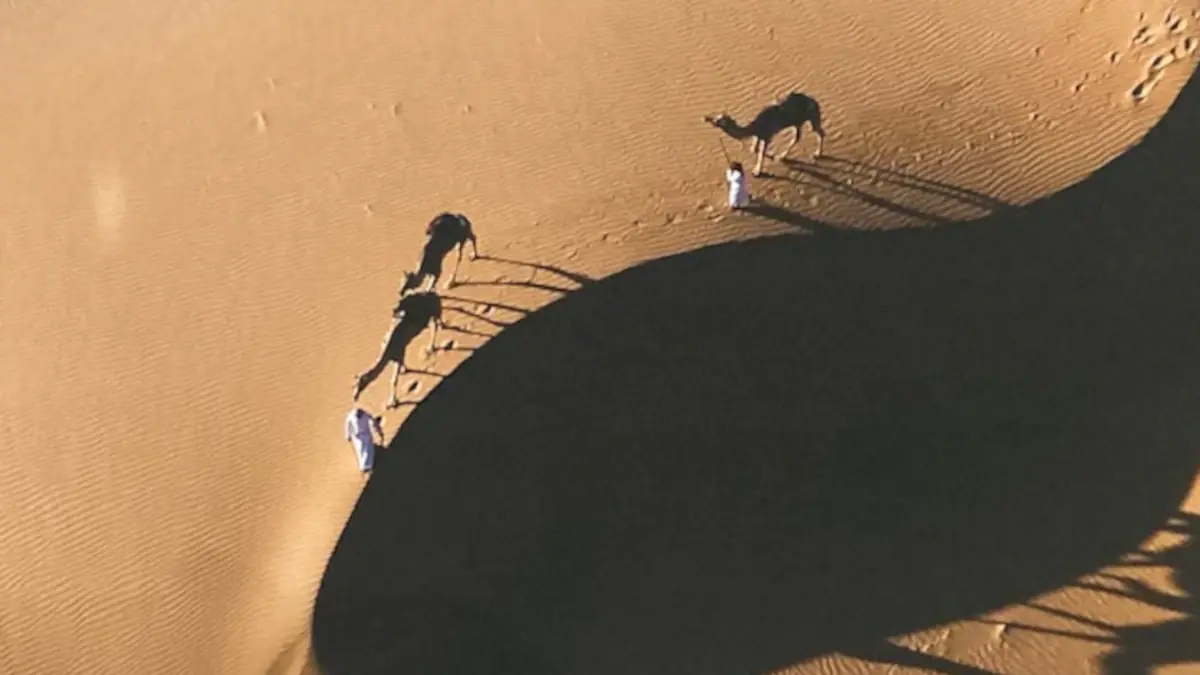
These landscapes contrast, sometimes starkly, with the deserts, especially Sharqiyah, whose dunes, over a hundred head waiters high, offer a wide range of colours, shaped by nature over several millennia.
Oman's wildlife
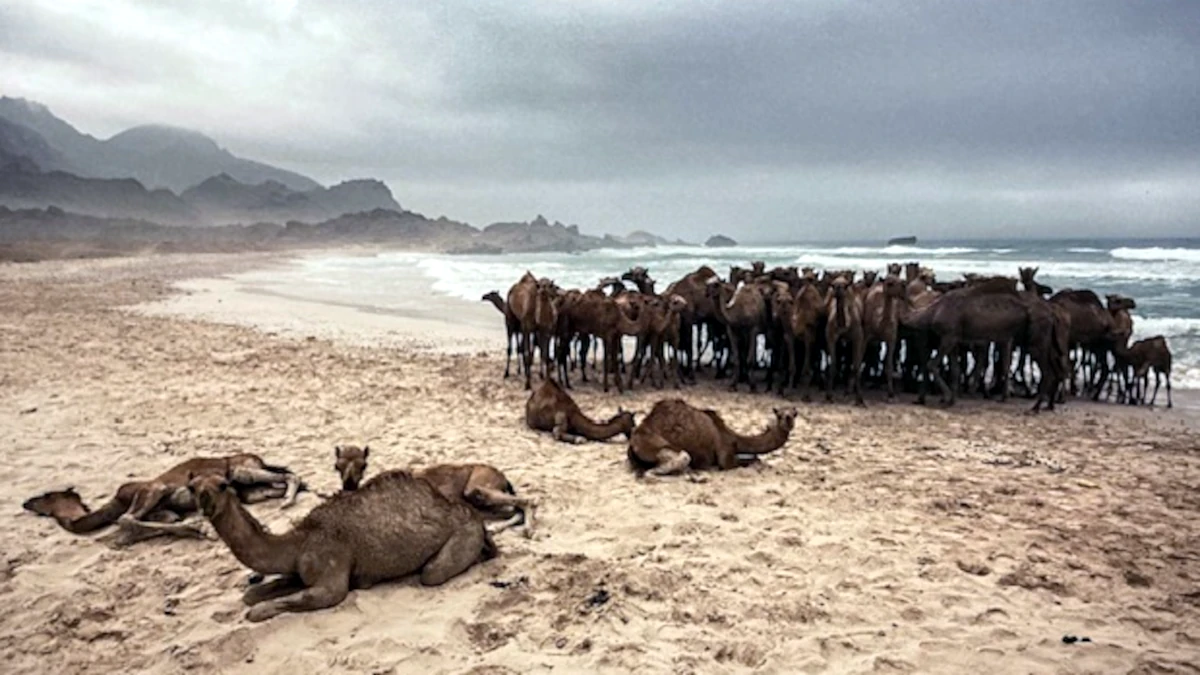
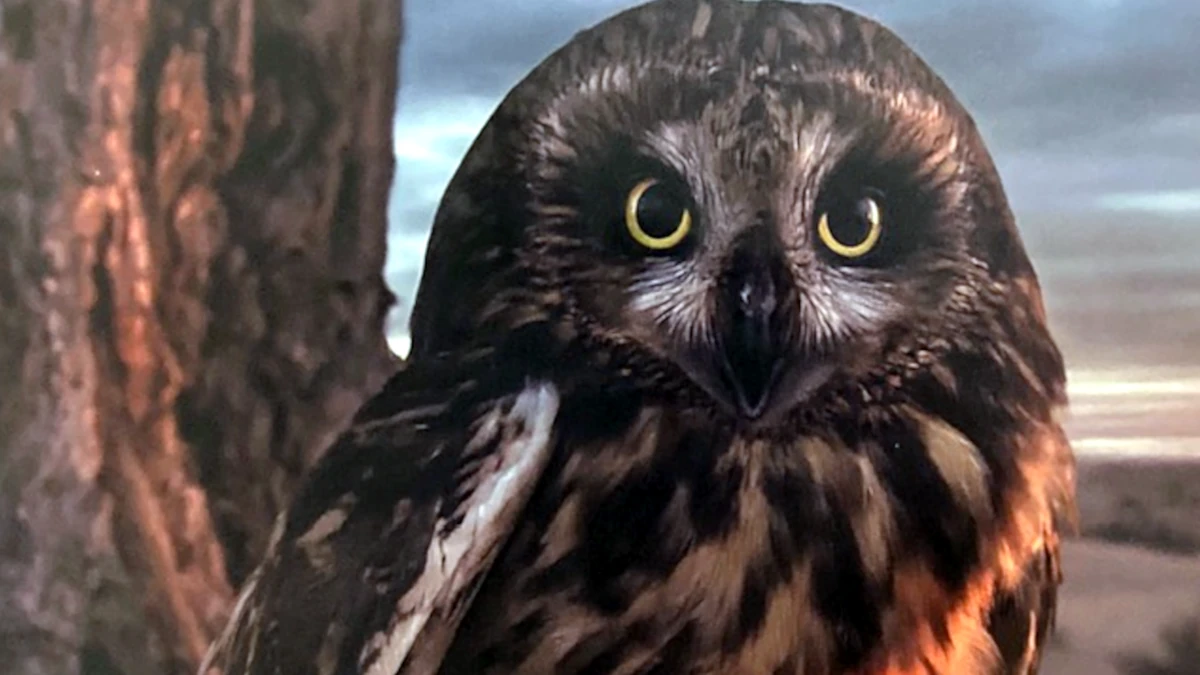
Finally, the varied wildlife is also shown in three snapshots of the short-eared owl, the Arabian red fox and a pair of hoopoes. All of them inhabit lands and forests such as those that can be seen from Samail Castle or the ruins of Birkat Al Mouz.
Geographical location of Oman
As I explained at the beginning, all this is just a glimpse of the rich essence of a country located in the south-east of the Arabian Peninsula and bordering the United Arab Emirates, Yemen and Saudi Arabia.