The Three Cultures Foundation obtains UNESCO recognition as a Category 2 Reference Centre
- International recognition by UNESCO
- Three Cultures Foundation and its origins
- Role of UNESCO Category 2 Centres
- Statements by the co-presidents
International recognition by UNESCO
Today, the Three Cultures Foundation has joined the select and coveted club of institutions around the world that are classified and recognised by UNESCO as Category 2 Centres,
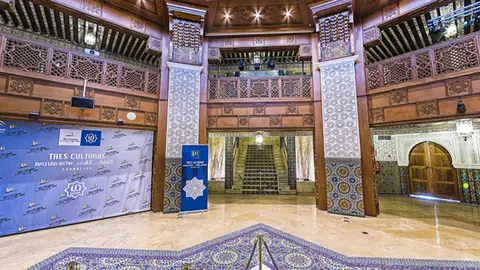
This historic decision was approved by the members gathered in Samarkand for the 43rd UNESCO General Conference, comprising 194 Member States and 12 Associate Members.
Three Cultures Foundation and its origins
For Miquel Iceta, Spain's permanent delegate to UNESCO, the Three Cultures Foundation becomes the third institution in Spain and the first in Andalusia to obtain this distinction, which crowns 26 years of commitment and mobilisation in the service of dialogue between all our cultures, respect for all our diversities and the encounter between all our spiritualities.
Created in 1999 as a joint initiative between Morocco and the Regional Government of Andalusia, the Foundation embodies a pioneering vision: to make cultural diversity a lever for respect, fuelled by the values, teachings and legacy of Andalusian and Moroccan civilisations.
La Comisión de Cultura propone a la 43a Conferencia General la designación de la Fundación Tres Culturas del Mediterráneo de Sevilla como Centro de categoría 2 de la Unesco @UNESCO @UNESCO_es @EspUNESCO @MAECgob @AECID_es @AndaluciaJunta https://t.co/SQeX95ZvkB
— Miquel Iceta Llorens /🌹🇺🇳 (@miqueliceta) November 10, 2025
The importance of cultural diversity
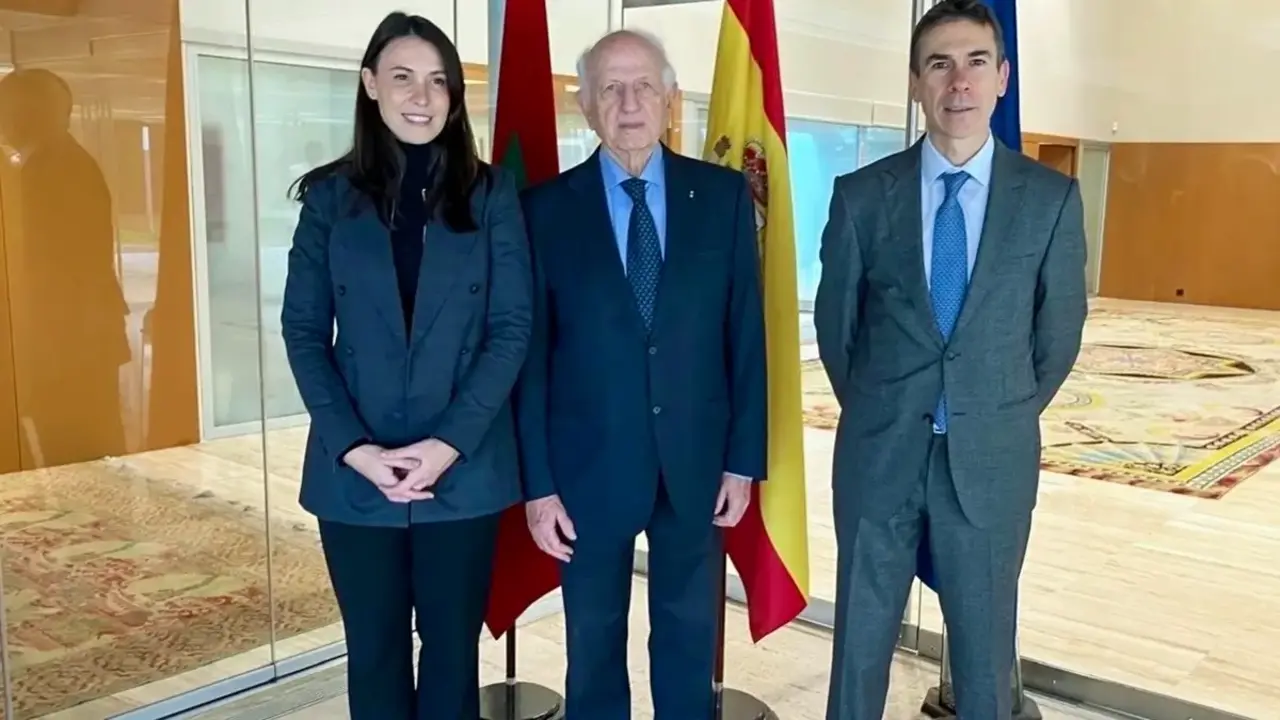
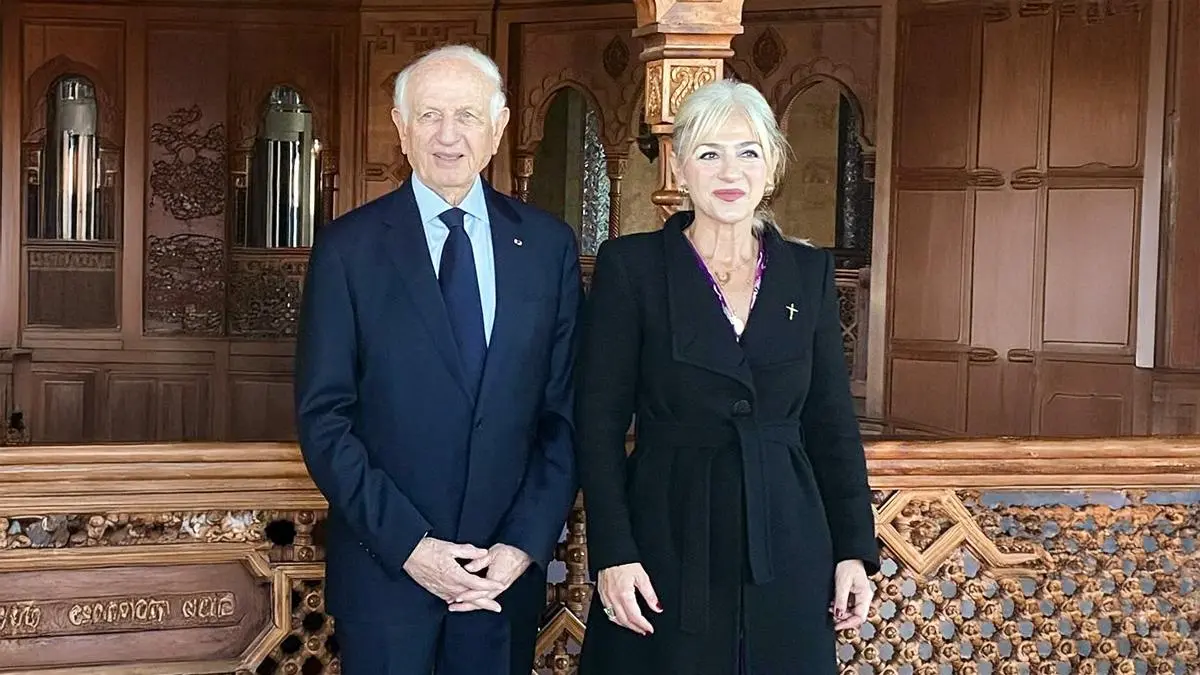
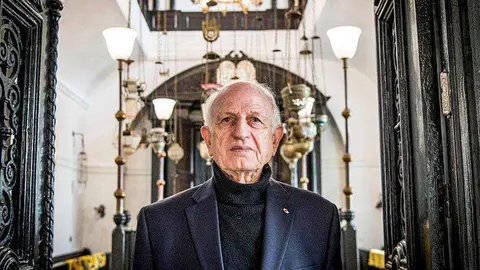
At a time in history marked by denial and identity withdrawal, the Three Cultures Foundation reminds us that diversity is a source of wealth and that dialogue between our respective civilisations offers a horizon of hope, as emphasised by the Foundation's co-presidents, André Azoulay, advisor to the King of Morocco, and Patricia del Pozo, Minister of Culture and Sport of the Regional Government of Andalusia.
Role of UNESCO Category 2 Centres
UNESCO Category 2 Centres function as international or regional centres of expertise and cooperation, contributing through training, research, capacity building and knowledge sharing to the achievement of UNESCO's objectives in the fields of culture, education and the human sciences.
By joining this global network, the Three Cultures Foundation will actively participate in the protection of cultural heritage, the promotion of diversity and the facilitation of intercultural and interreligious dialogue.
Impact of the designation on the Foundation
This designation, the result of a long process carried out with the support of the Governments of Spain and Morocco and the Regional Government of Andalusia, is testimony to what these three partners have been able to build together: a common space for cooperation, respect and social modernity nourished by the richness of all our diversities. It marks a turning point in the Foundation's history and reaffirms the legitimacy of its role as an international reference point for Mediterranean dialogue.

Statements by the co-presidents
'This success is not only a recognition of the past, but also charts the path towards a shared future. Together, Spain, Morocco and Andalusia embody the best that our cultures can offer the world: peace, the legitimacy of otherness and the recognition of the dignity of all our diversities,' said Patricia del Pozo, Minister of Culture and Sport of the Regional Government of Andalusia, and André Azoulay, Advisor to the King of Morocco, co-presidents of the Three Cultures Foundation.