Approval of the Moroccan Autonomy Plan for the Sahara gives impetus to a historic diplomatic solution
- UN Security Council backing for Morocco's autonomy plan
- The role of Western powers
- Morocco's African diplomacy
- Geopolitical implications and the future of the region
UN Security Council backing for Morocco's autonomy plan
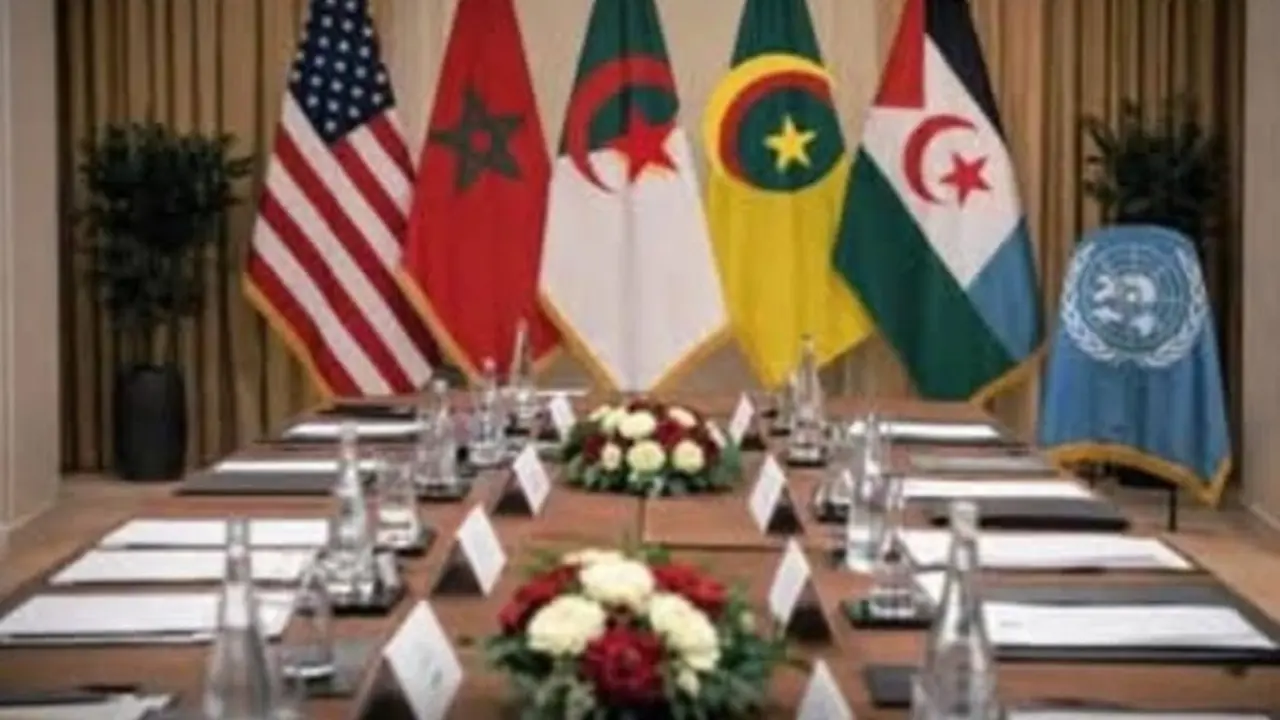
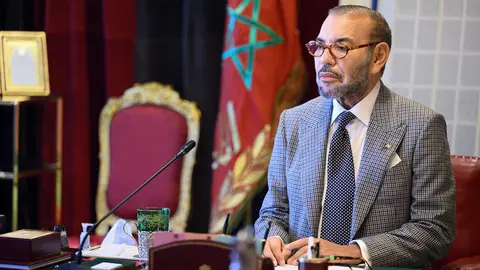
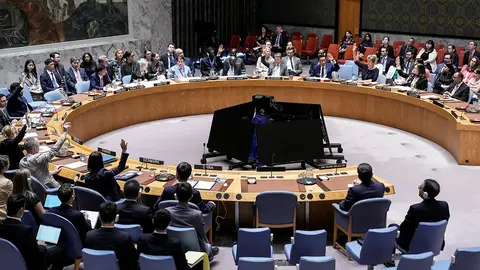
With 11 out of 15 votes in favour, and Algeria abstaining, the United Nations Security Council endorsed Morocco's Autonomy Plan for the Sahara, proposed in 2007 by King Mohamed VI of Morocco, as the solution on which to base stability and peace between the parties involved in the conflict that has been going on for more than 50 years.
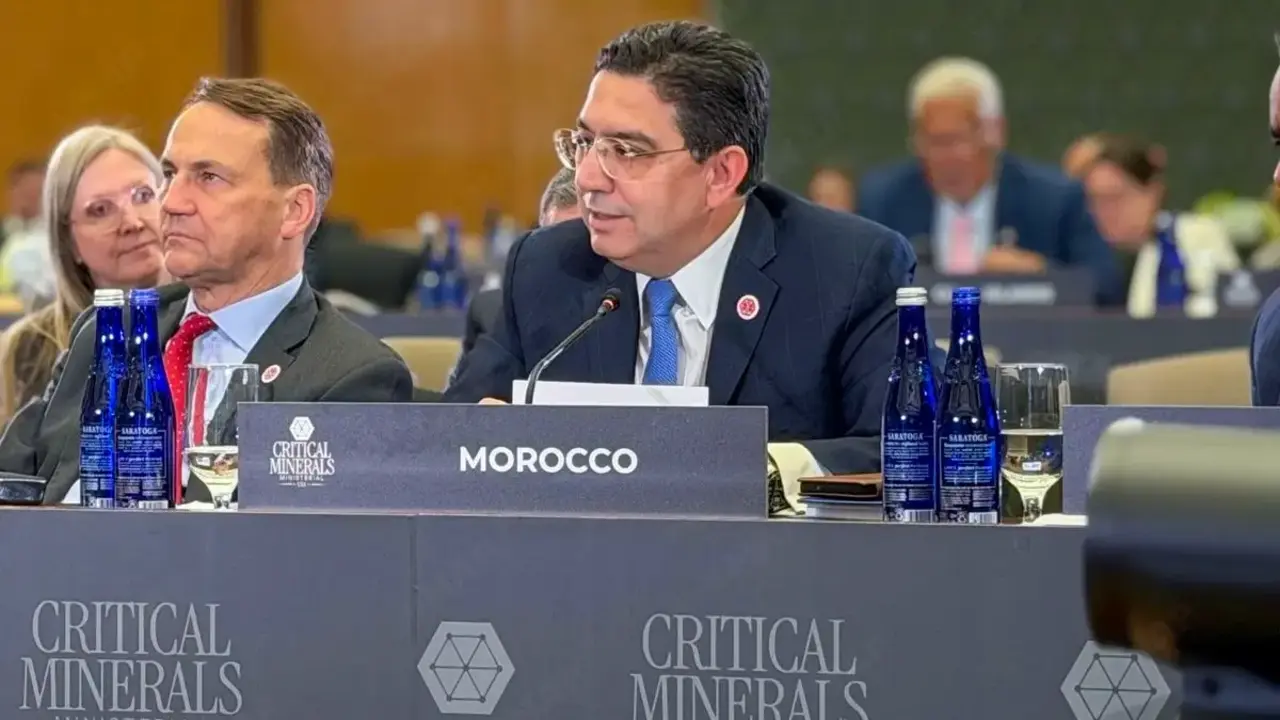
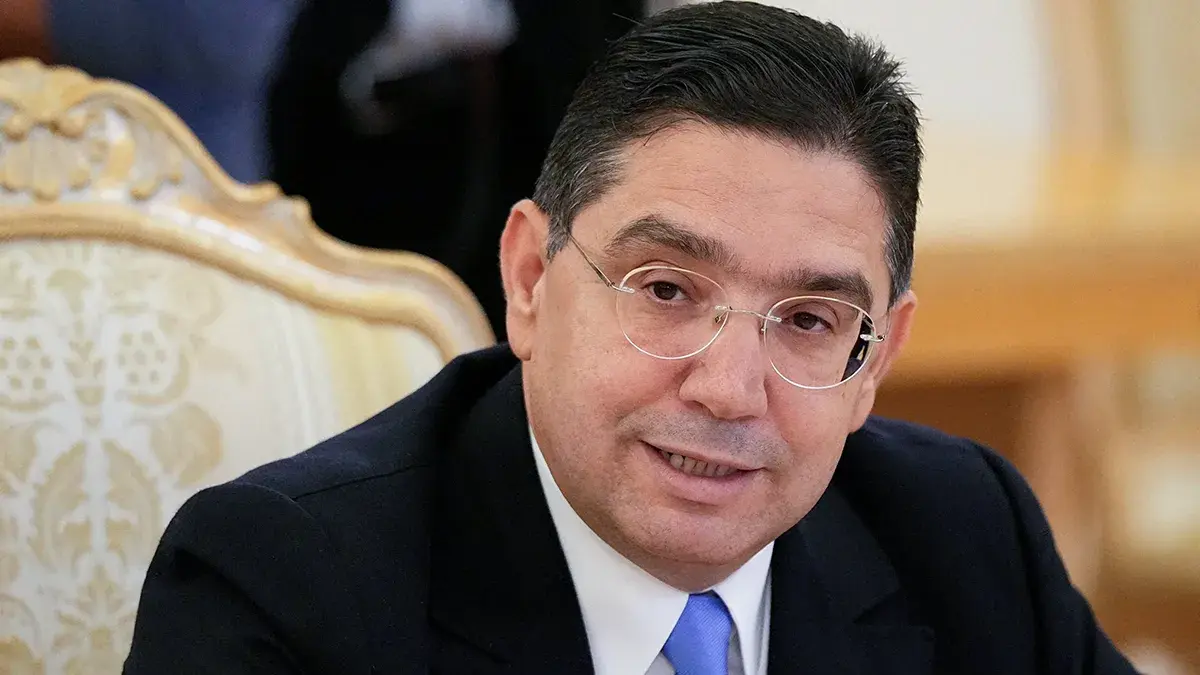
The determination of the Moroccan initiative as the most ‘serious, credible and realistic’ is finally a fact. It is the result of decades of diplomacy in which actors such as Nasser Bourita, the current Minister of Foreign Affairs of Morocco, have played a key role.

With the recognition and support of more than 130 countries, including more than 23 European countries, Morocco's Autonomy Plan became a reality on 31 October 2025. The context and evolution of Moroccan diplomacy underscore the importance of this resolution in consolidating national sovereignty and moving towards total peace and stability in the region.
Although the Autonomy Plan was proposed in 2007, the goal was set in 1999, when Mohamed VI came to the throne.
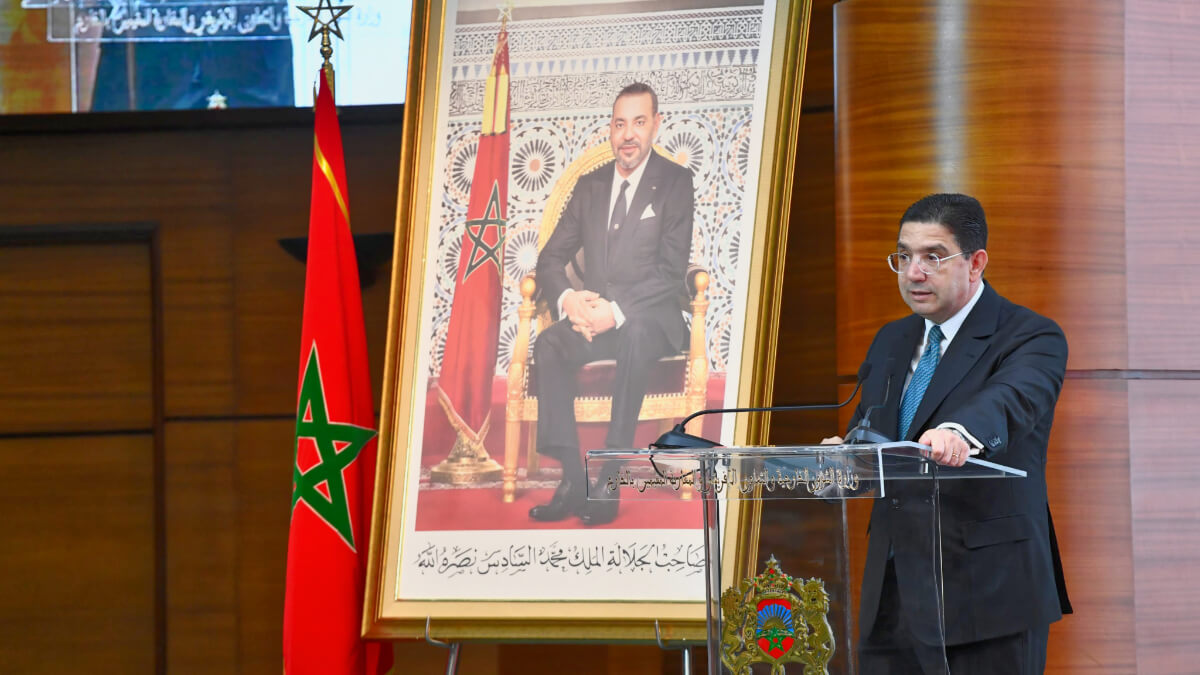
Twenty-four hours after the Council's announcement, Nasser Bourita said on government television that ‘here we are reaping the rewards,’ referring to the fact that the United Nations decision rewarded the country's diplomatic efforts over more than 20 years.
This decision is a boost to Rabat's international credibility. It is a symbol of trust because it represents Morocco's commitment to its political objectives. Bourita clarified that the Kingdom's achievements are not a coincidence, but rather the result of a series of political, economic, commercial and social efforts carried out by the monarchy and the ministry he leads.
The role of Western powers
The United States has played a key role, officially recognising Moroccan sovereignty over Western Sahara, a step that has been endorsed and expanded by the current US administration. This stance was crucial in influencing the Security Council's vote and has facilitated a realignment of positions in Europe.
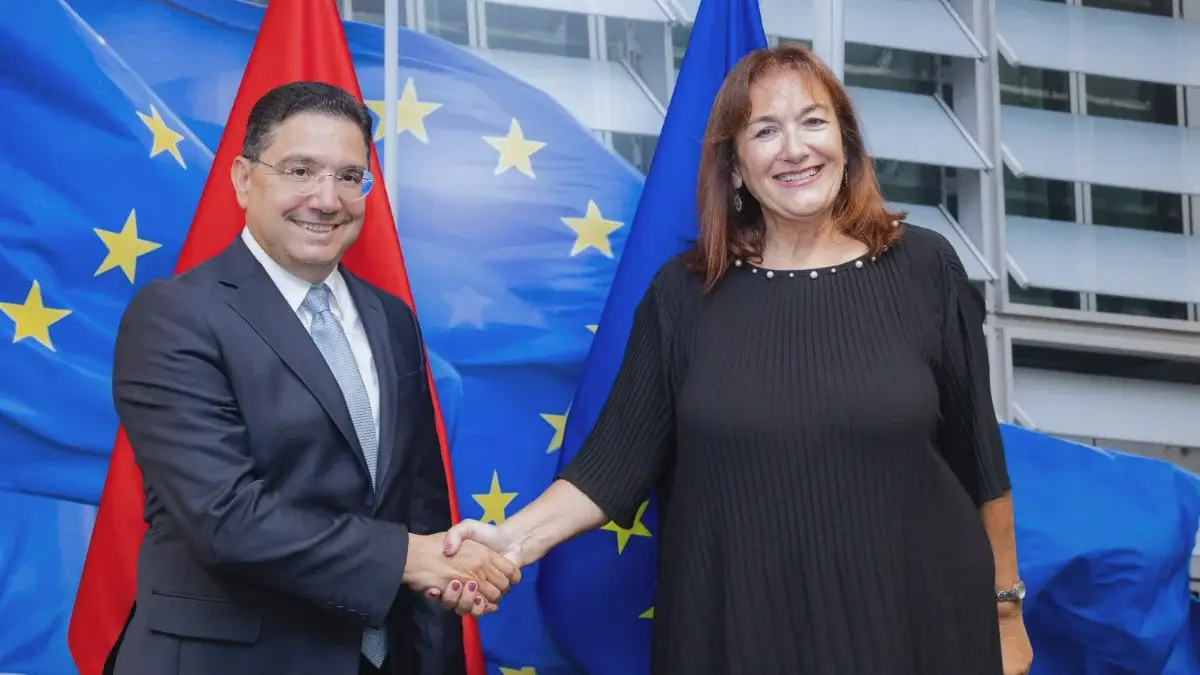
Countries such as Spain, France, Germany and the United Kingdom have revised their policies, showing greater commitment to a solution based on autonomy, aware of the historical and geopolitical complexity of the conflict. The unanimity or majority in the European Union underlines the validity and realism of the Moroccan initiative to achieve peace.
Morocco's African diplomacy
Morocco's return to the African Union marked a turning point in regional relations. King Mohamed VI's diplomatic campaign to convince African countries that supported Sahrawi independence changed the continental political map in favour of Morocco.
Visits to key countries and strategic negotiations enabled Morocco to strengthen its African ties, thereby consolidating diplomatic and political support that contributes to the stability and international recognition of its autonomy proposal.
For decades, international sentiment on the conflict has shifted in various directions, but it was not until 2021, with the approval of the United States and, years later, Spain and France, that the rhetoric on the Autonomy Plan materialised.

This is why, in addition to being a diplomatic success, the United Nations Security Council's decision is considered a ‘strategic turning point in the course of the Sahara conflict,’ as Khaled Cherkaoui, director of the Centre for Political and Strategic Studies in Rabat, pointed out in the digital media outlet Al-Arab.
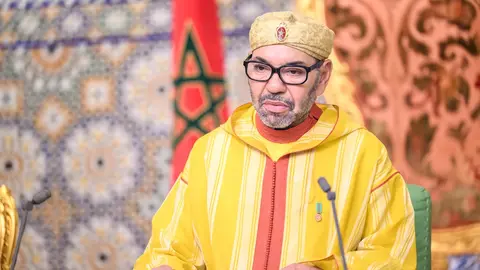
Morocco's return to the African Union in 2017 marked a turning point. As part of the activities carried out by Morocco, not only have agreements and support been signed as part of the plan, but the figure of the King has been the real catalyst and main driving force behind this achievement.
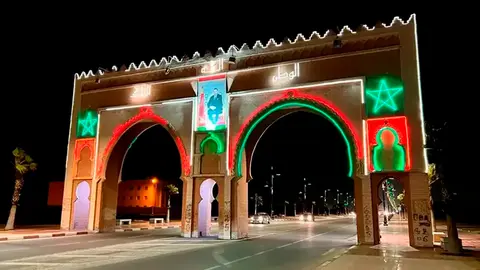
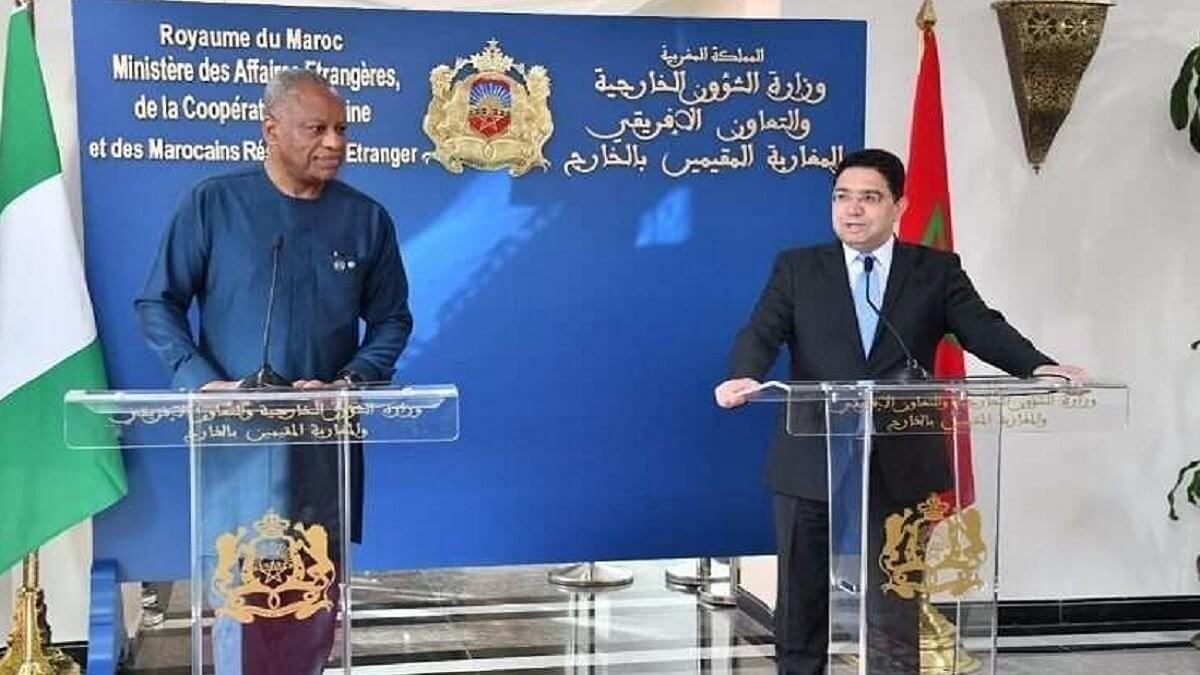
Meetings with the leaders of countries that recognised the unofficial Sahrawi Arab Democratic Republic (SADR), such as Zambia, Nigeria and Ghana, provided a major international boost.
Following recognition, Morocco began to draw up new trade agreements with these countries, with the Nigeria-Morocco gas pipeline project spearheading this effort.
Geopolitical implications and the future of the region
The approval of the Security Council represents a decisive step forward that could open up new opportunities for cooperation and regional integration in North Africa. It also puts an end to a period of ambiguity that hindered the construction of a lasting peace.
The approach based on sovereignty and autonomy could be a replicable model for resolving other territorial conflicts in the region, while providing a framework for collaboration in areas such as security, economic development and political stability.
Finally, the international recognition achieved by Morocco strengthens its strategic position in North African geopolitics and consolidates the foundations for a more integrative relationship between Maghreb countries, promoting the long-awaited dream of unity and progress in the region.