How are European countries handling the displacement and migration crisis from Sudan?

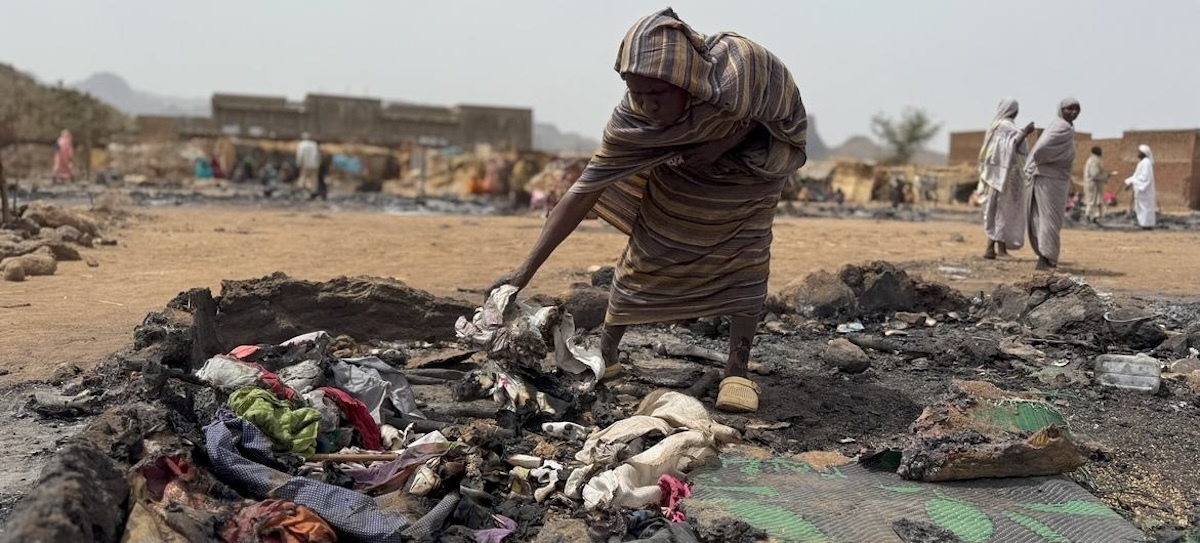
The conflict has displaced nearly 13 million people, of whom 4 million are refugees outside the country. However, what is most striking is that only a very small proportion reach Europe: less than 10,000 by the end of last October, according to UNHCR. Even so, they are not always welcome.
According to the InfoMigrants platform, it is not easy for Sudanese people to find refuge in Europe. Despite international agreements, applying for asylum in European countries is not straightforward. In Greece, for example, the government suspended the processing of asylum applications between mid-July and mid-October.
This Greek measure mainly affected those arriving from Libya, a country that many young Sudanese use as a route to Europe. There, they are often accused of crimes and detained, according to the same platform.
A report by The Guardian confirmed that the British government chose the “least ambitious” option to protect Sudanese civilians from among four alternatives presented to it in 2024 to prevent atrocities in Sudan. The options evaluated by the Foreign, Commonwealth, and Development Office included establishing an “international protection mechanism” to prevent crimes against humanity and sexual violence. However, cuts in financial aid led London to rule it out.
The decision to adopt the least ambitious option clearly demonstrates that the British government does not prioritize the prevention of atrocities globally, which has serious consequences on the ground, according to the British newspaper.
A special section for Sudan
Italian Foreign Minister Antonio Tajani announced that he had added a special item on Sudan to the agenda of next week's G7 foreign ministers' meeting in Canada.
During an appearance before the Chamber of Deputies on international affairs, including the war in Sudan, he explained that he had ordered the preparation of the “Italy for Sudan” initiative, which includes sending humanitarian aid through the Italian Agency for Development Cooperation, in coordination with the main Italian institutions and economic and social sectors.
According to the Adnkronos platform, the minister said that Italy will soon deliver several tons of food to more than 2,500 children through Catholic organizations—Father Pius Anyiga's Sacred Heart Parish, the Comboni Missionaries, and the Sisters of Mother Teresa. He condemned the crisis in Sudan, describing it as “a civil war that, after more than two and a half years, continues to generate atrocities and serious human rights violations.”
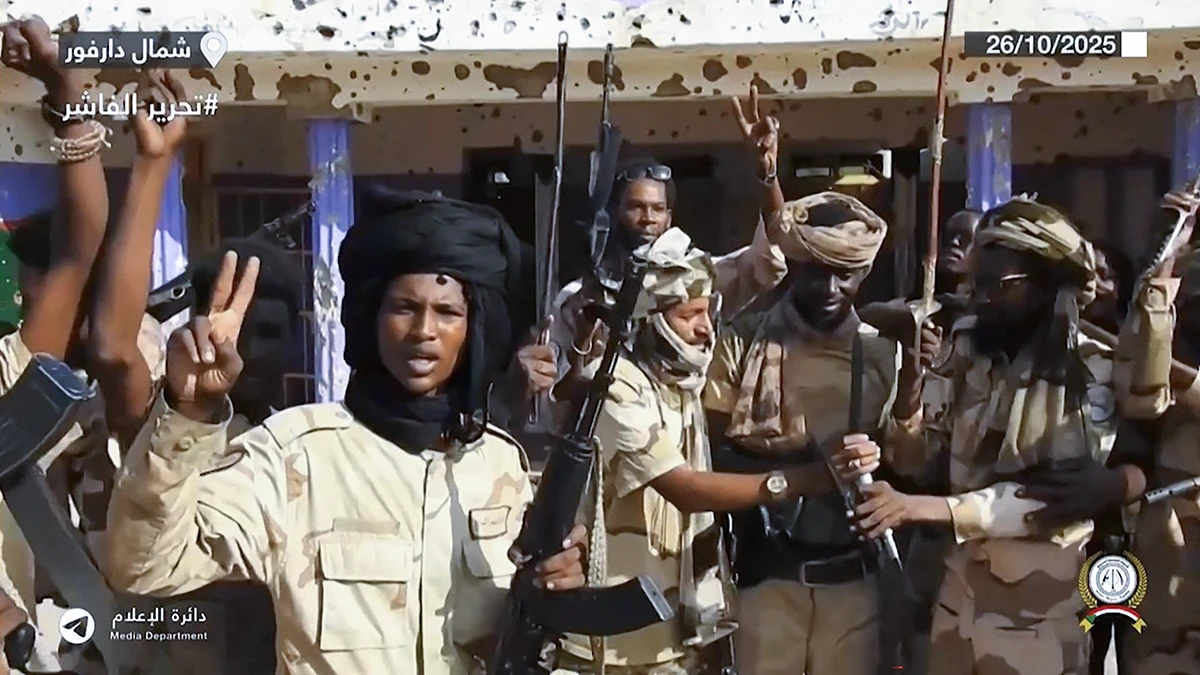
Amid growing international calls for calm, the Tassis Forces (تأسيس) announced their acceptance of a humanitarian truce proposed by the Quartet countries (the United States, the United Arab Emirates, Saudi Arabia, and Egypt) to mitigate the catastrophic humanitarian effects of the war and improve the protection of civilians by implementing the terms of the agreement to facilitate the urgent entry of aid to all the Sudanese people.
While Tassis attempts to implement a strategy to restore life in El-Fasher, paving the way for aid trucks to enter the capital of North Darfur and alleviate the suffering of civilians, the Port Sudan army continues to promise to continue fighting and bombing civilian areas.
Videos circulated from inside the city showing trucks loaded with humanitarian aid, enthusiastically welcomed by residents, as well as recordings of citizens showing normal activity in the city and its markets.
A team of UN agencies and international organizations managed to visit the Kurma administrative unit in the El-Fasher area, which is home to a large number of displaced people about 80 kilometers northwest of the city.
The importance of global awareness
Professor Philip Kastner, a specialist in international law at the University of Western Australia, emphasized in an article in The Conversation the need to pay greater attention to the conflict in Sudan and for countries to exert pressure to impose a truce.
He recalled that global awareness alone did not resolve the Darfur crisis 20 years ago, but it was a first step that ultimately led to the deployment of a joint UN and African Union peacekeeping mission.
Sudan now faces the world's worst humanitarian crisis: hundreds of thousands have died since 2023, 12 million have been displaced, and 21 million suffer from what the UN describes as “high levels of acute food insecurity.”
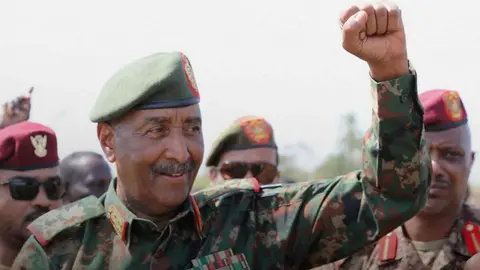
Even so, Port Sudan army commander Abdel Fattah al-Burhan promised yesterday to continue the war, just two days after Port Sudan Defense Minister Hassan Kabroon announced that the army would continue to fight Tassis' forces, after reviewing the US ceasefire proposal. This implies the continuation of the conflict.
Repeated calls for a truce were met with military escalations by the Port Sudan army and its Islamist allies. The Sudanese National Observatory for Human Rights accused the army of carrying out airstrikes against the towns of Abuzabad and El-Fula on November 5.
The Darfur24 platform reported that a drone belonging to Al-Burhan's forces attacked the Wad Banda market in West Kordofan last Thursday, killing six civilians and injuring several others who were in the market.
The Al-Jamahir newspaper quoted witnesses who claimed that drones belonging to the Port Sudan army carried out several raids last Sunday in the city of Umm Badir, in North Kordofan, attacking a residential area near the mill market, causing deaths and injuries among civilians.
Last June, Human Rights Watch stated that the Port Sudan army used unguided bombs dropped from the air to attack residential and commercial areas of Nyala, in South Darfur, in early February. These indiscriminate attacks, considered possible war crimes, caused numerous civilian casualties.