Morocco agrees to the implementation phase of autonomy for Western Sahara
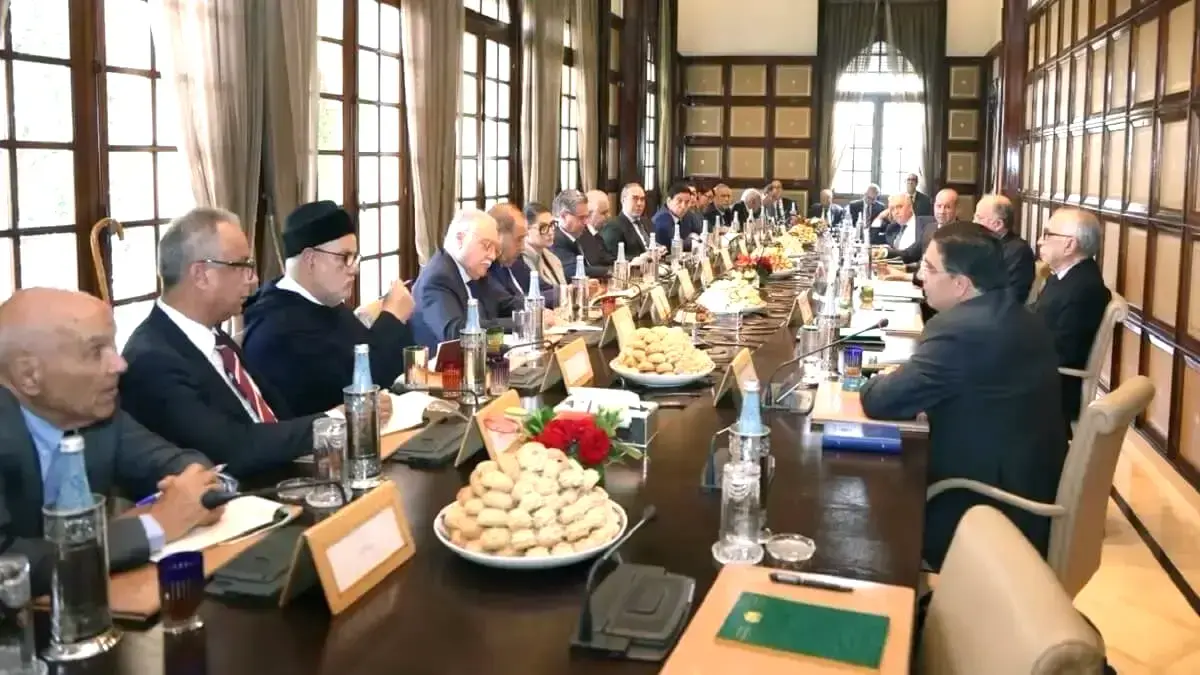
- Political consultations for the implementation of autonomy in Western Sahara
- Working together for the integration of Western Sahara
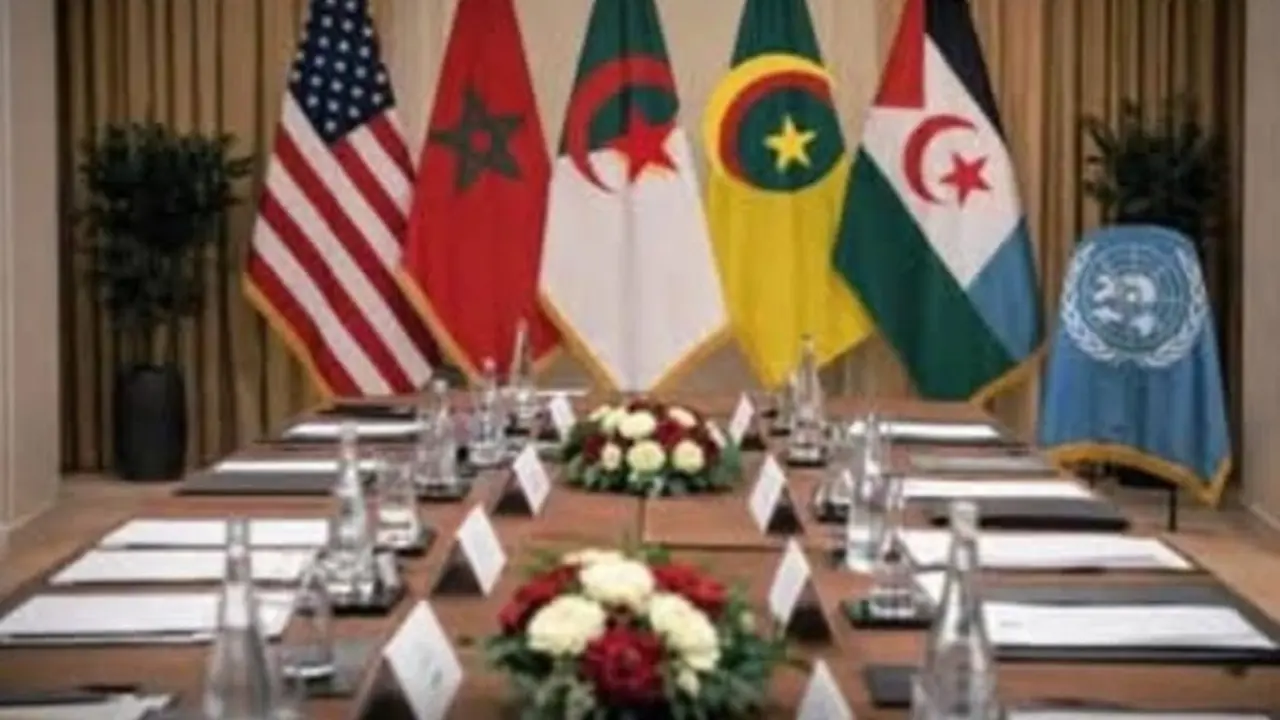
On 31 October, the United Nations (UN) Security Council approved Resolution 2797 without any veto from any permanent member, considering Morocco's autonomy plan for Western Sahara to be the most serious, realistic and credible option for resolving the Sahrawi dispute, which has been going on for almost five decades since the end of the Spanish colonial era.
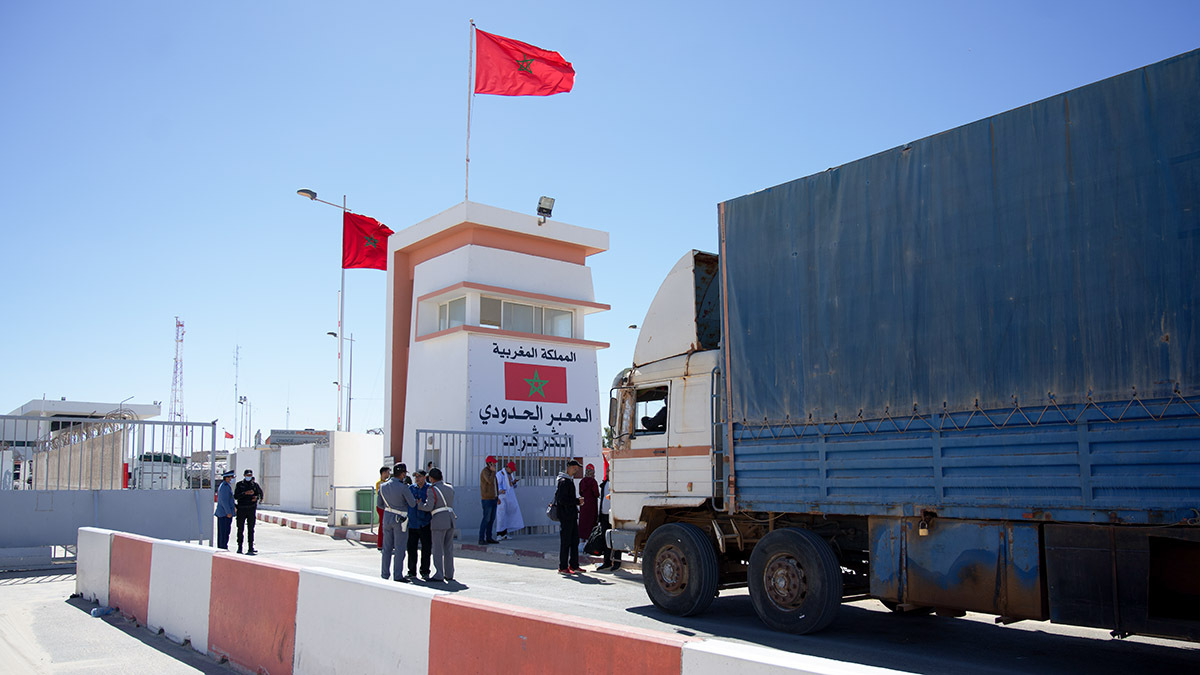
The UN move came after the Moroccan kingdom achieved the diplomatic feat of obtaining the support of more than 120 countries for its autonomy proposal, launched in 2007 by Rabat, which envisages the accession of the Sahrawi territory to Moroccan sovereignty, granting the Sahrawis a large degree of self-government and leaving foreign and defence policy in the hands of the Moroccan state, all in accordance with the resolutions adopted by the United Nations.

Political consultations for the implementation of autonomy in Western Sahara
Following this historic diplomatic move, Morocco has set in motion the machinery to shape the autonomy process that will bring Western Sahara under Moroccan sovereignty.
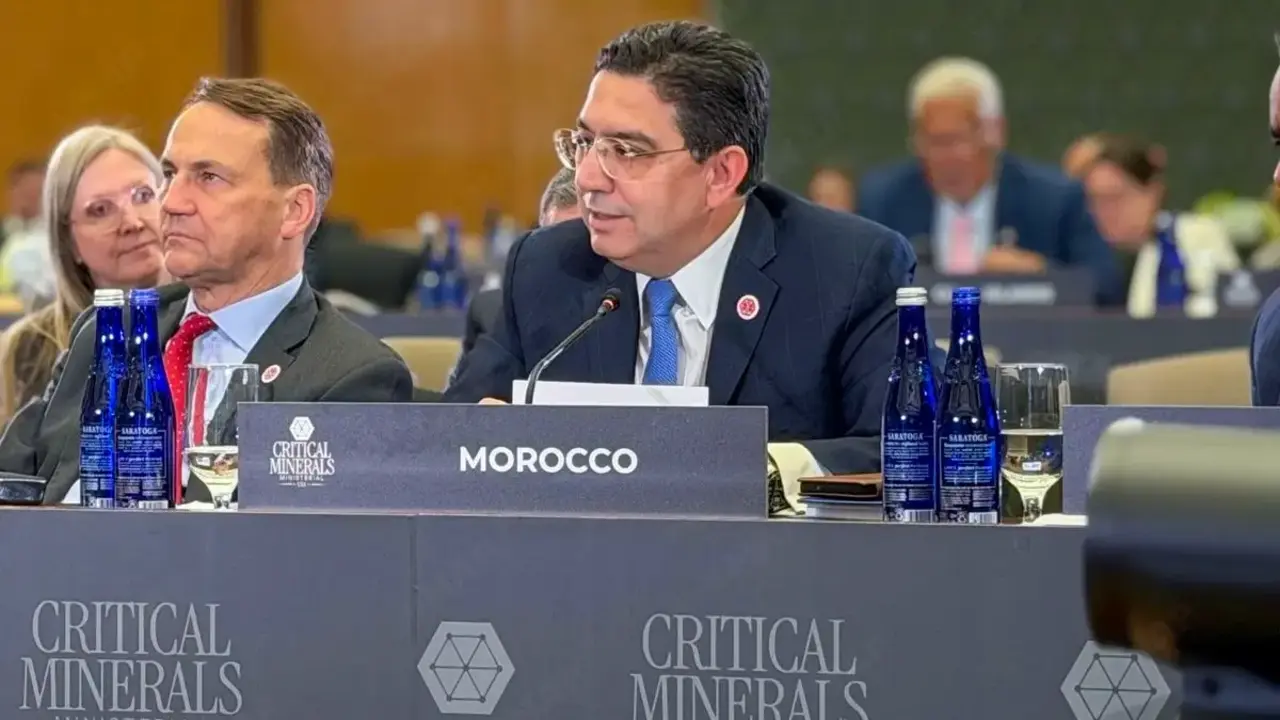
Thus, King Mohammed VI, following an important speech given on the occasion of the UN Resolution, gave instructions for a meeting to be held on Monday at the Royal Cabinet in Rabat, chaired by the advisers to the Moroccan monarch Taieb Fassi Fihri, Omar Azziman and Fouad Ali El Himma, with the presence of the leaders of the national political parties represented in the two Houses of Parliament, in the presence of the Minister of the Interior, Abdelaoui Laftit, and the Minister of Foreign Affairs, African Cooperation and Moroccans Abroad, Nasser Bourita. The main challenge was to address the implementation of the Moroccan kingdom's autonomy plan for Western Sahara.
According to various Moroccan media outlets, the meeting was intended to pool strategies for the implementation of the autonomy system for Western Sahara, a territory historically considered by Morocco to be its southern provinces.

According to various sources, King Mohammed VI's advisers asked party leaders to submit detailed memoranda on the mechanisms for implementing autonomy within a week to ten days, with the aim of strengthening the internal front and consolidating national unity at this crucial juncture.
The objective is clear from the state vision sponsored by King Mohammed VI and is none other than to unite the efforts of all the political and social factions in the North African country to apply a procedure that would serve to protect national territorial integrity and recover a territory considered by the North African country as part of its historical territory.
The aim is to finalise the autonomy plan and set out in black and white a mechanism for granting Western Sahara autonomous status within the Moroccan state structure.
According to the official information served by the official Moroccan news agency MAP: 'By order of His Majesty King Mohammed VI, a meeting chaired by His Majesty the King's advisers, Mr. Taieb Fassi Fihri, Mr. Omar Azziman and Mr. Fouad Ali El Himma, took place this Monday, November 10, 2025, at the Royal Cabinet, with the heads of the national parties represented in both Houses of Parliament, in the presence of the Minister of the Interior and the Minister of Foreign Affairs, African and Moroccan Cooperation Residents abroad. This meeting was dedicated, in accordance with the Very High Instructions of His Majesty the King, to update and formulate in detail the autonomy initiative, within the framework of Moroccan sovereignty, in execution of the Royal Decision contained in the Address addressed by the Sovereign to his loyal people on October 31, after the adoption of Security Council resolution 2797.'
King Mohammed VI has thus sought to implement a participatory approach and broad consultation to address an issue as important and sensitive for Morocco as the question of Western Sahara. The Alawite monarch's advisers informed the leaders of the political parties present of the sovereign's desire to consult them on this crucial issue that concerns all Moroccans, inviting them to present their organisations' views and proposals on the updating and detailed formulation of the autonomy initiative.
The various leaders of the different political parties present at the meeting welcomed the consideration of their positions in order to join forces to work together for a future Sahara integrated into Moroccan territory.

Working together for the integration of Western Sahara
The inclusion of Western Sahara within the framework of Moroccan sovereignty is very important and requires the efforts and expertise of all the country's active forces to implement, as effectively as possible, a process that promotes territorial integrity and national sovereignty.
All this is part of a plan drawn up by Morocco in 2007, under the guidance of King Mohammed VI, which grants the Sahara under Moroccan sovereignty a high degree of autonomy and decision-making power, leaving foreign and defence policy in the hands of the state. This is an integrative procedure that would also serve to reunify the entire Sahrawi population, both those residing in what are considered the southern provinces of Morocco and those living in difficult conditions in the Tindouf refugee camps in Algeria.
The option advocated in the past and contemplated in other resolutions, which provided for the holding of a referendum on independence for the Sahrawi population, is now a thing of the past. This option is represented by the pro-independence Polisario Front, supported by Algeria, Morocco's great political rival in the Maghreb. According to various analysts, this option faced a number of difficulties, such as the problem of drawing up an electoral roll, which would be difficult to achieve given the dispersion of the Sahrawi population between those living in Western Sahara, those in refugee camps and those in other enclaves. This proposal has much less support on the international stage.