Morocco consolidates its position in Rabat as the epicentre of the global strategy against terrorism with its European partners
- Cooperation between Morocco, Spain, France and Belgium
- Paradigm shift in jihadist terrorism and the threat in the Sahel
- Strengthening security and intelligence structures in Morocco
- The Moroccan model in the fight against terrorism and international cooperation
- Morocco's strategic vision on Mediterranean security
Following the success of INTERPOL's 93rd General Assembly held in Marrakesh and the signing of agreements during the 13th RAN with Spain in Madrid, Rabat consolidates its position as a key player on the international stage in the areas of security, defence and the fight against terrorism.
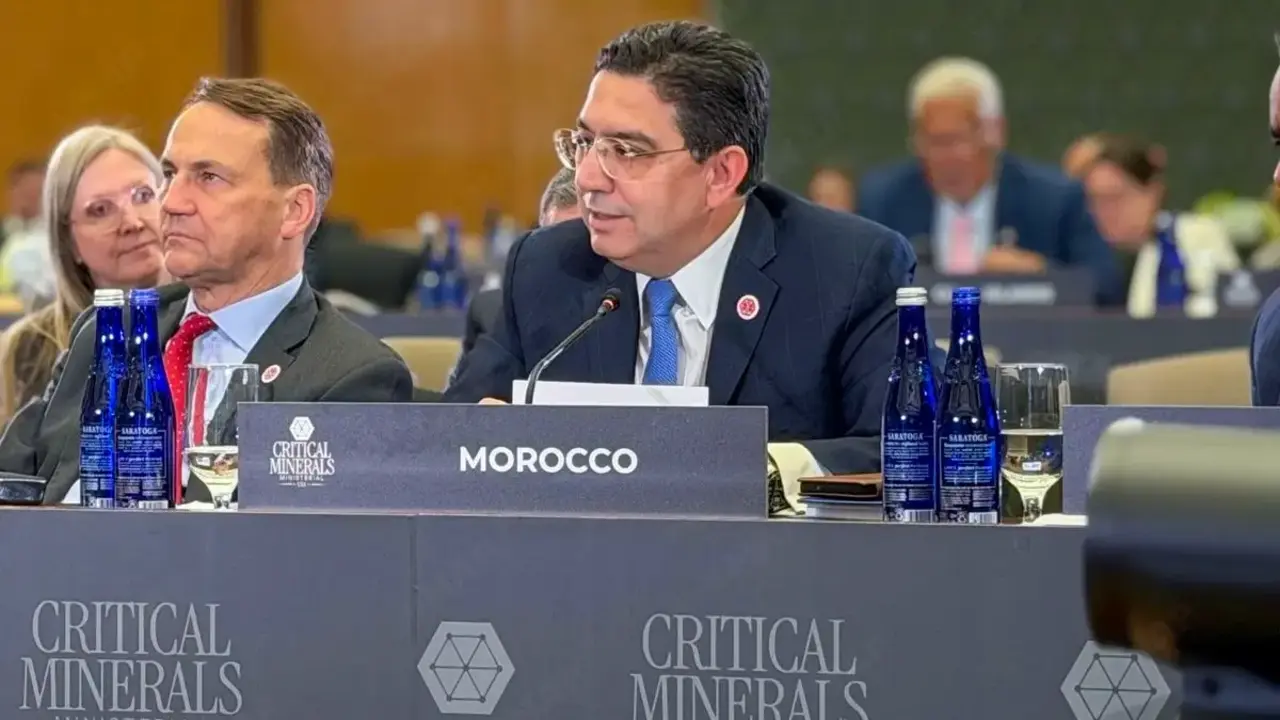
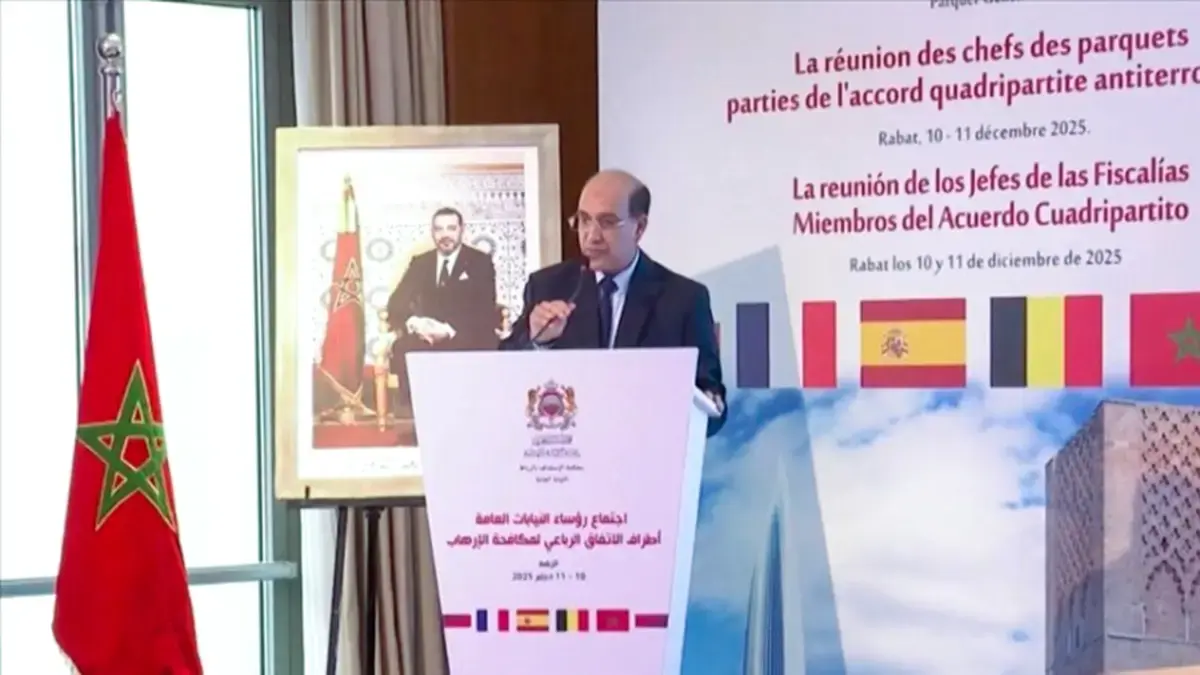
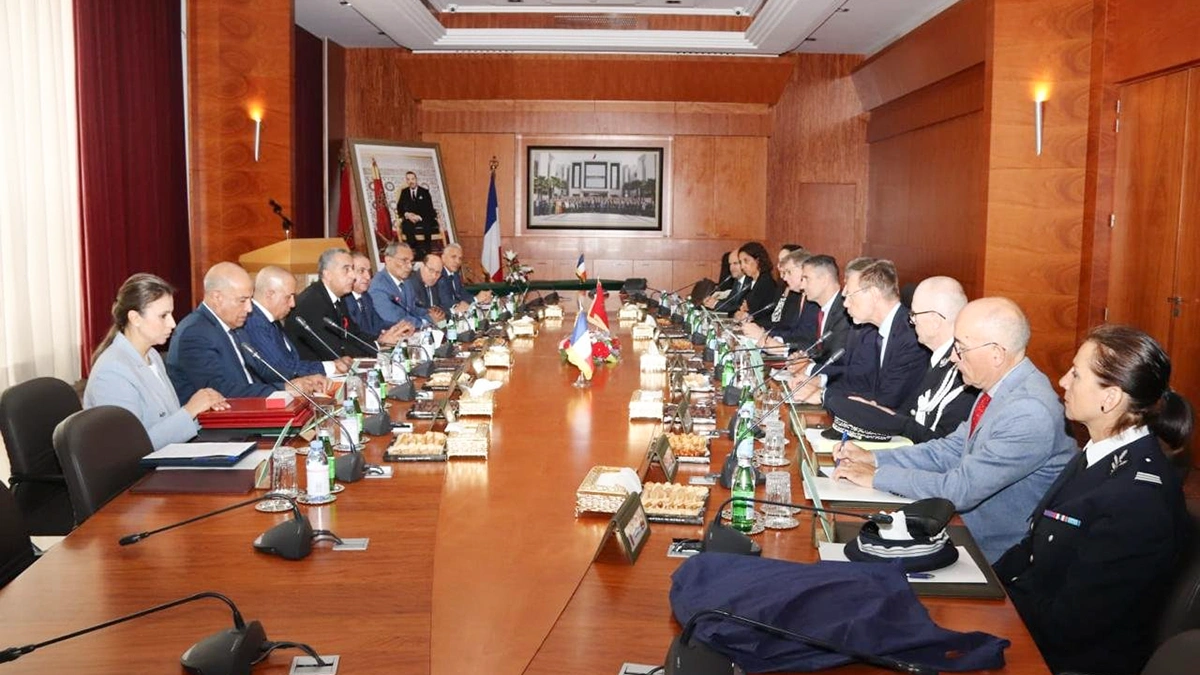
Meeting in Rabat, the heads of the public prosecutor's offices of the countries that make up the ‘Quadripartite Agreements’ (Morocco, Spain, France and Belgium) praised the actions of the Moroccan government in its fight against terrorism. In essence, the African country presents itself as Europe's barrier against the relentless increase in terrorist actions in the Sahel, a region located in the south of the country.
Cooperation between Morocco, Spain, France and Belgium
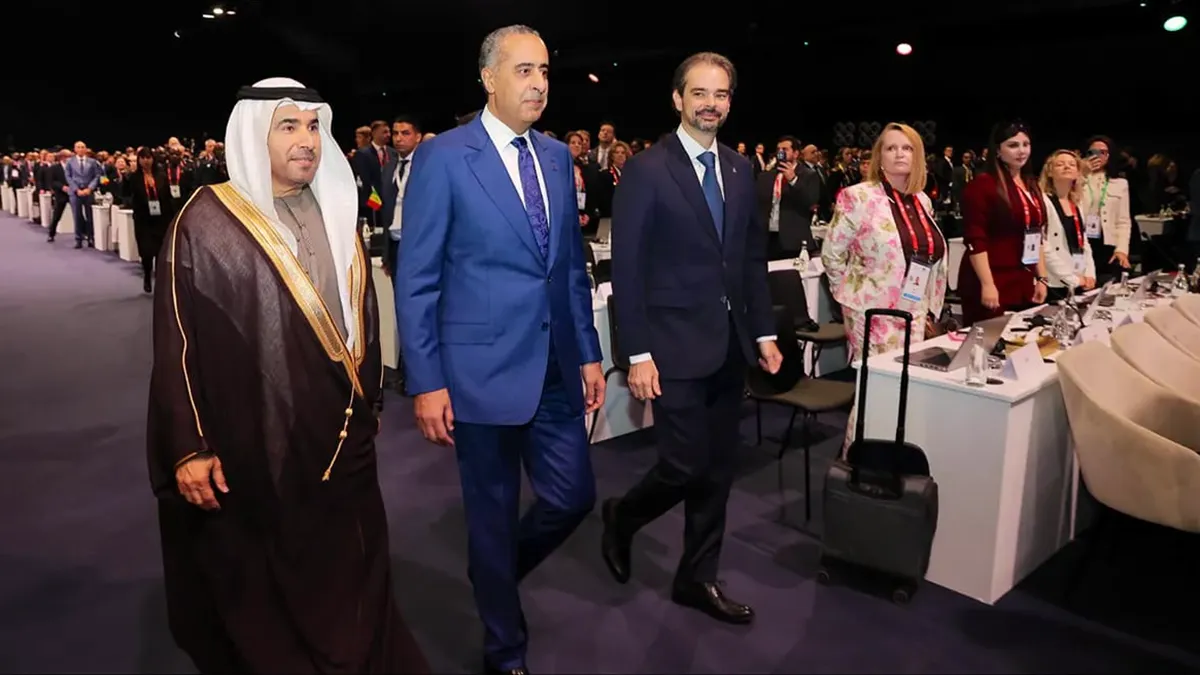
In this context, on 10 and 11 December, the leaders of these four countries signed agreements on judicial cooperation and the expansion of intelligence sharing with the aim of improving cooperation. These measures have been well received by Rabat's European partners, as Belgium, France and Spain are the European countries most affected by terrorist attacks in the last decade.
Morocco's position offers Europe security. During the speeches by the heads of the public prosecutor's offices, the central theme was the paradigm shift in jihadist terrorism, which has shifted from the Middle East to the gates of Europe.
Paradigm shift in jihadist terrorism and the threat in the Sahel
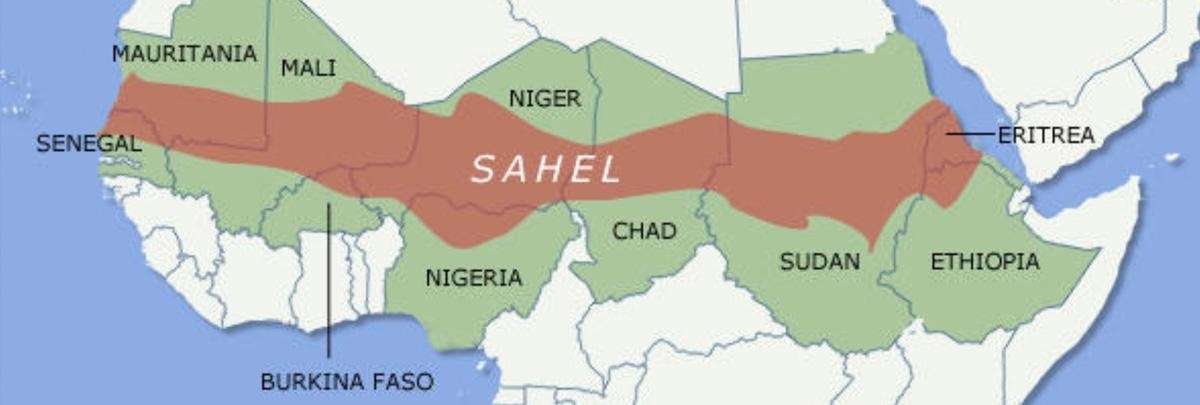
The terrible conditions and lack of stability in the countries that make up the Sahel region have been the perfect breeding ground for more than half of all terrorism-related deaths to occur in this region. This set of factors has put Europe on alert, which sees Morocco as a key partner.
Organisations linked to Al Qaeda and Islamic State control large areas in countries such as Mali and Niger, where they have carried out a remarkable recruitment process due to the weakness of the government and the lack of military and security cooperation with European and Western countries.

Extremist groups in the Sahel region
However, there are also several extremist groups in the Sahel region, such as Jama'at Nusrat al-Islam wal-Muslimin, which is Al Qaeda's branch in that area. This group was founded in 2017 and has been increasing its power by taking advantage of instability, the fragility of government institutions and the coups that took place in Niger, Mali and Burkina Faso.
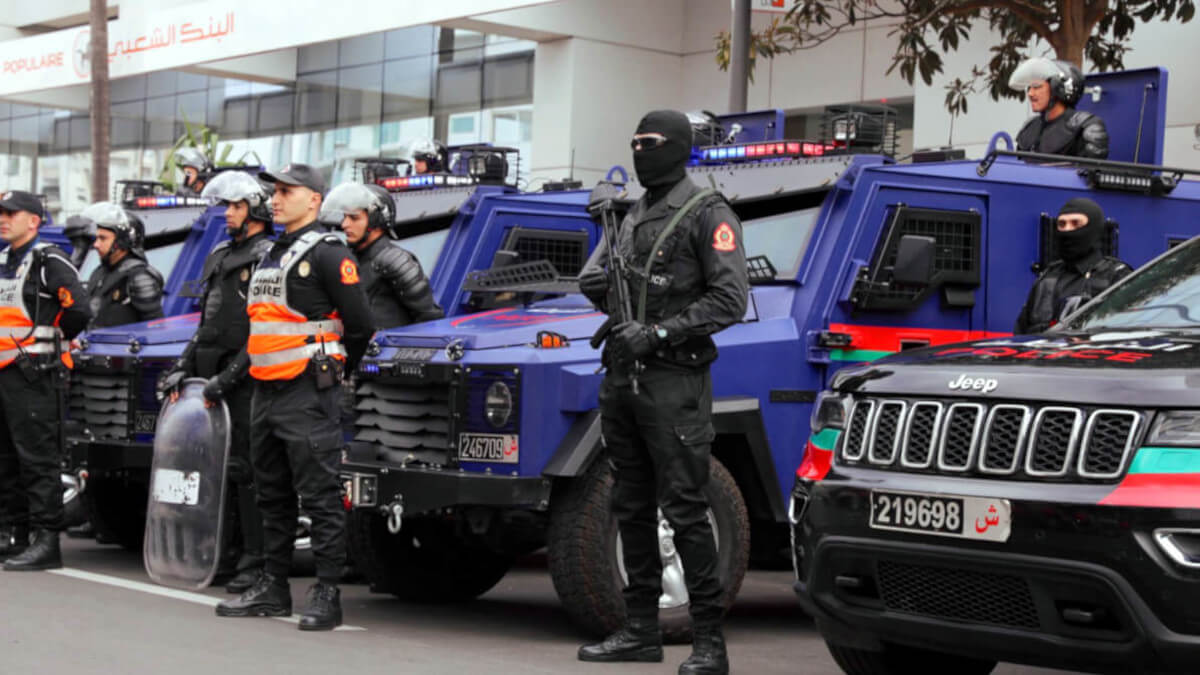
To this end, the Moroccan representative highlighted the actions of the DGSN-DGST and the FAR in strengthening security and intelligence structures and developing international cooperation tools.
Strengthening security and intelligence structures in Morocco
Morocco's geographical position on the continent and its political position in the African Union are two factors that attract European partners who see Rabat as a fundamental pillar for relations with the main African powers.
Since the resurgence and paradigm shift in terrorism, Morocco, due to its proximity to this issue because of its position, has been one of the countries that has most insisted on increasing investment and cooperation between countries to combat this scourge.

The Moroccan model in the fight against terrorism and international cooperation
And it is this approach that has made Morocco's approach a model to follow. It is no coincidence that Morocco is the only African country to have hosted two INTERPOL General Assemblies.
Unlike several other countries in the region, Morocco has managed to combine a coherent policy with robust security, establishing itself as a key location for knowledge sharing and policy development in the area.
The importance of Rabat in international cooperation against terrorism
Furthermore, the selection of Rabat as the venue for meetings by the three European capitals participating in the Quadripartite Agreement, signed in 2009, highlights that working with Morocco is no longer considered an occasional matter, but has become a strategic necessity, demonstrating how these nations value Morocco's role in the security of the southern Mediterranean coast.
Morocco presents a vision that links the dangers in the south with the difficulties Europe faces in the northern part of the Mediterranean, recognising that security in this region is interconnected and that a lack of attention in one area will necessarily affect the other.

Morocco's strategic vision on Mediterranean security
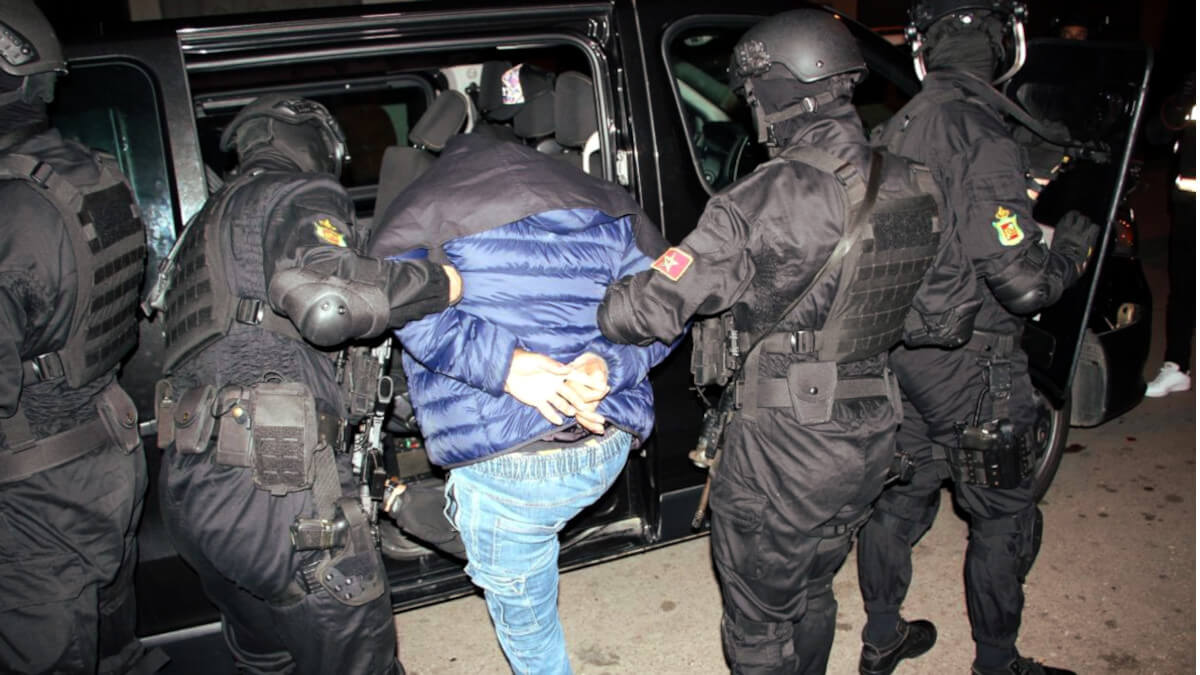
The meeting in Rabat illustrates how Morocco has evolved from being a recipient of international aid in the past to becoming a generator of knowledge and experience, as well as an active participant in the formulation of counter-terrorism policies, working closely with Europe on the African continent.
What makes the Moroccan model an international example is its combination of religious reform through the restructuring of the religious sphere, rehabilitation programmes in prisons and important national initiatives such as the National Initiative for Human Development.
Morocco's evolution as a key player in the fight against terrorism
Morocco has a long history of monitoring terrorists who have returned from conflict areas, being one of the first Arab countries to establish active strategies to address this issue, combining legal supervision with reintegration programmes within prisons.
The validity of Morocco's approach is also based on its internal effectiveness, as the country has seen a considerable decrease in terrorist activities over the years. This is attributed to a model that combines security surveillance with religious reforms focused on a moderate faith, along with development policies that seek to create social environments that are less susceptible to the influence of extremism.