Russia, Africa and the Sahara: the diplomatic game that outmanoeuvred the separatists
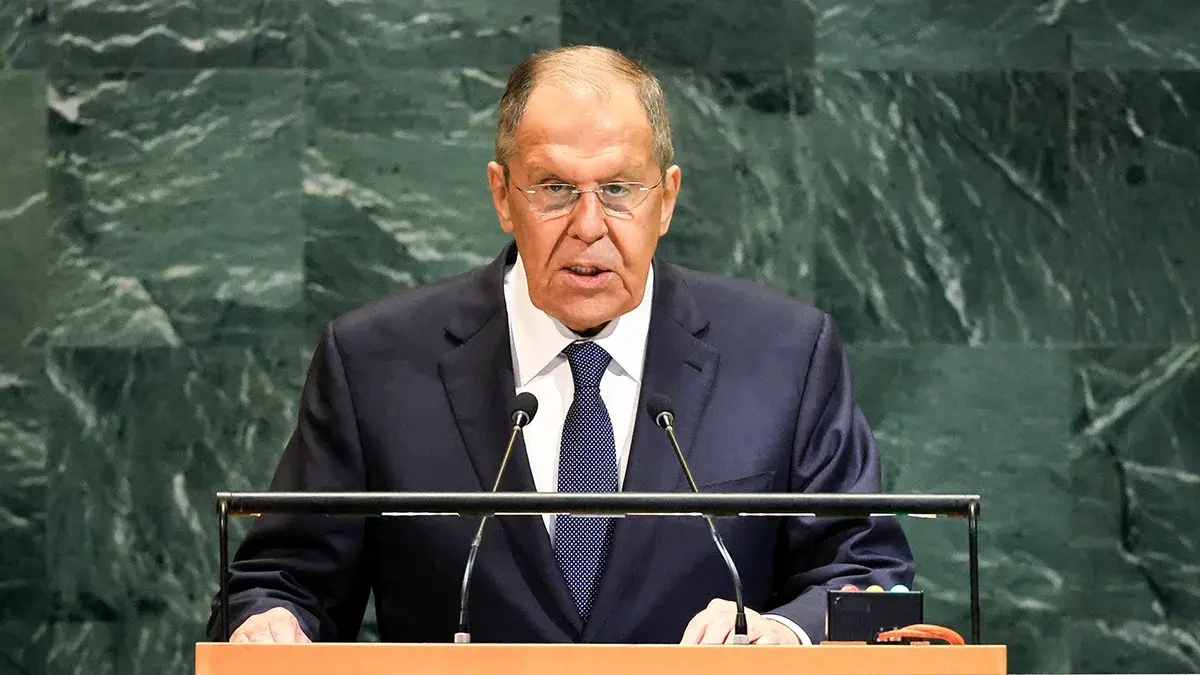

‘Legitimacy is not granted, it is affirmed through actions on the ground and international recognition’; this maxim became more evident during the second Ministerial Forum of the ‘Russia-Africa Partnership’ in Cairo, held on 19 and 20 December, where the exclusion of the Polisario Front demonstrated how international reality can completely overturn separatist ambitions.
While Algeria hoped that the forum would become a platform to promote its separatist agenda, Moscow reminded everyone that realistic politics is built on criteria of power, international recognition and legitimacy before the UN, and not on the wishes of actors seeking allies in Africa.
The Russian decision was not simply an organisational act; it was a double message: first, that the Russia-Africa Partnership must remain a framework for cooperation between sovereign states, and not an instrument for advancing partial agendas; and second, that the Sahara issue cannot be used as a tool for pressure or blackmail on this platform.
This message reflects Moscow's awareness of the sensitivity of the issue and its understanding that politicising the forum would undermine its credibility and alienate African countries from effective economic and trade cooperation with Russia.
For its part, Algeria did not limit itself to a diplomatic gesture; it attempted, on the sidelines of the forum, to find openings to introduce the Sahara issue into bilateral discussions with some African countries, such as the meeting between Algerian Foreign Minister Ahmed Attaf and Namibian Minister of International Relations and Trade Salma Ashipala.

However, these manoeuvres did not alter the equation: the forum remained a closed fortress against any attempt at politicisation, while the focus remained on the central objectives: deepening economic and trade partnership and broadening the horizons of practical cooperation, far from symbolic conflicts.
What is most evident is how Algeria, which has always presented itself as a central player in the African Union, found itself in a new diplomatic predicament. Russia's strong presence and respect for international legitimacy exposed the fragility of the separatist proposal and reaffirmed that any influence outside of UN recognition remains weak, regardless of bilateral guarantees or pressure.
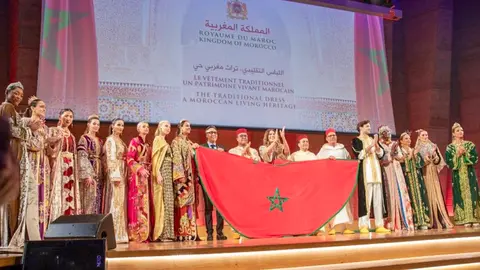
This position takes on greater relevance when considering Moscow's consistent policy since 2019: maintaining relations with internationally recognised states, avoiding any entity lacking sovereignty, and adhering to international legal standards, including growing support for the Moroccan autonomy initiative.
In this same context, Russia's recent stance can be interpreted in light of previous diplomatic events, such as Sergey Lavrov's openness to the autonomy proposal and Moscow's refusal to veto UN Security Council Resolution 2797. All these signals reflect a clear strategy: to rely on international legitimacy and the actual facts on the ground, avoiding giving in to external claims or pressure, regardless of relations with African countries or military contracts with Algeria.

Ultimately, this development shows that when faced with complex regional conflicts, the major powers tend to opt for realism over separatist desires, and that the ability of illusory agendas to penetrate the international scene diminishes the more policy is based on legality and international recognition.
The future therefore seems governed by the logic of realistic solutions. Moroccan autonomy remains today a key factor that cannot be ignored in any negotiation process, while Algeria faces a new reality: that separatist ambitions only find resonance if they are aligned with international legitimacy.
Abdelhay Korret, Moroccan journalist and writer