The race to elect the next UN Secretary-General begins

- From Smoke-Filled Rooms to Conditional Sunlight
- The Early Politics: Gender, Region, and an Emerging Slate
- Transparency Only Works If Member States Embrace It
- The Security Council: Where the Real Test Begins
- A Test of the UN’s Credibility
The race for the next UN Secretary-General is officially underway.
With the joint letter issued on 25 November, the presidents of the General Assembly and the Security Council have triggered what promises to be one of the most consequential leadership contests in recent UN history. On the surface, the letter simply invites nominations. In reality, it opens a political stress test for the United Nations — and for the international community’s appetite for genuine transparency.
As someone who has covered this institution for more than a decade, I have seen the Secretary-General selection process expose the true balance of global power more starkly than many Security Council debates. This time is no different. The UN enters this cycle burdened by geopolitical fractures, a severe financial crisis, and growing doubts about multilateral effectiveness. Choosing who leads the UN beyond 2027 is more than administrative procedure — it is a referendum on what kind of UN member states still believe in.
We will now take a look at the main declared and potential candidates for the next UN Secretary-General, a diverse group of leaders who are already shaping the initial landscape of the 2026 race.
From Smoke-Filled Rooms to Conditional Sunlight
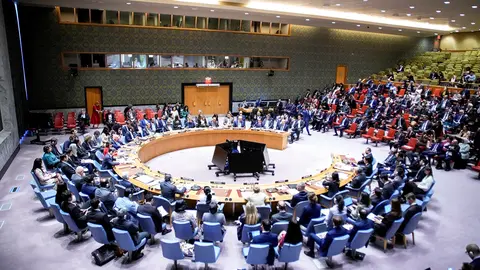
Before 2016, the selection of the Secretary-General was an opaque ritual dominated by the P5, conducted behind closed doors, and insulated from public scrutiny. That secrecy broke when member states and civil society demanded reform, forcing the introduction of public vision statements, televised hearings, and open consideration of candidates.
The 25 November letter confirms that era of conditional openness continues. This time, candidates must submit financial disclosures — a long overdue measure meant to curb resource-heavy campaigns from overshadowing less-funded contenders. But even with these improvements, the political center of gravity has not shifted. Efforts by elected Security Council members to impose a nomination deadline were shut down by the P5. The message: the process is more transparent, but not fundamentally more equal.
The Early Politics: Gender, Region, and an Emerging Slate
Three forces are shaping this race.
1. The demand for the first woman Secretary-General
After 80 years of male leadership, there is clear momentum behind a woman candidate. Several leading contenders reflect that shift:
Leading Declared and Publicly Named Candidates
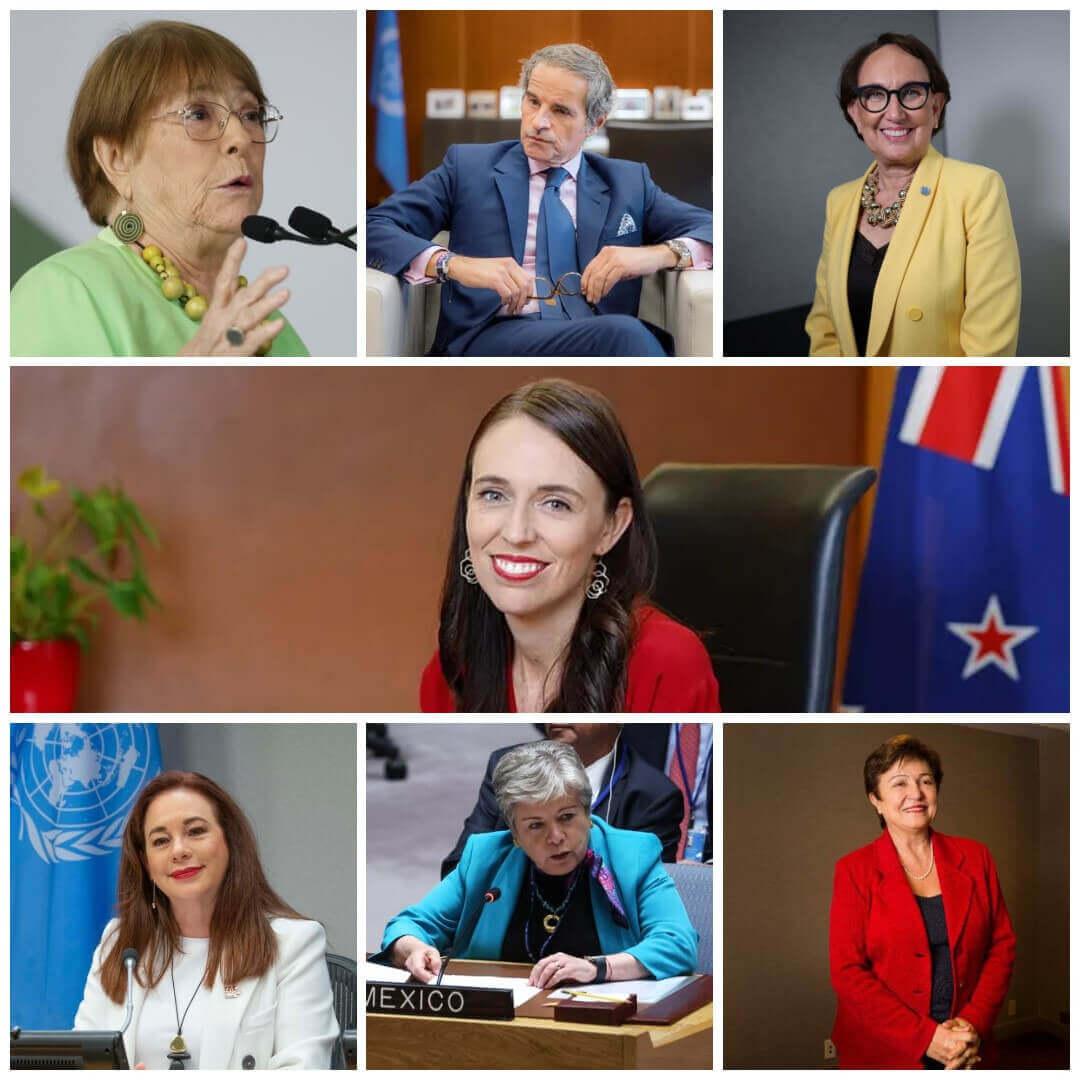
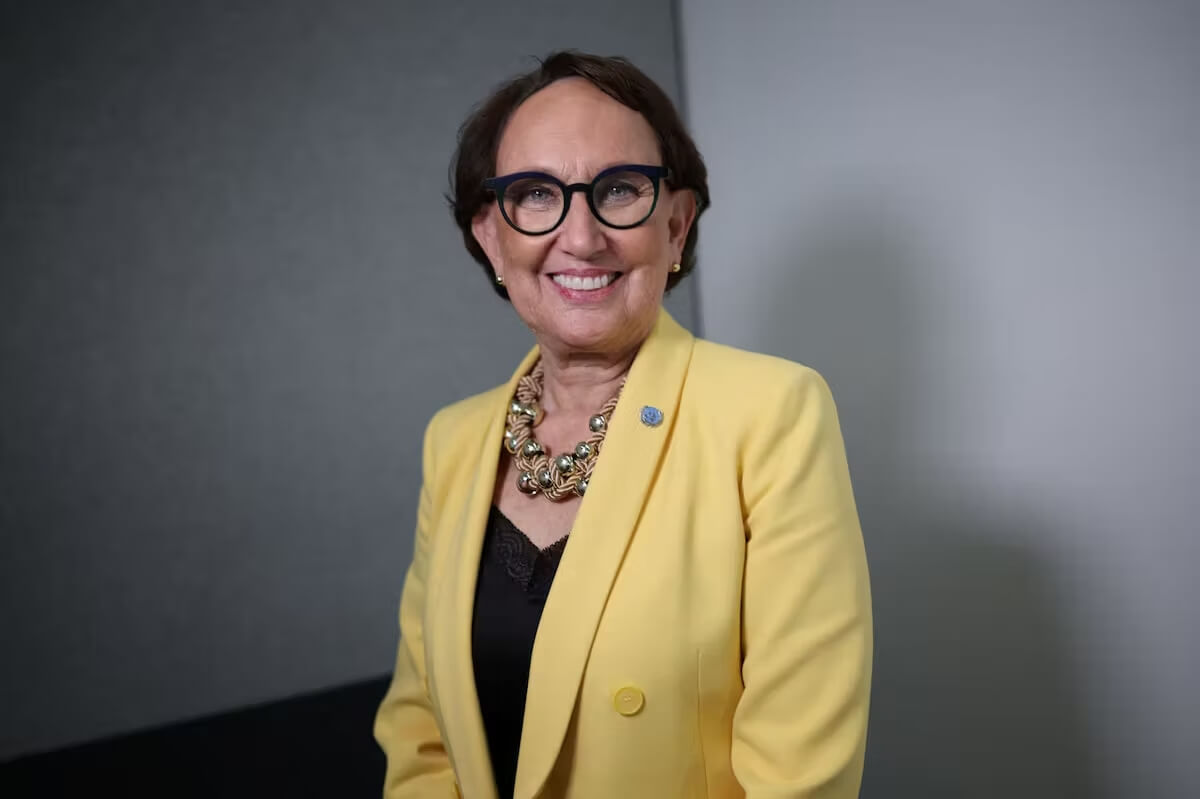
Rebeca Grynspan (Costa Rica) — The UNCTAD Secretary-General, widely regarded as a front-runner, brings economic credibility and deep UN experience. Costa Rica has publicly nominated her.
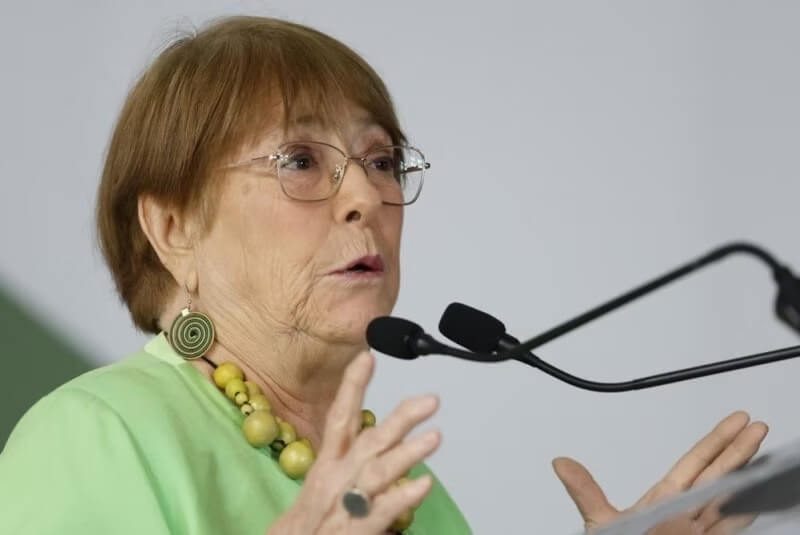
Michelle Bachelet (Chile), former President of Chile and former UN High Commissioner for Human Rights, a major figure in global diplomacy.
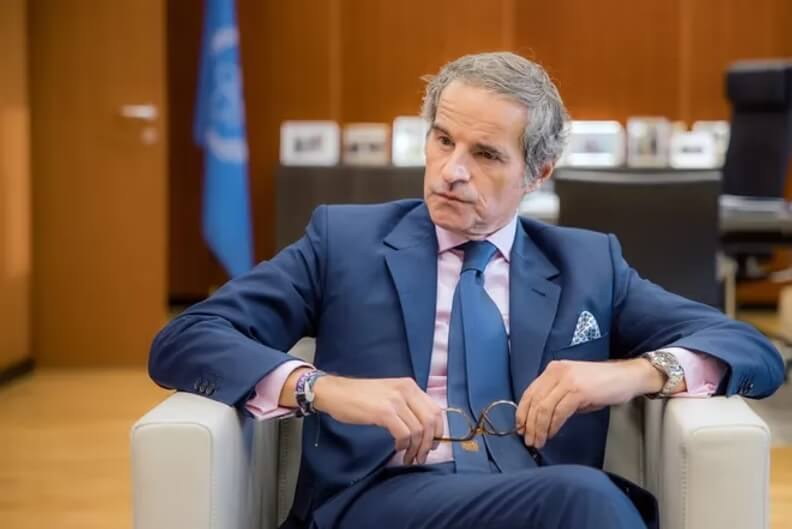
Rafael Mariano Grossi (Argentina) — The IAEA Director General is the most prominent male candidate so far, known for his high-profile handling of nuclear crises.
Other Candidates and Names Under Discussion
Beyond the declared contenders, several figures are attracting diplomatic interest:
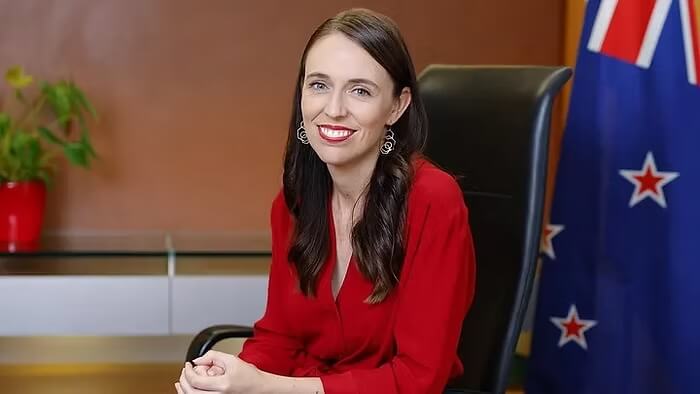
Jacinda Ardern (New Zealand) — Former Prime Minister of New Zealand, recognised worldwide for her empathetic leadership and moral authority; her possible candidacy is widely discussed, although unconfirmed.
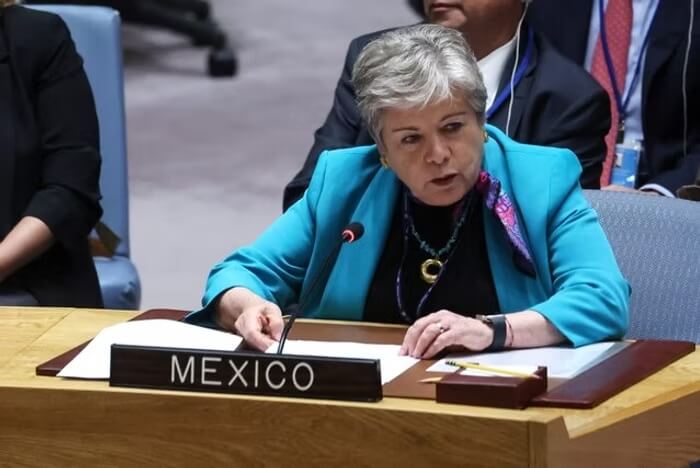
Alicia Bárcena (Mexico) — With a long UN résumé and current senior role in the Mexican government, she is viewed as a strong Latin American option.
María Fernanda Espinosa (Ecuador) — A former president of the General Assembly and experienced minister, she is consistently cited as a viable GRULAC-backed candidate.
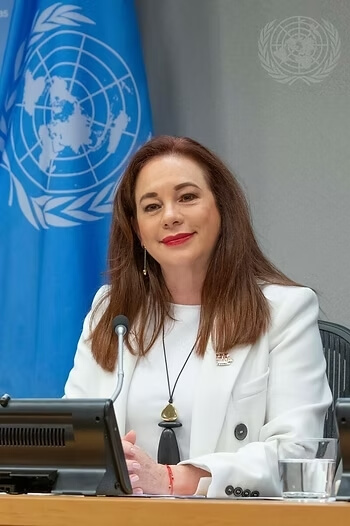
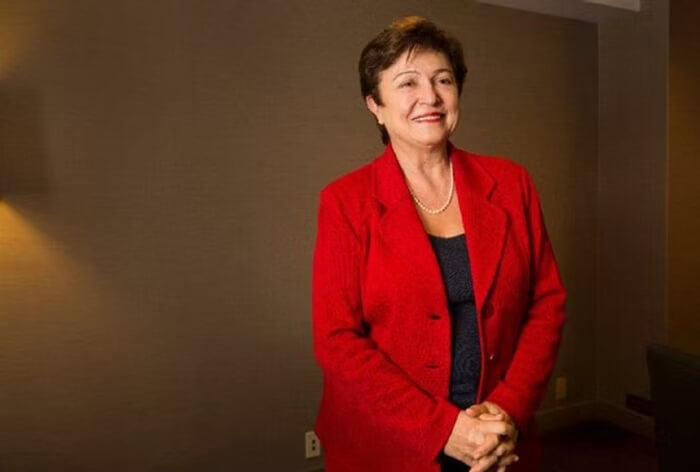
Kristalina Georgieva (Bulgaria) — Former director of the IMF, a heavyweight in global governance; however, her regional origins could complicate her path.
If there is finally to be a woman Secretary-General, Latin America currently holds the deepest and most politically coherent bench.
2. GRULAC’s assertive regional claim
The Latin America and Caribbean group has made it clear that it believes this is their rotation. With multiple capable candidates — and several already nominated — GRULAC may enter the formal phase with rare internal alignment.
3. A new expectation that UN insiders suspend their duties
This reform aims to avoid the perception that internal candidates enjoy institutional advantages. Whether it will be respected is unclear, but it signals growing sensitivity to questions of fairness.
Transparency Only Works If Member States Embrace It
Candidate names will be posted publicly, and once again, the General Assembly will host informal dialogues — the most democratizing innovation of the 2016 cycle. These sessions, broadcast globally, give the world an opportunity to evaluate leadership qualities traditionally assessed only in private rooms.
But the hearings were far from perfect last time. Questions were repetitive, civil society participation was limited, and time was insufficient to properly scrutinize candidates. If member states want a strong leader, they must ask stronger questions — not just recycle diplomatic talking points.
The Security Council: Where the Real Test Begins
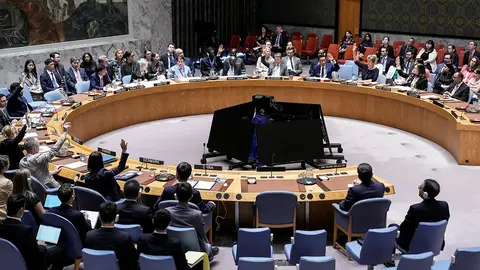
After the public phase comes the decisive one. The Security Council will meet privately with candidates and then proceed to straw polls, the coded ballots that reveal support levels and veto threats.
In 2016, nearly every straw poll leaked within hours, making a mockery of the Council’s insistence on secrecy. If that pattern repeats — and it will — then publishing accurate results is not a radical idea but responsible governance. Transparency builds legitimacy; shadows invite mistrust.
A Test of the UN’s Credibility
The next Secretary-General will inherit an institution stretched thin by conflicts, budget deficits, and diplomatic fragmentation. Slovenia’s December debate on “Leadership for Peace” underscores the stakes: this role is not ceremonial. It demands crisis management, negotiation skill, moral clarity, and political stamina.
The world is watching — not just to see who emerges, but to judge whether the UN still has the institutional honesty to conduct this process in the open.
If member states retreat into old habits, the damage will outlast this cycle. But if they embrace transparency, the UN may yet choose its next leader through confidence rather than concealment.
And that is precisely the leadership model the United Nations needs now.
Article by Ahmed Fathi previously published in American Television News