
Iran between economic stagnation and political tensions: towards an inevitable turning point?

- The trigger mechanism and the prospect of recession
- Signs of cracks within the government
- Internal pressures, visible divisions
- Towards inevitable change?
Referring to the Center's latest report on the performance of the first quarter of the seventh five-year development plan, Iranian media reported on Monday, October 13, that there is a significant gap between the planned targets and the country's current economic situation.
According to the report, economic growth in 1403 (2024) was only 3.1%, and the forecast for the first half of the following year is also negative.
The Parliamentary Research Center points out that last year's growth of nearly 3% was mainly due to a “temporary surge in the oil sector” and that, due to structural imbalances, international sanctions, and unfavorable internal and external conditions, it seems unlikely that such a growth rate will continue.
The trigger mechanism and the prospect of recession
Following the activation of the “snapback” mechanism, the Iranian Chamber of Commerce published a report entitled “The Economic Consequences of the Return of UN Security Council Sanctions.” Three economic scenarios are considered for Iran between now and the end of 2025: optimistic, probable, and pessimistic.
In all cases, negative growth is anticipated. In the pessimistic scenario, the exchange rate could reach 165,000 tomans to the dollar and inflation could climb to 90%. This scenario is considered the most likely given the current political situation.
Furthermore, the head of the judiciary, Gholamhossein Mohseni Eje'i, stated: “One of the major problems today is the issue of citizens' purchasing power. Security is also a priority. Enemies are actively seeking to disrupt stability and social cohesion and foment unrest.”
Signs of cracks within the government
Ali Akbar Nategh-Nouri, former speaker of parliament and a figure historically close to Ali Khamenei, recently stated: “In my opinion, certain mistakes were made from the very beginning of the Islamic Republic. For example, the seizure of the US embassy, described as a ‘nest of spies’, was a serious mistake. It seems that many of the current problems began at that moment.” “
For his part, Mohammad Reza Bahonar, a leading figure in the conservative movement and former member of parliament for eight terms (including two as deputy speaker of parliament), said: ”I have always made it clear that I am not in favor of compulsory hijab. From the outset, I did not believe in such an obligation."
Internal pressures, visible divisions
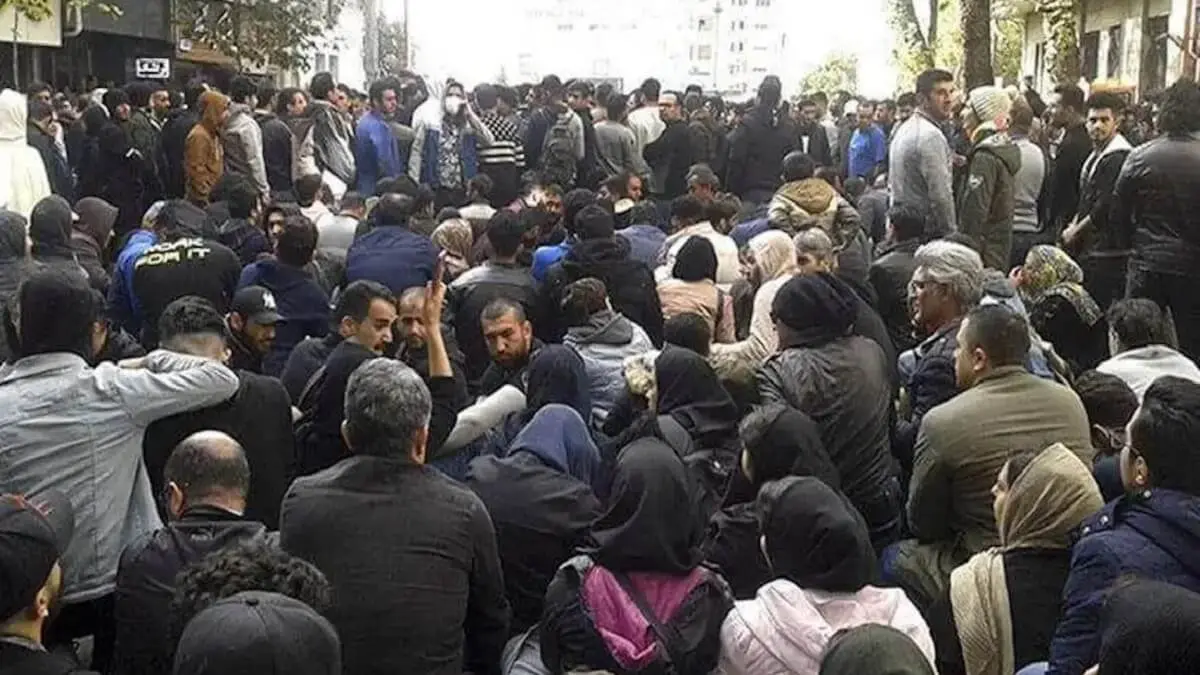
These statements should not be interpreted as a paradigm shift toward greater moderation within the regime. Indeed, any fundamental transformation seems impossible under a system dominated by the doctrine of velayat-e faqih (supreme leadership). These cracks reflect the growing pressure exerted by society, particularly the disadvantaged classes, which is affecting even the circles closest to power.
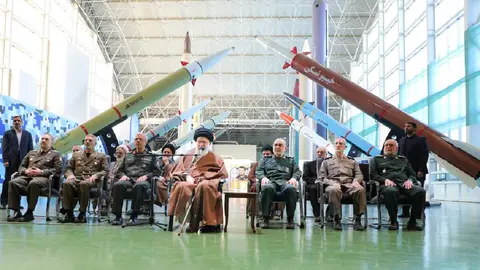
Under growing international pressure and internal decision-making inertia, the Iranian regime, historically based on crisis management and a bellicose stance, is seeking to preserve its survival. However, the regional context is evolving towards greater peace, putting Tehran in a delicate geostrategic position. Some internal currents, particularly reformers, advocate a rapprochement with the United States, but the Supreme Leader sees this as an existential threat—potentially more dangerous than a popular uprising.
Towards inevitable change?
Political analysts believe that divisions within the government may create opportunities for large-scale social movements, as was the case in 2009, when internal disagreements over election results triggered massive protests. This crisis arose from the Supreme Leader's support for Mahmoud Ahmadinejad, despite Mir Hossein Mousavi's claim of victory.
Since 2022, the regime has been trying to close the gaps that could lead to a revolt, but according to many sociologists, the hunger and thirst of the citizens are unavoidable realities. Without a change in the model of governance, these growing tensions are likely to inevitably lead to structural collapse.