
Spain's influence in the Sahara

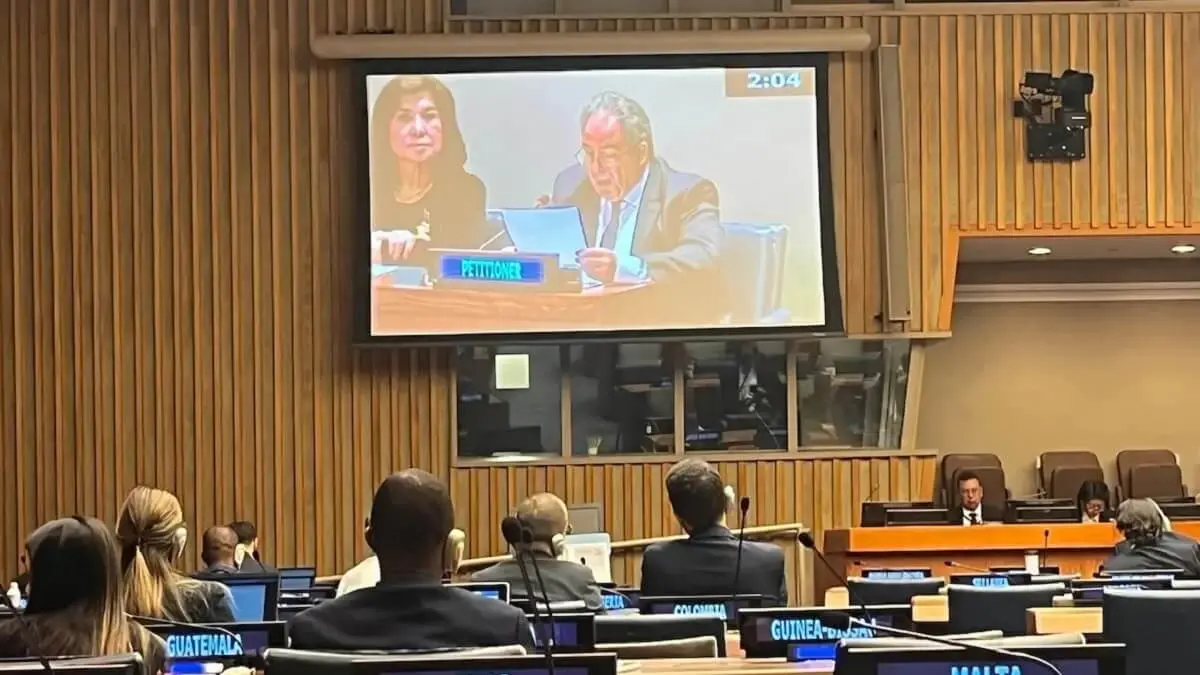
Regardless of who it may upset, its policy of blackmail and threats is no longer effective. This position comes from the country that administered the Moroccan Sahara region, and therefore the country that best understands the historical and legal foundations of this issue, which in 1975, following the Madrid Accords, was recovered and politically exploited by those who host the Tindouf camps.
Spain's decision to explicitly recognize Morocco's sovereignty over the Sahara has had a strong and significant impact on the current international dynamic, which has been joined by numerous recognitions from, Germany, Hungary, Portugal, Belgium, Austria, Slovakia, Estonia, as well as France and the United Kingdom, in their capacity as permanent members of the UN Security Council, together with the United States of America.
The effect of each of these decisions cannot be summed up in a simple arithmetic or mathematical calculation, but rather in an exponential result that extends to other countries that have also decided to be part of this global consensus in support of the Moroccan character of the Sahara, and which agree that the Moroccan autonomy initiative is the only political solution to resolve this artificial conflict, maintained at all costs by some actors in the region.
The countries that fully support the Moroccan autonomy plan are committed to the political solution promoted by the UN Security Council in its resolutions, including Resolution 2756.
On the contrary, its neighbor, alone and against all, has chosen to fight against all odds, clinging to a procedure that has proven ineffective and obsolete. And which has been replaced by a political solution whose parameters have been clearly defined since 2017, to which the Moroccan autonomy initiative conforms.
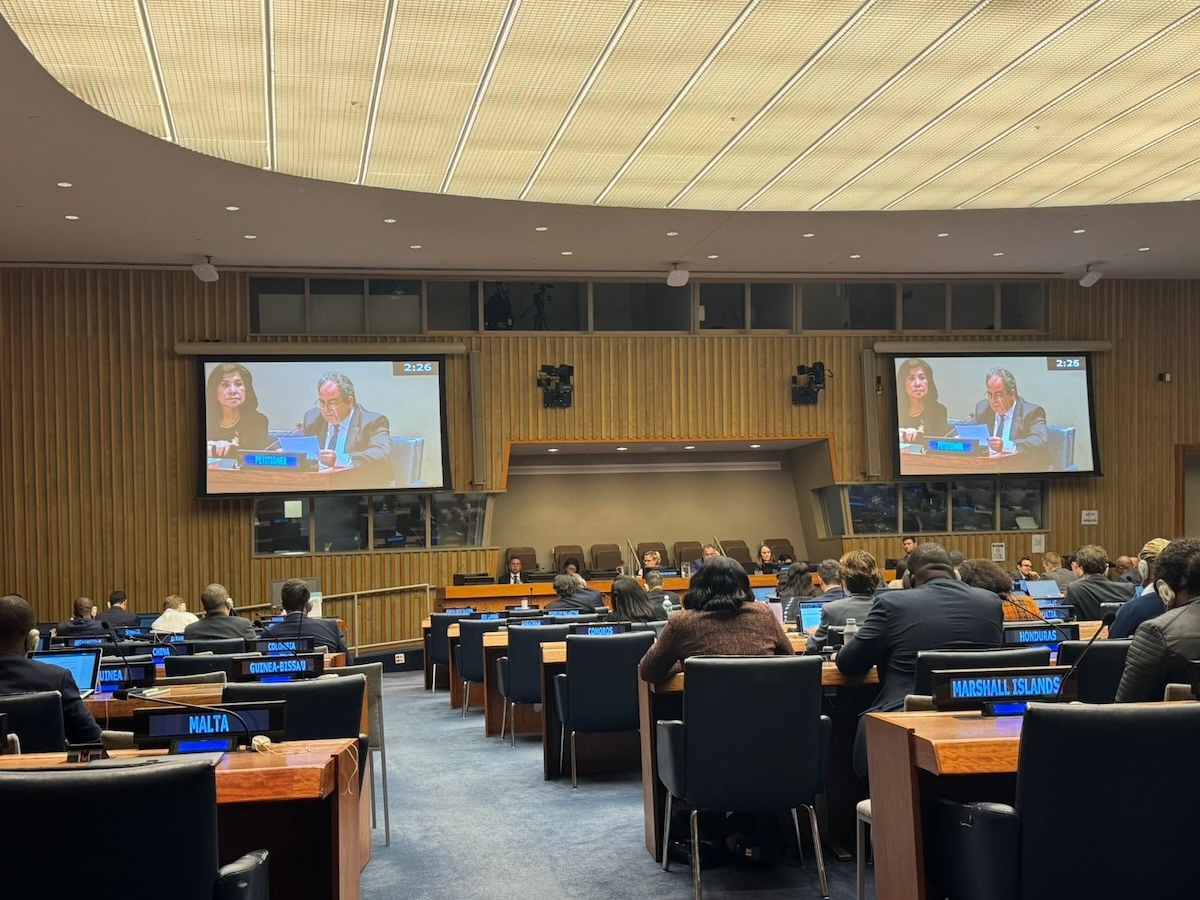
Today, we see once again that the “Polisario” appears as a mere petitioner and once again bases its argument on peripheral issues of human rights and natural resources, as well as on a “ruling” by the Court of Justice of the European Union, which has no legal scope or political consequence on the solid strategic partnership that unites Morocco with the European Union and its member states. The recent decision by Brussels on the trade agreement with Morocco demonstrates this.
The Polisario is not the only representative of the Sahrawi people, because today initiatives such as the Sahrawi Movement for Peace have also become important representatives of the Sahrawi people.
It is regrettable that reality is not recognized and that reason is not restored, continuing to fight a lost battle.Although an aggressive war machine is deployed against Morocco and hinders its territorial integrity, Rabat does not insult the future and reaches out, time and again, to its neighbor to resolve this regional dispute by consensus.
The future and stability of the Euro-Mediterranean area cannot wait. Everyone, and those who host the Tindouf camps more than anyone else, are called upon more than ever to assume their responsibilities.