
Soft power again

God gives every bird its food, but he does not throw it into its nest.
J.G. Holland
The final of the Under-20 World Cup between Morocco and Argentina was watched by 2.8 billion people, or more than a quarter of the population of this planet we live on called Earth. This figure comes from FIFA itself. Even FIFA did not expect such an unusual number for an Under-20 soccer final, a record since this championship began in 1977.
In my opinion, the relevance of this event was motivated by two essential reasons:
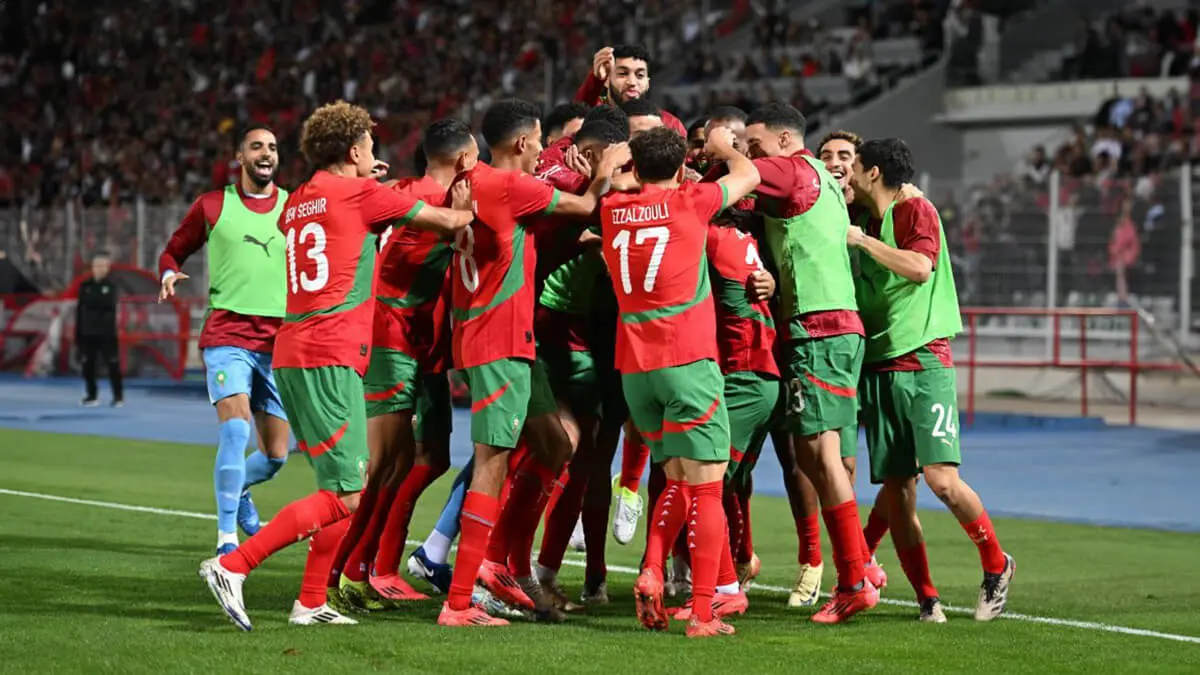
-First: the Moroccan team's dazzling run since the start of the championship. All predictions suggested that Morocco would be eliminated in the first round after being drawn into a group that soccer analysts described as the group of death. This group consisted of Spain, Brazil, and Mexico. As the matches progressed, little David defeated the Goliaths that stood in its way, one after another, in clean duels and with excellent soccer, managing to qualify as the group winner. The success was so resounding that the Moroccans invented a joke that said that if Morocco was drawn into the group of death, it became its angel of death.
Qualifying for the round of 16 as group winners, Morocco continued its exploits by eliminating other renowned teams such as South Korea and the United States, which were among the favorites to win the cup, then France, to meet Argentina in the final. With this, it can be said that the Moroccan team faced all the soccer schools of the world: Latin American (Brazil, Argentina, and Mexico), European (Spain and France), Asian (South Korea), and North American.
There is no doubt that social media played a crucial role in spreading and multiplying the beautiful and relevant image of smiling boys straight out of the book of Aladdin's adventures, supported by a handsome, calm, and affable coach who also speaks all languages. You couldn't ask for more.
Second: the final pitted two totally different schools of football against each other: South America, known for its technical excellence, and North Africa, known for its strength and passion. This time, the Moroccan team brought a mixture of solidity and finesse that made it an African country playing South American football. These ingredients were more than enough to give us a beautiful match that exceeded all expectations.
The most striking thing is that, as happened in Qatar, the Moroccan team was cheered on not only by the host country's fans, but by the whole world. With this, it can be said that soccer is today the most powerful instrument of Moroccan soft power.
Indeed, the impact of this feat in terms of communication is incredibly beneficial for Morocco, adding to that achieved by the first team in Qatar, which could have reached the final and, who knows, won it if it weren't for refereeing errors.
In an article published in this same newspaper on December 9, 2022, I said that for a country to forge its path and defend its interests in this carnivorous world, there are two possible ways:
A-Through what is called hard power, that is, the ability of a state to influence the regional and/or international scene thanks to its military or economic power.
B-Through soft power, where symbolism plays a transcendent role.
I also said at the time that the Moroccan soccer team's qualification for the quarterfinals of the World Cup in Qatar was part of this symbolic power capable of propelling countries limited in terms of geographical area, population, or natural resources to prominent and unimaginable positions.
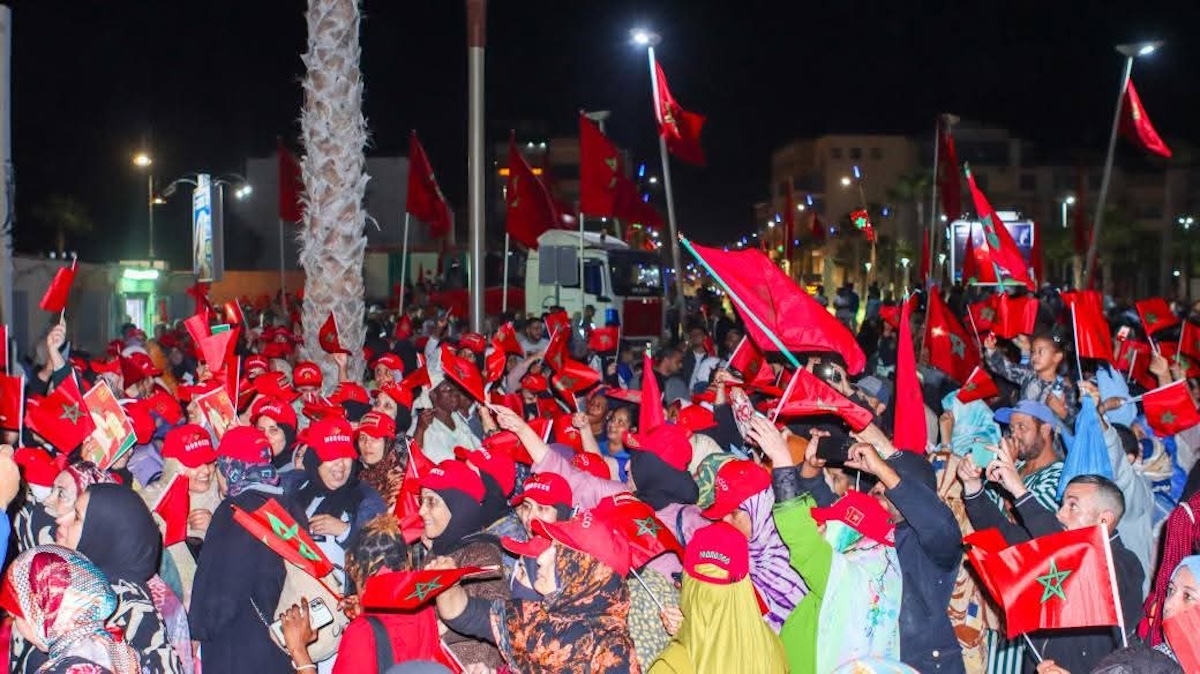
Just three years later, and thanks to soccer once again, Morocco is back in the spotlight, occupying the front pages of all the international print and digital press, becoming the main topic of billions of podcasts and trends, and, of course, enjoying the sympathy of billions of people. This time, the achievement has been even more significant, as Morocco has been proclaimed world champion.
This feat will undoubtedly have a very positive impact on the image of the country, which is preparing to host the African Cup of Nations in less than two months. The tripartite organization of the 2030 World Cup, together with Spain and Portugal, will enable the country to equip itself with good infrastructure and services, receive greater foreign investment, and ensure greater international visibility for the country.
It is also clear that soccer is now an essential component of Moroccan diplomacy. The two go hand in hand, side by side and shoulder to shoulder. The presence of the Moroccan Minister of Foreign Affairs alongside the president of the Royal Moroccan Football Federation at the final and the cup presentation ceremony was an invaluable communication exercise. It shows a dynamic country with great relational power, loved by billions of people.
I am convinced that Morocco's winning bet on soccer and the positive image it has brought over the last three years has played a major role in achieving another, even more significant goal, which we have been waiting for with patience and perseverance for half a century: the United Nations' legal recognition of Morocco's sovereignty over the Sahara.
Today, Morocco is reaping the ripe fruits of the forward-looking vision of His Majesty the King of Morocco, which took shape seventeen years ago, placing soccer at the center of Moroccan soft power. Thanks to the structured and meticulous work of the president of the Royal Moroccan Football Federation, together with an army of trainers and technicians, this immense project has been carried out with remarkable success. Investment in infrastructure and training, as well as the decision to rely on national coaches, have been key elements in this success. These national resources have managed to instill the spirit of tamghrabit, based on love for the country and its ancestral values of solidarity and collective work.
John Ruskin said that quality is never an accident; it is always the result of intelligent effort.
As I grow older, I become increasingly convinced that the glory of a country, of a nation, is forged through the collective effort of its people.
And today, as three years ago, I repeat that the word impossible does not exist in the Moroccan lexicon.