Morocco and Andalusia strengthen cultural ties and sign a memorandum for the conservation of the Hassan II Pavilion in Seville
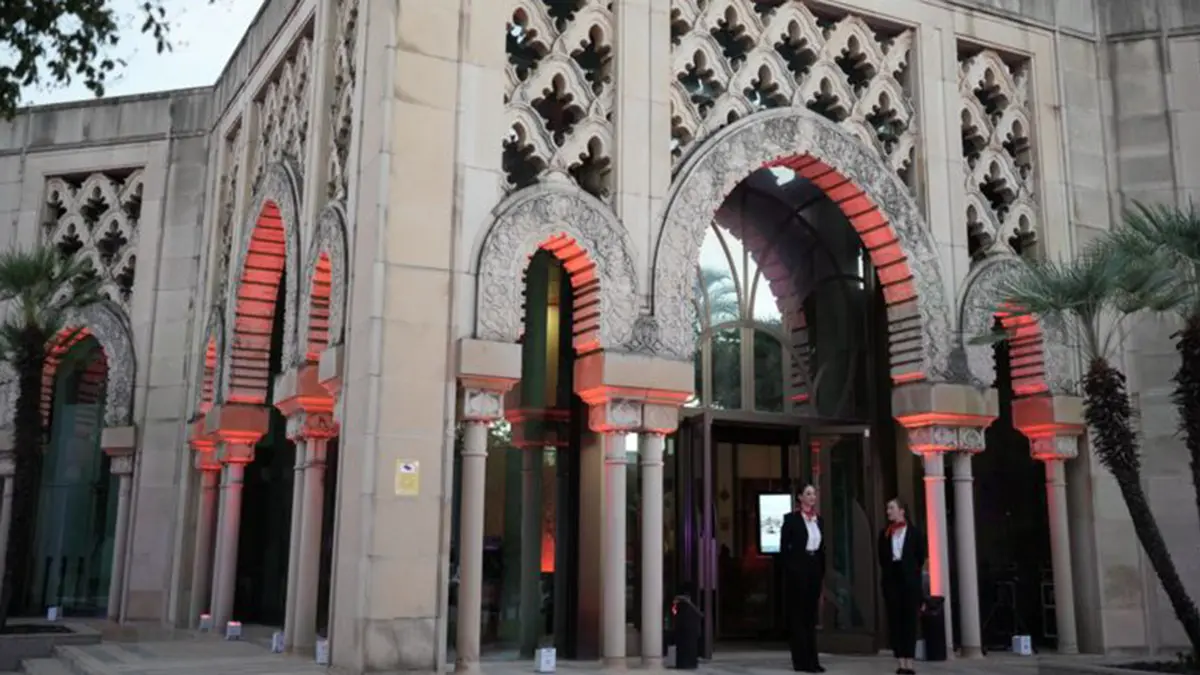
The Moroccan enclave of Essaouira was the setting for the signing of a memorandum of understanding (MoU) between Morocco and the Regional Government of Andalusia to preserve the Hassan II Pavilion in Seville, Spain, which was once the Moroccan Pavilion for the 1992 Seville Universal Exposition.
This initiative serves to further strengthen the cultural ties between the North African country and the autonomous community of Andalusia, the Spanish community closest to the North African country, a geographical situation that has always favoured the link between the two shores of the Mediterranean.
The signing took place within the framework of the 20th edition of the Andalusian Atlantic Festival and was led by the Secretary of State for Crafts and Social and Solidarity Economy, the Ministerial Delegation to the Ministry of Economy and Finance in charge of the Moroccan Budget, the Three Cultures Foundation, the Hassan II Mosque Foundation in Casablanca and the Casa del Artesano.
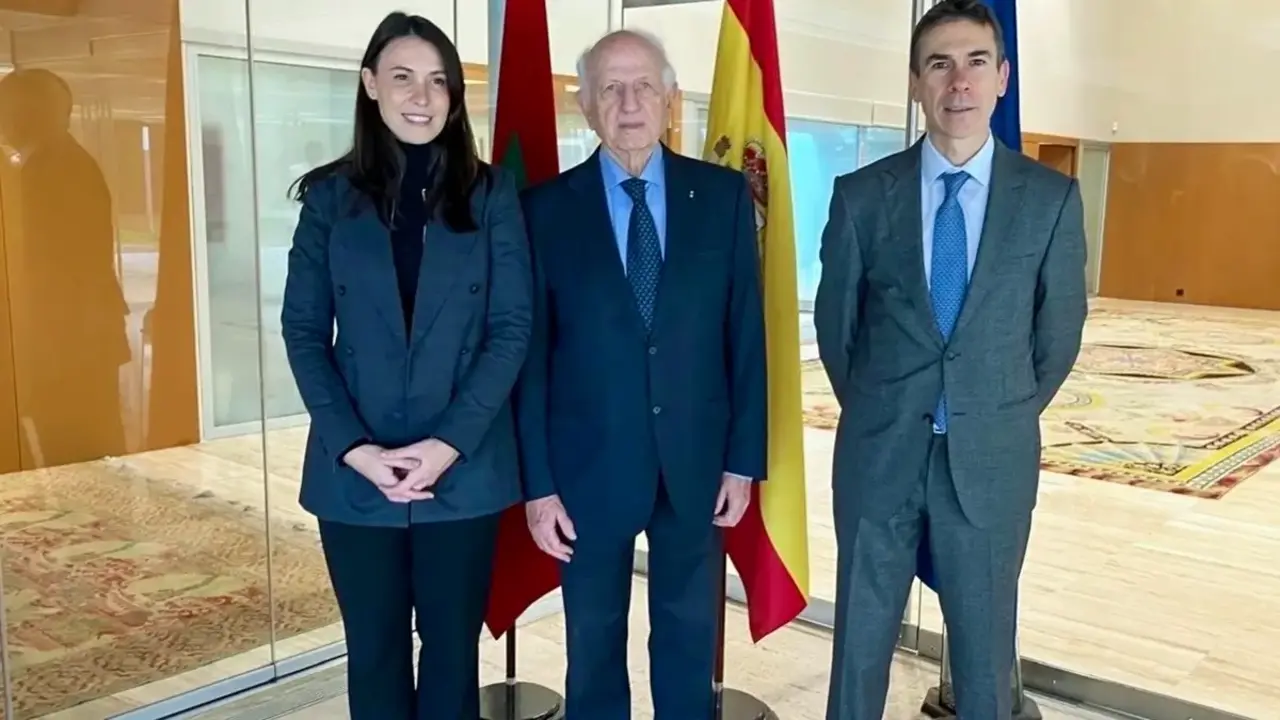
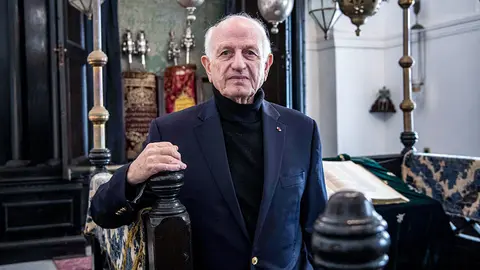
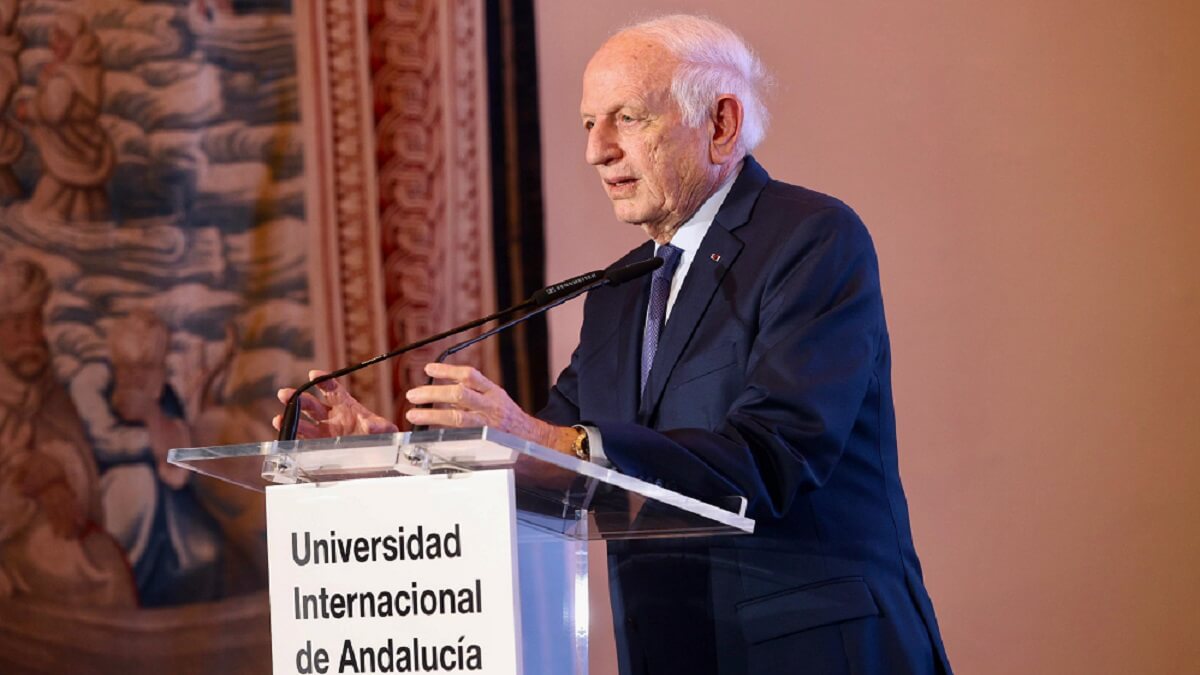
The signing ceremony brought together important figures such as the advisor to His Majesty the King of Morocco and founding president of the Essaouira-Mogador Association, André Azoulay, the Secretary of State for Crafts and the Social and Solidarity Economy, Lahcen Essaadi; the Minister of Culture and Sport of the Regional Government of Andalusia, Patricia del Pozo Fernández, and the Director General of the Casa del Artesano, Tarik Sadik.
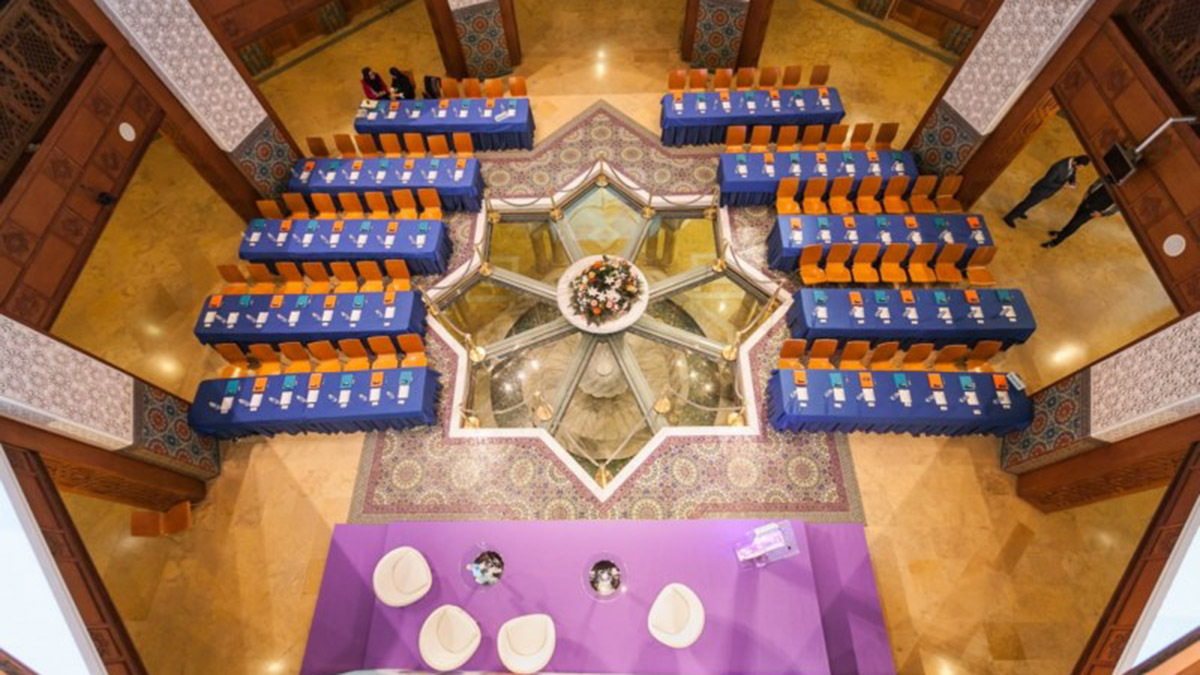
The MoU establishes a strategic framework for the restoration and rehabilitation of the Hassan II Pavilion, an architectural monument that blends Moroccan and Andalusian craftsmanship and symbolises tolerance, openness and intercultural dialogue. The signatories have committed to developing cultural exchange and promoting Moroccan and Andalusian crafts, strengthening the role of the Three Cultures Foundation as a key institution in the cultural link between the two parties, as reported by the Moroccan news agency MAP.
André Azoulay highlighted the signing as ‘a significant moment in strengthening the historical and cultural ties between Morocco and Andalusia,’ emphasising the central role of the Hassan II Pavilion as a symbol of tolerance, dialogue and coexistence between cultures and religions, as reported by the MAP agency.
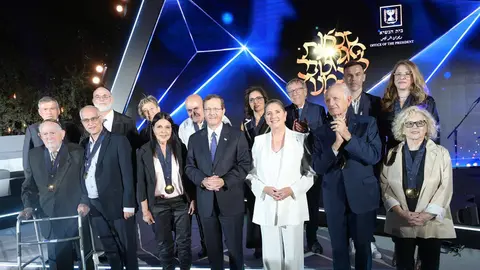
André Azoulay also recalled that the idea for this collaboration project arose after the symbolic offering of a ‘Cross of Christ’, recently made by artisans from Essaouira for the benefit of the Brotherhood of ‘Cristo de la Corona’ in Seville, a highly symbolic gesture that illustrates the existing commitment to interreligious dialogue, peaceful coexistence and the enhancement of the common heritage between Morocco and Andalusia.
‘This moment marked a historic turning point in the building of new bridges between the two shores, based on mutual recognition, respect and the celebration of the universal values of openness and tolerance that have characterised Essaouira for centuries,’ added André Azoulay.
For his part, Lahcen Essaadi stated that the signing of this memorandum of understanding is ‘a clear sign confirming the continuity of the ethical and humanist approach that Morocco has adopted for centuries in its policy and relations with various civilisations and nations,’ pointing out that this partnership ‘constitutes a new milestone in the historical relations between Morocco and Andalusia, consolidating the place of this remarkable monument as an important centre for cultural and religious dialogue, and as a benchmark for excellence, creativity and knowledge exchange,’ as reported by the MAP agency.
Lahcen Essaadi recalled that ‘the Hassan II Pavilion is not only an architectural monument, but also a living symbol of the values of tolerance, coexistence and intercultural dialogue shared by Morocco and Andalusia,’ emphasising the role of this agreement as ‘a strategic framework for restoring and rehabilitating the pavilion, promoting Moroccan and Andalusian craftsmanship, fostering the exchange of knowledge and strengthening the Three Cultures Foundation as a cultural bridge between the two shores.’
Patricia del Pozo Fernández pointed out that the Hassan II Pavilion in Seville is ‘a jewel of heritage’ and that its enhancement and restoration will strengthen the links between Morocco and Andalusia through crafts, traditions and culture. The head of the Andalusian Regional Government also stressed the importance of the exchange of knowledge, strategies and know-how between the two shores of the Mediterranean, while announcing the upcoming ‘Morocco Week’ at the Pavilion, with the participation of the Secretary of State for Crafts and Social and Solidarity Economy, in order to further develop this memorandum and its implementation agreements, according to the MAP agency.
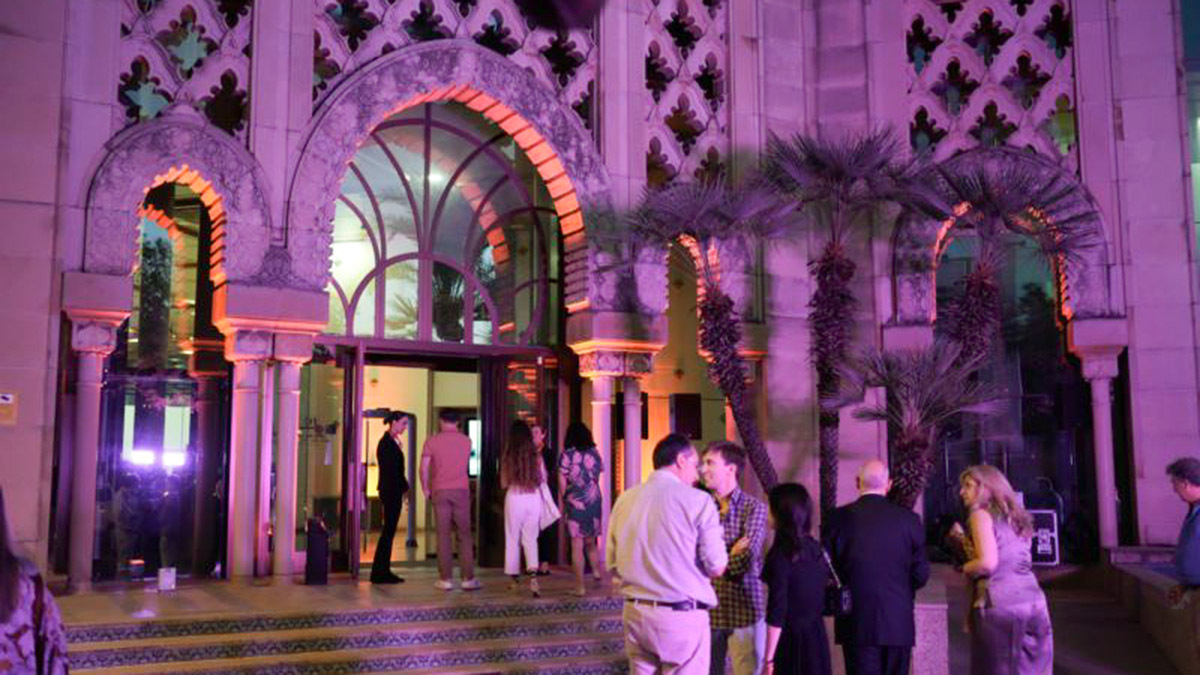
The signing of this memorandum of understanding reflects the shared desire to develop crafts not only as an engine of economic development in Morocco and Andalusia, but also as a tool to preserve, enhance and promote the cultural heritage shared by both regions.
The agreement represents a significant step towards preserving a symbol of shared heritage and promoting mutual understanding between Morocco and Andalusia and, by extension, Spain. This further deepens the close ties between the North African and European countries, which have been exceptionally strengthened in recent years in all areas and spheres thanks to Spanish support for the sovereignty of the Moroccan kingdom over Western Sahara, which has further reinforced mutual cooperation. This support, together with that of other very important countries, has led the United Nations to endorse the Moroccan autonomy option as the most serious and credible solution to the Sahrawi dispute.